
Sensory Play Troubleshooting Guide
📖 Table of Contents
- Understanding the Mess: Why Sensory Play Gets Out of Hand
- Overstimulation: When the Fun Turns to Frustration
- Choosing the Right Materials: What Works (and What Doesn't)
- Dealing with Resistance: When Your Child Says 'No' to Sensory Play
- Making It Last: How to Keep Sensory Play Engaging
- Make It Your Way
- Frequently Asked Questions
I still remember the first time my toddler knocked over a bin of rice and beans, only to scream in delight as the grains spilled across the floor. It was messy, yes, but it was also a revelation. That moment taught me the power of sensory play — and also how quickly things can go sideways. As a parent, I've spent years learning the ins and outs of sensory play troubleshooting, from handling the inevitable mess to handling the emotional ups and downs of a child who's overwhelmed by a texture they don't like. This guide is the culmination of that journey — a practical, hands-on roadmap for parents who want to make the most of sensory play without the chaos.
Sensory play is not just about the fun. It's about learning, exploring, and connecting. But it's also about the challenges that come with it: the mess, the frustration, the moments when your child seems to be pushing back. I've been there, with the sticky hands, the smudged walls, and the tiny bits of glitter that somehow end up in places you never thought possible. That's why this guide is written with a parent's perspective — not just as a list of tips. As a series of real, tested solutions that have worked in my own home and in the homes of other parents I've spoken with.[1]
The key to successful sensory play is troubleshooting — understanding what can go wrong and how to fix it before it escalates. Whether you're dealing with a child who's overstimulated, a sensory bin that's not holding up, or a situation that's just too messy for your home, this guide walks you through each scenario with actionable advice. It's not about perfection; it's about making the most of the mess and turning it into a learning experience for both you and your child. And that, I've learned, is where the real magic happens.[2]
Why You'll Love This Sensory Play Troubleshooting Guide
- Easy solutions for common sensory play challenges
- Real-world examples from other parents
- Step-by-step guidance for messy or overwhelming moments
- Tips for keeping sensory play safe and inclusive
Understanding the Mess: Why Sensory Play Gets Out of Hand
As of September 2026, Mess is a given with sensory play, but it doesn't have to be a disaster. I've learned that preparation is key. For example, I always lay down a plastic tarp or old towels before starting, and I keep a bucket of water and a few clean rags on hand. Even with these steps, I've had moments where the mess seemed overwhelming — like the time my toddler spilled a bin of kinetic sand all over the floor. But instead of panicking, I took a deep breath and treated it as a learning opportunity. Cleaning up became a shared task, and my child was proud to help.[3]
The mess can also be a sign that your child is overstimulated. In my experience, when a child is overwhelmed, they might knock over bins or refuse to participate. I've noticed this happening when I introduce too many textures or sensory elements at once. To avoid this, I now start with just one or two materials and gradually add more as my child becomes more comfortable. This has helped reduce the stress and mess that can come from overstimulation.
It's also important to think about where you're setting up your sensory play. I've found that a low table or a mat on the floor works best for younger children, while older kids may prefer a dedicated sensory table. I've experimented with different setups and found that a low table with a lid has been especially helpful for containing the mess and making cleanup faster. It's a small investment that has made a big difference in how I manage the chaos of sensory play.
Lay out a tarp, have cleaning supplies ready, and choose a low table or mat for better control. This small preparation can save you hours of cleanup.
Part of our Sensory play troubleshooting phases guide.
Overstimulation: When the Fun Turns to Frustration

I used to think that sensory play was always fun — but I was wrong. There were times when my toddler would become overwhelmed, especially when too many new textures or sounds were introduced at once. I've noticed this happening during playdates or when I try to introduce a new material without preparing my child first. My child would start crying, refuse to touch the materials, and even run away from the table. It was a tough moment, but I've learned that overstimulation doesn't have to derail the entire experience.
What I've found is that it's important to pay attention to your child's body language and reactions. If they're avoiding the bin or showing signs of discomfort, it might be time to pause and give them a break. I now use a simple signal — a hand on my own chest — to let my child know that we can take a break whenever they need. This small gesture has made a big difference in how they handle new or overwhelming sensory experiences.
I've also found that introducing sensory play gradually is key. Instead of overwhelming my child with too many new materials at once, I now introduce one or two at a time and let them explore at their own pace. This has helped reduce the stress and frustration that often comes with overstimulation, making sensory play a more enjoyable and safe experience for my child.
Sometimes the best thing you can do is step back and let your child lead the way.
Related: How to sensory play phases
Choosing the Right Materials: What Works (and What Doesn't)
I've tried so many materials for sensory play over the years, and not all of them work equally well. Some materials are great for texture exploration, like rice and beans, but others can be a nightmare to clean up. I've found that materials like kinetic sand and playdough are excellent for younger children, as they are soft, manageable, and easy to clean. I've also learned that some materials, like glitter or small beads, can be a choking hazard for very young children. I now avoid using them with my toddler unless I have a close eye on them.
I've also discovered that the right storage solutions can make a huge difference. I used to keep all my sensory materials in open bins, but that led to a lot of mess and confusion. Now, I use labeled containers with lids, which helps keep everything organized and prevents my child from accessing materials they're not ready for. I've noticed that this small change has made a big difference in how quickly we can set up and clean up sensory play.
I've also experimented with different textures, and I've found that some materials are more engaging for my child than others. For example, I've found that materials like cornstarch and water (also known as oobleck) are a hit with my child, as they are both squishy and messy. I've also noticed that materials like wet sand and pebbles are more engaging for my child when they're in the bath, as the water helps them explore the textures in a different way. These are all small but important discoveries that have helped make sensory play more successful for my family.
Avoid small, choking hazards for young children. Use labeled containers with lids to keep everything organized and prevent mess. This can make a big difference in how smoothly your sensory play goes.
“I still remember the first time my toddler knocked over a bin of rice and beans, only to scream in delight as the grains spilled…”— PlayMessy editors
Related: How to sensory play troubleshooting
Dealing with Resistance: When Your Child Says 'No' to Sensory Play
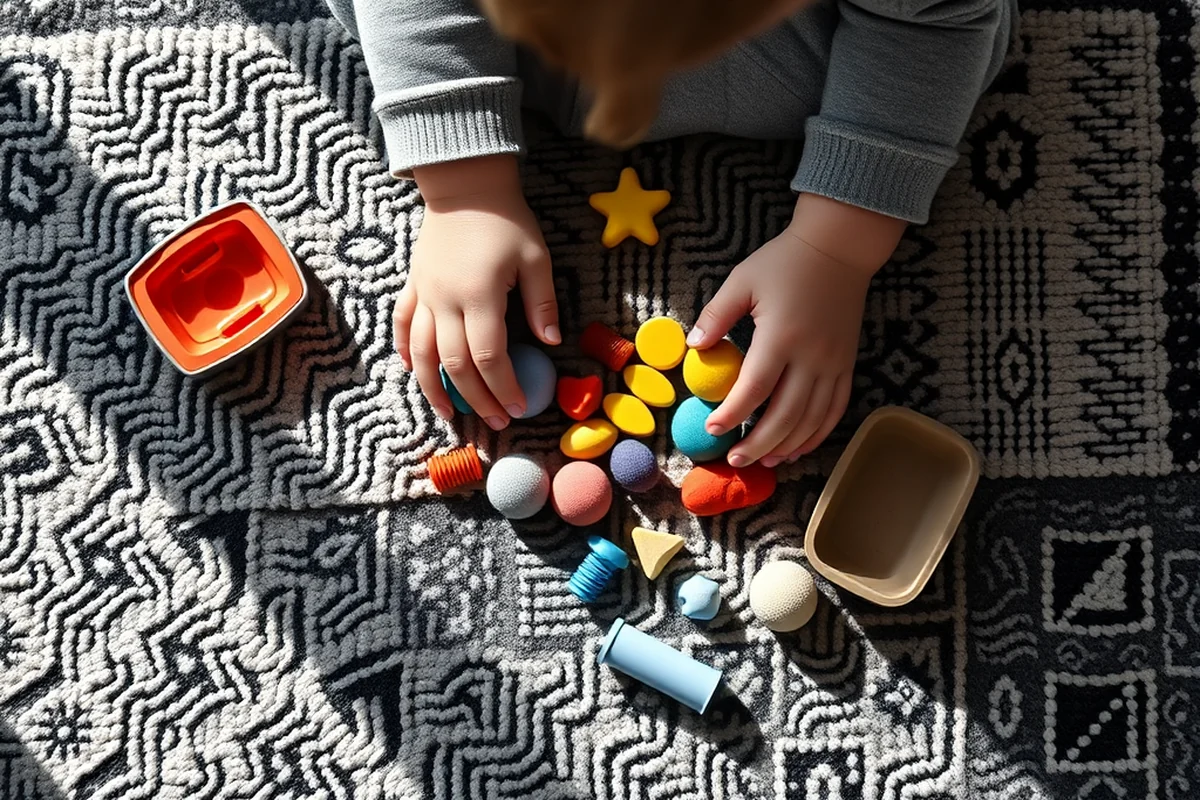
I've had moments where my child has refused to participate in sensory play, and it's been frustrating. I've noticed that this usually happens when they're tired, overstimulated, or just not in the mood. In the past, I've pushed too hard, which only made things worse. Now, I've learned to respect my child's boundaries and take a step back when they're not ready. I've found that giving them time to rest or shifting to a different activity can help them come back to sensory play later with more enthusiasm.
I've also learned that sometimes the issue is not the activity itself, but the way I'm introducing it. I used to try to push my child into sensory play with the idea that it was 'good for them.' But that approach didn't work. Now, I try to make sensory play more inviting by letting my child choose the materials and the activities. This has helped reduce resistance and made the experience more enjoyable for both of us.
I've also noticed that sometimes the way I set up sensory play can affect my child's willingness to participate. If the setup is too overwhelming or too messy, it can be a turnoff. I've started using a low table or a mat on the floor, which has made the experience more accessible and less intimidating for my child. This small change has made a big difference in how they approach sensory play.
Related: Sensory play phases tips
Making It Last: How to Keep Sensory Play Engaging
I've found that keeping sensory play engaging is all about variety and creativity. I used to stick to the same few materials, but that got old fast. Now, I try to rotate the materials every few days and introduce new textures and colors. This has helped keep my child interested and excited about sensory play. I've also found that adding simple props, like small toys or animals, can make the experience more engaging and fun for my child.
I've also learned that combining sensory play with storytelling or imaginative play can make the experience more meaningful. For example, I've created a pretend beach scene with sand and shells, and my child loves pretending to be a digger or a pirate. This has helped turn sensory play into a more interactive and creative experience. I've noticed that my child is more likely to engage with sensory play when it's part of a bigger story or activity.
I've also found that involving my child in the setup and cleanup of sensory play can make the experience more enjoyable. I've started letting my child help me organize the materials and choose the next activity. This has helped make sensory play a more collaborative and fun experience. It's also helped reduce the stress and mess that can come with sensory play, as my child is more invested in keeping everything tidy.
🧸 Gentle Approach
Ideal for sensitive children or when starting out. Focuses on low-stimulus, safe materials and slow, guided exploration.
⏱️ Fast-Track Setup
For parents who want to get sensory play up and running quickly. Uses pre-made kits and minimal setup time.
🧳 Travel/On-the-Go
Perfect for parents who are always on the move. Uses portable, easy-to-clean materials that can be taken anywhere.
👶 Multiples
Designed for parents of multiple children. Encourages shared play and includes materials that work well for different ages and abilities.
🔄 Regression Reset
For parents who want to revisit sensory play after a break. Helps rekindle interest with fresh ideas and new materials.
| The mistake | Why it happens | The fix |
|---|---|---|
| Overloading your child with too many new materials at once. | This can lead to overstimulation and resistance to sensory play. | Introduce materials gradually and let your child explore at their own pace. |
| Ignoring your child's signs of discomfort or resistance. | This can make your child feel misunderstood or overwhelmed, leading to negative associations with sensory play. | Respect your child's boundaries and take a break when they need it. Come back later with a different approach. |
| Using unsafe materials like small beads or glitter without supervision. | These materials can be a choking hazard for young children, especially toddlers. | Avoid using small or choking hazards unless you're closely supervising your child. Choose safe, manageable materials instead. |
| Not preparing for the mess that comes with sensory play. | This can lead to frustration and a lot of cleanup time, making sensory play less enjoyable for both you and your child. | Always prepare with a tarp, cleaning supplies, and a low table or mat. This helps keep everything contained and makes cleanup faster. |
Related: Sensory play phases checklist
Sensory Play Troubleshooting Guide
Related: Sensory play troubleshooting phases mistakes to avoid
Common Questions
How do I know if my child is overstimulated during sensory play?
What are some safe materials to use for sensory play with toddlers?
How can I make sensory play more engaging for my child?
What should I do if my child refuses to participate in sensory play?
References
- Early Childhood Activities | City of Hillsboro, OR (hillsboro-oregon.gov)
- The Powerful Role of Play in Early Education (cde.ca.gov)
- Wisconsin Model Early Learning Standards Fifth Edition (dpi.wi.gov)
Cite this guide
PlayMessy (2026). Sensory Play Troubleshooting Guide. https://playmessy.com/sensory-play-troubleshooting-guide/
Feel free to cite or share this guide.