Simple Sensory Play Phases
📖 Table of Contents
I remember the first time my daughter stared at a puddle of rainwater like it was a portal to another dimension. Her eyes were wide, her hands hovering just above the surface, as if she were afraid to break the spell. It was in that moment I realized sensory play wasn’t just about fun — it was about discovery, about learning how the world feels, sounds, and moves. Simple sensory play phases have become the backbone of our daily routines, helping my child explore textures, colors, and even gravity in ways I never imagined.
When I started experimenting with sensory bins, rice, and kinetic sand, I was surprised by how quickly my daughter’s attention span grew. What began as a few minutes of fiddling with containers turned into full-fledged explorations of materials and movement. These phases aren’t just about filling a bin with stuff — they’re about creating a safe space for curiosity and growth. And as the weeks went by, I noticed that the phases themselves had a rhythm, a pattern, that I could almost predict.[1]
Now, I see the phases as an evolving journey. From the first days of pure fascination, to the point where she begins to mix materials. Finally to the stage where she starts asking questions like, 'What happens if I pour this over there?' Simple sensory play phases have become more than just a way to keep my toddler entertained — they’ve become a tool for building cognitive and emotional skills, one texture at a time.
Why You'll Love This Approach
- It builds foundational skills through hands-on exploration
- It adapts to your child’s current developmental stage
- It’s low-cost and easy to implement with everyday materials
- It fosters emotional regulation through sensory engagement
What Are Simple Sensory Play Phases?
As of August 2026, when I first introduced my daughter to sensory play, she would stare at the materials for minutes, touching them with her fingertips and watching how they moved. It wasn’t long before she started making piles, then mixing them, and finally using them to build mini structures. These phases are not random — they follow a predictable pattern, and understanding them helps parents know what to expect.
Each phase can last anywhere from a few hours to a few days, depending on the child’s interest and development. During the initial phase, there’s a lot of observation and hesitation. The next phase is about experimentation — trying to mix, stack, or roll the materials. The final phase is where the child starts to ask questions and create with intention.
In my experience, the first shift in play usually happens within three days. That’s when the child moves from just exploring to actively experimenting with the materials, and it’s a sign that they’re beginning to understand cause and effect.
Watch your child closely during the first few days — the moment they start stacking or mixing is the sign that they’re entering the next phase of exploration.
Part of our Sensory play troubleshooting phases guide.
How to Recognize the Early Phases
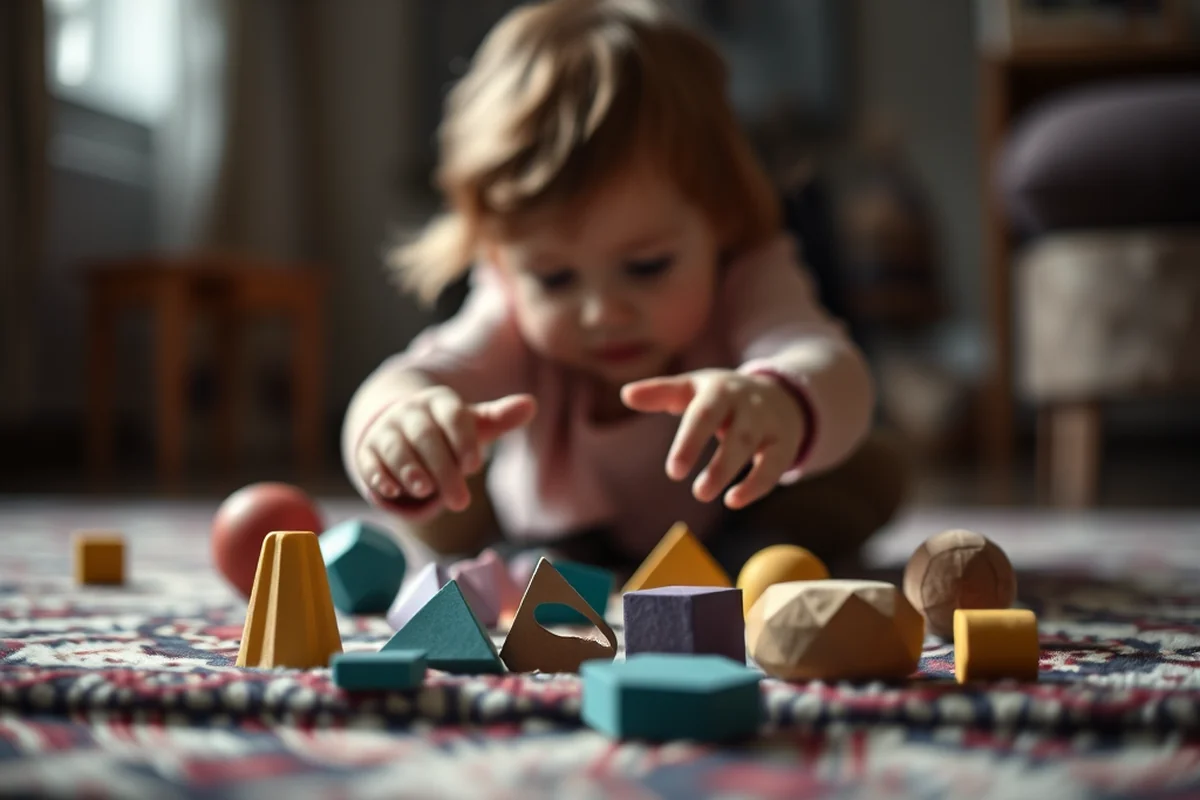
In the early stages, my daughter would sit in front of the sensory bin for minutes, watching the materials move or shift. She wouldn’t touch them right away — she’d just stare, as if trying to figure out what they were. This phase is crucial because it helps children process what they’re seeing and feeling.
During this time, you might notice your child pointing at the materials or commenting on the colors. They might not touch them yet, but they’re learning through observation. It’s not about immediate interaction — it’s about building awareness.
I’ve found that this phase often lasts between 18 to 30 minutes. It’s the time when the child is just beginning to understand the texture and weight of the materials. Once they start touching them, the next phase begins.[2]
The first phase is about watching — not touching, not moving, just learning through sight.
Related: How to sensory play phases
Related: Sensory play troubleshooting checklist
Related: Sensory play troubleshooting phases examples
Related: Easy sensory play troubleshooting phases
The Experimentation Phase: What to Expect
Once my daughter started touching the materials, the experimentation phase kicked in. She would scoop them up, roll them in her hands, and even try to stack them. This phase is all about testing boundaries — how far can she push the materials, how much weight they can hold, and how they behave when moved.
During this phase, you’ll see your child making mistakes — and then learning from them. They’ll spill things, mix materials together, and then try to undo what they’ve done. It’s a time of trial and error, but it’s also where real learning happens.
I’ve noticed that this phase can last anywhere from a few hours to a full day. It’s a time when the child is actively exploring and trying to understand the world through their hands.
This is the time to step back and let your child experiment. Even if they spill or mix materials, it’s part of the process. Encourage them to try again — it builds resilience.
“I remember the first time my daughter stared at a puddle of rainwater like it was a portal to another dimension.”— PlayMessy editors
Related: How to sensory play troubleshooting
Related: Sensory play troubleshooting for beginners
Related: Easy sensory play phases
Related: Sensory play troubleshooting phases tips
The Creation Phase: Purposeful Play Begins
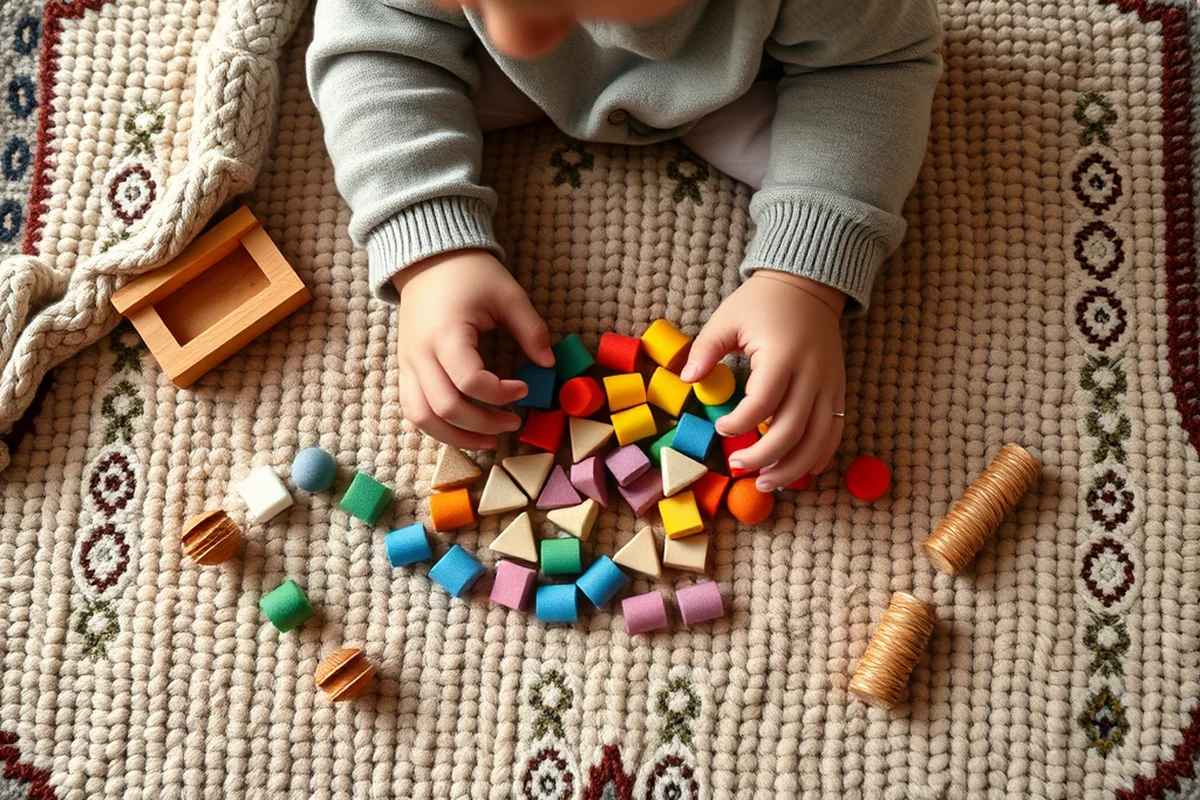
This is the phase where my daughter started to build things. She would sort the materials by size or color, then stack them into towers or create patterns. It was no longer just about touching the materials — it was about making something with them.
This phase is important because it shows that the child is beginning to think about structure and order. They’re not just playing — they’re creating, and that’s when the real cognitive development takes place.
I’ve seen this phase last for up to a few days, depending on the child’s focus. It’s a time when they’re building skills like fine motor control, problem-solving, and even early math concepts like sorting and grouping.
Related: Sensory play phases tips
Related: Sensory play troubleshooting phases printable
Related: Budget sensory play troubleshooting
The Reflection Phase: When Play Becomes Meaningful
One day, my daughter looked at me and asked, 'What happens if I pour this over there?' That was the moment I knew we’d reached the reflection phase. It was when she started to think about cause and effect, and when play became more than just a pastime — it became a way of learning.
During this phase, your child may begin to talk about what they’re doing, ask questions, and even explain their actions to you. It’s a sign that they’re beginning to connect the sensory experience to abstract concepts like gravity, movement, and texture.
This phase can vary in length — sometimes it only lasts a few hours, but other times it can last for days. It’s the time when the child starts to make meaning from their play, and when parents can support deeper exploration.
🐢 Gentle Play
For children who need time to process, this phase focuses on slow, deliberate exploration with minimal pressure.
⚡ Fast-Track Play
Ideal for children who quickly move through phases, this approach introduces new materials frequently to keep them engaged.
🧳 Travel Play
Easy-to-pack sensory kits that use travel-safe materials and can be used on the go, even in airports or car rides.
👯♀️ Multiples Play
Designed for families with more than one child, this variation uses shared materials and encourages collaborative exploration.
🔄 Regression Reset
A return to earlier sensory play phases can help children who are struggling with transitions or sensory processing issues.
| The mistake | Why it happens | The fix |
|---|---|---|
| Forcing your child to move through phases too quickly | Each phase is important for development — rushing them can lead to frustration and disengagement. | Let them explore at their own pace. Provide materials and step back to let them lead the play. |
| Not allowing your child to make mistakes | Mistakes are a natural part of learning — avoiding them can hinder problem-solving skills. | Encourage experimentation and let them try again. Say things like, 'That didn’t work — what can we try next?' |
| Introducing too many new materials at once | Overstimulation can lead to sensory overload and disinterest in play. | Introduce one new material at a time, and give your child time to explore it fully before adding more. |
| Not recognizing the reflection phase | This phase is crucial for cognitive development — missing it can slow learning progress. | Look for signs like asking questions or creating structures. Support their curiosity by engaging in conversations about their play. |
Related: Sensory play phases checklist
Related: Sensory play troubleshooting phases for small spaces
Related: Best sensory play phases
Simple Sensory Play Phases
Related: Sensory play troubleshooting phases mistakes to avoid
Related: Affordable sensory play troubleshooting phases
The Transition Phase: Bridging Play and Learning
This phase marks when sensory play begins to intertwine with academic skills, like recognizing shapes, numbers, or letters through tactile experiences.
During the Transition Phase, children start connecting sensory exploration with cognitive development. I noticed this when my daughter began matching colored blocks to numbers on a counting mat—she was still playing, but now there was a clear purpose. This phase is usually between ages 3 and 5, and it’s when play becomes a tool for learning. I’ve found that using materials like sand timers, magnetic letter tiles, or textured number cards helps make abstract concepts more tangible. These items are not only engaging but also support early literacy and numeracy skills in a way that feels natural and fun.
In this phase, it’s important to balance guided and unstructured play. I’ve found that setting up a few focused activity stations—like a sensory bin with hidden letters or a water table with measuring cups—encourages kids to explore while subtly reinforcing learning goals. I once set up a station with playdough and number stamps, and within minutes, my son was forming shapes and numbers on his own. This phase is also a great time to introduce simple cause-and-effect toys, like lever-operated water pumps or shape sorters, which build motor skills and early problem-solving abilities.
Parents might be tempted to push learning too hard during this phase, but it’s crucial to maintain the joy of play. I’ve seen this go wrong when a child becomes frustrated if they can’t complete a task. To keep it light, I allow my daughter to explore freely and only introduce structured learning when she shows interest. For example, we might spend a day exploring textures in a sensory bin, and if she asks, ‘What’s that?’ I’ll label the materials. This keeps the learning gentle and child-led, which makes it more effective in the long run.
Common Questions
How do I know when my child is ready to move to the next phase?
What should I do if my child seems stuck in one phase for too long?
Is it normal for my child to skip a phase?
How can I support my child during the reflection phase?
References
- Preschool Science Center Materials List (jfd.jacksonms.gov)
- Migraine: MedlinePlus Genetics (medlineplus.gov)
Cite this guide
PlayMessy (2026). Simple Sensory Play Phases. https://playmessy.com/simple-sensory-play-phases/
Feel free to cite or share this guide.