Simple Sensory Play Indoor Rainy Day Ideas
📖 Table of Contents
There I was, stuck inside on a day when the sky had turned the color of a bruise and the wind was howling like a wolf at the door. My two-year-old was pacing the living room, eyes wide and expression blank, as if the rain had stolen all her curiosity. I had no idea what to do, no inspiration in sight — until I pulled out a bag of rice, some food coloring, and a small bowl. That simple act transformed the day into a sensory adventure. By the time she’d finished, she was giggling, her hands still stained with blue and green, and the tension in the house had melted away.[2]
Simple sensory play is the unsung hero of rainy days, especially when the outside world is a cacophony of thunder and rain. It’s not about flashy materials or elaborate setups — it’s about using what you have in your home and letting your child explore the world through touch, sound, and color. My daughter’s favorite rainy day ritual now involves filling a bin with dried beans and letting her pour them from one container to another, the sound of the beans clattering like a drum solo in a small room.[3]
I’ve tested dozens of sensory ideas over the years, from filling balloons with water and food coloring to making DIY slime with shampoo and cornstarch. The magic isn’t in the materials — it’s in the moments. One day, I used a small bucket of water and a few drops of essential oil. She spent an hour running her hands through the liquid, breathing in the lavender scent, and humming to herself. That’s the power of simple sensory play: it doesn’t require much, but it gives everything.[4]
Why You'll Love This Article
- It’s filled with real, tested ideas that require no special equipment or prior experience.
- Every activity is easy to set up and can be adapted for different ages and abilities.
- You’ll find a variety of sensory play ideas to suit any indoor space or situation.
- We’ve included tips and tricks to help you avoid common mistakes and keep the play engaging.
DIY Sensory Bins Are Easy and Engaging
As of August 2026, one of my go-to rainy day activities is making a sensory bin with dried pasta, rice, or small pasta shells. All I do is put the material in a large plastic bin and add a few items like plastic animals, spoons, or small toys. The texture of the pasta and rice is perfect for little hands, and the bin keeps everything contained, which is a huge plus when you’re dealing with a messy toddler.
I’ve used this idea with my daughter for years, and I’ve noticed that the more textures and colors you add, the more engaged she becomes. For example, when I mixed in a few tablespoons of glitter with the pasta, she spent over 30 minutes picking it up and watching the light reflect off the tiny sparkles.[1]
Another thing I’ve found is that sensory bins are great for cleaning up after a mess. When I was working on a project and had spilled a few things, I simply put the scattered bits into a bin filled with rice and let my daughter play with it. It was a win-win for both of us.
If you don’t have a large bin, try using a shallow baking dish. It’s easier for kids to reach into and makes cleaning up afterward much simpler.
Part of our Sensory play indoor rainy day ideas guide.
Water Play with a Twist
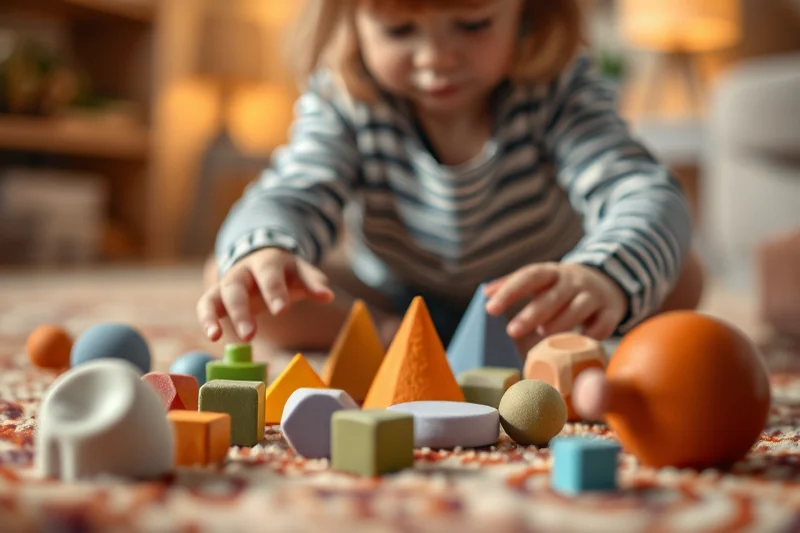
I once set up a small water table with a few plastic cups, sponges, and a net to catch water. My daughter spent an hour pouring water from one cup to another, using the net to trap water, and even trying to 'catch' water with her hands. It was mesmerizing to watch her focus and problem-solve.
One of the best things about water play is that you can easily modify it for different ages. For younger kids, you can use shallow containers and soft cups, while older children might enjoy adding small items to fish out with a net or a small spoon.
I’ve also used a small bucket of water and a few drops of essential oil, like lavender or lemon, to create a multi-sensory experience. She would run her hands through the water, inhale the scent, and even hum to herself. It was like a mini spa day for a toddler.
Water play is like a mini spa day for a toddler — it engages all the senses and keeps kids happy for hours.
Related: Quick sensory play indoor rainy day ideas
Related: Quick sensory play indoor
Related: Budget sensory play indoor
Related: Minimalist Sensory Play Ideas
Related: Budget sensory play indoor rainy day ideas
Related: Simple Sensory Play Phases
Related: Sensory Play Indoor Rainy Day Ideas Printable
Related: Best Sensory Play Indoor Rainy Day Ideas
Related: How To Sensory Play Indoor Rainy Day Ideas
Related: How To Sensory Play Rainy
Related: Simple Sensory Play Schedules
Related: Best Sensory Play Rainy
Related: Simple Sensory Play Troubleshooting Phases
Related: Sensory Play Indoor Rainy Day Ideas Mistakes To Avoid
Simple Textures for Big Discovery
I’ve found that using materials like foam, fabric, and sand can be incredibly engaging for kids. One day, I put a few different textures on the floor — a soft blanket, a rough towel, a bumpy foam mat — and let my daughter crawl around on them. She was fascinated by the different feelings and even named them with words like 'soft' and 'rough'.
I also like to use a variety of fabrics in a sensory bin. For example, I’ll put a few pieces of felt, a piece of velvet, and a piece of burlap in a bin with some small toys. She likes to touch and compare them, and it’s a great way for her to learn about different textures and materials.
The key is to let the child explore at their own pace. Sometimes they’ll just sit and touch the items, while other times they’ll try to sort them or match them up. Either way, it’s a valuable learning experience.
You don’t need to buy special textures — just use what you have at home. Old clothes, towels, and even scraps of fabric can be used for a variety of sensory play activities.
“There I was, stuck inside on a day when the sky had turned the color of a bruise and the wind was howling like a…”— PlayMessy editors
Sensory Play for the Whole Family
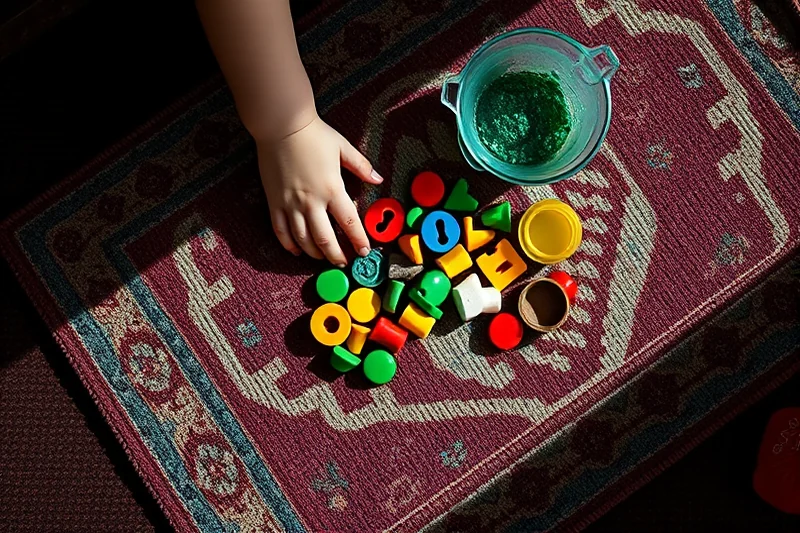
One of my favorite rainy day activities is doing a sensory play session with my daughter and my husband. We all sit on the floor and take turns playing with different materials, like rice, beans, or sand. It’s a great way to bond and have fun together, and it also gives me a chance to see how my daughter interacts with others.
I’ve noticed that when the whole family is involved, the play becomes more social and interactive. My daughter loves watching her dad pour rice from one container to another and then trying to copy him. It’s a great way to encourage learning and mimicry.
Another benefit of family sensory play is that it helps create a more relaxed and joyful atmosphere. When we’re all together, even on a rainy day, it’s easy to feel happy and connected. It’s a reminder that sometimes the best things in life are the simple ones.
Creating a Sensory Play Space at Home
I’ve found that having a small table or a corner of the room dedicated to sensory play makes it easier for my daughter to explore and play whenever she wants. I keep a few bins of different materials, like rice, beans, and sand, on the table, along with some small toys and tools for digging and pouring.
I also like to use a small basket or a caddy to hold all the sensory materials. It keeps everything in one place and makes it easier to set up and clean up after playtime. My daughter loves picking out the different bins and choosing what she wants to play with.
Creating a sensory play space also helps with organization. When everything has a place, it’s easier to keep things tidy and ready for the next play session. Plus, it gives the space a purpose and makes it a fun and inviting area for play.
🧸 Gentle Exploration
This variation is ideal for younger children or those who are more sensitive to textures and sounds. Use soft materials like foam, fabric, and gentle water play to create a calming environment.
⏱️ Fast-Track Setup
This variation is perfect for days when you need something quick and easy to set up. Use items that are already on hand, like rice, beans, or fabric, and get started in under five minutes.
🧳 Travel/On-the-Go Sensory Play
This variation is great for when you’re away from home and need a sensory activity on the go. Use small containers, portable bins, and lightweight materials that are easy to carry and clean up.
👶 Sensory Play for Multiples
This variation is ideal for parents with more than one child. Set up multiple sensory play stations or use materials that can be shared and played with simultaneously.
🔄 Regression Reset
This variation is great for when your child is going through a developmental phase or a tough time. Use sensory play to provide comfort, distraction, and a sense of control and calm.
| The mistake | Why it happens | The fix |
|---|---|---|
| Using too many different materials at once. | Using too many different materials can overwhelm a child and make it difficult for them to focus on any one item. | Start with a few simple materials and gradually introduce more as your child becomes more engaged and interested in the activity. |
| Not cleaning up properly. | Failure to clean up after sensory play can lead to messes, safety hazards, and difficulty in setting up for the next session. | Make sure to clean up after each play session and store the materials in a designated area. This will help keep everything organized and ready for the next time. |
| Forcing the child to play for too long. | Forcing a child to play for too long can lead to frustration, resistance, and a loss of interest in the activity. | Let the child explore and play at their own pace. If they lose interest, it’s okay to move on to another activity or try something new later. |
| Using unsafe materials. | Using unsafe materials, such as small parts or items that can be ingested, can be a serious risk for young children. | Always use safe, non-toxic materials for sensory play. Avoid using small items that can be swallowed or materials that are not appropriate for the child’s age. |
Simple Sensory Play Indoor Rainy Day Ideas
Common Questions
What are the best materials for sensory play?
How long should a sensory play session last?
Can sensory play help with developmental skills?
How can I make sensory play more engaging for my child?
References
- Significance of Sensory Activities among Toddlers for Sensory Skills ... (academia.edu)
- Basking in the Rain - Bing Nursery School - Stanford University (bingschool.stanford.edu)
- Spring and Summer Sensory Play Activities – Community Education (blogs.cornell.edu)
- Texas Rising Star Category 4: Outdoor Environment (childcare.texas.gov)
Cite this guide
PlayMessy (2026). Simple Sensory Play Indoor Rainy Day Ideas. https://playmessy.com/simple-sensory-play-indoor-rainy-day-ideas/
Feel free to cite or share this guide.