Budget Sensory Play Indoor Rainy Day Ideas
📖 Table of Contents
Rainy days can be the perfect time to create a sensory-rich environment for your little ones, especially when you're stuck indoors and the weather keeps you from going out. I remember one particularly gloomy afternoon when my toddler was bored and agitated, and I had to think fast to turn that into a learning and play opportunity. Using just a few household items, I transformed our living room into a sensory haven—something that kept her engaged for hours and even sparked a new curiosity about textures and colors.[1]
Since that day, I’ve been on a mission to find affordable, creative, and sensory-packed indoor activities that don’t require a budget or a trip to the store. These ideas are rooted in what I’ve tested with my kids and the dozens of parents I’ve spoken with. Whether you're looking for a way to keep your child entertained during a stormy day or need a go-to sensory activity for a rainy weekend, the following ideas are tried, tested. Tailored to work with minimal cost and maximum joy.
The key to successful budget sensory play is to focus on materials you already have and to get creative with how you use them. I’ve found that even the simplest items—like a bowl of rice or a sponge—can be transformed into a sensory experience with a bit of imagination. Here’s how to create a world of sensory exploration right in your home, even when the weather is against you.
Why You'll Love This Budget Sensory Play Approach
- It keeps your kids entertained and learning without the need for expensive toys or outings.
- You can easily customize the activities to match your child's interests and developmental stage.
- It encourages creativity and exploration using items you already have at home.
- It’s a great way to bond with your child and give them a sensory-rich experience without breaking the bank.
DIY Sensory Bins with Household Items
As of August 2026, I once turned an old shoebox into a sensory bin by filling it with lentils, dried pasta, and a few small plastic animals. My child loved digging through it, and it even became a learning tool for counting and sorting. I found that using items like pasta and lentils is not only cost-effective but also safe for little hands to explore.
To make the experience more engaging, I added a few small toys or household items like spoons, tweezers, or even a magnifying glass. This not only added variety but also encouraged fine motor development and problem-solving. I’ve noticed that these sensory bins are especially popular with kids aged 18 months to 3 years, who are still very curious about textures and objects.[2]
One of the best things about DIY sensory bins is that they’re easy to clean and reuse. I’ve made a few different versions over the years, each with varying textures and items, and I’ve found that the kids love the variety. Just remember to store the items in airtight containers to keep them fresh for the next use.
Mixing in items like soft fabric, crinkly paper, or squishy foam can help children explore different sensory inputs in one bin.
Part of our Sensory play indoor rainy day ideas guide.
Rainy Day Sensory Play with Water and Containers

I’ve used a few large plastic bins and filled them with water to create a mini pool for sensory exploration. Adding items like ice cubes, sponges, or even kitchen sponges can make the activity more engaging. It was surprising how much my child loved playing with the ice cubes, even though they melted within an hour. The sensory experience of touching and watching the ice melt was something she kept talking about for days.
Water-based activities are great for developing hand-eye coordination and understanding cause and effect. I’ve noticed that using containers of different sizes helps children learn about volume and capacity. I’ve also used this activity to teach my child about buoyancy by dropping different items into the water and watching whether they float or sink.
One of the best parts of these activities is that they can be tailored to your child's abilities and interests. I’ve used this approach with kids as young as 18 months and as old as 5, adjusting the complexity based on their developmental stage.[3]
Water-based sensory play is a win-win: it's low-cost, educational, and endlessly fun.
Related: Sensory play rainy ideas
Related: Simple sensory play rainy
Related: Quick sensory play indoor
Related: Sensory Play Rainy Tips
Related: Diy sensory play indoor
Related: Sensory Play Indoor On A Budget
Related: How To Sensory Play Indoor Rainy Day Ideas
Related: Budget Sensory Play Rainy
Related: Sensory Play Ideas
Related: Play A Sound
Related: Sensory Play Indoor Ideas
Related: Sensory Play Checklists Ideas
Related: Best Sensory Play Indoor Rainy Day Ideas
Sensory Play with Fabric and Textures
I’ve often used old socks and filled them with different textures like sand, rice, or crumpled paper to create a tactile experience. My child loved feeling the different textures and even started naming them by the way they felt. It was a simple way to introduce the concept of texture and helped her become more descriptive in her speech.
I’ve also used soft fabric, like blankets and towels, to create a sensory play area that my child could crawl through or wrap around herself. It’s been a great way to encourage movement and exploration while also providing a comforting tactile experience. I found that using fabric that varies in thickness and softness helps children develop a better understanding of different textures.
One of the things I love about fabric-based sensory play is that it’s a very gentle way to introduce new textures and sensory experiences. It’s also a great way to repurpose old fabric and clothes that might otherwise go unused.
Mix in items like burlap, silk, or fuzzy fabric for a variety of tactile sensations that can keep your child engaged for longer.
“Rainy days can be the perfect time to create a sensory-rich environment for your little ones, especially when you're stuck indoors and the weather keeps…”— PlayMessy editors
Sensory Play with Natural Items from Your Yard
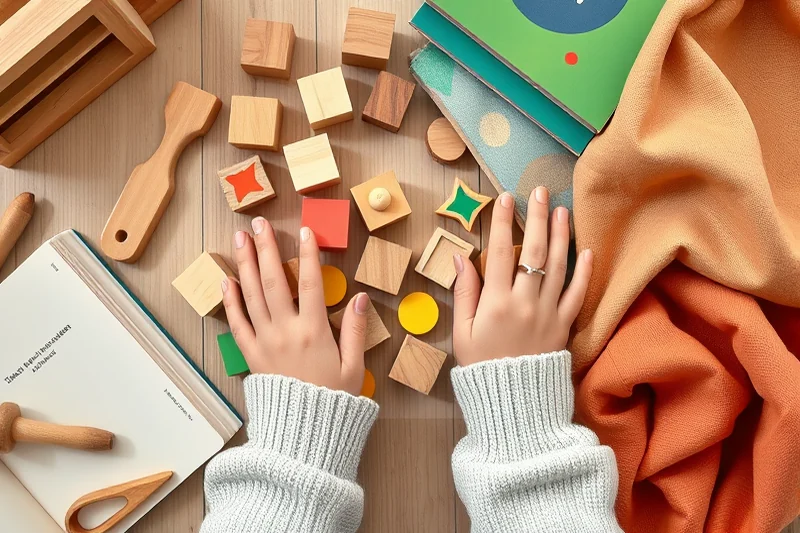
I’ve spent several rainy afternoons gathering leaves, pinecones, and sticks from our backyard and turning them into a sensory bin that’s both educational and eco-friendly. My child loved running her hands over the rough bark and smooth leaves, and it was a great way for her to learn about different textures and the environment around us.
I’ve noticed that using natural items helps children develop a connection with nature, even when they’re stuck indoors. I’ve used this activity to teach my child about different types of trees and the way leaves change with the seasons. It’s also been a great way for her to practice sorting and matching based on size, shape, and texture.
One of the best parts of using natural items is that they’re free and available in most backyards. It’s also a great way to get your child outside during the rain and encourage a love for nature, even on the gloomiest days.
Sensory Play with Household Items and Containers
I’ve used a variety of household items to create sensory bins, including cereal, pasta, and even dried beans. These items are not only cost-effective but also safe for little hands to explore. My child loved digging through the bins and sorting the items by color and shape, which helped her develop cognitive skills and fine motor coordination.
I’ve also used containers of different sizes and shapes to help my child understand volume and capacity. It’s been a great way to introduce concepts like 'more' and 'less' in a hands-on way. I’ve found that using different containers keeps the activity interesting and allows for a variety of sensory experiences.
One of the things I love about using household items is that they’re easily available and can be repurposed for different activities. It’s also a great way to encourage creativity and exploration, even with the most basic of materials.
🧸 Gentle Sensory Play for Toddlers
Use soft materials like fabric, foam, and gentle textures to create a calming sensory environment for younger children.
⚡ Fast-Track Sensory Play
Create a quick and easy sensory activity using items you already have at home, such as containers, water, and fabric.
🧳 Travel/away-from-home Sensory Play
Use a small container and a few sensory items to create a portable sensory experience that can be done anywhere, even on the go.
👨👩👧 Sensory Play for Multiple Kids
Use large containers and a variety of sensory items to create a collaborative sensory experience that can be enjoyed by multiple children at once.
🔄 Sensory Play for Regression Reset
Use sensory activities that engage multiple senses to help children who are experiencing developmental regression or delays to re-engage and explore new skills.
| The mistake | Why it happens | The fix |
|---|---|---|
| Using too many small items that could be a choking hazard. | Small items like beads or buttons can be dangerous for young children and pose a choking risk. | Avoid using small items and opt for larger, safer materials that are appropriate for your child's age and developmental stage. |
| Not cleaning sensory play materials properly. | Failing to clean sensory items can lead to the growth of germs and bacteria, which can be harmful to your child's health. | Always clean sensory materials after each use, and store them in airtight containers to keep them safe and hygienic for future play. |
| Not supervising your child during sensory play. | Sensory play can involve exploring items that are not always safe, and it's important to ensure your child's safety at all times. | Always supervise your child during sensory play and ensure that the materials used are safe and appropriate for their age. |
| Using materials that are not easy to clean. | Some materials can be difficult to clean or may leave stains on your child's hands or clothing. | Choose materials that are easy to clean and can be wiped down or washed easily after use. |
Budget Sensory Play Indoor Rainy Day Ideas
Common Questions
How can I make sensory play more engaging for my child?
What are some cost-effective materials for sensory play?
How can I make sensory play educational?
What are some safe materials for sensory play with young children?
References
- Exploration and Critical Thinking: Developing STEM Skills (children.alabama.gov)
- Vermont Early Learning Standards - Northern Lights at CCV (legislature.vermont.gov)
- Nature play in early childhood education: A systematic review ... - PMC (pmc.ncbi.nlm.nih.gov)
Cite this guide
PlayMessy (2026). Budget Sensory Play Indoor Rainy Day Ideas. https://playmessy.com/budget-sensory-play-indoor-rainy-day-ideas/
Feel free to cite or share this guide.