
How To Sensory Play Routines
📖 Table of Contents
I remember the first time I noticed how my daughter’s eyes lit up when she touched the soft, squishy play dough. It wasn’t just a passing moment of curiosity — it was a full-on sensory immersion, complete with the smell of lavender and the coolness of the material beneath her fingers. That moment was the spark that led me to build a sensory play routine that’s become a cornerstone of our days. It wasn’t about flashy toys or over-the-top activities; it was about creating a space where she could explore, learn, and feel safe. For parents who are looking to introduce sensory play routines into their lives, this guide will help you create a structured, meaningful, and deeply engaging experience for your child.
Sensory play routines are more than just a fun way to spend time with your child — they're essential for their development. I’ve watched my daughter go from being overwhelmed by new textures to confidently exploring them, and it all started with a well-planned routine. These routines don’t have to be rigid or time-consuming. In fact, the best ones are simple, adaptable, and tailored to your child’s unique needs. Whether your child is a sensory seeker or a sensory avoider, the right routine can make a world of difference.
The most rewarding part of building sensory play routines has been the way they’ve helped my daughter grow, both emotionally and cognitively. I’ve seen her develop better motor skills, become more confident, and even start expressing her feelings more clearly. These routines give her a safe space to explore her world and understand herself better. If you’re looking for a way to bring structure, joy, and developmental benefits into your child’s life, this guide is for you. Let’s explore how to create sensory play routines that work for you and your family.
Why You'll Love This Routine Approach
- Boosts developmental milestones through play and exploration
- Provides emotional regulation and self-expression
- Strengthens parent-child bonding and communication
- Offers a flexible and customizable framework
Start with a Calm, Predictable Environment
As of October 2026, My daughter’s favorite time for sensory play is right after a nap, when she’s relaxed and not overstimulated. We set up a small corner of the living room with a soft mat, a few small bins, and a variety of materials. I always make sure that the area is free from distractions and that there are no loud noises or sudden movements around. This helps her feel secure and allows her to focus on the experience at hand.
The predictability of the environment helps her understand what to expect — this consistency is key for children who are new to sensory play or who have sensory processing challenges. We use the same spot every day, and I often say, “Let’s go to our sensory corner,” which signals the start of the routine. It’s a way of giving her a sense of control and comfort.
I’ve noticed that when the environment is calm and predictable, she’s more willing to try new textures and materials. She even started using a small, squishy sensory ball to roll around the mat, which was a huge step forward in her motor development. This calm space is the foundation of our routine.
Use a soft rug and a few favorite sensory items that your child enjoys. Keep the area clear of clutter and other distractions so your child feels safe and focused.
Part of our Sensory play routines schedules guide.
Incorporate a Variety of Textures and Materials
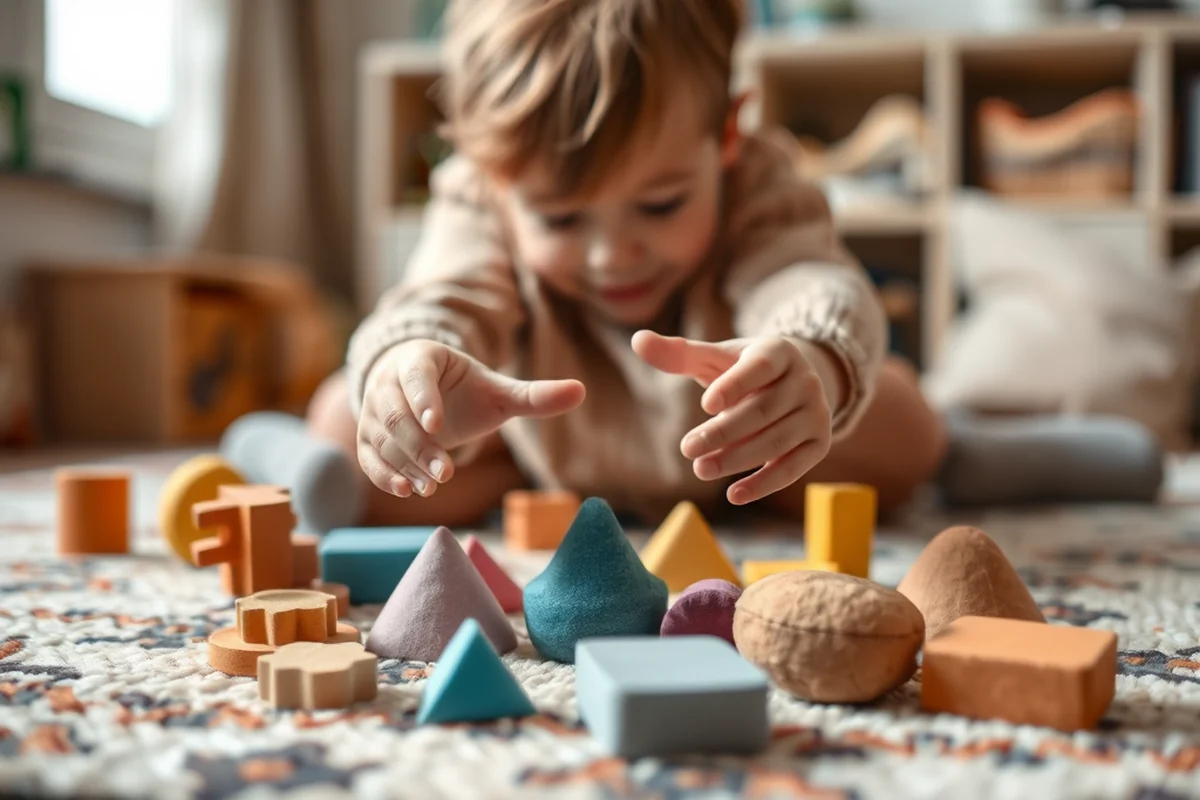
I always make sure to have a few different sensory materials on hand, such as soft fabric, rough sandpaper, squishy play dough. Even a few items that are smooth and cool to the touch. These materials help her understand different textures and build her sensory vocabulary. I’ve noticed that she starts using words like “rough,” “smooth,” and “squishy” more often now that we’re exposing her to these materials regularly.
Variety is key with sensory play. I rotate the materials each week to keep things fresh and exciting. Sometimes we use items from nature, like leaves or pebbles, and other times we use store-bought materials, like sensory bins or sensory bags. This keeps the experience new and engaging for my daughter, and it also helps her develop a better understanding of different textures and sensations.
One of my favorite things to use is a small bin filled with rice or beans. I fill it with a few small plastic animals, and my daughter loves digging through it to find them. It’s a great way to combine sensory play with fine motor skills and problem-solving. I’ve seen her become more confident as she learns to distinguish different textures and materials.
Variety is the spice of sensory play — and it’s also the key to growth.
Related: Sensory play routines schedules for small spaces
Keep the Routine Flexible and Adaptable
I’ve learned that flexibility is one of the most important parts of any sensory play routine. Some days, my daughter is ready for a full 30-minute sensory session, and other days, she’s just too overstimulated and needs to take a break. I’ve made it a point to be flexible with our routine and to listen to her cues. This has helped her feel more in control and more comfortable with the experience.[1]
I also try to adapt the routine based on what she’s interested in at the moment. If she’s in a mood for something calm and quiet, we’ll use soft materials and gentle movements. If she’s feeling more energetic, we might use a sensory ball or a small trampoline to help her release some of that energy. It’s all about finding a balance that works for her and for us.
I’ve noticed that when I’m flexible and adaptable, she’s more willing to engage with the routine and more likely to enjoy it. It’s not about following a strict schedule — it’s about creating a space where she can explore and play on her own terms.
Pay attention to your child’s body language and verbal cues. If they seem overwhelmed, take a break. If they’re engaged, keep going. Flexibility is key to creating a successful routine.
“I remember the first time I noticed how my daughter’s eyes lit up when she touched the soft, squishy play dough.”— PlayMessy editors
Related: Budget sensory play schedules
Use a Variety of Sensory Activities to Keep Things Engaging
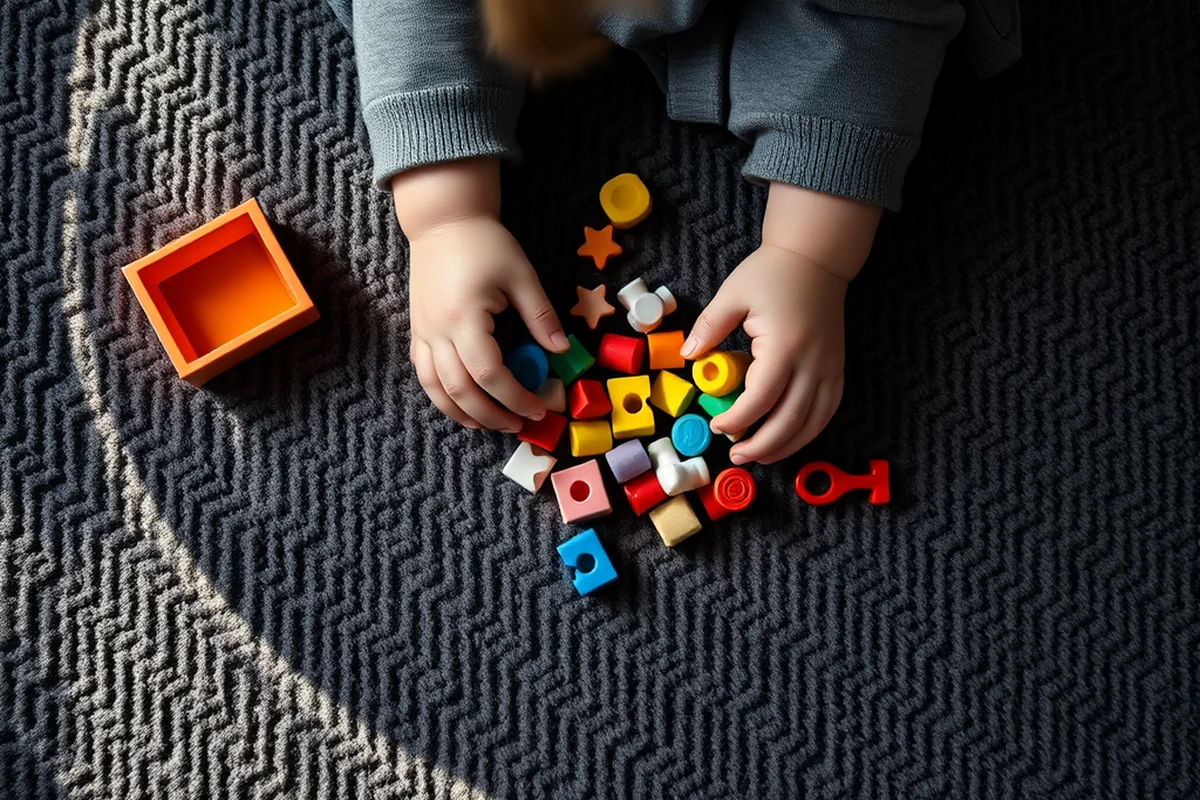
I’ve found that mixing up the types of sensory activities we do helps keep things fresh and interesting for my daughter. Some days, we use sensory bins filled with rice or beans, and other days, we use a small trampoline or a sensory ball. I also sometimes use a small bin with water and a few floating items, which she loves to play with.
Including a variety of activities also helps her develop different skills. For example, using a sensory ball helps her work on her motor skills and coordination, while using a sensory bin helps her practice digging and sorting. I’ve noticed that she’s becoming more confident and more willing to try new things as we mix up our activities.
I’ve also started incorporating some simple sensory games, like finding hidden objects in the sensory bins or using a blindfold to explore textures with her hands. These games add a fun challenge and help her develop problem-solving skills. I’ve seen her become more independent and more confident as we play these games together.
Related: Sensory play routines mistakes to avoid
Make It a Time for Bonding and Communication
I’ve made it a point to use sensory play routines as a time for bonding and communication with my daughter. We talk a lot during our sessions, and I always make sure to ask her questions about what she’s feeling and what she likes. This helps her develop her language skills and also gives me a chance to understand her better.
I also use these routines to teach her new words and concepts. For example, I’ll point out different textures and name them, or I’ll describe the colors and shapes of the materials we’re using. This helps her build her vocabulary and also helps her make connections between different things.
One of the most rewarding parts of our sensory play routine is the way it’s helped us bond. I’ve noticed that she’s more willing to talk to me now, and she’s even started using more complex sentences. I’ve seen her develop a stronger sense of self and a deeper connection with me through these routines.
🧘 Gentle Routine
Perfect for children who are sensitive to overstimulation. Focus on calm, slow, and predictable activities.
⏱️ Fast-Track Routine
Ideal for busy parents who want to incorporate sensory play quickly and efficiently into their day.
🧳 Travel/away-from-home Routine
Designed for families on the go. Use portable sensory materials that can be taken anywhere.
👶 Multiples Routine
Tailored for parents with more than one child. Create a shared sensory play space that works for all of your children.
🔄 Regression Reset Routine
Helps children who are experiencing a developmental regression. Focus on re-establishing familiar sensory patterns.
| The mistake | Why it happens | The fix |
|---|---|---|
| Using too many materials at once | This can overwhelm your child and make the experience less enjoyable. | Start with a few simple materials and gradually introduce new ones as your child becomes more comfortable. |
| Forcing your child to participate | This can make the experience stressful and turn your child off from sensory play altogether. | Let your child lead the way and be open to their preferences and comfort levels. |
| Not being consistent with the routine | Inconsistency can make it harder for your child to understand and engage with the routine. | Try to keep the routine as consistent as possible, even if it means adjusting it slightly to fit your family’s schedule. |
| Ignoring your child’s cues and signals | This can lead to frustration and a loss of interest in sensory play. | Pay close attention to your child’s body language and verbal cues, and be willing to adjust the routine as needed. |
Related: Sensory play routines printable
How To Sensory Play Routines
Related: Sensory play schedules for beginners
Common Questions
How often should I do sensory play routines with my child?
What if my child doesn’t seem interested in sensory play?
How can I make sensory play more engaging for my child?
Can I use store-bought materials for sensory play routines?
References
- The Powerful Role of Play in Early Education (cde.ca.gov)
Cite this guide
PlayMessy (2026). How To Sensory Play Routines. https://playmessy.com/how-to-sensory-play-routines/
Feel free to cite or share this guide.