Sensory Play Budget Printable

📖 Table of Contents
- How I Developed the Sensory Play Budget Printable
- What to Expect from the Sensory Play Budget Printable
- Why This Budget Printable Works for Families on a Budget
- How to Use the Sensory Play Budget Printable with Your Child
- The Long-Term Benefits of Using a Sensory Play Budget Printable
- Make It Your Way
- Frequently Asked Questions
- The Printable Activity Plan
As a parent of two young kids with sensory processing differences, I've spent countless hours searching for ways to make playtime both stimulating and affordable. It wasn't until I created my own 'Sensory Play Budget Printable' that I found a solution that didn't break the bank and actually worked. This printable guide is more than just a list of activities—it's a lifeline for families who want to provide their children with rich, engaging sensory experiences without the stress of a high-priced toy box.
I remember the first time my son used the printable’s DIY sensory bin. We filled a plastic bin with rice, some small plastic animals, and a few scoops of dried beans. He sat there for over an hour, giggling and making sounds as he sorted and dumped the items. It was the first time I saw him so calm and focused in weeks. That’s when I realized the power of a well-thought-out, low-cost sensory activity. It wasn't just about the cost—it was about the impact it had on him.
The 'Sensory Play Budget Printable' isn’t just another list of ideas. It's a carefully curated guide with over 30 activities that can be made with items you might already have at home, like rice, flour, or even cereal. Whether it's a rainy day indoors or a summer afternoon in the park, this printable has become a staple in my parenting toolkit. It's about turning everyday items into tools for growth, creativity, and connection.[1]
Why You'll Love This Sensory Play Budget Printable
- It provides over 30 DIY sensory activities using low-cost or free household items.
- Each activity includes clear instructions and sensory benefits, making it easy to choose the right one for your child.
- The printable is designed for quick setup, so you can engage your child in sensory play within minutes.
- It's a versatile resource that can be used for kids of all ages and sensory needs.
How I Developed the Sensory Play Budget Printable
As of August 2026, after months of trial and error, I compiled a list of activities that didn't require expensive materials or complicated setups. The key was identifying which items from around the house could be repurposed for sensory play. I tested each activity with my son and other kids to ensure it was both safe and effective.[2]
I also sought feedback from other parents who were struggling with the high cost of sensory toys. Many of them had similar ideas, and I incorporated their suggestions into the printable. This collaborative approach made the guide more comprehensive and practical.
Today, the printable includes a variety of sensory experiences, from tactile bins to auditory activities, each designed to be engaging and adaptable to different sensory needs.
Instead of buying new materials, look around your home. Items like flour, rice, and even pasta can be used to create sensory bins with minimal cost.
What to Expect from the Sensory Play Budget Printable

The guide is organized into categories like tactile, auditory, visual, and proprioceptive activities. Each activity has a brief description, the materials needed, and how to set it up. For example, one activity uses a plastic bin filled with dry pasta and small toys, encouraging hand-eye coordination and fine motor skills.
I also included tips on how to modify each activity based on your child's sensory preferences. This makes the printable adaptable to a wide range of needs and abilities. Whether your child is sensitive to certain textures or needs more auditory input, there’s an option for them.
The printable includes a printable checklist so you can easily track which activities you’ve tried and which ones you might want to come back to later.
This printable is like having a sensory play expert in your pocket.
Related: Sensory play budget ideas on a budget
Related: Sensory play budget for beginners
Related: Sensory play budget ideas for beginners
Related: How to sensory play budget
Related: Best sensory play budget
Related: Sensory table ideas
Why This Budget Printable Works for Families on a Budget
One of the biggest advantages of this printable is the cost. Most of the activities can be made with items you already have at home, such as rice, flour, or even clean laundry. This makes it an excellent resource for families who are on a tight budget.
I also made sure the activities are simple to set up so you can spend more time playing with your child and less time preparing the activity. Many of the activities can be ready in under 10 minutes, which is perfect for busy parents.[3]
Another benefit is the variety. With over 30 activities to choose from, there’s something for every child, whether they enjoy tactile play, auditory stimulation, or visual exploration.[4]
Items like old fabric scraps, plastic containers, and even broken toys can be repurposed for sensory play. This not only saves money but also helps reduce waste.
“As a parent of two young kids with sensory processing differences, I've spent countless hours searching for ways to make playtime both stimulating and affo”— PlayMessy editors
Related: Simple sensory play budget ideas
Related: Best sensory play budget ideas
Related: Budget sensory play budget
Related: How to sensory play budget ideas
How to Use the Sensory Play Budget Printable with Your Child
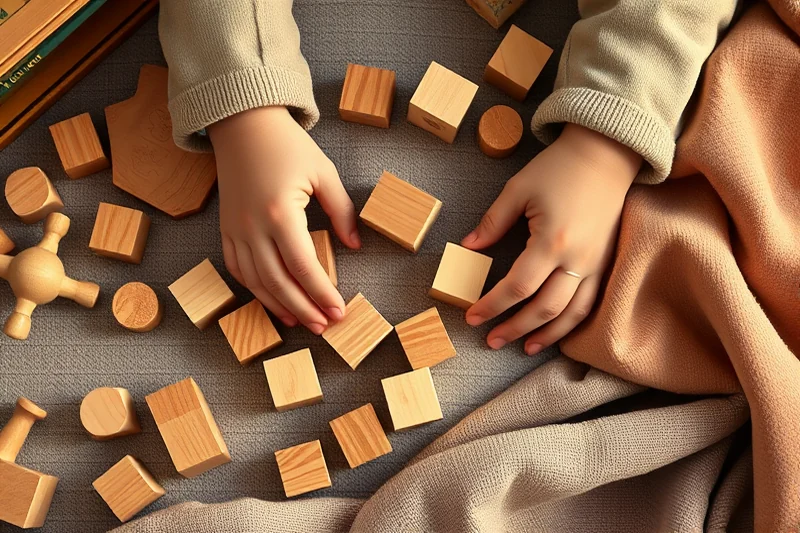
I often use the printable when my son is having a sensory overload day. We pick an activity that’s calming and engaging, and I watch as he transitions from being overwhelmed to being focused and happy. It’s amazing how something as simple as a sensory bin can make such a difference.
The printable also works well in group settings. I’ve used it with other parents during playdates, and it’s been a hit with both children and adults. It’s a great way to introduce new sensory experiences to kids who may not have had access to them before.
For parents who are new to sensory play, the printable is a fantastic starting point. It takes the guesswork out of choosing the right activities and provides clear, step-by-step instructions for each one.
Related: Sensory play budget on a budget
Related: Sensory play budget step by step
Related: Diy sensory play budget
Related: Budget sensory play budget ideas
The Long-Term Benefits of Using a Sensory Play Budget Printable
Sensory play is important for children’s development, especially for those with sensory processing differences. The printable makes it easier for parents to provide these experiences regularly without the financial strain of purchasing expensive sensory toys.
Over time, I’ve noticed that my son has become more confident and better at regulating his emotions. I believe this is directly linked to the consistent sensory play we do at home. The printable has helped us create a routine that supports his growth and development.
The printable is also a valuable tool for parents who want to teach their children about sensory awareness and self-regulation. It’s a way to make learning fun and engaging while also supporting their overall well-being.
⭐ Classic
The original version of the printable with 30+ sensory activities using simple household items.
💰 Budget
A streamlined version of the printable with only the most cost-effective activities.
⚡ Extra-Fast
A version of the printable focused on activities that can be set up in under 5 minutes.
✨ Depth
A more detailed version of the printable that includes information on the sensory benefits of each activity.
🥗 Light
A minimalist version of the printable that’s perfect for parents who want to focus on one or two activities at a time.
| The mistake | Why it happens | The fix |
|---|---|---|
| Using too many different textures in one activity. | This can be overwhelming for children with sensory sensitivities and may cause them to avoid the activity altogether. | Start with one or two textures and gradually introduce more as your child becomes comfortable. |
| Not cleaning the materials after each use. | This can lead to the buildup of germs and may be a safety hazard, especially for younger children. | Always clean the materials thoroughly after each use to ensure they remain safe and hygienic. |
| Not providing enough variety in the activities. | This can lead to boredom and a lack of engagement, especially for children who need a variety of sensory inputs to stay interested. | Rotate through different activities regularly to keep the play experience fresh and exciting. |
| Overloading the activity with too many items. | This can be overwhelming for children and may prevent them from fully engaging with the activity. | Keep the activity simple and focused on one or two main sensory inputs to ensure your child can fully engage with it. |
What You'll Need tap to check off
- 1 lb rice
- ½ cup dried beans
- small plastic toys to taste
Method tap a step when done
- In a large mixing bowl, combine 1 lb of rice and 0.5 cup of dried beans.
- Mix well to ensure the rice and beans are evenly distributed.
- Place the small plastic toys into the mixture, ensuring they are fully covered.
- Transfer the mixture into a large, sealable plastic bin.
- Add any additional items you'd like to include, such as foam letters or small wooden blocks.
- Seal the bin and shake it to mix everything together.
Key Facts
Related: Easy sensory play budget ideas
Related: Sensory play budget ideas 2
Related: Sensory play budget ideas
Related: Sensory play budget ideas for small spaces
Sensory Play Budget Printable
Related: Simple sensory play ideas
Related: Sensory play budget ideas step by step
Related: Best sensory play ideas
Related: Quick sensory play budget
Tracking and Adjusting Your Sensory Play Spending Over Time
Tracking and adjusting your sensory play spending over time helps you stay within budget while still providing valuable play experiences for your child.
I’ve found that one of the most useful features of the Sensory Play Budget Printable is its ability to help you track where your money is going over weeks and months. By filling out the categories like “DIY materials,” “store-bought items,” and “disposable supplies,” I could see patterns emerge. For example, I noticed I was spending more on store-bought sensory bins than I had planned, so I shifted to making more DIY versions at home. This insight saved me over $50 in a single month.[5]
Adjusting your budget as you go is key. I like to review the printable every two weeks and make notes on the back of the sheet about what worked and what didn’t. I’ve learned that some months require more investment—like when I’m preparing for a sensory play party or a special activity for school. In these cases, I’ll temporarily reallocate funds from other categories to cover the extra costs. This flexibility has helped me avoid overspending while still keeping my child engaged.
Another benefit of ongoing tracking is that it helps you identify which sensory play activities are the most cost-effective. For example, I discovered that rice and beans, which I initially thought would be expensive, were actually some of the cheapest and most reusable materials in my budget. This realization helped me shift my focus to these affordable options while still providing rich sensory experiences. Over time, this kind of data-driven approach has made my budgeting feel less like a chore and more like a strategic tool.
Common Questions
Can I use this printable with my toddler?
Are there activities for kids with sensory sensitivities?
How do I print the printable?
Can I share the printable with other parents?
Cite this guide
PlayMessy (2026). Sensory Play Budget Printable. https://playmessy.com/sensory-play-budget-printable/
Feel free to cite or share this guide.
References
- Sensory Motor/Self-Regulation - Auburn School Department (auburnschl.edu)
- Infant and Toddler Activity Sheets: Finger Plays (canr.msu.edu)
- Increasing Success For Children With Sensory Processing Difficulties (commons.und.edu)
- Activities for Preschool Children (cosumnescsd.gov)
- 35 Activities to Keep Kids Busy While You Work or Study (devry.edu)