Sensory Table Ideas
📖 Table of Contents
- What is a Sensory Table and Why It Matters
- How to Choose the Right Materials for Your Sensory Table
- Creating a Themed Sensory Table for Engagement
- Making a Sensory Table Mess-Free and Easy to Clean
- Incorporating a Sensory Table into Daily Routines
- Using a Sensory Table to Support Developmental Milestones
- Keeping the Sensory Table Fresh and Engaging
- Make It Your Way
- Frequently Asked Questions
I remember the first time my daughter sat at our sensory table with a handful of squishy, color-changing playdough. It wasn’t just a table — it was a portal to curiosity, a place where she could explore the world through touch, texture, and sound. Sensory tables have become a cornerstone of my parenting toolkit, especially for the way they help my kids process and understand their environment. Whether it's the tactile thrill of digging through a bin of beans or the joy of watching water swirl around pebbles, sensory tables are more than just a fun distraction — they're a doorway to learning.[1]
Sensory table ideas are endless, but I've learned that the most effective ones are the ones that engage all the senses and spark meaningful interaction. I once filled a table with kinetic sand and tiny plastic tools, and watched my son spend an hour digging, shaping, and even pretending it was a magical desert. He didn't just play — he learned about gravity, texture, and spatial awareness. These moments, though small, have a huge impact on early childhood development. Sensory tables are not just for kids with sensory needs — they're for every child who benefits from hands-on, immersive play.[2]
Over the years, I've experimented with dozens of sensory table ideas, from rice and beans to ice and water. I’ve discovered that the best ones are the ones that are safe, easy to clean, and encourage exploration without overstimulation. I once filled one with cornstarch and water, creating a non-Newtonian fluid that was both squishy and hard, and my kids couldn’t get enough of it. Sensory tables are not just about entertainment — they're about learning, growing, and connecting. Whether you're a first-time parent or an experienced one, there's always something new to discover with the right sensory table setup.[3]
Why You'll Love This Sensory Table Setup
- Encourages exploration and discovery through hands-on play
- Supports early childhood development in multiple domains
- Provides a safe, contained space for messy and immersive play
- Can be easily adapted for different ages and interests
What is a Sensory Table and Why It Matters
As of September 2026, a sensory table is more than just a bin of playdough — it's a carefully curated space for learning and exploration. I set one up in our living room with a shallow tray filled with water, pebbles, and a few plastic animals. Watching my daughter scoop the water and try to balance the animals on the pebbles, I realized how much she was learning without even realizing it. The table became a place of discovery and engagement, where she could experiment with weight, texture, and movement.[4]
The benefits of a sensory table are wide-ranging. From improving hand-eye coordination to fostering creativity, these tables provide a unique opportunity for young children to explore their environment in a safe and controlled way. I’ve noticed that my son, who tends to be more reserved, becomes more confident and engaged when he's at the sensory table. It's a place where he can take risks, make mistakes, and feel empowered.
Setting up a sensory table requires just a few simple materials, but the impact can be profound. I’ve used a shallow plastic tray with a lid. Helps contain the mess, and filled it with a variety of items like rice, beans, and even wet wipes for a quick clean-up. The table became a favorite spot for both kids, and I've seen their engagement and focus improve significantly over time.
Place your sensory table on a low, stable surface like a kitchen counter or a table in the living room. This makes it easy for your child to access and engage with the materials safely.
How to Choose the Right Materials for Your Sensory Table

I’ve tried several different materials over the years, from dried pasta and rice to kinetic sand and water. Each material offers a unique sensory experience and encourages different types of play. For instance, kinetic sand is great for shaping and molding, while rice and beans are excellent for pouring and sorting. I’ve found that mixing different textures and consistencies keeps the play interesting and challenges the child’s sensory processing.
When choosing materials, safety is always a top priority. I’ve made sure to use non-toxic, BPA-free materials that are safe for even the youngest children. I’ve also opted for items that are easy to clean — like plastic bins with lids or shallow trays — which helps make the cleanup process faster and less stressful.
I once filled our sensory table with cornstarch and water to create a non-Newtonian fluid. It was a hit, and the kids loved feeling the mixture change texture as they pressed their hands into it. It was also a great way to teach them about science and the properties of different materials. The right materials can transform a simple table into a magical place of learning and discovery.
The right materials can turn a simple table into a place of learning and discovery.
Related: Sensory play budget ideas 2
Related: Sensory play budget step by step
Creating a Themed Sensory Table for Engagement
I once created a beach-themed sensory table using sand, seashells, and small plastic animals. My daughter was fascinated by the seashells and spent hours digging for them, pretending she was on a real beach. It was a great way to spark her imagination and connect play with real-world experiences.
Themed sensory tables can also be used to support learning in different areas, such as math or science. I filled a sensory table with numbered blocks and a small bucket to create a sorting and counting activity. It was a fun way to reinforce early math concepts without it feeling like a lesson.
Themed sensory tables are a great way to keep the play fresh and engaging. I’ve also used a construction-themed table with blocks, tools, and even small toy vehicles. It was a hit with my son, who loved pretending he was building a city. Themed tables can be a powerful tool for learning and play.
Choose materials that align with a specific theme, such as a beach or a construction site. This helps your child connect play with real-world experiences and spark their imagination.
“I remember the first time my daughter sat at our sensory table with a handful of squishy, color-changing playdough.”— PlayMessy editors
Related: Sensory play budget ideas step by step
Related: Quick sensory play budget
Making a Sensory Table Mess-Free and Easy to Clean
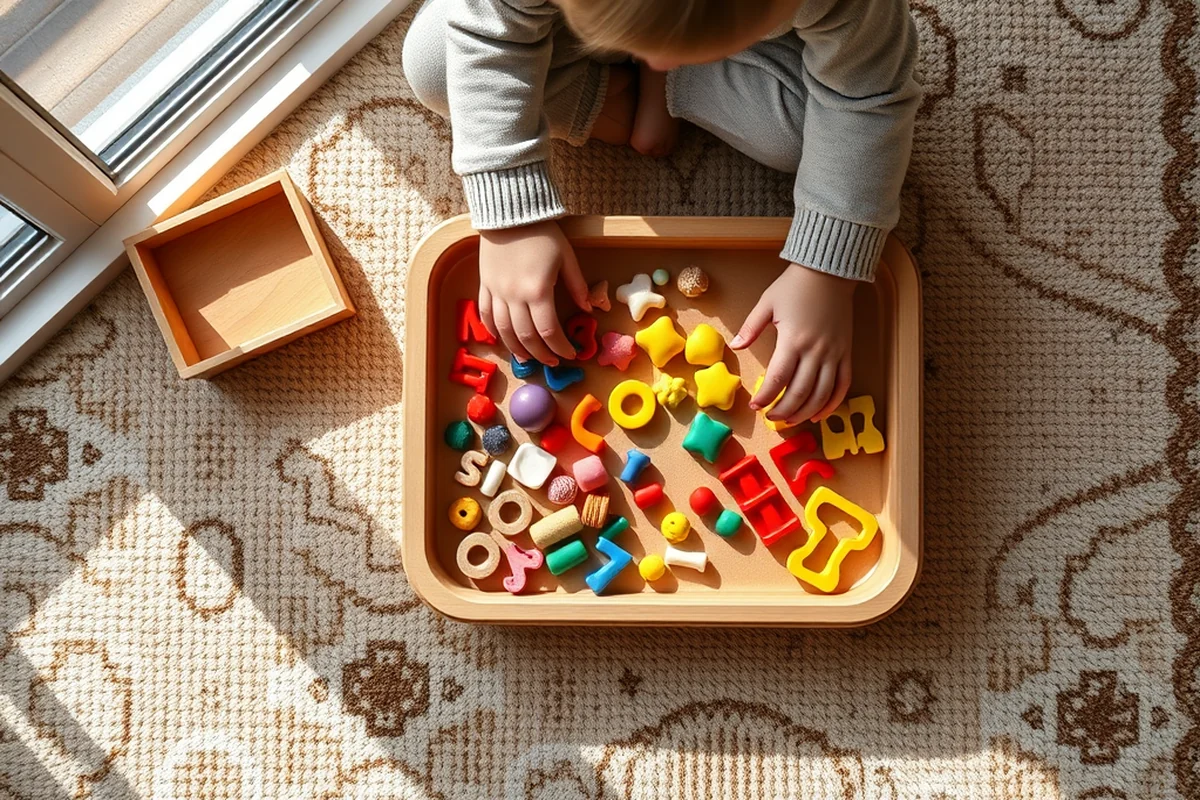
I’ve used a large, shallow plastic tray with a lid to contain the mess and make cleanup easier. It’s the perfect size to fill with various materials without it spilling over. I’ve also found that using a lid helps keep the materials from drying out or becoming a mess.
I’ve tried using a waterproof liner inside the tray to make cleanup even quicker. It’s a simple trick that has made a big difference in keeping the sensory table functional and hygienic. I’ve also used a small bucket nearby to collect spilled materials and return them to the tray with ease.
Another tip I’ve learned is to use washable, non-toxic materials that are easy to clean. I’ve used kinetic sand, water, and even wet wipes for quick cleanups. These materials are not only safe but also make the cleanup process less time-consuming and more manageable.
Related: How to sensory play budget ideas
Related: Sensory play budget ideas on a budget
Incorporating a Sensory Table into Daily Routines
I’ve made a habit of setting up the sensory table in the morning, right after breakfast. It’s a great way to start the day with a little play and learning. I’ve found that my kids are more engaged and focused when they have a routine to follow.
I’ve also used the sensory table as a way to transition between activities, such as after a nap or before bedtime. It’s a great way to help them wind down or get their energy out. I’ve noticed that my daughter is more relaxed and ready for sleep when she spends time at the sensory table before bedtime.
Setting a consistent routine around the sensory table helps your child know what to expect and encourages them to engage with the table more regularly. I’ve found that having a set time each day for sensory play has made a big difference in how much my kids enjoy and benefit from it.
Related: Budget sensory play budget ideas
Related: Simple sensory play budget ideas
Using a Sensory Table to Support Developmental Milestones
I’ve noticed that my son has improved his fine motor skills significantly since we started using the sensory table. He’s more confident in using his hands and has developed better coordination. I’ve also seen him become more patient and focused, which has been a huge win for both of us.
Sensory tables are also a great way to encourage social interaction. I’ve had my kids take turns with the sensory table, which has helped them learn about sharing and cooperation. It’s a simple way to support their emotional and social development.
I once filled the sensory table with a variety of materials to help my daughter develop her problem-solving skills. She had to figure out how to move the materials from one place to another, which was a fun and challenging activity for her. It was a great way to support her cognitive development in a playful and engaging way.
A sensory table is a simple way to support your child's emotional and social development.
Related: Sensory play budget ideas for small spaces
Related: Sensory play budget on a budget
Keeping the Sensory Table Fresh and Engaging
I’ve found that rotating the materials in the sensory table helps keep it fresh and interesting for my kids. I’ll change the materials every few days, which keeps them curious and excited about the table.
I’ve also made it a point to involve my kids in choosing the new materials for the table. It’s a great way to give them a sense of ownership and make them more invested in the play. I’ve noticed that when they help pick the materials, they’re more excited to play and explore.
Another tip I’ve learned is to introduce new themes or materials on a regular basis. I’ve used a variety of textures, colors, and materials to keep the sensory table engaging and stimulating for my kids. It’s a small but effective way to keep the play experience fresh and exciting.
🧸 Gentle Start
A calm and low-stimulation sensory table filled with soft materials like foam and fabric for sensitive or anxious children.
⏰ Fast-Track Fun
A no-fuss sensory table with quick-to-set-up materials like kinetic sand or water for a fast and engaging play session.
🧳 Travel/On-the-Go
A portable sensory table made with lightweight, foldable bins and materials that are safe to travel with, perfect for the car or the park.
👶 For Multiples
A sensory table designed for multiple children, with enough materials and space for all to engage without competition or conflict.
🔄 Regression Reset
A sensory table focused on rebuilding sensory skills and confidence, using familiar and comforting materials for children who have had a setback.
| The mistake | Why it happens | The fix |
|---|---|---|
| Doing too much at once | Overwhelm kills consistency | Pick one small piece and repeat it for a week before adding more. |
| Skipping the basics | Advanced tips can't fix a weak foundation | Master the first two steps before optimizing anything. |
Sensory Table Ideas
Common Questions
Can I use a sensory table for children with special needs?
How often should I change the materials in the sensory table?
What are some safe materials to use in a sensory table?
Can I use a sensory table for educational purposes?
References
- Arizona's Infant and Toddler Developmental Guidelines (azed.gov)
- The Powerful Role of Play in Early Education (cde.ca.gov)
- A PERCEPTUAL CHANNEL FOR INFORMATION TRANSFER ... - CIA (cia.gov)
- Feeds • Chesterfield County, VA (chesterfield.gov)
Cite this guide
PlayMessy (2026). Sensory Table Ideas. https://playmessy.com/sensory-table-ideas/
Feel free to cite or share this guide.