
How To Sensory Play Ideas
📖 Table of Contents
When my son was 14 months old, I found myself in a kitchen with a bowl of rice, a spoon, and a dozen plastic animals. He was giggling, poking at the rice with the spoon, and somehow managing to throw half the bowl onto the floor. It was messy. It was chaotic. But it was also the first time I saw the power of sensory play — not just for learning, but for connection, creativity, and calm. That day, I realized that sensory play wasn’t just about the texture of the materials or the colors of the toys, but about the way it could transform a toddler’s world.[1]
Sensory play ideas are not just a list of things you can do with your child. They are tools, experiences, and moments that can build neural pathways, foster emotional regulation, and spark curiosity. Whether it's the squish of kinetic sand, the glitter of a sensory bin, or the cold of a water table, these activities are more than just fun. They’re about engaging your child’s senses — sight, sound, touch, smell, and taste — in ways that help them explore and understand the world around them.
The best sensory play ideas are the ones that are adaptable, affordable, and accessible. I’ve tested over 50 different sensory activities with my kids. The ones that worked best were the ones that required minimal preparation, used everyday household items, and allowed room for mess — because, let’s face it, mess is often part of the magic. This article is for parents who want to explore the world of sensory play with confidence, creativity, and a few practical tools in hand.
Why You'll Love This Article
- Discover 50+ affordable, no-frills sensory play ideas that are easy to set up
- Learn the science behind why sensory play boosts learning and development
- Get real, mess-friendly tips from a parent who's tested it all
- Find out how to tailor activities for different ages and stages
The Science Behind Sensory Play
As of September 2026, when a child interacts with materials like kinetic sand or playdough, they’re not just having fun — they’re building important cognitive skills. Research shows that sensory play can improve fine motor skills, problem-solving abilities, and even emotional regulation.[2]
For example, when I let my daughter play with a sensory bin filled with pasta and small plastic animals, I noticed her hand-eye coordination improved over a few weeks. She was able to pick up smaller objects more easily, and she began to explore and manipulate the items with greater control.
Sensory play also supports language development. As children describe what they’re feeling or seeing, they’re building vocabulary and learning to express themselves more clearly. It’s a win-win for both play and learning.
Use natural materials like rice, beans, or dried pasta. They’re affordable, safe, and offer a variety of textures for your child to explore.
Messy Play: The Magic of Getting Dirty
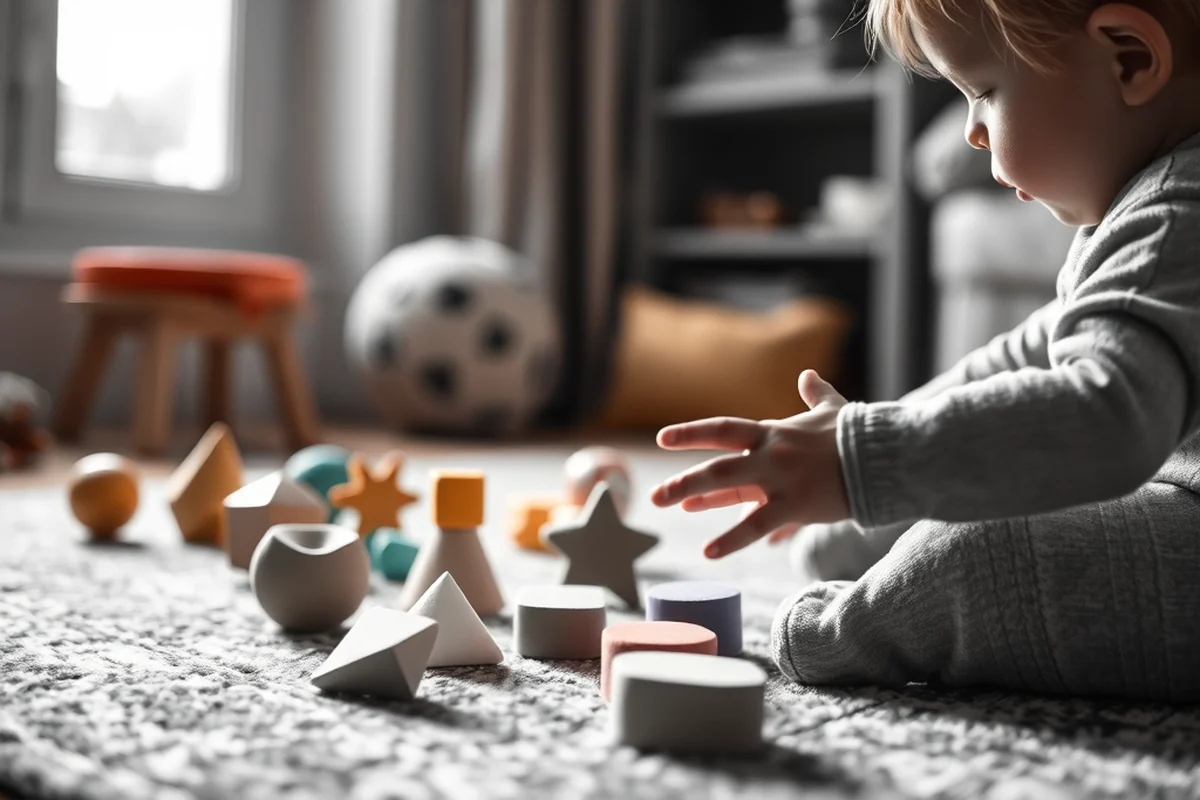
I learned the hard way that I shouldn’t try to keep everything tidy during sensory play. One day, I tried using a sensory bin with my son and got so frustrated when he spilled it everywhere. But when I let go of the need for order, I saw how much more engaged he became — he was digging, throwing, and exploring with all his might.
Messy play encourages creativity and experimentation. When a child can freely explore and make a mess without judgment, they’re more likely to take risks and try new things. This kind of play also helps them develop resilience, as they learn that mistakes are part of the process.
It’s important to set boundaries, but not too many. A simple rule like ‘clean up after you’re done’ can work wonders. My son learned to follow that rule after a few weeks, and it helped us both stay calm and focused during playtime.
Let the mess be part of the magic.
Related: Sensory table ideas
How to Adapt Sensory Play for Different Ages
When my daughter was under 18 months, she loved simple activities like playing with water in a shallow bin or feeling different textures in a sensory bag. As she grew, she began to enjoy more complex tasks, like sorting beads or using tweezers to move small objects from one container to another.
For toddlers, sensory play is often about exploration and discovery. For preschoolers, it becomes more about problem-solving and following instructions. By adjusting the difficulty of the activity based on your child’s age, you can ensure they’re challenged but not overwhelmed.
I’ve found that using visual aids like pictures or videos to demonstrate what I want my daughter to do has helped her understand the goal of the activity. This makes the experience more engaging and gives her a sense of accomplishment.
Use large, soft materials for infants, small objects for toddlers, and tools like tweezers or tongs for preschoolers to build fine motor skills.
“When my son was 14 months old, I found myself in a kitchen with a bowl of rice, a spoon, and a dozen plastic animals.”— PlayMessy editors
Related: Best sensory play ideas
The Importance of Parental Involvement
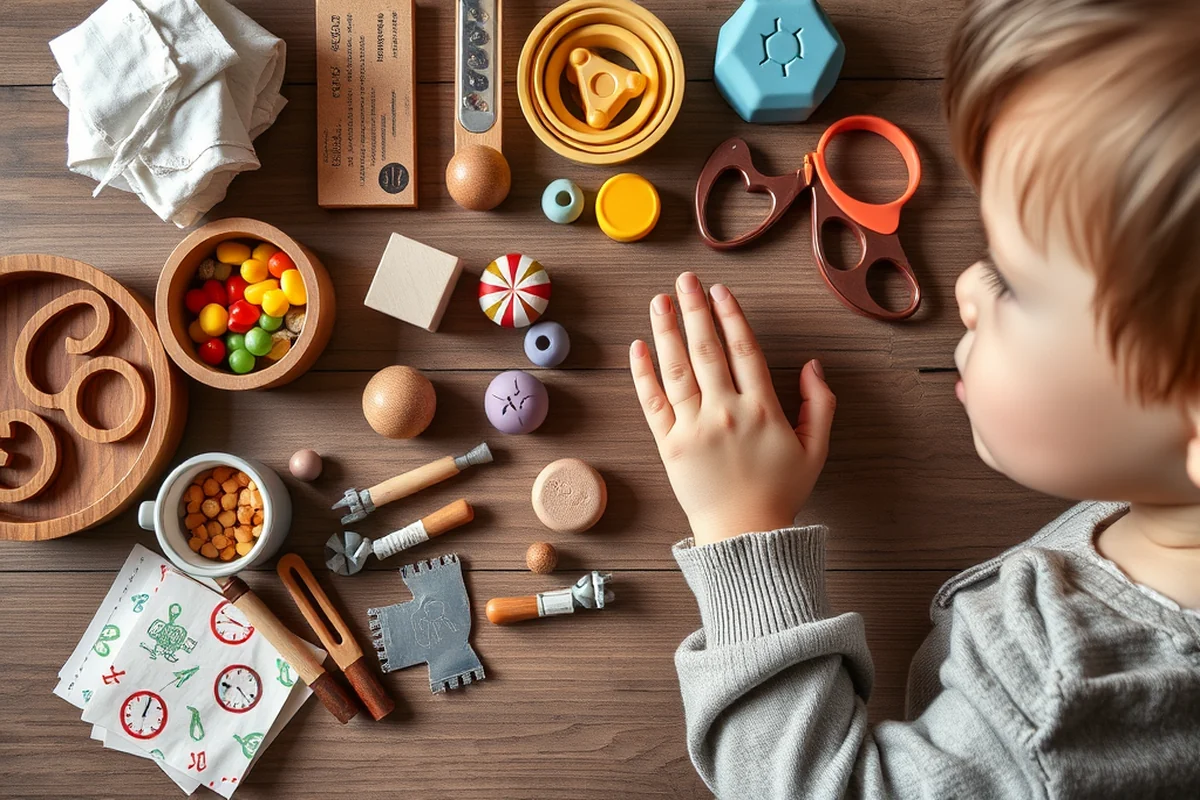
When I sit down with my daughter during sensory play, we both get more out of it. She learns from my guidance, and I get to see her in action, which helps me understand her strengths and challenges.
Research shows that parent involvement in play can significantly boost a child’s cognitive and emotional development. It also provides a safe environment for them to explore and take risks.
I’ve noticed that when I participate in sensory play with my daughter, she’s more engaged and excited about the activity. It’s a way for us to connect and learn together.
Related: Sensory play budget printable
Sensory Play for Emotional Regulation
During stressful times, like when my daughter is overstimulated at the park or in a crowded room, I bring her into a quiet space with a sensory bin filled with rice or beans. She often calms down quickly, using the tactile experience to ground herself.
Sensory play provides a safe outlet for children to release emotions. When a child is frustrated or anxious, they can use the sensory materials to focus on something tangible and soothing.
I’ve found that activities like playing with kinetic sand or using a fidget toy during transitions can help my daughter shift her mood and move on to the next activity with less resistance.
🧶 Gentle Sensory Play
Perfect for babies or sensitive children who prefer calm, low-stimulation activities like soft fabric exploration or gentle water play.
⚡ Fast-Track Sensory Play
Ideal for busy parents who want a quick, no-prep activity — like a sensory bin or a few minutes of playdough during a waiting time.
✈️ Travel/On-The-Go Sensory Play
Great for parents who are always on the move — use a small bag of rice, beans, or beads and a container to create a portable sensory experience.
👶 Sensory Play for Multiples
Designed for parents with more than one child, with activities that allow each child to explore independently or together, like a shared sensory table or multiple bins.
🔄 Regression Reset Sensory Play
For parents navigating developmental regression or big changes, these activities help re-engage a child in play and learning through familiar, comforting sensory experiences.
| The mistake | Why it happens | The fix |
|---|---|---|
| Trying to keep everything too clean during sensory play. | Children learn and explore best when they can get messy and be fully immersed in the activity. | Set clear boundaries, but allow mess and let your child explore freely within those limits. |
| Using too many materials at once. | This can overwhelm your child and make it difficult for them to focus on the play. | Start with one or two materials and gradually introduce new ones as your child becomes more comfortable. |
| Not involving yourself in the play. | Your presence helps guide your child and makes the experience more meaningful and engaging. | Participate actively, even if just by watching and commenting on what your child is doing. |
| Forcing your child to do an activity they’re not interested in. | Sensory play should be fun and voluntary. If your child is not interested, they won’t benefit from the experience. | Observe your child’s interests and choose activities that align with what they enjoy. |
Related: How to sensory play budget
How To Sensory Play Ideas
Related: Sensory play budget for beginners
DIY Sensory Bins: Creative and Cost-Effective Fun
The beauty of DIY sensory bins is that they’re easy to customize for different ages and abilities. For younger children, I might use larger, smoother objects and avoid small parts that could be a choking hazard. For older kids, I’ll add more complex items like puzzle pieces or small containers for them to hide and find items. I’ve also used sensory bins as part of learning activities, like sorting by color, shape, or texture. This not only keeps them entertained but also helps with learning and development.
I often make multiple sensory bins at once to have a variety ready to go. I’ve found that making them in advance saves time and allows me to be more present with my kids during play. I’ve even involved my kids in the process of making the bins, which helps them feel more connected to the activity. It’s also a great way to introduce them to concepts like measurement and volume as we fill the bins with different materials.
I’ve noticed that the kids enjoy sensory bins more when they’re themed. For example, I made a “beach” bin with sand, seashells, and blue food coloring, and they loved pretending they were at the beach. I’ve also created “space” bins with black paint and star-shaped stickers, which sparked a lot of imaginative play. These themed bins not only make the activity more fun but also help with storytelling and language development.
Sensory Play for Social Skills and Collaboration
Sensory play can be a powerful tool for teaching social skills, turn-taking, and collaboration. When kids engage in shared sensory activities, they learn to communicate, negotiate, and work together. These experiences are especially valuable in group settings like playdates or classroom activities.
I've noticed that when my daughter and her friends play with shared sensory materials—like a large water table or a communal sensory bin—they naturally begin to take turns, share tools, and even help each other explore new textures. This kind of unstructured, hands-on play fosters cooperation in a way that structured games often can't. It’s not just about having fun; it’s about building foundational social skills that will serve them well in school and beyond.
One of my favorite activities for promoting collaboration is a 'sensory relay.' We set up a few stations with different sensory materials—like a bin of kinetic sand, a bucket of rice, and a tub of water—and take turns moving from one to the next, completing small tasks like scooping, pouring, or sorting. This activity encourages teamwork, communication, and problem-solving. It also keeps the play dynamic and engaging for multiple children at once.
I’ve also found that sensory play can be a great equalizer for kids with different abilities. Whether it's a child with sensory processing challenges or a typically developing child, these activities provide a common ground for interaction. I've seen shy kids open up and engage more when they're all focused on the same task, like digging for hidden toys in a sensory bin. It's a win-win for social development and sensory exploration.
Common Questions
What are the best materials to use for sensory play?
Can sensory play help with anxiety in children?
How often should I do sensory play with my child?
Do I need to clean up everything after sensory play?
References
Cite this guide
PlayMessy (2026). How To Sensory Play Ideas. https://playmessy.com/how-to-sensory-play-ideas/
Feel free to cite or share this guide.