
Homemade Play Based Preschool Curriculum
📖 Table of Contents
- What is a Homemade Play-Based Preschool Curriculum?
- How to Design a Daily Play-Based Routine
- Incorporating Sensory Play into the Curriculum
- Using Storytelling and Imaginative Play to Teach
- Balancing Structure and Freedom in the Curriculum
- Make It Your Way
- Frequently Asked Questions
- The Printable Activity Plan
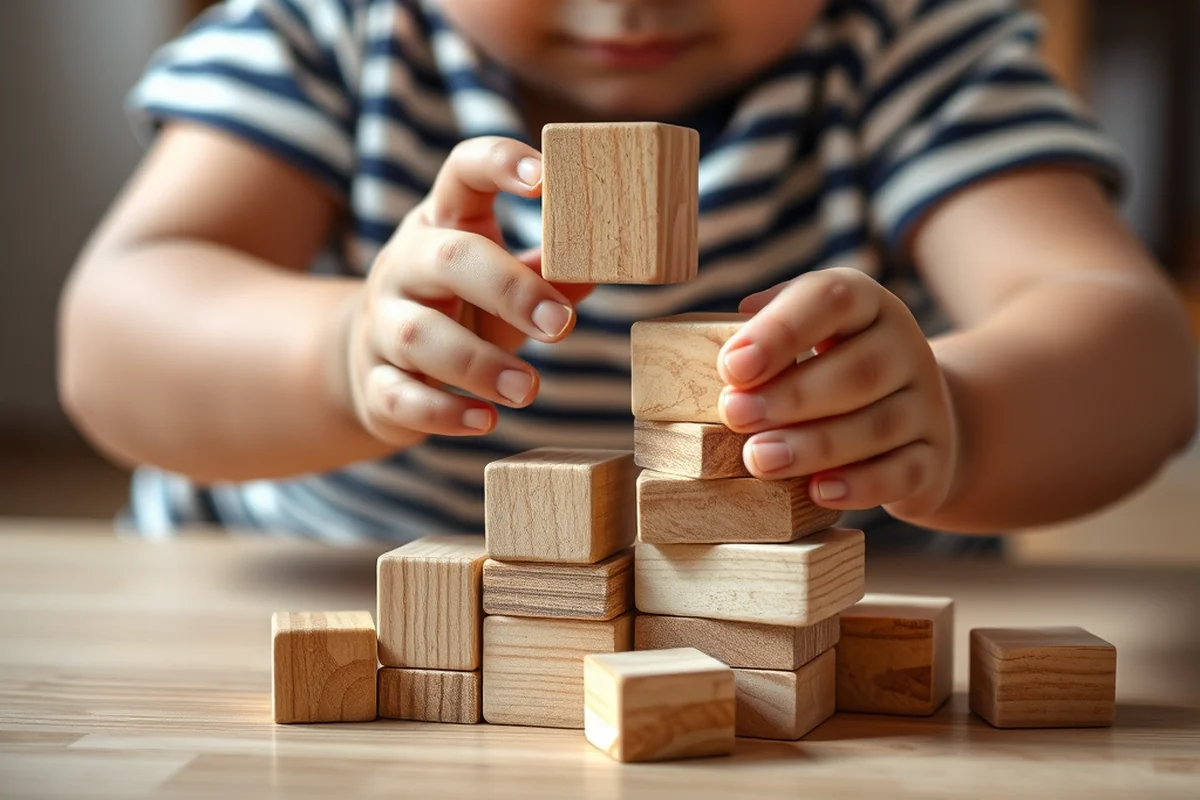
I remember the day I sat on the floor with my 3-year-old, watching her stack blocks into a wobbly tower and then collapse in giggles when it fell over. That moment was a revelation — learning didn’t have to be structured or stressful. It could be messy, loud, and full of wonder. The homemade play-based preschool curriculum I created after that day became the cornerstone of our daily routine, blending creativity, exploration, and early development into something that felt like fun, not work. It wasn’t about worksheets or flashcards; it was about letting her lead the way.[2]
Building a homemade play-based preschool curriculum wasn’t just a parenting experiment — it was a journey of discovery. I started by reading every book I could get my hands on about Montessori, Waldorf. Reggio-inspired approaches, but I quickly realized that what worked best was what my daughter was naturally drawn to. I learned to listen, to observe, and to let her curiosity be the guide. Over time, I crafted a curriculum that mixed sensory play, storytelling, and imaginative activities with the occasional math or letter game. It wasn’t perfect, but it was authentic, and it worked for us.[3]
The best part of this journey was seeing how much my daughter grew — not just cognitively, but emotionally and socially. She started speaking in full sentences, showing empathy to her stuffed animals, and solving problems on her own. I began to see the power of play, and the freedom it gave her to explore at her own pace. That’s when I knew I wanted to share this approach with other parents who might be feeling overwhelmed by the pressure of traditional preschools. A homemade play-based preschool curriculum isn’t just possible — it’s deeply rewarding.[4]
Why You'll Love This Homemade Play Based Preschool Curriculum
- Cost-effective and flexible for any home environment
- Encourages creativity, problem-solving, and emotional intelligence
- Tailored to your child's unique interests and developmental stage
- Promotes a joyful, stress-free learning atmosphere
What is a Homemade Play-Based Preschool Curriculum?
As of August 2026, Unlike traditional preschools, a homemade play-based curriculum doesn’t rely on rigid lesson plans or scheduled activities. Instead, it’s built around the child’s interests, using play as the primary mode of learning. This might involve setting up sensory bins with rice and plastic animals, creating a pretend grocery store with cardboard boxes, or reading picture books that spark imaginative storytelling. These activities are not only fun but also deeply educational, helping kids develop fine motor skills, language abilities, and social-emotional learning.[5]
The beauty of this approach is that it adapts to the child’s pace and preferences. If your child is fascinated by dinosaurs, you can create an entire week of activities around that theme — from drawing and painting to dramatic play and simple science experiments with fossils. This level of customization is rare in traditional settings and makes the experience more engaging and effective for the child.
I’ve noticed that when my daughter is deeply invested in an activity, she learns more in a single session than she ever would from a worksheet. Whether she’s sorting beads by color or pretending to cook with play food, she’s developing skills that will serve her well in school and beyond. It’s the kind of learning that feels effortless — and that’s exactly what a homemade play-based curriculum is all about.
Fill a large bin with rice and hide small plastic dinosaurs inside. Let your child search for them using their hands or a small net. This activity builds fine motor skills and hand-eye coordination, while also sparking curiosity and imagination. You can easily customize the bin with different textures or items based on your child’s interests.
Part of our Sensory play guide.
How to Design a Daily Play-Based Routine

I started by setting up a daily routine that included three main blocks: morning free play, a structured learning activity, and an afternoon creative project. Each day, I let my daughter choose what she wanted to do during free play, whether it was playing with blocks, drawing, or pretending to be a chef. This gave her a sense of autonomy and helped her stay engaged.
For the structured learning activity, I created short, 10–15 minute sessions that focused on a specific skill or concept. These could be as simple as sorting shapes, matching colors, or practicing counting with toys. I found that keeping these sessions short and varied helped maintain my daughter’s attention and made learning feel more like a game than a task.[1]
The afternoon creative project was a time for more open-ended exploration, where I might set up a sensory table, offer art supplies, or encourage dramatic play. This part of the day was the most flexible and often led to spontaneous learning moments, like my daughter pretending to build a house with blocks and learning about spatial relationships along the way.
Let your child lead the way — their interests are the best guide to a homemade play-based curriculum.
Related: Games to play with kids indoors step by step
Related: Play based learning for beginners comparison
Related: Sensory play for beginners ideas
Related: Affordable sensory play definition
Related: Sensory play for babies step by step
Related: Sensory play and child development without tools
Related: Sensory play and child development
Related: Fast sensory play for 6 month old
Related: Sensory play benefits tips
Related: Sensory play for beginners
Related: Natural play based kindergarten curriculum
Related: Play based kindergarten curriculum for beginners
Related: Modern sensory play ideas
Incorporating Sensory Play into the Curriculum
Sensory play involves engaging your child’s senses — touch, sight, smell, taste, and hearing — through hands-on activities. I’ve found that these types of activities not only help with fine motor skills and hand-eye coordination but also support emotional regulation and cognitive development. For example, playing with playdough helps with tactile exploration, while cooking together with flour and water can teach measurement and sequencing.
One of my favorite sensory activities was making a 'mud kitchen' with dirt, water, and leaves. My daughter loved mixing and pouring the materials, and it was a great way for her to practice problem-solving and creativity. Another favorite was creating a 'texture box' with different materials like sand, fabric scraps, and feathers, which helped her explore different sensations and learn to describe them using new vocabulary.
Incorporating sensory play into your daily routine doesn’t have to be complicated or expensive. You can use items you already have at home, like kitchen tools, fabric, or natural materials. The key is to provide a variety of textures and experiences that encourage your child to explore and discover on their own.
Gather a variety of textures — like soft fabric, rough sandpaper, smooth pebbles, and crinkly plastic bags — and place them in a box. Let your child explore them with their hands, and ask them to describe how each item feels. This activity helps with sensory development and language skills, and you can easily customize the box to match your child’s interests.
“I remember the day I sat on the floor with my 3-year-old, watching her stack blocks into a wobbly tower and then collapse in giggles…”— PlayMessy editors
Related: Sensory play and child development for beginners
Related: Play based learning under 30 minutes
Related: Sensory play activities comparison
Related: Sensory play for beginners for families
Related: Sensory play activities for toddlers alternatives
Related: Beginner play based learning benefits
Related: Sensory play activities without tools
Related: Minimalist sensory play ideas
Related: Modern sensory play activities for toddlers
Related: Play based learning list
Related: Top play based learning tips
Related: Play based kindergarten curriculum on a budget
Related: Sensory play for 6 month old under 30 minutes
Using Storytelling and Imaginative Play to Teach
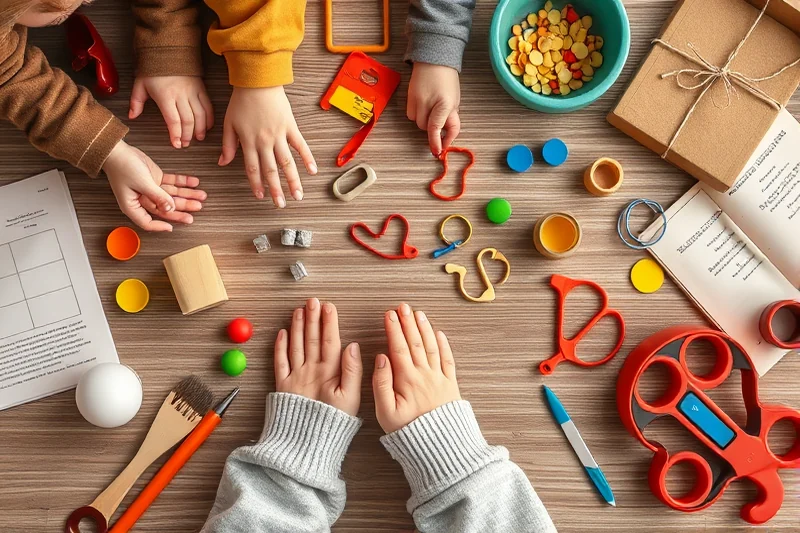
I’ve always believed that stories are a gateway to learning. Whether it’s reading a picture book together or creating our own stories, storytelling helps with language development, empathy, and creativity. I often read a book in the morning, and then let my daughter act out the story with her toys or draw the scenes she imagined. This not only helped her understand the story better but also gave her a chance to express her thoughts and feelings.
Imaginative play takes storytelling a step further by allowing your child to create their own narratives and explore different roles. I’ve seen my daughter pretend to be a doctor, a chef, or an astronaut. Each time, she was learning new things — like how to count, how to follow routines, and how to solve problems. These pretend scenarios are a natural way for your child to practice social skills, learn about the world, and develop emotional intelligence.
By making storytelling and imaginative play a regular part of your routine, you’re giving your child the tools to think critically, express themselves creatively, and connect with others. It’s a fun and effective way to teach without ever feeling like you’re pushing too hard.
Related: Games to play with kids indoors under 30 minutes
Related: Small sensory play for kids
Related: Affordable play based preschool curriculum
Related: Natural play based learning ideas
Related: Natural sensory play
Related: Beginner fun games to play with toddlers indoors
Related: Beginner is play based learning effective
Related: Budget sensory play activities
Related: Cheap play based learning for beginners
Related: Sensory play activities
Related: Sensory play activities for toddlers explained
Related: Is play based learning effective tips
Related: Diy sensory play tips
Balancing Structure and Freedom in the Curriculum
One of the biggest challenges I faced when creating my homemade curriculum was finding the right balance between structure and freedom. I didn’t want to impose too much, but I also didn’t want my daughter to feel lost or overwhelmed. I found that the key was to create a framework that gave her a sense of security while still allowing her to explore on her own.
I started by setting up a daily schedule with a few core activities — like breakfast, free play, a learning moment, and a creative project — but I left the details open-ended. This way, my daughter had a general sense of what to expect, but she could still choose how she wanted to spend her time. I also made sure to include times for rest and meals, which helped keep our day balanced and manageable.
It’s important to remember that your child’s needs will change over time. What works for one stage of development may not be the best fit for another. By staying flexible and responsive, you can create a curriculum that grows with your child and supports them in the best way possible.
⭐ Classic
A basic sensory bin with rice and small toys — perfect for beginners.
💰 Budget
Use items you already have at home, like pasta, beans, or fabric scraps.
⚡ Extra-Fast
Skip the rice and use a clean towel to create a sensory blanket instead.
✨ Depth
Add different textures, colors, and items to make the sensory experience more complex.
🥗 Light
Use a shallow tray and lighter materials like paper or soft fabric for a gentler sensory experience.
| The mistake | Why it happens | The fix |
|---|---|---|
| Not allowing enough time for free play | Children need unstructured time to explore and develop creativity, which is a key part of a play-based curriculum. | Make sure to include at least 30 minutes of free play each day where your child can explore without guidance. |
| Forcing too much structure on the curriculum | Children learn best when they’re following their interests, not being pushed into a rigid schedule. | Keep the schedule flexible and let your child choose what they want to do during free play and creative time. |
| Neglecting sensory play | Sensory activities are essential for development and help children learn in a more holistic way. | Make sure to include at least one sensory activity each day, such as playing with playdough, water, or textures. |
| Overlooking the importance of storytelling | Storytelling and imaginative play are powerful tools for learning and emotional development. | Incorporate at least one storytelling or imaginative play session each day, whether it’s reading a book or acting out a story with toys. |
What You'll Need tap to check off
- 1 cup dry rice
- ½ cup small plastic toys
- 1 tablespoon food coloring (optional)
- other sensory items, such as beads or fabric scraps (to taste)
Method tap a step when done
- Choose a large bin or container to use for your sensory bin.
- Add 1 cup of dry rice to the bin.
- Add 0.5 cup of small plastic toys or other items for your child to find.
- If desired, add a few drops of food coloring to the rice and mix well.
- Add any other sensory items you’d like to include, such as beads, fabric scraps, or leaves.
- Mix everything together and let your child explore and play.
Key Facts
Related: Play based learning ideas explained
Related: Sensory play for 6 month old how to choose
Related: Easy sensory play for 1 year olds
Related: Sensory play ideas
Related: Essential sensory play activities for toddlers
Related: Best sensory play for beginners
Related: Play based learning definition ideas
Related: Simple play based learning definition
Related: Best sensory play definition
Related: Budget sensory play ideas
Related: Beginner games for children to play indoors
Related: Play based learning benefits checklist
Related: Is play based learning effective alternatives
Homemade Play Based Preschool Curriculum
Related: Sensory play for kids
Related: Play based learning printable
Related: Quick sensory play and child development
Related: Beginner sensory play for babies
Related: Sensory play definition 2026
Related: Top sensory play for beginners
Related: Sensory play tips under 30 minutes
Related: Sensory play for kids explained
Related: Affordable sensory play tips
Related: Sensory play for 1 year olds
Related: Affordable sensory play for 1 year olds
Related: Play based learning tips under 30 minutes
Related: Play based learning for beginners ideas
Common Questions
How do I know if my child is learning enough through play?
Can I still include academic concepts like numbers and letters?
How long should a homemade play-based preschool curriculum last?
What if my child prefers structured activities over free play?
References
- PDF The Powerful Role of Play in Early Education (cde.ca.gov)
- PDF Science in Support of Play: The Case for Play-Based Preschool Programs (easternct.edu)
- It's Make-believable | HeadStart.gov (headstart.gov)
- Prioritizing Play: The Importance of Play-based Learning in Early ... (ies.ed.gov)
- PDF Furthering our Understanding of Play to Promote Competencies in Head ... (acf.gov)
Cite this guide
PlayMessy (2026). Homemade Play Based Preschool Curriculum. https://playmessy.com/homemade-play-based-preschool-curriculum/
Feel free to cite or share this guide.