Sensory Play Indoor Rainy Day Ideas On A Budget
📖 Table of Contents
- DIY Sensory Bins: No Need for Store-Bought Kits
- Water Play: Transforming the Kitchen into a Sensory Playground
- Texture Exploration: Discovering the World Through Touch
- Sound Play: Making Music with Household Items
- Movement Play: Engaging the Body for Better Learning
- Make It Your Way
- Frequently Asked Questions
I remember the first time my son's fingers got stuck in a jar of spaghetti sauce—his face was a mix of confusion and determination, and I couldn’t help but laugh. It was a rainy Saturday, and we had no plans, but that moment of chaos became the best part of the day. Sensory play, even on a rainy day, doesn’t have to be expensive, complicated, or require a trip to the store. With a few household items and some imagination, we can turn any indoor space into a sensory haven that engages, entertains, and even teaches.[1]
Rainy days can be a blessing in disguise with sensory play. I’ve found that the best moments happen when we’re forced to stay inside, and the unexpected becomes the highlight. Whether we’re splashing in a basin of water, squishing playdough, or exploring textures with a handful of items from the kitchen, the joy is real and deeply felt. It’s not just about keeping kids busy—it’s about sparking curiosity, building confidence, and creating memories that last.[2]
I’ve tested dozens of ideas over the years, and the truth is, you don’t need a lot of money or time to create a sensory-rich experience. In fact, most of my favorite activities only cost a few dollars, and some required nothing but a few minutes of preparation. This article is a culmination of those experiences, designed to help you make the most of any rainy day, no matter your budget or space constraints. Let’s dive in.[3]
Why You'll Love This Article
- Affordable, easy-to-make sensory play ideas that require minimal materials
- Activities that can be done in small spaces, even with limited mobility
- Tips to keep kids engaged and learning through touch, sound, and movement
- Real, tested strategies that work for families with different budgets and schedules
DIY Sensory Bins: No Need for Store-Bought Kits
As of September 2026, I made my first sensory bin using a plastic bin from the garage and a few items from around the house. I filled it with dried beans, shredded paper, and a few plastic animals. My son was instantly fascinated. The bin lasted for over a week, and we rotated the materials every day to keep it fresh and exciting.[4]
The beauty of sensory bins is that you can make them as simple or as elaborate as you like. I’ve used items like rice, pasta, and even sand from the beach. The key is to provide a variety of textures and materials that invite exploration and discovery.
To keep costs low, I reuse containers from food packaging, and I often use household items like cotton balls, buttons, or even small toys. This way, we’re not only saving money, but also reducing waste and getting creative with what we already have at home.
Look around your home for items you can repurpose. Old containers, fabric scraps, or even small kitchen items can make great sensory bin additions.
Part of our Sensory play indoor rainy day ideas guide.
Water Play: Transforming the Kitchen into a Sensory Playground
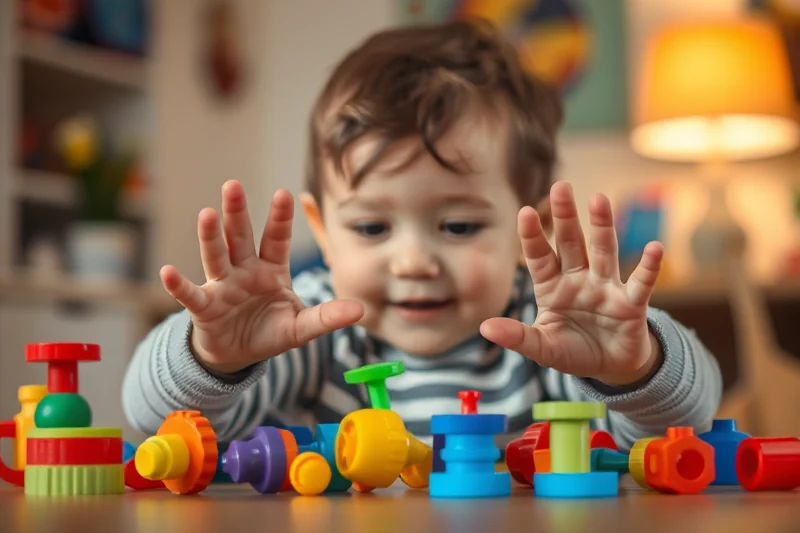
One of my favorite rainy day activities is filling a large container with water and adding items like measuring cups, spoons, and small plastic animals. My son loves pouring water from one container to another, and the sound of the water is a great sensory element.
I’ve even set up a ‘water table’ using a large plastic bin and some waterproof items. It’s a simple setup that can be cleaned quickly and reused for future play. The tactile experience of feeling water and the sound of splashing are both very engaging for young children.
When we’re short on space, I use the sink or a small basin. It’s surprising how much fun can be had with just a few cups and a small amount of water. It’s also a great way to teach kids about volume, measuring, and cause and effect.
Water play is not just fun—it’s a sensory treasure trove.
Related: Quick sensory play indoor rainy day ideas
Related: Diy sensory play indoor
Related: Sensory play indoor rainy day ideas that actually work
Related: Sensory play indoor rainy day ideas ideas
Related: Sensory play indoor rainy day ideas guide
Related: Sensory play indoor on a budget
Related: Sensory play indoor rainy day ideas checklist
Related: Sensory play rainy mistakes to avoid
Texture Exploration: Discovering the World Through Touch
I made a texture board using pieces of fabric, sandpaper, and rubber. I cut them into small pieces and attached them to a cardboard board with glue. My son loved running his hands over the different surfaces and naming them as we went. It was a great way to introduce new textures and expand his vocabulary.
Another idea is to create a texture bag filled with items like felt, cotton, wool, and sponge. The child can reach in and guess what they’re feeling. It’s a simple activity that can be done with just a few materials and can be repeated multiple times.
Texture exploration is not just about touch—it can also be a way to teach kids about materials and how things feel. It’s a low-cost, high-impact activity that can be done in minutes and repeated as often as needed.
Look in your closet or around the house for items like fabric, rubber, or wool. These can be used to create tactile experiences without any extra cost.
“I remember the first time my son's fingers got stuck in a jar of spaghetti sauce—his face was a mix of confusion and determination, and…”— PlayMessy editors
Related: Simple sensory play rainy
Related: Sensory play indoor rainy day ideas mistakes to avoid
Related: Budget sensory play indoor rainy day ideas
Related: Diy sensory play indoor rainy day ideas
Related: Sensory play indoor printable
Related: Sensory play rainy checklist
Related: Sensory play indoor checklist
Related: Best sensory play indoor rainy day ideas
Sound Play: Making Music with Household Items
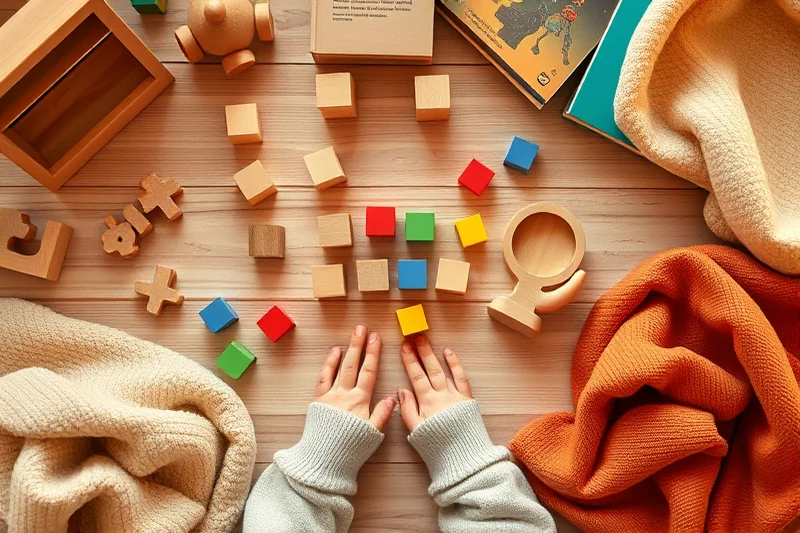
I’ve filled empty bottles with different amounts of water and used them as makeshift drums. My son loves tapping on them with wooden spoons and listening to the different sounds they make. It’s a great way to explore rhythm and cause-and-effect.
I also use pots and pans with wooden spoons for a simple, no-mess musical experience. The sound of the metal hitting the pan is very satisfying for kids, and it’s a great way to encourage creativity and exploration.
Sound play is also a way to teach kids about volume, pitch, and rhythm. It’s a low-cost activity that can be done in any room and is highly adaptable to different spaces and time constraints.
Related: Best sensory play rainy
Related: Sensory play rainy tips
Related: Simple sensory play indoor rainy day ideas
Related: Simple sensory play indoor
Related: Easy sensory play indoor rainy day ideas
Related: Sensory play indoor examples
Related: Affordable sensory play indoor
Related: Sensory play indoor rainy day ideas step by step
Movement Play: Engaging the Body for Better Learning
One of the simplest movement activities is using a small ball and a container. I have my son throw the ball into the container and then retrieve it. It’s a great way to work on hand-eye coordination and gross motor skills.
Another idea is to set up a ‘sensory obstacle course’ using items like pillows, blankets, and foam mats. Kids can crawl, jump, or roll through the course, which is both fun and physically stimulating.
Movement play doesn’t need to be complicated or expensive. It can be as simple as a game of catch or a few minutes of dancing to music. The key is to keep the child moving and engaged in a way that feels natural and enjoyable for them.
🧶 Gentle Play
Ideal for kids with sensory sensitivities or those who prefer quiet, slow-paced activities.
⚡ Fast-Track Play
Perfect for busy days when you need a quick, no-fuss sensory activity that can be set up in minutes.
🧳 Travel/away-from-home Play
Activities that can be done on the go or in unfamiliar environments, using only a few portable items.
👶 Multiples Play
Sensory ideas that work well for siblings, encouraging sharing, teamwork, and collaborative play.
🔄 Regression Reset Play
Activities designed to help kids who are working through a developmental plateau or regression, offering comfort and reassurance through sensory input.
| The mistake | Why it happens | The fix |
|---|---|---|
| Using materials that are too small or choking hazards for young children | Small items can be dangerous and may lead to choking, especially for children under 3 years old. | Always use large, safe materials and avoid anything that can be easily swallowed or broken. |
| Forcing the child to participate in sensory play | Sensory play should be a choice, not a requirement. Forcing it can lead to resistance or even sensory overload. | Let the child lead the activity. Offer options and allow them to decide how they want to play. |
| Ignoring the child’s sensory preferences | Each child has unique sensory needs, and ignoring these can lead to discomfort or disengagement. | Observe the child’s reactions and adjust the activity to match their preferences. Some may prefer gentle textures, while others enjoy more intense experiences. |
| Not cleaning up after sensory play | Leaving messes around can create a cluttered environment and make it difficult to continue with the activity. | Always clean up immediately after play. Keep a few extra containers and cleaning supplies on hand to make the process faster and easier. |
Related: Best sensory play indoor
Related: Quick sensory play indoor
Related: Sensory play indoor mistakes to avoid
Related: Budget sensory play indoor
Related: Sensory play indoor rainy day ideas examples
Related: Sensory play indoor rainy day ideas tips
Related: Easy sensory play rainy
Sensory Play Indoor Rainy Day Ideas On A Budget
Related: How to sensory play indoor
Related: Sensory play rainy ideas
Related: Sensory play indoor tips
Related: Affordable sensory play indoor rainy day ideas
Related: How to sensory play indoor rainy day ideas
Related: Sensory play indoor rainy day ideas for beginners
Related: Sensory play rainy for beginners
DIY Tactile Art: Creating Masterpieces with Everyday Materials
Use items like flour, salt, and cornstarch to make homemade playdough for sensory fun and creativity.
I discovered that mixing 1 cup of flour, 1/2 cup of salt, and 1/2 cup of water creates a simple, non-toxic playdough that's perfect for sensory exploration. This recipe is not only easy to make but also allows for endless creativity — kids can mold shapes, roll out snakes, or even add food coloring for a vibrant twist. The best part? It costs less than $2 for a batch that can last weeks, making it a budget-friendly alternative to store-bought versions.
Adding items like rice, beans, or dried pasta to the dough adds another layer of sensory stimulation. My daughter loves digging through the texture-filled mixture, which helps develop her fine motor skills and hand-eye coordination. These additions are often leftovers from other meals or free from local bulk stores, further reducing the cost. The tactile experience of pressing and squeezing the dough also helps with stress relief and emotional regulation, which is especially valuable on long rainy days.
I’ve also found that using natural materials like oats, lentils, or sand can create different textures and sensory experiences without any added cost. Mixing in a few drops of essential oils like lavender or peppermint can make the playdough more calming or invigorating, depending on the child's needs. It's amazing how something so simple can transform into an engaging, educational, and budget-friendly activity that the whole family can enjoy together.
Common Questions
What can I use if I don’t have any sensory bins?
How long should a sensory play session last?
Can I do sensory play with a baby?
How do I clean up after sensory play?
References
- COVID-19: Occupational Therapy Activities for Home (beard.cps.edu)
- Basking in the Rain - Bing Nursery School - Stanford University (bingschool.stanford.edu)
- Spring and Summer Sensory Play Activities – Community Education (blogs.cornell.edu)
- Classrooms | College of Education and Human Service Professions (cehsp.d.umn.edu)
Cite this guide
PlayMessy (2026). Sensory Play Indoor Rainy Day Ideas On A Budget. https://playmessy.com/sensory-play-indoor-rainy-day-ideas-on-a-budget/
Feel free to cite or share this guide.