
Sensory Play Routines For Beginners
📖 Table of Contents
When my son was two, he spent hours digging through a bin of rice and beans, giggling as he sorted them by color and texture. I watched, fascinated, as he explored the world through his fingertips. It was my first real introduction to sensory play, and I didn’t know it at the time, but it was the start of a powerful learning tool that I now use daily. Sensory play routines for beginners are more than just fun—they’re a way to build focus, motor skills, and emotional regulation through simple, accessible activities.
I remember the first time I tried to create a sensory play routine at home. I bought a bag of kinetic sand and a couple of wooden bowls, thinking it would be enough. What I didn’t realize was how important it was to build a rhythm, a structure, and a space where my child could feel safe and engaged. Over time, I learned that sensory play routines for beginners don’t need to be complicated. They just need to be consistent, intentional, and rooted in the child’s natural curiosity.
Now, as a parent who’s spent years refining my approach, I can confidently say that sensory play routines for beginners can be a cornerstone of your child’s development. Whether you’re looking for ways to calm a fussy toddler or boost your child’s creativity, these routines offer a foundation that is both flexible and powerful. The key is to start small, stay consistent, and let your child lead the way.
Why You'll Love This Routine Approach
- It builds foundational cognitive and emotional skills with minimal effort
- It’s adaptable to any home or lifestyle, even with limited space
- It creates a daily rhythm that boosts your child’s confidence and autonomy
- It’s a cost-effective way to support development without expensive toys
What Is a Sensory Play Routine?
As of September 2026, a sensory play routine is more than just a pile of beans or a ball of playdough—it’s a purposeful, recurring activity that helps your child build sensory processing skills, motor coordination. Emotional regulation. These routines typically take place once or twice a day, lasting anywhere from 10 to 30 minutes. The key is consistency and intentionality.[1]
I’ve found that even a simple routine, like spending 15 minutes each morning with a sensory bin, can make a huge difference. My child learned to separate colors, textures, and even sounds during these sessions. It was like a mini classroom that he never wanted to leave.
The best sensory play routines for beginners are the ones that your child enjoys and can participate in without frustration. It’s important to let them lead, as they’ll often discover new ways to interact with materials that surprise even the most experienced parents.
Begin by identifying the senses your child is most curious about. If they love water, start with a small water table. If they love touch, try squishy or crinkly materials.
Part of our Sensory play routines schedules guide.
Why Sensory Play Works for Toddlers and Preschoolers

Young children are naturally drawn to sensory experiences because they’re learning about texture, temperature, and even taste through their environment. I’ve noticed that during sensory play, my child is more focused, more engaged, and more willing to try new things. It’s like they’re in a state of pure exploration.
According to a study from the National Association for the Education of Young Children, children who engage in regular sensory play show stronger motor skills, better emotional regulation, and improved problem-solving abilities. These are all benefits that can be seen even in the early stages of development.[2]
When I first started using sensory play routines for beginners, I was amazed by how quickly my child began to recognize and name different textures and colors. It was a simple but powerful way to build their vocabulary and cognitive skills.
Sensory play is the bridge between curiosity and learning.
Related: Sensory play schedules for beginners
How to Build Your First Sensory Play Routine
I recommend starting with just two to three materials, such as kinetic sand, rice, or fabric scraps. Choose items that are safe, easy to clean, and that will engage your child’s senses. My first routine involved a large bin of dried beans and a few wooden scoops, which we used for sorting and counting.
Once you have your materials, set aside a specific time each day for your routine. I found that morning was best for my child, as he was more alert and less easily distracted. Keep the space quiet, and let your child lead the activity.
After a few weeks, I noticed my child was more confident in his play and more willing to try new activities. He even started asking for more sensory bins, which is a sign that the routine was working.
Start with just a few materials and a set time each day. Consistency is key, even if the activity is short and simple.
“When my son was two, he spent hours digging through a bin of rice and beans, giggling as he sorted them by color and texture.”— PlayMessy editors
Related: Sensory play schedules ideas
The Benefits of a Weekly Sensory Play Schedule
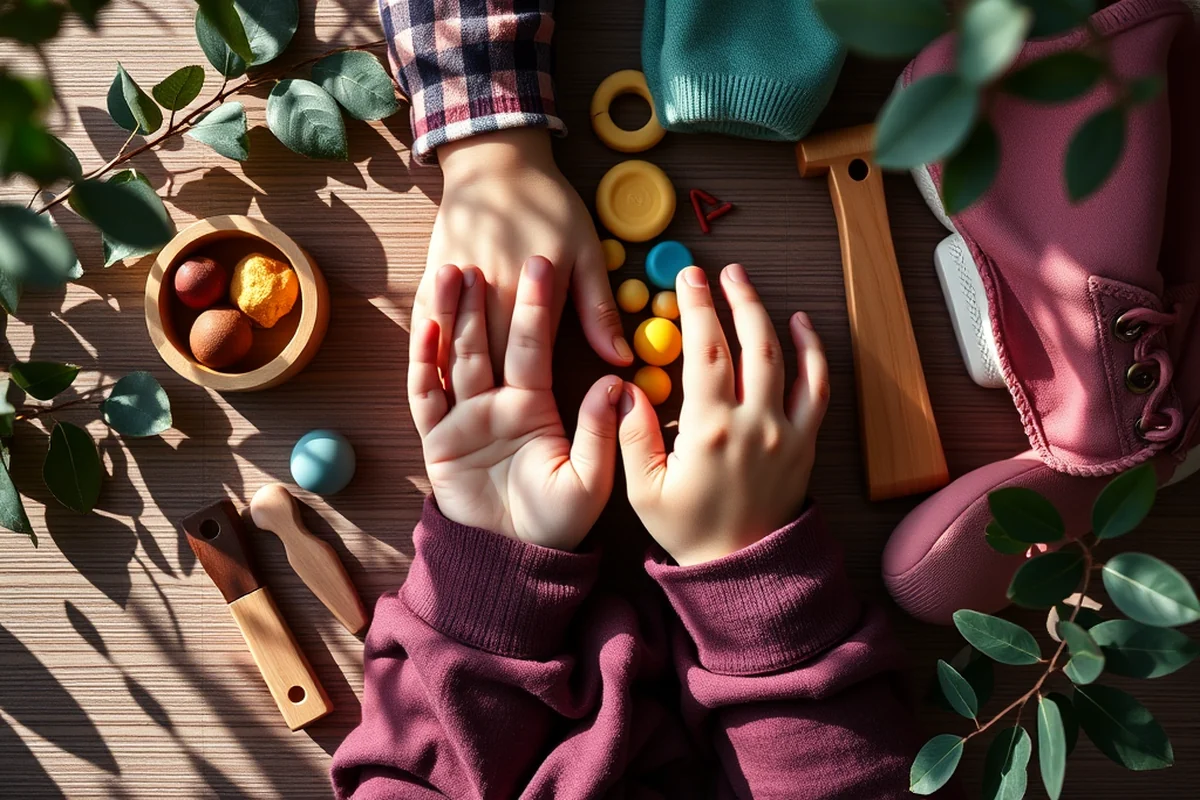
I used to jump between different sensory materials each day, which left my child feeling confused and less engaged. Once I created a weekly schedule, rotating between different textures and activities, I saw a big shift in how focused and excited he was about playtime.
A typical week for us includes a day with kinetic sand, a day with a sensory bin, and a day with fabric or texture boards. This way, we cover different types of sensory input without overwhelming my child. He’s learned to recognize the routine and look forward to each day’s activity.
Having a schedule also helped me manage my time better. I could prepare materials in advance and know exactly what to expect each day, which made the process much more efficient and less stressful.
Related: Sensory play routines schedules checklist
Tips for Staying Motivated as a Parent
I used to feel like I was constantly cleaning up and preparing materials, which made me feel like I was doing more work than my child. But once I started to see the progress my child was making, I realized that the effort was worth it. He was more independent, more focused, and more emotionally regulated.
Another tip is to find a way to make the routine fun for both of you. Whether it’s playing music during a sensory play session or taking photos of your child’s creations, finding small joys in the process helps keep you motivated.
Remember that not every session will be perfect. Some days, your child might be too tired or distracted. That’s okay. The goal isn’t to create a perfect routine but to build a consistent, enjoyable experience that supports your child’s development.
👶 Gentle Start
A slower, less intense version of sensory play that’s ideal for shy or sensitive children.
⚡ Fast-Track Play
A quick, high-energy sensory play routine that fits into a busy schedule without skipping the benefits.
🧳 Travel/On-the-Go
Sensory play routines designed for when you’re away from home—perfect for trips, parks, or unexpected days.
👥 Multiples
Routines that work for multiple children, with strategies to keep each child engaged and focused.
🔄 Regression Reset
A reset version of sensory play that helps children re-engage with play after a developmental or emotional setback.
| The mistake | Why it happens | The fix |
|---|---|---|
| Using too many materials at once | This can overwhelm your child and make it difficult for them to focus on any single activity. | Start with just one or two materials and gradually introduce new ones as your child becomes more comfortable. |
| Forcing your child to participate | This can make sensory play feel like a chore instead of a fun and exploratory activity. | Let your child lead the play. Offer choices and encourage, but never force participation. |
| Ignoring the mess | Messiness is part of the process, but if it becomes too much, it can discourage participation and cause stress. | Set boundaries and have a plan for cleaning up. Keep the area contained and use materials that are easy to clean. |
| Neglecting the child’s interest | If your child isn’t engaged, the routine may not be effective and can lead to frustration. | Observe your child’s interests and adapt the routine to match their preferences and energy levels. |
Related: Sensory play routines schedules mistakes to avoid
Sensory Play Routines For Beginners
Related: Quick sensory play routines schedules
Maximizing Engagement Through Rotating Materials
I rotate my sensory play materials every 1-2 weeks to maintain engagement and curiosity. This approach prevents sensory fatigue and keeps children excited about each session. For example, after using rice and sensory bins for a month, I switch to kinetic sand or water play, which offers new textures and opportunities for exploration. Rotating also allows me to introduce seasonal themes, like using leaves and water in autumn or snow and salt in winter.
I use a simple system to track what’s been used and what’s next. I keep a small notebook where I jot down which materials are on rotation and when to replace them. This helps me stay organized and ensures that no material is left unused for too long. I also involve my child in the rotation process by letting them pick which new material they want to try next. This builds their autonomy and makes them more invested in the activity.
Rotating materials also gives me a chance to assess what my child enjoys and what they might need more of. For instance, if they consistently gravitate toward water-based activities, I know they may benefit from more opportunities to explore with water. This flexibility allows me to tailor sensory play to their interests and developmental needs, which keeps the routine both fun and purposeful. Over time, this method has helped me create a dynamic and evolving sensory play experience that my child looks forward to each week.
Integrating Sensory Play Into Daily Life Without Overwhelm
Learn how to weave sensory play into your child's daily routine without feeling like you need to devote hours to it.
I found that integrating sensory play into daily life doesn’t require a full afternoon of dedicated playtime. I started by setting up a small sensory bin in the kitchen, filled with rice, beans, and small plastic animals, so my toddler could explore during snack time. This way, he was engaged without interrupting our meal schedule, and I didn’t feel like I was sacrificing productivity. These small, consistent moments actually made a bigger impact than trying to have one big sensory session each week.
Common Questions
What if my child isn’t interested in sensory play?
Can I use everyday items for sensory play?
How long should each sensory play session be?
What if my child gets frustrated during sensory play?
References
Cite this guide
PlayMessy (2026). Sensory Play Routines For Beginners. https://playmessy.com/sensory-play-routines-for-beginners/
Feel free to cite or share this guide.