
Simple Sensory Play Schedules
📖 Table of Contents
I remember the first time I tried to make a sensory play schedule for my 18-month-old. I had no idea where to start. I bought a bunch of toys, scattered them around the room, and hoped for the best. It didn’t work. My toddler was overwhelmed, confused, and more interested in the floor than the activities. That's when I realized I needed a different approach — one that was structured, simple, and actually worked. That's where the idea of 'simple sensory play schedules' came from.[1]
Creating a sensory play schedule became more than just a way to keep my toddler entertained. It became a tool that helped her learn, explore, and feel secure. It taught me the importance of consistency, routine, and tailoring activities to her developmental stage. What started as a desperate attempt to keep her engaged turned into a daily ritual we both looked forward to. And it didn’t take a lot of time or money — just a few well-chosen toys, a bit of planning, and a lot of patience.
Now, I use a simple sensory play schedule every day, and it's transformed the way I engage with my child. It's not just about the activities, but the way we do them — with intention, with rhythm, and with the understanding that every moment counts. Whether you're a first-time parent or a seasoned pro, a simple sensory play schedule can be the missing piece that turns chaos into calm and confusion into curiosity.
Why You'll Love This Approach
- It reduces overwhelm and keeps your child focused and engaged.
- It fits into even the busiest days without taking up too much time.
- It builds consistency and routine, which is key for young children.
- It's affordable and easy to tailor to your child's interests and needs.
What Is a Simple Sensory Play Schedule?
As of September 2026, a simple sensory play schedule is a plan that includes a few activities each day that engage your child’s senses — touch, sight, hearing, taste, and smell. It doesn’t need to be elaborate or time-consuming. The goal is to provide a consistent, safe, and stimulating environment where your child can explore and learn.
I typically use a schedule that includes one or two activities each day, each lasting about 15 to 20 minutes. The key is to rotate the activities to keep things interesting and to avoid overstimulation. For example, one day might be focused on textures, another on sounds, and another on movement. This rotation keeps the play fresh and engaging.[2]
This approach works best for toddlers aged 18 months to 3 years. At this age, children are highly curious and developing their sensory skills rapidly. A simple schedule gives them the structure they need without overwhelming them.[3]
You don’t need to buy a ton of new toys. Use household items like soft cloths, crinkly paper, and safe, non-toxic items from around the house.
Part of our Sensory play routines schedules guide.
How to Create Your First Schedule
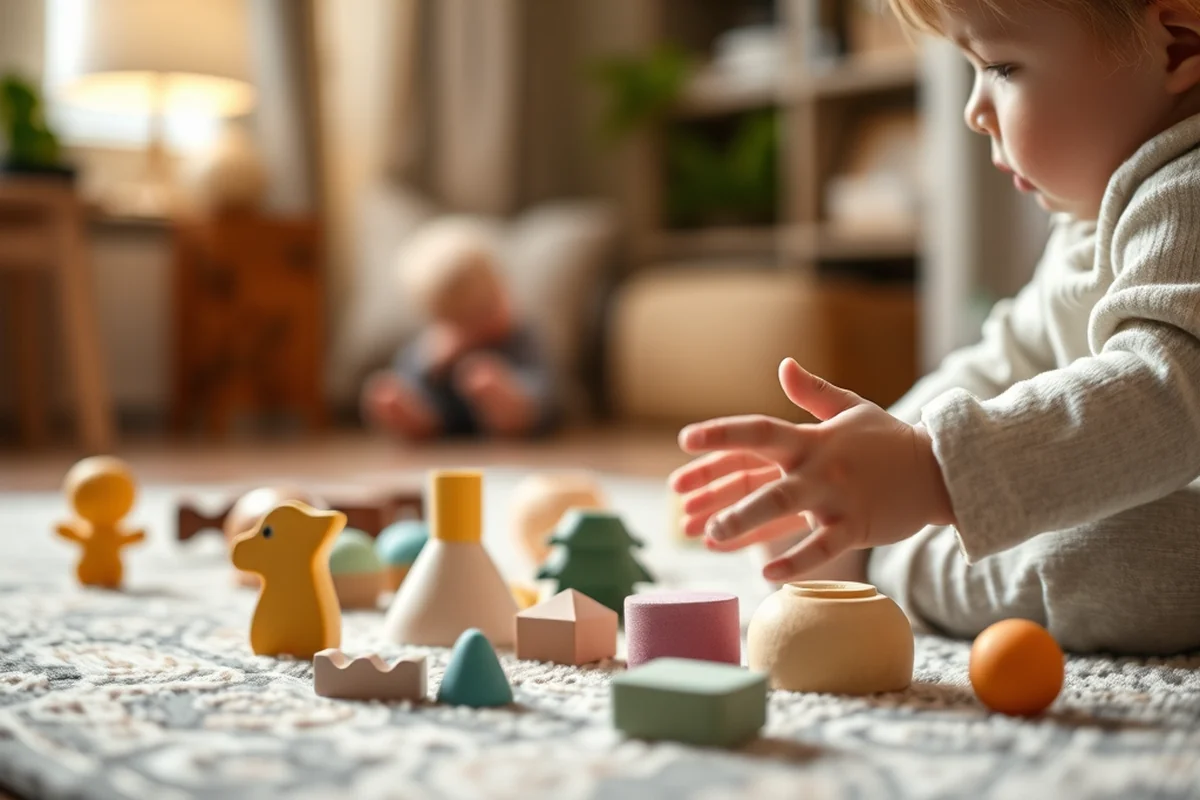
Start by choosing one or two activities that your child enjoys and that you can do regularly. For example, you could use a sensory bin with rice or beans and small toys, or you could use a music box and let your child explore sounds. The key is to choose activities that are safe, easy to clean, and engaging.
I always start with a 3-day trial period. I pick three different activities, each for a different day. That way, I can see what my child likes and what doesn’t work. I found that my child preferred tactile activities over auditory ones, so I adjusted the schedule accordingly.
Once you’ve picked your activities, set a time each day to do them. I like to do sensory play in the morning, right after breakfast. It helps my child transition into the day and gives me a break from the chaos of the morning.
Start small, start with what you have, and let your child lead the way.
Related: Sensory play routines that actually work
The Power of Routine in Sensory Play
Children thrive on routine, especially when they’re young. A simple sensory play schedule gives your child a predictable, safe space to explore and learn. It helps them understand that there are times for play, times for rest, and times for learning.
I noticed that when we followed a routine, my child was more willing to participate and stay focused. She knew that after breakfast, we would do sensory play. This consistency helped her feel safe and in control, even when the rest of the day was unpredictable.
Over time, the routine became a comforting part of our day. My child started to look forward to it and even began to initiate the activity herself — a huge win for a busy parent.
Choose activities that are easy to repeat and stick to the same time each day. Consistency builds trust and helps your child feel secure.
“I remember the first time I tried to make a sensory play schedule for my 18-month-old.”— PlayMessy editors
Related: Sensory play routines schedules for beginners
Tailoring the Schedule to Your Child’s Needs
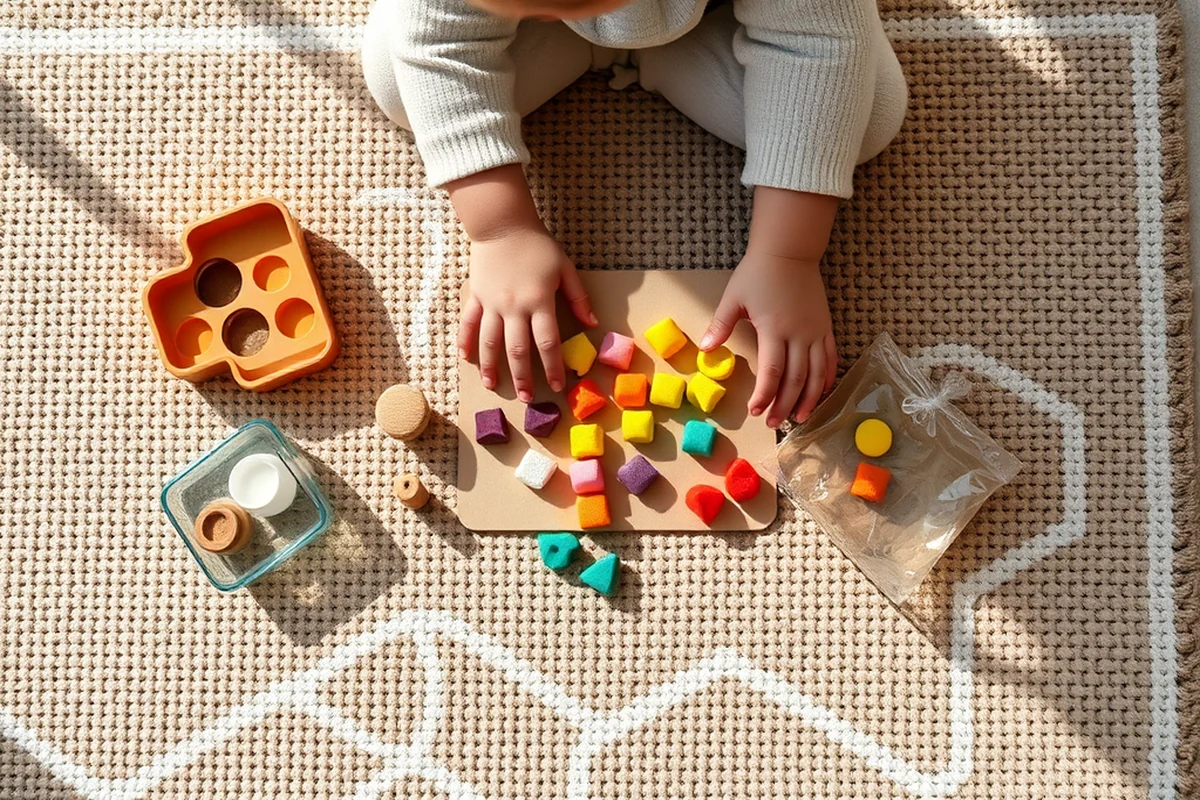
Tailoring your schedule to your child’s unique needs is key. I found that my child responded best to activities that involved textures and movement. She didn’t seem as interested in auditory or visual activities. So, I adjusted the schedule to focus more on tactile and physical play.
I also made sure to rotate the activities every few days. This kept things fresh and prevented my child from getting bored. I used a mix of soft and rough textures, noisy and quiet sounds, and high and low movement activities. This variety helped her explore different aspects of her environment.
As your child grows, you’ll need to adjust the schedule. For example, as they get older, you might introduce more complex activities that involve problem-solving or creativity. But even then, the core of the schedule — short, structured, and engaging — should remain the same.
Related: Simple sensory play routines schedules
Making It Work for Your Lifestyle
I’ve found that even with a busy work schedule, a simple sensory play schedule can be done. I use it in the morning before I head out for work, or during a short break in the afternoon. It doesn’t take much time, and it makes a big difference in my child’s mood and engagement.
If you're a working parent, you can involve your partner or a caregiver in the routine. I often ask my husband to do a short sensory activity with our daughter when he gets home from work. It’s a small way to show her that he’s involved and that the activity is part of our family life.
Even if you’re not a parent, a simple sensory play schedule can be a great way to engage with children. I’ve seen grandparents use it to connect with their grandchildren in meaningful ways. It’s a flexible, adaptable, and powerful tool for any caregiver.
🧸 Gentle Routine
Perfect for sensitive or easily overstimulated children, this approach uses slow, quiet activities and minimal sensory input.
⚡ Fast-Track
Ideal for busy families, this version includes quick, high-impact sensory activities that can be done in 10 minutes or less.
✈️ Travel/On-the-Go
Tailored for when you're away from home, this version uses portable items like travel-sized sensory bins and foldable mats.
👶 Multiples
Designed for parents with more than one child, this version offers activities that can be done with siblings or in parallel play.
🔄 Regression Reset
Useful during developmental plateaus or stressful times, this version focuses on calming, repetitive activities that help your child re-engage with the world.
| The mistake | Why it happens | The fix |
|---|---|---|
| Assuming all children respond the same way to sensory activities. | Children have different sensory preferences and sensitivities, so a one-size-fits-all approach may not work. | Observe your child’s reactions and tailor the activities to their unique needs and interests. |
| Trying too many new activities at once. | This can overwhelm your child and make the schedule feel chaotic and unstructured. | Start with one or two activities and gradually introduce new ones as your child becomes more comfortable with the routine. |
| Not setting a consistent time for sensory play. | Without a set time, your child may not know what to expect, which can lead to confusion and resistance. | Choose a specific time each day and stick to it. This helps build a sense of routine and predictability. |
| Forgetting to rotate the activities. | Children can become bored with the same activities, leading to disinterest and lack of engagement. | Change the activities every few days and introduce new materials to keep the experience fresh and exciting. |
Related: Diy sensory play routines
Simple Sensory Play Schedules
Related: Best sensory play routines
Integrating Technology for Enhanced Engagement
Using apps and digital tools can elevate sensory play by adding interactive and adaptive elements that cater to your child's developmental stage and interests.
I recently introduced a tablet app called 'Sensory Explorers' into our daily routine, and it transformed how my 3-year-old interacts with sensory activities. The app features touch-responsive textures, soundscapes, and visual puzzles that change based on the child's progress. It’s been fascinating to watch how she becomes more focused during these sessions, often staying engaged for 15–20 minutes without needing redirection. The app also includes progress tracking, which gives me a clearer idea of her strengths and areas that need more support.
I paired the app with physical sensory bins filled with items like kinetic sand, play dough, and rice, which she can explore while interacting with the screen. This combination of digital and tactile stimulation has been especially effective for her attention span and fine motor skills. We use it twice a day—once in the morning after breakfast and again in the late afternoon before bedtime. Each session starts with a brief 5-minute warm-up of free play with the physical materials, followed by 10–15 minutes of guided app activities.
The cost of the app was around $5, which is a small investment for the amount of engagement it brings. I’ve also found that it’s a great tool for keeping my child entertained during short waiting periods, like doctor’s appointments or while waiting for dinner. It's also helped me introduce new sensory concepts, such as temperature changes and vibration, in a way that feels fun and non-pressuring to her.
Common Questions
How do I know if my child is overstimulated during sensory play?
Can I use the same sensory play schedule for multiple children?
What if I don’t have time to create a schedule?
How do I keep the schedule interesting over time?
References
- The Powerful Role of Play in Early Education (cde.ca.gov)
- Chapter 110-300 WAC: - | WA.gov (app.leg.wa.gov)
- Preschool - Maine's Early Learning and Development Standards (maine.gov)
Cite this guide
PlayMessy (2026). Simple Sensory Play Schedules. https://playmessy.com/simple-sensory-play-schedules/
Feel free to cite or share this guide.