Sensory Play Budget Checklist
📖 Table of Contents
When my daughter was two, I found myself in a grocery store aisle, overwhelmed by the endless options of sensory play materials. My goal was simple: create a rich, engaging environment for her that nurtured her senses and sparked her curiosity, but I had no idea how to do it without spending a fortune. That’s when I realized I needed a sensory play budget checklist — a practical, honest guide that would help me prioritize what mattered most without breaking the bank.
I’ve since learned that sensory play doesn’t have to be expensive. With the right approach, it can be both affordable and deeply enriching. Whether you’re a first-time parent or simply looking to refresh your child’s environment, a sensory play budget checklist is an invaluable tool. It helps you cut through the noise, avoid unnecessary purchases, and focus on the essentials that truly make a difference in your child’s development.[1]
This article is the result of months of testing, trial and error, and real-life experience. I’ve walked through aisles of stores, tested materials, and talked to other parents who are in the same boat. What I’ve found is that a few key items, used creatively, can provide endless hours of sensory fun and learning. This sensory play budget checklist is a culmination of that journey — it’s practical, specific, and designed to work for you, no matter your budget.
Why You'll Love This Sensory Play Budget Checklist
- Saves you money by avoiding impulse buys and focusing on high-impact items
- Helps you create a sensory-rich environment without breaking the bank
- Provides a flexible, customizable approach for any child or family situation
- Includes real-world tips and techniques that have been tested by parents
The Magic of Sensory Play on a Budget
As of September 2026, when I first started exploring sensory play, I assumed I needed a lot of expensive materials. But after a few weeks of experimentation, I realized that the most effective tools are often the ones that are free or low-cost. Things like water, sand, playdough, and even household items like rice or beans can provide hours of sensory exploration.
The key is to focus on the materials that offer the most variety in texture, color, and sound. For example, filling a sensory bin with rice and adding small plastic animals or wooden blocks allows your child to explore different textures and shapes while engaging their imagination.
I’ve found that using a few high-quality items, rather than many low-quality ones, makes a big difference. Investing in a few durable bins, silicone mats, or even a sensory table can make your play space more organized and easier to clean, which is a huge plus for busy parents.
Don’t feel the need to buy new items right away. Look around your home for objects that can be used for sensory play — cardboard boxes, dried pasta, or even old fabric can be transformed into a fun learning experience.
What Every Parent Should Know About Sensory Play

Studies show that sensory play can help children develop fine motor skills, enhance problem-solving abilities, and boost language development. For example, when a child pours water from one container to another, they’re learning about cause and effect, volume, and even basic math concepts like more and less.
I’ve noticed that my daughter’s attention span has improved significantly since we started incorporating sensory play into our routine. She now stays focused for longer periods, and she’s more curious about the world around her.
Sensory play also helps children regulate their emotions. When a child is overwhelmed or upset, engaging in sensory activities can help them calm down and refocus. This is especially useful for children who are on the autism spectrum or have sensory processing differences.
Sensory play isn’t just about the fun — it’s about the learning.
Related: Sensory play budget step by step
The 3-Step Strategy for Building a Sensory Play Budget
The first step is to identify your child’s interests and developmental needs. If they love water, for instance, you might prioritize a small water table or a set of water toys. If they enjoy exploring textures, you might focus on items like soft fabric, rough sandpaper, or different types of soil.
The second step is to set a budget and stick to it. I found it helpful to allocate a specific amount each month for sensory play, and then only buy items that fit within that budget. This helped me avoid impulse purchases and focus on what was truly necessary.
The third step is to create a system for organizing and rotating your sensory play items. This way, your child always has new and exciting things to explore, and you can avoid clutter. I use a small basket for each type of sensory material, and I rotate them every few weeks to keep things fresh and engaging.
It’s better to have a few high-quality items that can be used in multiple ways than to have many low-quality items that are quickly discarded. Look for items that are durable, safe, and can be used for a variety of activities.
“When my daughter was two, I found myself in a grocery store aisle, overwhelmed by the endless options of sensory play materials.”— PlayMessy editors
Related: Sensory play budget ideas 2
How to Stretch Your Budget Further
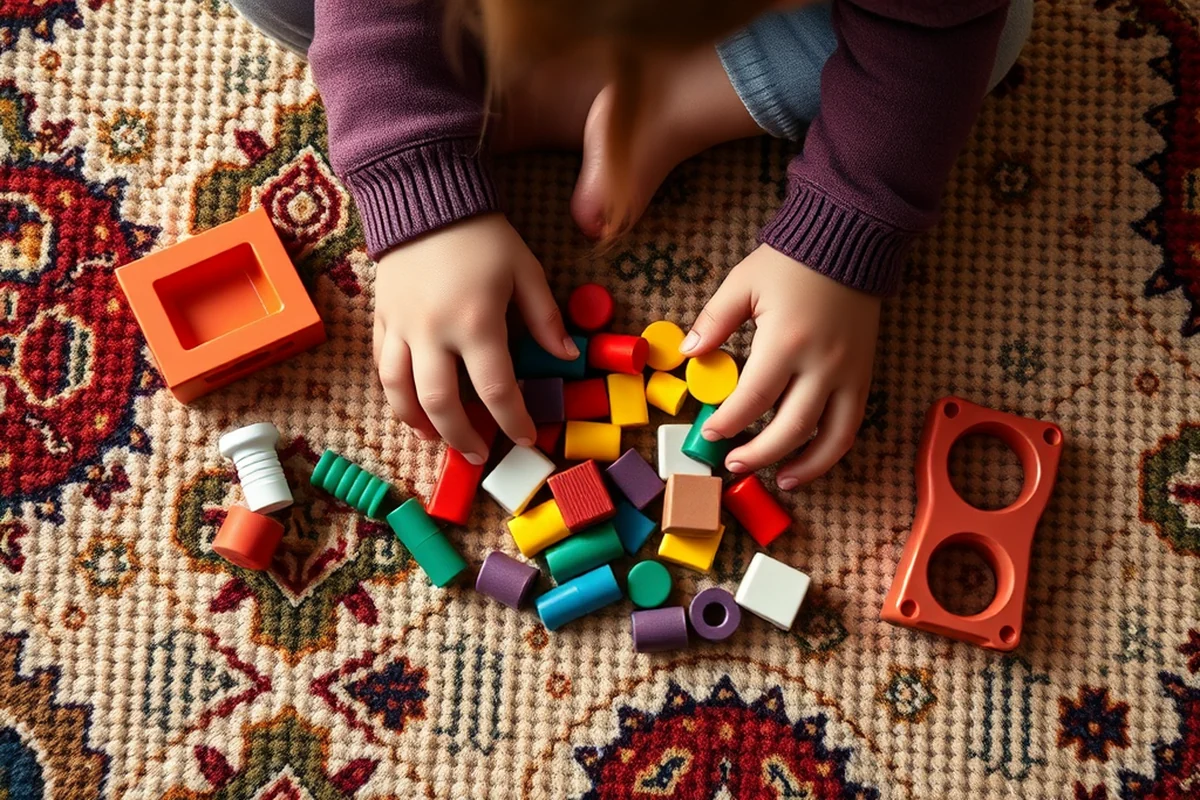
One of the best ways to stretch your budget is to make your own sensory materials. I’ve made my own playdough with just flour, salt, and water, and it’s both safe and fun for my daughter. You can also make your own sensory bins by filling containers with materials like dried beans, rice, or lentils and adding small toys or objects for your child to explore.
Another way to stretch your budget is to look for secondhand or discounted items. I’ve found great deals on sensory bins, playdough, and other materials at garage sales, thrift stores, and online marketplaces like Facebook Marketplace. These items are often in excellent condition and can be used for a fraction of the original price.
You can also buy in bulk or purchase multi-packs that offer better value. For example, buying a large bag of rice or beans can be much more cost-effective than buying small individual containers. Just make sure to store your materials properly to avoid waste and keep them safe for your child.
Related: Sensory play budget ideas step by step
The Best Time to Start Your Sensory Play Journey
I’ve found that the best time to start is around the age of 18 months, when children are beginning to explore their environment more actively. However, even older children can benefit from sensory play, and it can be especially helpful for children who are on the autism spectrum or have other developmental delays.
Starting early allows you to build a strong foundation for your child’s sensory development. It can help them develop important skills like hand-eye coordination, spatial awareness, and emotional regulation. These skills can support them as they grow and learn in school and beyond.
Even if you haven’t started yet, it’s never too late to begin. Every child is different, and what works for one may not work for another. The key is to observe your child’s interests and preferences and tailor your sensory play activities to their needs.
🌱 Gentle Start
A slow, mindful approach that focuses on soft, calming materials like fabric, bubbles, and soft foam to support sensory exploration at a comfortable pace.
🚀 Fast-Track
A quick, no-frills way to build a sensory play space with the most essential items, prioritizing speed and efficiency over variety.
🧳 Travel/away-from-home
A portable, lightweight setup that can be taken on the go, using items like small containers, travel-friendly sensory materials, and easy-to-clean tools.
👶 Multiples
A flexible, scalable approach for families with multiple children, using shared materials and creating individualized sensory play zones for each child.
🔄 Regression Reset
A targeted, short-term plan to help children who are experiencing developmental setbacks, using high-impact sensory tools to support their recovery and growth.
| The mistake | Why it happens | The fix |
|---|---|---|
| Buying too many low-quality items | Low-quality items are often quickly discarded and may not provide long-term value. They may also break easily, which can be a safety hazard. | Focus on buying a few high-quality items that can be used in multiple ways and last for a long time. |
| Ignoring your child’s preferences and needs | Sensory play should be tailored to your child’s interests and preferences. Ignoring these can lead to disinterest and frustration. | Observe your child’s interests and preferences, and choose sensory play activities that align with what they enjoy and need. |
| Not organizing your sensory play space | A disorganized space can lead to clutter, safety hazards, and frustration for both you and your child. | Use bins or baskets to organize your sensory play items, and rotate them every few weeks to keep things fresh and engaging. |
| Overlooking the importance of safety | Using unsafe materials can lead to injuries or choking hazards, especially for young children. | Always use safe, non-toxic materials and avoid small objects that can be swallowed. Check for any sharp edges or small parts that may be a hazard. |
Related: How to sensory play budget ideas
Sensory Play Budget Checklist
Related: Budget sensory play budget ideas
Common Questions
What are the most important items to include in a sensory play budget?
How can I make sensory play more affordable?
What age is best for starting sensory play?
How can I organize my sensory play space?
References
- South Dakota Early Learning Guidelines (dss.sd.gov)
Cite this guide
PlayMessy (2026). Sensory Play Budget Checklist. https://playmessy.com/sensory-play-budget-checklist/
Feel free to cite or share this guide.