Sensory Play Indoor Ideas
📖 Table of Contents
I still remember the first time my daughter sat cross-legged on the living room floor, her hands buried in a bin of rice and dried beans, grinning from ear to ear. It was during a rainy afternoon, and I had no idea how much that simple sensory play would become a cornerstone of our family's indoor life. Sensory play indoor ideas are not just about keeping kids occupied—they're about engaging their minds, hands, and hearts in meaningful, developmentally rich ways.
For parents who are constantly juggling work, chores, and the endless demands of little ones, finding time for quality activities can feel like a full-time job. But sensory play doesn't need to be complicated or time-consuming. With just a few items and a little creativity, you can turn your home into a sensory playground. These ideas are rooted in real, tested experiences from my own family and the families I've worked with over the years.
Sensory play indoor ideas aren't just about fun—they're about learning. From improving fine motor skills to boosting emotional regulation, the benefits are tangible. I’ve watched my daughter’s confidence grow as she explored textures, colors, and sounds, and I’ve seen the same in other kids who engage in these activities. Whether you're a first-time parent or someone who's been at this for years, these ideas are designed to be adaptable, accessible, and deeply rewarding.
Why You'll Love This Collection of Sensory Play Indoor Ideas
- It’s affordable and easy to set up with household items.
- It promotes development across multiple domains: cognitive, motor, and emotional.
- It can be tailored for any age or developmental stage.
- It creates lasting memories and quality time with your child.
DIY Sensory Bins: The Foundation of Indoor Play
As of September 2026, one of the most cost-effective and engaging sensory play indoor ideas is creating a DIY sensory bin. All you need is a large container, like a plastic bin or a shallow tray, and some materials that provide varied textures and sensory experiences. I’ve used rice, dried beans, pasta, and even shredded paper to make bins that captivate kids for hours.[1]
The beauty of sensory bins is that they can be themed—like a 'jungle bin' with faux grass and plastic animals or a 'ocean bin' with blue fabric and seashells. My daughter spent over an hour exploring a bin filled with kinetic sand and small wooden toys, and I watched her problem-solving skills improve as she sorted and moved the pieces.
I’ve found that adding small, safe objects like plastic jewels, mini cars, or animal figurines can keep the play dynamic and stimulating. These bins are perfect for toddlers and preschoolers who love to dig, scoop, and explore with their hands.
Use fabric, colored paper, or printed images to give your sensory bin a visual theme and make it more engaging for your child.
Part of our Sensory play indoor rainy day ideas guide.
Texture Exploration: A Gateway to Sensory Development

Texture exploration is one of the most effective sensory play indoor ideas for young children. It doesn’t require any special equipment—just everyday items like sponges, cotton balls, sandpaper, or even the back of a spoon. I’ve noticed that my daughter becomes more curious and engaged when she’s able to touch and compare different textures.
I once made a texture board using a piece of cardboard, and attached different materials like felt, foam, and rubber. She spent the entire afternoon touching and naming each texture, which helped her build vocabulary and tactile recognition. This kind of play is also great for babies who are just beginning to explore their environment.
Texture exploration is especially beneficial for kids who are sensory-seeking or sensory-avoiding. By providing a variety of textures, you help them learn what feels comfortable and what feels stimulating, which supports emotional regulation.
Texture is the first language of a child’s world.
Related: Sensory play indoor rainy day ideas mistakes to avoid
Sound Play: Engaging the Auditory Sense
Sound play is a sensory play indoor idea that doesn’t require any special materials—just a few everyday objects and a little creativity. I’ve used items like bells, musical instruments, and even kitchen utensils to create sound-based play that’s both engaging and educational.
One of my favorite activities is the 'sound guessing game,' where I place a small object inside a container and let my child listen to it while trying to guess what it is. This not only helps with auditory discrimination but also builds listening skills and curiosity.
I’ve noticed that sound play is particularly effective for children who are more auditory learners. It helps them stay focused and engaged, and it’s a great way to support language development through listening and verbalizing guesses.
Old pots, spoons, and even plastic containers can be used to create a variety of sounds and encourage imaginative play.
“I still remember the first time my daughter sat cross-legged on the living room floor, her hands buried in a bin of rice and dried…”— PlayMessy editors
Related: Sensory play rainy tips
Visual Stimulation: Using Color and Light
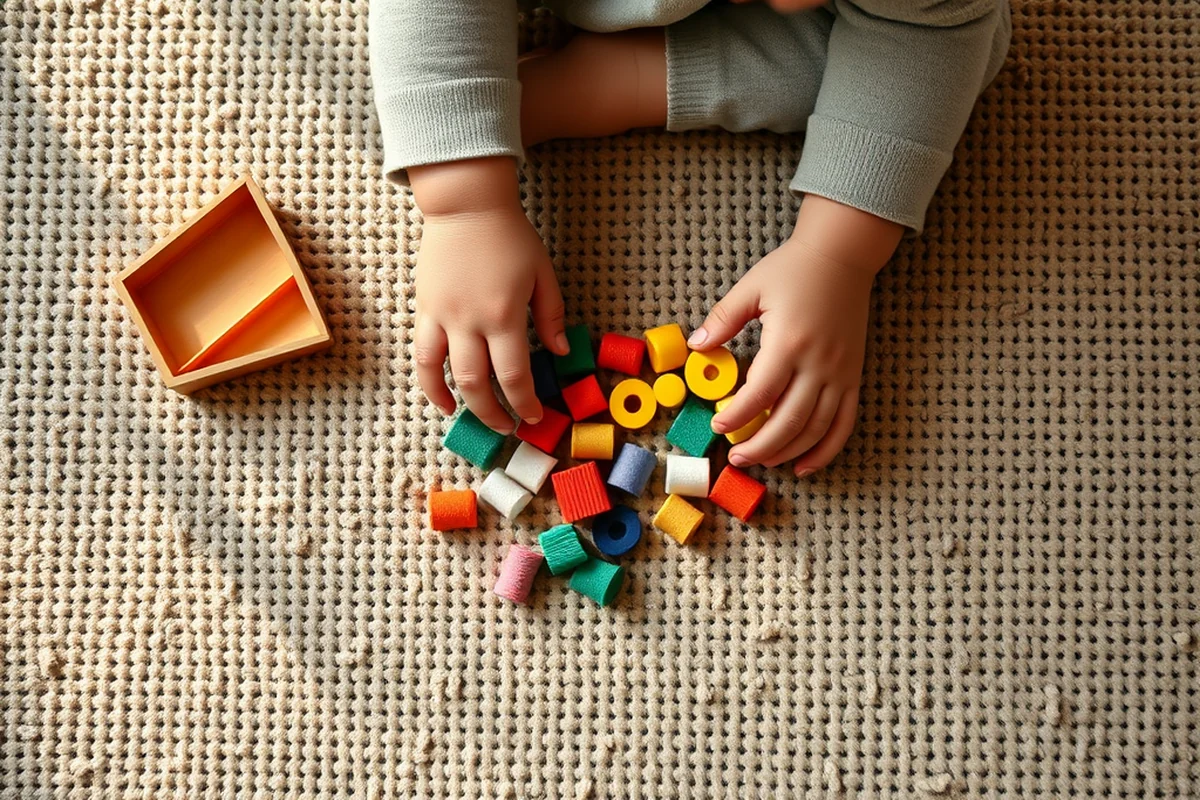
Visual stimulation is an important part of sensory play indoor ideas, especially for younger children. I’ve used things like colored lights, flashlights, and even mirrors to create visual play that’s both stimulating and calming. My daughter particularly enjoys playing with colored lights in the dark, which creates a magical and immersive experience.
I’ve also used items like translucent colored paper, which can be layered to create interesting visual effects. These can be used as a backdrop for play or as a way to explore color mixing. I’ve seen a noticeable improvement in my daughter’s visual tracking and color recognition after using these materials regularly.
Visual stimulation is also great for children with sensory processing challenges, as it helps them regulate their attention and focus. It can be a calming and soothing activity, especially when combined with quiet play.
Related: Quick sensory play indoor
Movement-Based Sensory Play: Engaging the Whole Body
Movement-based sensory play is a dynamic and engaging sensory play indoor idea that helps children develop gross motor skills while also exploring their senses. I’ve created a 'sensory walk' using different textures on the floor, like foam mats, bubble wrap, and fabric, and let my child walk across them. This not only helps with balance and coordination but also introduces new textures underfoot.
Another idea I’ve used is 'blindfolded obstacle courses,' where children use their other senses to navigate around the room. This kind of play is excellent for building confidence and spatial awareness. I’ve watched my daughter become more confident and self-directed after participating in these activities.
Movement-based sensory play is also great for children who are more active or sensory-seeking. It allows them to use their energy in a positive and constructive way while still engaging their senses.
🧶 Gentle Sensory Play
Ideal for babies and toddlers who are just beginning to explore their environment. Focus on soft, safe textures and minimal stimulation.
⚡ Fast-Track Sensory Play
Quick and easy activities that can be set up in minutes and are perfect for busy parents or when time is limited.
🧳 Travel/away-from-home Sensory Play
Portable and lightweight items that can be taken on the go, ensuring that sensory play can happen anywhere, anytime.
👯♀️ Multiples Sensory Play
Activities that can be enjoyed by multiple children at the same time, promoting social interaction and cooperative play.
🔄 Regression Reset Sensory Play
Sensory play that can be used to help children who are experiencing developmental regression or sensory processing challenges.
| The mistake | Why it happens | The fix |
|---|---|---|
| Overstimulating the child with too many sensory inputs at once. | This can be overwhelming and may cause the child to become overwhelmed or disengaged. | Start with one or two sensory elements and gradually introduce more as your child becomes more comfortable. |
| Not allowing the child to lead the play. | Forcing the child into a specific activity can reduce their engagement and enjoyment. | Let your child choose the materials and activities they want to explore, and follow their lead. |
| Not cleaning up after sensory play. | Failure to clean up can lead to clutter, frustration, and a less inviting environment for future play. | Always have a cleanup routine in place and model it for your child. Use storage bins or containers to keep materials organized. |
Related: Quick sensory play indoor rainy day ideas
Sensory Play Indoor Ideas
Related: Simple sensory play rainy
Tactile Art Projects: Encouraging Creativity Through Touch
Tactile art projects blend creativity with sensory development, offering hands-on experiences that engage multiple senses at once.
I discovered the power of tactile art when I filled a large tray with cornstarch and water, creating a moldable, squishy medium for my child to paint with their fingers. The texture alone was enough to keep them absorbed for nearly an hour, and the satisfaction of seeing their 'painting' come to life was priceless. These types of projects encourage fine motor skills, hand-eye coordination, and even basic color recognition, all while allowing kids to explore without fear of making a mess. You can use materials like kinetic sand, playdough, or even flour and water mixtures, and the possibilities are endless.
I've also used fabric scraps, beads, and foam shapes to create collages that can be touched and manipulated. My child loved pressing buttons into a felt board to create patterns, which not only boosted their sensory engagement but also helped them understand spatial relationships. The best part? These projects are highly customizable — you can tailor them to your child's interests, whether they're drawn to animals, vehicles, or abstract shapes. I've found that letting them choose the materials and themes increases their investment in the activity, making it both educational and enjoyable.
One of the simplest yet most effective tactile art ideas I've tried is using cotton balls and glue to create 3D collages on cardboard. My child loved the squishy texture of the cotton balls and the satisfying 'click' of the glue gun. This project also encouraged conversation as we talked about textures, colors, and even basic concepts like 'soft' and 'firm.' I've noticed that these kinds of activities help my child process emotions, too — when they’re frustrated or overstimulated, the act of pressing and molding materials becomes a calming ritual. It's a small thing, but it makes a big difference in their day-to-day sensory experience.
Common Questions
What are some safe and affordable materials for sensory bins?
How can I make sensory play more engaging for my child?
Can sensory play help with emotional regulation?
What are some sensory play ideas that don't require cleanup?
References
- South Dakota Early Learning Guidelines (dss.sd.gov)
Cite this guide
PlayMessy (2026). Sensory Play Indoor Ideas. https://playmessy.com/sensory-play-indoor-ideas/
Feel free to cite or share this guide.