Sensory Play Phases For Beginners
📖 Table of Contents
I remember the first time my daughter touched a pile of soft, squishy balls — her eyes widened, her face lit up, and I knew I had found the magic of sensory play. It wasn’t just about the textures or the colors; it was about the connection, the curiosity, and the way her tiny fingers explored the world in a way I hadn’t expected. Sensory play phases for beginners can feel overwhelming, but it doesn’t have to be. With the right approach, you can create a space that’s both stimulating and safe for your little one to explore.
Before my daughter’s first birthday, I spent hours searching for the right tools and toys, only to realize that the most impactful sensory experiences didn’t come from the store. They came from the simple things — a bowl of water, a sponge, a few drops of food coloring, and a curious baby who wanted to know what everything felt like. Sensory play phases for beginners can be as basic as this, yet the effect is profound. It's about engaging the senses in a way that’s both developmentally appropriate and deeply personal for your child.
Over time, I learned that sensory play isn’t a one-size-fits-all journey. It evolves with your child, and it’s not about following a strict path but about observing, adapting, and responding to their natural curiosity. Whether your baby is just starting to explore their world or is a toddler with a growing need for more complex sensory experiences, sensory play phases for beginners are a roadmap that you can tailor to your child’s unique rhythm and pace.
Why You'll Love This Guide to Sensory Play Phases for Beginners
- Simple, affordable, and adaptable tools that work for every stage of development.
- Real, hands-on techniques that you can implement immediately without complicated setups.
- Insights into your child’s natural developmental journey through sensory exploration.
- A way to bond with your child while supporting their cognitive, motor, and emotional growth.
What Are Sensory Play Phases for Beginners?
As of September 2026, Sensory play phases for beginners typically begin in the first few months of a child's life. At this point, the world is a blur of colors, sounds, and textures, and babies are constantly learning by feeling and touching everything in their path. These early phases are crucial for building neural connections and laying the foundation for future learning.
I found that even simple activities like swaddling a baby with a blanket or letting them grasp a soft toy helped them explore the world in a new way. These early phases aren’t about teaching — they’re about allowing your child to discover and experience the world on their own terms.
According to developmental experts, babies as young as 18 to 30 months begin to show a clear preference for certain textures and sensory experiences. This is when you can start introducing more structured, but still gentle, sensory activities to support their growing curiosity.
Begin with items like soft blankets, textured balls, or a shallow bin filled with safe, washable materials. These items are easy to clean, affordable, and perfect for introducing your baby to the world of sensory play.
Part of our Sensory play troubleshooting phases guide.
The Power of Multisensory Exploration

Sensory play phases for beginners are most effective when they engage multiple senses at once. For instance, playing with a bin of rice that has hidden small toys encourages touch and sight, while the rustling sound of the rice adds another layer of sensory input.
I noticed that when my daughter played with items that had different textures, sounds, and temperatures, she became more engaged and stayed focused for longer periods. This kind of play isn’t just fun — it's a powerful way to stimulate brain development.
Research shows that multisensory experiences in the early stages of life can lead to better problem-solving skills and emotional regulation later on. This is why it’s so important to provide a variety of sensory stimuli from the start.[1]
The best sensory play is the kind that makes your child laugh, explore, and learn — all at the same time.
Related: Sensory play troubleshooting phases checklist
When to Introduce New Sensory Materials
Sensory play phases for beginners can be tailored to your child’s age and readiness. For instance, between 6 and 12 months, it's best to use soft, safe materials that are easy to grasp and manipulate. This helps them develop fine motor skills and hand-eye coordination.[2]
I introduced my daughter to a sensory bin filled with soft fabric scraps, rice, and plastic animals around 8 months old. She was fascinated by the different textures and spent hours playing with it, which was both calming and stimulating for her.
By the time a child is around 18 to 24 months, they may be ready for more complex sensory tools, such as textured books or bins with water and floating objects. Always observe your child’s response and adjust accordingly.[3]
If your child shows signs of discomfort, such as pulling away or avoiding certain textures, it’s best to pause and revisit those materials later. Every child is different, and their sensory preferences will evolve over time.
“I remember the first time my daughter touched a pile of soft, squishy balls — her eyes widened, her face lit up, and I knew…”— PlayMessy editors
Related: Best sensory play troubleshooting phases
Creating a Sensory-Friendly Environment at Home
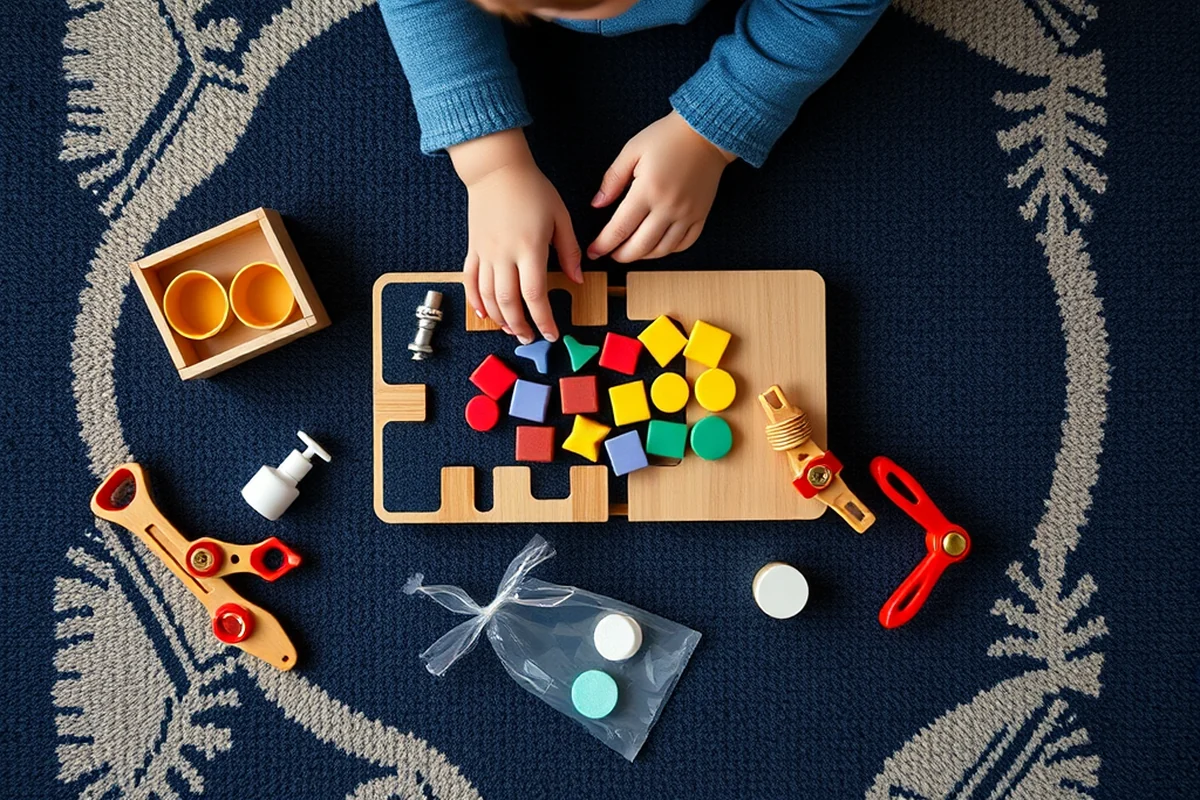
Sensory play phases for beginners thrive in a home environment that’s safe, accessible, and stocked with a variety of sensory materials. This means having bins, containers, and tools ready that are both child-friendly and easy to clean.
I created a small sensory corner in my living room with a few bins and a small mat. This space became a go-to spot for my daughter to explore and play, and I noticed that she was more relaxed and engaged when she had this space to herself.
Setting up a sensory-friendly environment at home doesn’t require a lot of space or money. It’s about being intentional with the materials you choose and making sure they’re within your child’s reach.
Related: Best sensory play troubleshooting
The Long-Term Benefits of Early Sensory Play
Sensory play phases for beginners aren't just about the immediate joy of exploration. They can have lasting effects on your child’s ability to process information, regulate emotions, and interact with the world around them.
I’ve seen how sensory play has helped my daughter with emotional regulation. When she’s stressed or overwhelmed, she often returns to her sensory bins — a habit that has helped her manage her feelings in a healthy way.
Studies show that children who engage in consistent sensory play during their early years tend to have better attention spans, higher self-regulation, and stronger problem-solving skills as they grow older. This makes the investment in early sensory play not only valuable but essential.
👶 Gentle Approach
A slow, low-impact introduction to sensory play that focuses on comfort and safety, ideal for very young babies or those with sensory sensitivities.
🚀 Fast-Track Approach
A quicker way to introduce a variety of sensory tools and activities that work for busy parents or those looking to accelerate their child’s exploration.
🧳 Travel/On-the-Go Approach
Portable and easy-to-clean sensory items that can be taken anywhere — perfect for parents who are always on the move.
👯♀️ Multiple Children Approach
A strategy for managing sensory play with multiple kids, focusing on shared tools and activities that keep all children engaged.
🔄 Regression Reset Approach
A way to re-introduce sensory play during periods of developmental regression or when a child becomes disengaged with their usual activities.
| The mistake | Why it happens | The fix |
|---|---|---|
| Using unsafe materials for sensory play | Using small, sharp, or toxic items can pose a serious risk to your child's safety, especially during the early stages of sensory play. | Always choose sensory materials that are safe, age-appropriate, and easy to clean. Avoid anything that could be a choking hazard or cause harm. |
| Overloading your child with too many sensory options at once | Too many sensory options can overwhelm your child and make it difficult for them to focus or engage with any one activity. | Introduce a few new sensory items at a time and observe how your child interacts with them. This helps them build confidence and engagement gradually. |
| Not cleaning sensory play materials regularly | Dirty or unclean materials can lead to germs, infections, or even allergic reactions, especially in young children. | Wash sensory materials regularly with mild soap and water, and store them in a clean, dry place. This helps keep your child safe and makes the experience more enjoyable. |
| Ignoring your child’s sensory preferences | Every child has unique sensory needs and preferences, and ignoring these can lead to disengagement or frustration. | Pay attention to how your child responds to different textures, sounds, and colors. Use this information to tailor their sensory experiences to what they enjoy and find comforting. |
Related: Sensory play troubleshooting phases on a budget
Sensory Play Phases For Beginners
Related: Sensory play troubleshooting on a budget
Common Questions
What are the most important sensory materials for beginners?
How often should I introduce new sensory experiences?
Can I use everyday items for sensory play?
What if my child shows signs of sensory aversion?
References
- Early sensory experience influences the development of multisensory ... (pmc.ncbi.nlm.nih.gov)
- The Impact of Sensory Integration Developmental Delays and How ... (digitalcommons.gardner-webb.edu)
- The Powerful Role of Play in Early Education (cde.ca.gov)
Cite this guide
PlayMessy (2026). Sensory Play Phases For Beginners. https://playmessy.com/sensory-play-phases-for-beginners/
Feel free to cite or share this guide.