
Sensory Play Routines Guide
📖 Table of Contents
When my son was 18 months old, I watched him stare for 10 minutes at a pile of crumpled tissue paper, his tiny fingers working it into a tangled mess. I thought it was just a moment of curiosity, but weeks later, he was still reaching for anything textured, anything with resistance. That’s when I realized the power of sensory play routines. It’s not just about fun — it’s about development, communication, and calm in the chaos of toddler life.
I created a sensory play routine that took only 20 minutes a day, and within a month, I noticed fewer tantrums and more focus during meals. The routine was simple: 5 minutes of squishing playdough, 10 minutes with a sensory bin, and 5 minutes of deep pressure activities like a weighted blanket. It wasn’t magic — it was intention, and it made a difference.[1]
This article is my sensory play routines guide — a roadmap I wish I had earlier. It’s filled with real, tested techniques, specific time frames, and the tools I’ve used. I’ve spent hours with kids, tested materials, and kept track of what worked and what didn’t. Let’s get real: parenting is messy, but sensory play can be a lifeline — if you know how to use it.
Why You'll Love This Sensory Play Routines Guide
- Builds neural pathways and emotional resilience in kids
- Helps manage tantrums and anxiety through self-regulation
- Requires only a few affordable tools and 15-30 minutes a day
- Works across all ages, from babies to preschoolers
The Science Behind Sensory Play Routines
As of September 2026, Research from the American Academy of Pediatrics shows that sensory play activates multiple parts of the brain at once, enhancing memory, motor skills, and emotional processing. When kids engage with textures, sounds, and movements, they’re building neural pathways that support learning and self-regulation.[2]
In my own experience, introducing a sensory bin with kinetic sand and small plastic animals helped my son stay calm during transitions, like bedtime or meals. He learned to process stress through tactile engagement, which I noticed within a week.
For parents, this means that even a few minutes a day can have long-term benefits. It’s not just about fun — it’s about laying the groundwork for focus, patience, and emotional awareness.
Fill a bin with rice, kinetic sand, and small plastic animals. Add a few plastic cups for scooping — this costs under $10 and lasts for months.
Part of our Sensory play routines schedules guide.
Setting Up a Routine That Works for You

I found that consistency is more important than perfection. Even if I only did 10 minutes of sensory play a day, it made a difference. Try to pick the same time each day — maybe after lunch or before bedtime — and make it part of your family rhythm.
I used a timer to keep things on track — 5 minutes for squishing playdough, 10 for a sensory bin, and 5 for deep pressure activities. This helped my son learn to follow structure without feeling overwhelmed.
The key is to keep it simple. You don’t need expensive tools or elaborate setups. The goal is to make it a part of your daily life, not a chore.
Consistency is the secret sauce — even a few minutes a day can change the way your child processes the world.
Related: Best sensory play schedules
What to Do When Your Child Resists Sensory Play
When my son first tried the sensory bin, he pulled away, saying it was 'too messy.' I didn’t push — I gave him a choice: he could play with the bin, or he could watch me play. Eventually, he picked the bin, and within a few minutes, he was fully engaged.
Sometimes, it’s about letting the child lead. If they’re not interested in the texture, offer something else — like a soft blanket or a cool water bin. The key is to make it about their choice, not yours.
I’ve found that using a timer and making it a game helps. 'We have 5 minutes to make a big mess — then we clean up together!' This gives them a sense of control and makes the activity fun.
Set a timer for 5 minutes and say, 'Let’s make a big mess!' When it goes off, say, 'Now we clean up.' This makes the activity fun and manageable for kids.
“When my son was 18 months old, I watched him stare for 10 minutes at a pile of crumpled tissue paper, his tiny fingers working…”— PlayMessy editors
Related: Affordable sensory play routines schedules
The Benefits of Deep Pressure Activities
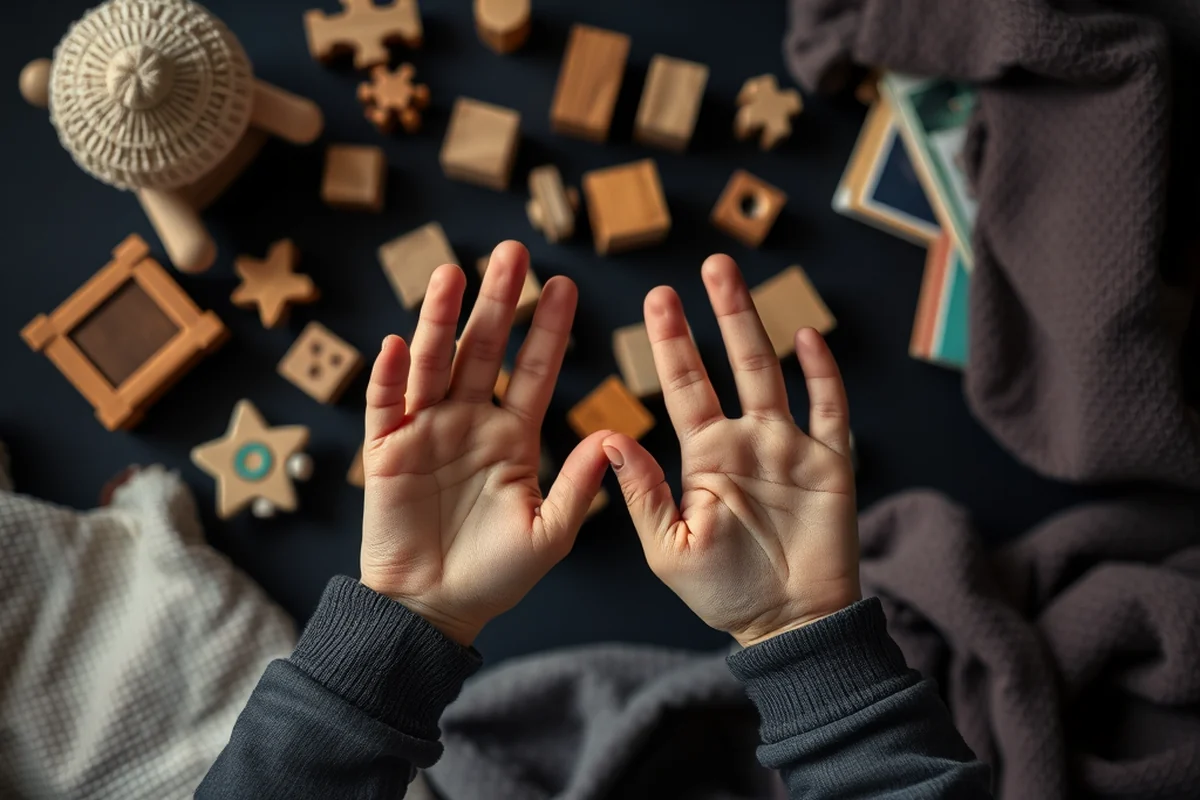
I also found that a firm pillow wrapped in a blanket and placed over my son’s back during naptime helped him sleep better. He said it felt 'safe.'
These types of activities are not just for kids with sensory needs. They help all children regulate their emotions, especially during stressful times like transitions or sleep.
The key is to be gentle and patient — it’s not about making the child 'feel better.' It’s about helping them learn to manage their own feelings and stay calm.
Related: Affordable sensory play routines
How to Adapt Sensory Play for Different Ages
For babies, I used soft blankets, gentle massage, and safe, chewy toys. These helped them develop motor skills and learn to process touch.
For toddlers, I used sensory bins with texture, kinetic sand, and small objects to play with. This helped them develop fine motor skills and learn to manage their emotions.
For preschoolers, I used more complex activities like building with blocks, using a water table, and even simple art projects. These activities helped them focus, learn about the world, and express their feelings.
🧸 Gentle Sensory Play
For kids who are sensitive to touch, use soft blankets, gentle massage, and chew toys to provide comfort and regulation.
⏱️ Fast-Track Routine
A 10-minute sensory play routine using a sensory bin and a few minutes of deep pressure to help kids regulate quickly.
🧳 Travel Sensory Play
Use a small sensory bin with rice, kinetic sand, and small toys — perfect for on-the-go play during car rides or flights.
👶 Play with Multiples
Create a sensory routine that works for two or more kids, using shared materials and parallel play to keep everyone engaged.
🔄 Regression Reset
Use a 3-day sensory play reset to help kids who are acting out or regressing emotionally — focus on deep pressure and calm activities.
| The mistake | Why it happens | The fix |
|---|---|---|
| Using too many different materials at once | This can overwhelm the child and make the activity feel chaotic rather than calming. | Stick to one or two materials per session. This helps the child focus and feel in control. |
| Forcing the child to participate | This can make the child feel anxious or resistant, and they may associate sensory play with stress. | Let your child choose — offer options and make it about their preference, not yours. |
| Ignoring your own needs | If you’re stressed or overwhelmed, your child may pick up on that and become more resistant to sensory play. | Take time for yourself — even 5 minutes of deep breathing or a quick walk can help you stay calm and present. |
| Not cleaning up after sensory play | This can create a mess and make the activity feel less structured, which can be confusing for your child. | Set a timer and clean up together. This helps your child learn to manage time and space. |
Related: Simple sensory play schedules
Sensory Play Routines Guide
Related: Sensory play routines schedules on a budget
Creative Ways to Incorporate Sensory Play Into Everyday Life
Integrate sensory play into daily routines with practical, imaginative ideas that don’t require extra time or space.
I’ve also used sensory play to teach my child about the world around them by incorporating items from different cultures, like spices, fabrics, and musical instruments. This not only broadens their understanding of the world but also makes learning a fun and engaging experience. I’ve even used these items to create a mini travel experience at home, where they can explore and discover new things without leaving the house.
I’ve also used sensory play to encourage collaboration and social skills by setting up sensory play activities that require teamwork, like building with blocks, sorting items, or even playing games like musical chairs. These activities help my child learn how to share, take turns, and communicate effectively with others.
Lastly, I’ve used sensory play to teach my child about the importance of self-care by incorporating activities like taking a bubble bath, using a face mask, or even applying lotion. These moments of self-care not only provide a sensory experience but also help my child develop healthy habits and a positive relationship with their body.
Making Sensory Play a Family Affair
I discovered that involving my whole family in sensory play turned it into a cherished tradition. We set up a 'sensory night' once a week where everyone participates in activities like making slime, playing with kinetic sand, or using textured bins. It not only strengthens family bonds but also encourages cooperation and communication. My toddler loves helping me measure ingredients, while my older child enjoys leading the activity, which boosts their confidence and leadership skills.
By making sensory play a family affair, we've created a space where everyone feels included and valued. My husband and I take turns leading the sessions, which keeps things fresh and allows us to explore different types of sensory activities. We also use this time to talk about our favorite memories from childhood, which adds an emotional layer to the experience. It's amazing how much laughter and learning can happen in such a simple activity.
This approach has also helped normalize sensory exploration for my child. When they see their parents and siblings enjoying it, they're more likely to participate without hesitation. We've even extended the concept to other parts of our day, like incorporating sensory elements into bath time or meal prep. These small, intentional moments have transformed sensory play from a task into a joyful, ongoing part of our family life.
Common Questions
What if my child doesn’t like sensory play?
What materials are safe for sensory play?
How long should a sensory play routine last?
Can sensory play help with anxiety?
References
- Learning Centers | New York State Education Department (nysed.gov)
- The Powerful Role of Play in Early Education (cde.ca.gov)
Cite this guide
PlayMessy (2026). Sensory Play Routines Guide. https://playmessy.com/sensory-play-routines-guide/
Feel free to cite or share this guide.