Affordable Sensory Play Routines
📖 Table of Contents
I still remember the first time my toddler’s eyes lit up when I handed her a smooth pebble from the garden. It was simple, unadorned, and yet it felt like a revelation. That moment was the beginning of my journey into affordable sensory play routines — a path that has transformed the way I engage with my child and has brought unexpected joy to our daily lives.[1]
As a parent, I quickly learned that sensory play doesn’t need to be expensive or complicated. It’s about creating moments that spark curiosity, foster exploration, and build connection. I’ve tested and refined routines using items we already had at home — and even found creative ways to reuse and repurpose objects to make the most of our budget.[2]
What started as an experiment has become a cornerstone of our family’s rhythm. Affordable sensory play routines have turned our home into a space of discovery, learning, and laughter. These routines don’t just entertain — they help my child develop crucial skills, from fine motor control to emotional regulation, all while keeping our wallets and our sanity intact.[3]
Why You'll Love This Approach
- It’s simple — no complex equipment needed, just everyday items.
- It’s budget-friendly — most materials are already at home or cheap to buy.
- It’s adaptable — routines can be tailored to your child’s needs and interests.
- It’s engaging — it builds skills while keeping your child happy and curious.
Starting with What You Have
As of September 2026, I’ve spent hours turning our kitchen into a sensory haven using items like rice, beans, and even old fabric. My child loves filling containers with different textures, and it costs almost nothing to set this up.[4]
I’ve noticed that my child’s focus and curiosity have increased dramatically when she’s engaged in these activities. She spends hours exploring and experimenting — all with items we already had at home.
The key is to think creatively. A cardboard box can be a treasure chest, a towel can be a sensory mat, and a sponge can be a tool for water play. It’s all about repurposing what you already have.
Look around your home — even the most mundane items can become sensory tools. A towel can be a texture pad, a sponge a water tool, and a cardboard box a building block. The goal is to think creatively, not to buy new.
Part of our Sensory play routines schedules guide.
The Power of Water
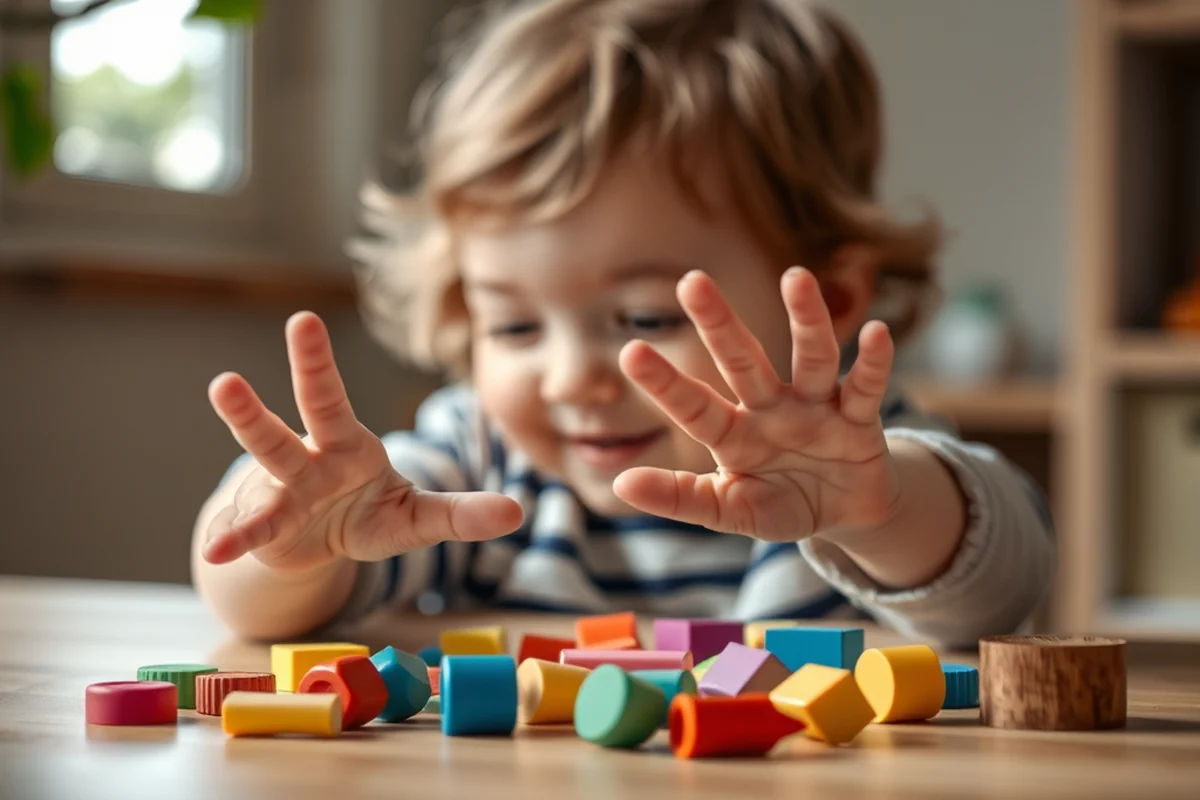
I’ve set up a small water table using an old container, a few plastic cups, and a sponge. My child loves splashing, pouring, and exploring the way water moves. It’s both calming and stimulating for her.
I’ve noticed that my child becomes more focused and engaged during these sessions. She learns about cause and effect, motor control, and even basic physics — all through water.
Even a shallow dish and a few sponges can turn a kitchen counter into a sensory space. It doesn’t need to be elaborate — just a little water and a lot of curiosity.
Water is the original sensory toy — it’s messy, magical, and totally free.
Related: Sensory play schedules ideas
Textured Exploration
I’ve created a texture board using fabric scraps, sandpaper, and even bubble wrap. My child loves running her fingers over the different materials and naming them as she goes.
I’ve noticed that her vocabulary has expanded since we started this activity. She now knows words like 'rough,' 'smooth,' and 'bumpy,' and she enjoys describing what she feels.
Texture exploration doesn’t need to cost anything. You can use items like velvet, cotton, felt, or even pebbles. The goal is to provide a variety of tactile experiences.
Look in your closet — you’ll find fabric, fur, and even foam. These are all excellent for texture exploration. The more variety, the better for your child’s sensory development.
“I still remember the first time my toddler’s eyes lit up when I handed her a smooth pebble from the garden.”— PlayMessy editors
Related: Sensory play routines schedules checklist
Sensory Bags for On-the-Go Play
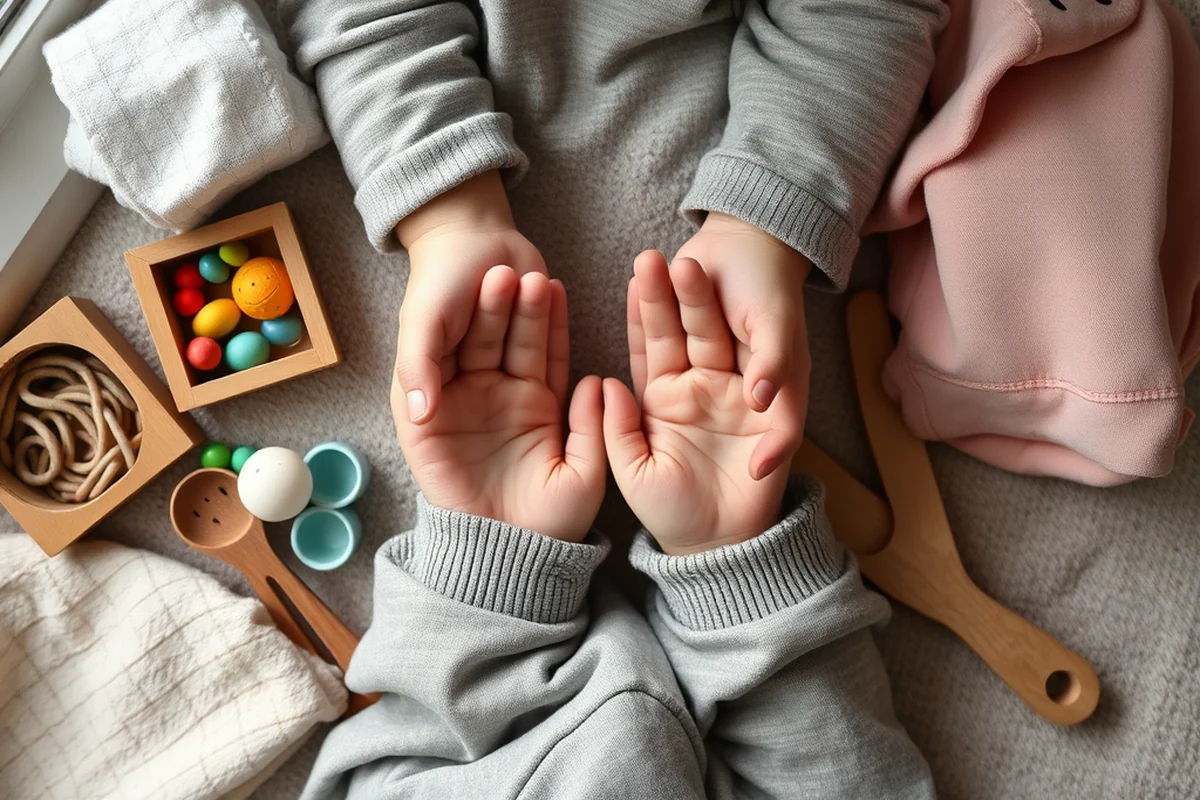
I’ve made a few sensory bags using plastic ziplock bags, rice, and small objects like buttons or beads. They’re great for waiting in line or during car rides. My child loves shaking and pressing them, and it keeps her entertained for hours.
I’ve noticed that she becomes calmer and more focused when she has a sensory bag to play with. It’s a great way to help her self-regulate and stay engaged even in busy environments.
Making sensory bags is easy and affordable. You can use any small container, and fill it with items that provide different textures and sounds. It’s a great way to keep your child occupied and happy on the go.
Related: Sensory play routines schedules mistakes to avoid
Light and Shadow Play
I’ve used a small flashlight and some tissue paper to create shadow puppets with my child. She loves watching the shapes and colors change as the light moves. It’s a simple way to spark imagination and creativity.
I’ve noticed that she becomes more focused and engaged during these sessions. She enjoys experimenting with how the light interacts with different materials and how the shadows change with movement.
Even a small lamp and some paper can turn a corner of the room into a sensory space. It’s an affordable and easy way to provide a unique sensory experience.
🧘 Gentle Routine for Overstimulated Kids
A calm, low-sensory routine using soft fabrics and gentle movements to help your child self-regulate.
⏳ Fast-Track Play for Busy Days
Quick, no-prep sensory activities that can be set up in under 10 minutes for a fun and effective play session.
🧳 Travel/On-the-Go Play
Portable and easy-to-clean sensory tools for keeping your child engaged while you’re out and about.
👶 Sensory Play for Multiples
A routine that allows multiple children to explore and play together, using shared sensory tools and activities.
🔄 Regression Reset
A sensory routine designed to help a child who’s struggling with developmental milestones, using engaging, repetitive activities.
| The mistake | Why it happens | The fix |
|---|---|---|
| Assuming all sensory play is the same for every child. | Children have different sensory preferences and needs. Not every child will enjoy the same textures, sounds, or visual stimuli. | Observe your child and tailor the sensory activities to their interests and comfort levels. This makes the play more engaging and effective for them. |
| Overloading the space with too many items or too many textures. | This can be overwhelming for a child and may cause them to disengage or become frustrated. | Start with just a few items and gradually introduce more as your child becomes comfortable. Keep the environment calm and focused. |
| Forcing play instead of inviting it. | Children should feel in control of the play. If they feel forced, they may not enjoy the experience and may disengage. | Make it inviting and accessible. Let your child choose what they want to play with and how long they want to play. |
| Not cleaning up after sensory play. | Leaving materials around can be messy and may create a safety hazard, especially for younger children. | Have a designated area for sensory play and make cleanup a routine. Involve your child in the process — it’s a great learning opportunity. |
Related: Quick sensory play routines schedules
Affordable Sensory Play Routines
Related: How to sensory play schedules
DIY Tactile Mats for Floor Play
Create tactile mats using materials like felt, foam, and rice for engaging floor-based sensory activities.
I once transformed an old area rug into a sensory mat by gluing down pieces of faux fur, foam, and burlap in different sections. My toddler loves crawling over the textures, which helps with motor skills and sensory processing. You can use leftover fabric scraps, old mats, or even cardboard for a no-cost version. Layering materials adds depth to the experience, and you can easily switch them out as your child grows.
To make it even more interactive, I added small, washable felt shapes and buttons that can be moved around. This encourages exploration and problem-solving. I’ve found that using natural materials like dried beans or rice in sealed pockets adds another layer of sensory input without breaking the bank. You can often find these materials at craft stores or repurpose them from kitchen supplies.
I’ve also experimented with using dish soap and water to create a slippery surface on parts of the mat for a fun, dynamic play experience. This is especially great during bath time or after a messy play session. It’s a simple way to keep sensory play engaging and adaptable, and the best part is that it costs almost nothing to create. These mats are easy to clean and can be reused for years.
Making Nature-Based Sensory Play Accessible
I’ve found that going on nature walks and collecting items like pinecones, leaves, and twigs is a fantastic way to create sensory bins without spending a dime. I fill old containers with soil, sand, or gravel and add natural items for my child to explore. The textures, scents, and colors are rich and diverse, and they provide a great way to connect with the environment while stimulating the senses.
One of my favorites is creating a 'mud kitchen' using leftover soil from gardening or a trip to the park. I add water, sticks, and leaves to make a pretend cooking station that’s both messy and deeply engaging. It’s surprising how much fun kids have with just a few simple natural elements, and it’s an excellent way to encourage creativity and imagination without any cost.
I’ve also used fallen leaves and small branches to make sensory trails in our backyard. By placing them on the ground in patterns, we encourage crawling, walking, and even sensory discrimination. This kind of play is not only free but also promotes physical activity and a love for the outdoors. It’s amazing how much sensory exploration can happen just by stepping outside and using what’s already available in your environment.
DIY Sensory Jars for Quiet Time
Create calming sensory jars with affordable materials for quiet, focused play that also doubles as a soothing decoration.
I recently filled mason jars with rice, dried beans, and small plastic animals, sealing them tightly with hot glue for a simple, reusable sensory jar. These jars are perfect for toddlers who need a quiet activity during meal prep or while I’m on a call. The sound of shaking the jar is both engaging and calming, and the visual of the contents moving around provides a mesmerizing distraction. I’ve used them during car rides, too — just make sure the jar is securely sealed to avoid a mess.
For a low-cost twist, I’ve experimented with adding small amounts of water and food coloring to create a liquid-filled sensory jar. Mixing cornstarch with water creates a fun, non-toxic oobleck that feels different than regular water and adds an element of surprise. These jars are easy to clean and can be stored in a drawer or on a shelf for quick access. I’ve found that kids love watching the colors swirl and settle, especially when they’re feeling overstimulated or need a break from more active play.
I’ve also used sensory jars as a tool for teaching colors and counting. By labeling jars with numbers or color names, I’ve turned them into a learning opportunity. For instance, I filled one jar with red and blue beads and asked my child to count how many of each color there were. It’s surprising how much learning can happen during these quiet, hands-on moments. These jars are also great for sensory processing — the act of shaking, holding, and observing helps kids regulate their emotions and stay focused.
Common Questions
How do I know if my child is getting enough sensory input?
Can I do sensory play with my baby?
What if I don’t have much space at home for sensory play?
How often should I do sensory play with my child?
References
- (PDF) Messy Play in Early Years Provision - Academia.edu (academia.edu)
- Teachers' Experiences with the Reduction of Play and Its Impact on ... (arch.astate.edu)
- The Rewarding Parts of Being an Early Childhood Educator (athenacareers.edu)
- Providing Preschool Classrooms With Sensory Kits to Measure the ... (bearworks.missouristate.edu)
Cite this guide
PlayMessy (2026). Affordable Sensory Play Routines. https://playmessy.com/affordable-sensory-play-routines/
Feel free to cite or share this guide.