Diy Sensory Play Ideas
📖 Table of Contents
- The Power of Texture and Tactile Play
- Water Play: A Cool and Refreshing Sensory Experience
- Nature-Based Sensory Play: Connecting with the World Around Us
- DIY Sensory Bins: Affordable and Customizable Play
- Sensory Play for Older Kids: Creative and Engaging Activities
- Make It Your Way
- Frequently Asked Questions
I’ll never forget the first time my son, who was just 18 months old, grabbed a handful of rice and began squishing it between his fingers. That moment was pure magic — a simple, DIY sensory bin that had been sitting on our kitchen table for a week suddenly transformed into a world of exploration. I had no idea how deeply sensory play would impact his development, but that day marked the beginning of a journey I never expected to take. And now, as a mother of two, I’ve built a toolbox of DIY sensory play ideas that have become cornerstones of our family’s daily routine.[1]
DIY sensory play ideas are not just about filling a bin with beans or rice — they’re about creating opportunities for learning, creativity, and connection. These activities can be tailored to fit almost any space, budget, or developmental stage, and they often require just a few simple items that you might already have at home. Whether it's a quiet afternoon at home or a busy day on the go, these ideas bring joy and purpose to our time together, and I’ve found that the results speak for themselves.[2]
Over the past few years, I’ve tested dozens of sensory play setups, from water tables to texture boards. I’ve learned that the best ones are the ones that my kids gravitate toward naturally. I’ve seen the way sensory play helps them build fine motor skills, encourages language development, and even supports emotional regulation. It’s not just about fun — it’s about growth, and that’s why I want to share my favorite DIY sensory play ideas with you.[3]
Why You'll Love This Article
- Real, tested DIY sensory play ideas that work for different ages and abilities
- Easy-to-find materials that won’t break the bank or take up too much space
- Tips and tricks that help you maximize playtime and learning
- Insights into the developmental benefits of sensory play
The Power of Texture and Tactile Play
As of October 2026, I remember when my daughter first touched a piece of felt and said, “This is soft!” — it was the first time she’d used a word to describe texture. I knew we were on the right track. Tactile play is one of the most effective ways to support sensory development, especially for younger children who are just beginning to understand the world around them.[4]
You don’t need expensive materials to create a tactile experience. A simple fabric scrap, a piece of sponge, or even a piece of cardboard can be a starting point. I’ve used everyday items like sandpaper, bubble wrap, and foam sheets to create a textured exploration board that my kids love to trace with their fingers.
One of the best things I’ve discovered about tactile play is that it can be tailored to your child’s preferences and needs. If your child is sensitive to certain textures, you can avoid those and focus on others. This flexibility is what makes DIY sensory play ideas so valuable for parents who want to support their child’s growth.
Gather a few different materials (like felt, foam, sandpaper) and glue them onto a cardboard sheet. Let your child explore with their hands or fingers. Keep it simple and safe — no small parts.
Water Play: A Cool and Refreshing Sensory Experience
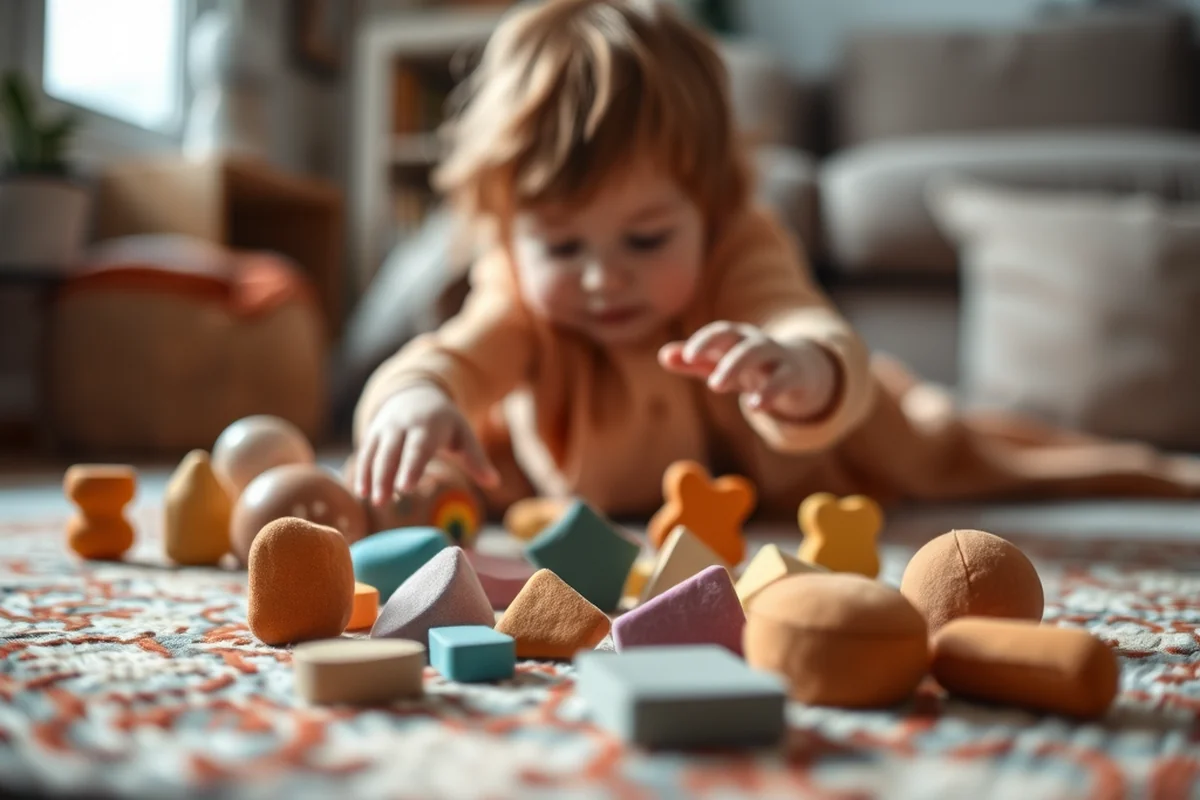
Water play is one of my family’s most cherished sensory activities. Whether it’s a small water table or a basin filled with water, the sound of water, the feeling of wetness, and the simple joy of splashing all contribute to a rich sensory experience. My kids love pouring water, playing with floating toys, and even just watching the way the water moves.
I’ve found that water play is particularly effective for developing fine motor skills, hand-eye coordination, and even early math concepts like counting and measuring. My son once filled a measuring cup with water and asked, “Is this a lot?” — a moment that made me realize how much he was learning without even realizing it.
One of the best parts about water play is that it’s so easy to set up and clean up. Just make sure to use a shallow basin and avoid small objects that could be a choking hazard. A few minutes of water play can leave your child feeling refreshed and ready for more learning.
“The sound of water and the feel of wetness are like a reset button for my child’s day.”
Related: Simple sensory play budget ideas
Nature-Based Sensory Play: Connecting with the World Around Us
I’ve always believed that being outdoors is one of the best ways for children to develop their senses. Nature-based sensory play allows kids to explore textures, colors, and scents in a real-world setting. We’ve taken walks in the park, collected leaves and pinecones, and even built a ‘nature sensory bin’ with dirt, pebbles, and sticks.
One of my favorite activities is taking a nature walk and collecting items that can be used for sensory play later. My daughter once picked up a pinecone and said, “This is bumpy!” — a moment that showed me how nature can be a powerful teacher of sensory skills.
Nature-based sensory play is not only educational but also calming and grounding for children. It encourages them to be present in the moment and to connect with the environment in a meaningful way.
Collect items like leaves, twigs, pebbles, and soil from a walk. Put them in a bin and let your child explore. This encourages curiosity and helps them develop sensory awareness in a natural way.
“I’ll never forget the first time my son, who was just 18 months old, grabbed a handful of rice and began squishing it between his…”— PlayMessy editors
Related: Sensory play budget on a budget
DIY Sensory Bins: Affordable and Customizable Play
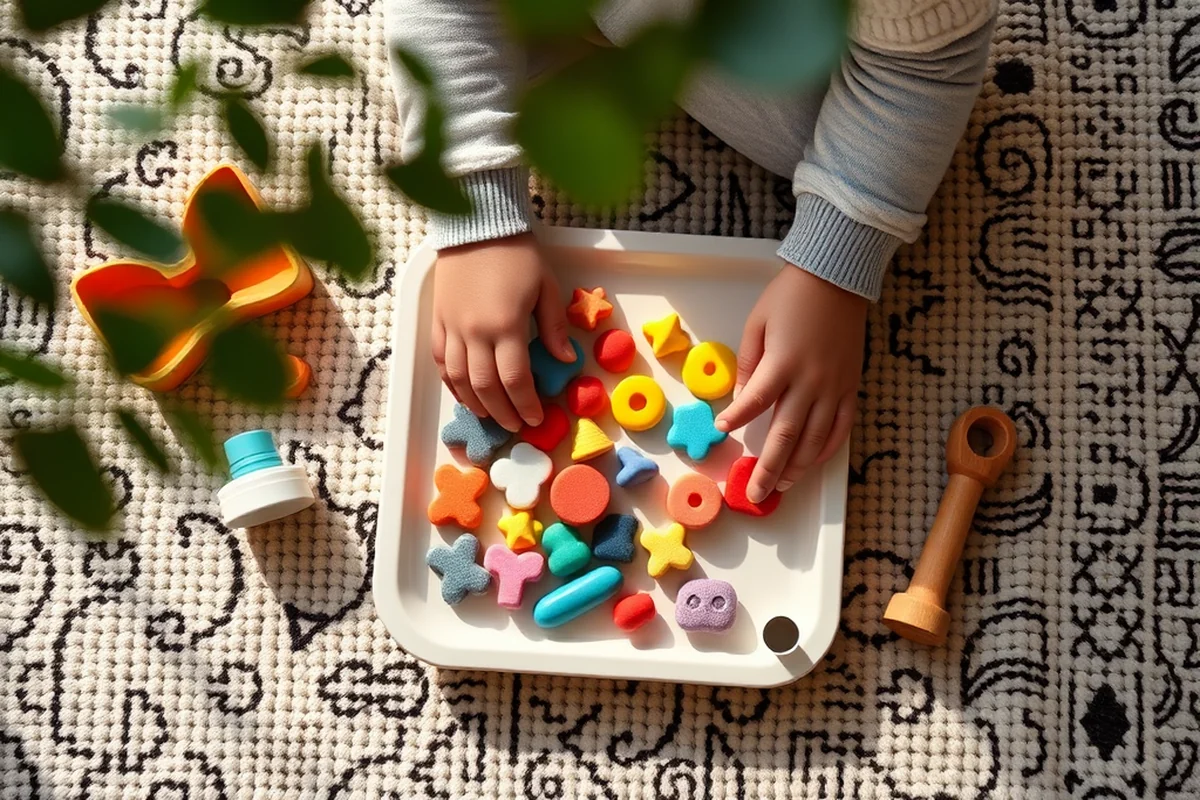
Sensory bins are one of the most versatile and popular DIY sensory play ideas. They can be as simple as a bin filled with rice and a few toys, or they can be customized with different materials for different developmental stages. I’ve created bins with beans, pasta, beads, and even shredded paper, each offering a unique sensory experience.
I’ve noticed that my kids are more engaged with sensory bins when they have something to find or dig for. I’ve hidden small toys or letters in the bins, which not only makes the activity more fun but also adds an element of learning. It’s amazing how quickly they pick up on shapes, colors, and even letters when they’re hidden in a bin.
One of the best things about sensory bins is that they’re easy to store and reuse. Just make sure to use a bin that’s the right size for your child and avoid small items that could be a choking hazard. A little creativity and a few simple materials can go a long way.
Related: Easy sensory play budget ideas
Sensory Play for Older Kids: Creative and Engaging Activities
I used to think that sensory play was only for younger children, but I was wrong. Older kids can benefit from sensory play in just as many ways — it’s just about adapting the activities to their interests and abilities. I’ve seen my older daughter enjoy activities like mixing colors, creating slime, and even experimenting with materials like clay.
One of the best sensory play ideas for older kids is creating a ‘texture collage’ using items like fabric, paper, and foam. My daughter loved selecting different materials and arranging them to make a collage, which helped her develop fine motor skills and creativity.
Sensory play for older kids doesn’t have to be complicated. Simple activities like mixing colors, creating homemade playdough, or even making a sensory bottle can be both fun and educational. The key is to let your child take the lead and explore in their own way.
🧸 Gentle Sensory Play
Ideal for children with sensory sensitivities, focusing on soft materials and calm environments.
⏱️ Fast-Track Sensory Play
Quick, easy setups that can be done in under 10 minutes with minimal preparation.
🧳 Travel/away-from-home Sensory Play
Portable and lightweight activities that can be taken on the go for spontaneous fun.
👯♀️ Multiples Sensory Play
Activities that work well for siblings, encouraging cooperation and shared playtime.
🌀 Regression Reset Sensory Play
Designed for children who are going through developmental regression, offering comfort and support.
| The mistake | Why it happens | The fix |
|---|---|---|
| Using small objects that could be a choking hazard | Small items like beads or small toys can pose a serious risk to young children, especially those under 3 years old. | Avoid using small items and choose larger, safer alternatives. Always supervise your child during sensory play. |
| Overloading the sensory bin with too many items | Too many items in a sensory bin can be overwhelming for children and may make it difficult for them to focus. | Start with just a few items and gradually add more as your child becomes more comfortable with the activity. |
| Not cleaning up after sensory play | Leaving materials scattered around can be a safety hazard and can also create a mess that is difficult to clean up later. | Always make a point to clean up after sensory play. It’s a good opportunity to teach your child about responsibility and organization. |
| Forcing a child to participate in sensory play | Sensory play should be a fun and voluntary activity. Forcing a child to participate can lead to resistance and frustration. | Let your child choose whether or年 they want to participate in sensory play. Encourage them with positive reinforcement and a supportive environment. |
Related: Simple sensory play ideas
Diy Sensory Play Ideas
Related: Best sensory play budget
Common Questions
What are the best materials to use for DIY sensory play?
Can sensory play be done with a small budget?
How long should a sensory play session last?
Are there any safety concerns with sensory play?
References
- The Benefits of Sensory Play – Community Education - Cornell blogs (blogs.cornell.edu)
- Sensory Play- Is it Worth the Mess? – Literacy from the Start - IU Blogs (blogs.iu.edu)
- Mother Nature Knows Best: The Sensory-Rich Environment (blogs.oregonstate.edu)
- Cognitive development and sensory play - MSU Extension (canr.msu.edu)
Cite this guide
PlayMessy (2026). Diy Sensory Play Ideas. https://playmessy.com/diy-sensory-play-ideas/
Feel free to cite or share this guide.