Minimalist Sensory Play Ideas
📖 Table of Contents
I remember the first time I realized that sensory play didn’t have to be complicated or expensive. My toddler was sitting in a puddle of spilled rice, giggling as she scooped it up with her hands, and I suddenly saw the power of simplicity. That moment led me down a path of experimenting with minimalist sensory play ideas—ones that required little time, few materials, and a lot of joy. These ideas are not just about saving money; they're about creating meaningful, sensory-rich experiences without the clutter.[2]
As a parent, I’ve learned that the best sensory activities often come from everyday objects. Whether it’s a bag of dried beans, a bowl of water, or a handful of pasta, the key is how you engage your child with them. I started collecting these ideas over the past year, testing them with my own kids and friends. Each one has delivered something unexpected: a deeper connection, a spark of creativity, or even a new way of thinking about play.[3]
The minimalist approach to sensory play has also helped me simplify my own life. Instead of buying expensive sensory kits or filling our home with plastic toys that don’t last, I found that simple, natural materials can be just as, if not more, effective. It’s about intention, not quantity. That’s why I want to share these minimalist sensory play ideas with you—because they’re practical, affordable, and deeply satisfying.[4]
Why You'll Love This Sensory Play Approach
- It uses everyday items you likely already have at home, saving you time and money.
- It encourages creativity and problem-solving without the need for complicated tools or instructions.
- It reduces clutter and overstimulation, making playtime calmer and more focused.
- It's incredibly adaptable for different ages and abilities, making it suitable for all children.
The Power of Natural Materials
As of August 2026, I once filled a small container with water and a handful of leaves for my toddler, and it became an instant hit. She spent over an hour exploring the textures, watching the leaves float, and even trying to 'catch' them with her fingers. This kind of play is not only engaging but also teaches basic scientific concepts like buoyancy and texture in a natural way.
Natural materials are also safer for children, as they’re less likely to have small parts that could be choking hazards. Plus, they’re more sustainable—why buy a sensory bin filled with synthetic beads when you can use your own backyard?
I’ve noticed that when I use natural materials, my kids are more curious and engaged. It’s like they’re discovering the world for the first time, and that’s a feeling I want to nurture as much as possible.
Look in your kitchen, garden, or laundry room. Rice, flour, oats, and even clean socks can be turned into sensory tools with a little imagination.
Part of our Sensory play guide.
How Minimalist Play Builds Confidence
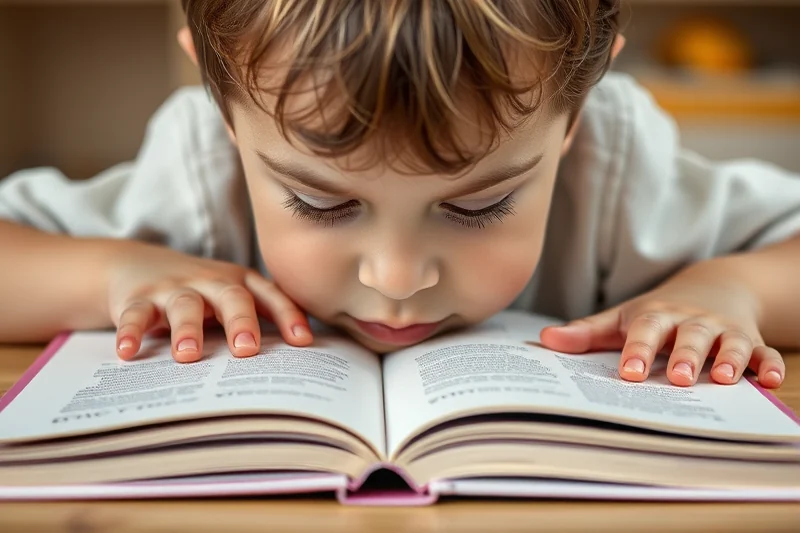
When I limited my toddler’s playtime to a single container of rice and a few wooden spoons, I was surprised by how much she learned. She figured out how to pour, scoop, and even make patterns in the rice on her own. There was no instruction, no pressure—just her exploring and discovering.
This kind of play builds confidence and independence. It allows children to set the pace and make choices, which is crucial for their development. I’ve seen this in action with friends’ kids, too—when given just a few materials, they become more creative and persistent.
I’ve realized that overstimulating environments can sometimes hinder learning. Minimalist play creates a calm space where focus and curiosity can thrive.
Simple materials can spark big ideas.
Related: Sensory play for beginners ideas
Related: Budget sensory play ideas
Related: Fast play based learning
Related: Sensory play for beginners
Related: Fast sensory play for 6 month old
Sensory Play on a Budget
I’ve tested this with my own family and found that a few simple items can go a long way. A small tub of water, some kitchen items like measuring cups and spoons. A few safe items from around the house (like clean pasta or beads) can make a sensory bin that lasts for weeks.
Using everyday items not only saves money but also makes playtime more relatable. When a child uses a spoon from the kitchen, it feels more like a real-life tool, which helps reinforce learning through familiar objects.
I’ve been amazed by how much fun my kids have with these no-cost or low-cost items. They don’t need a flashy sensory toy to enjoy play—they just need a chance to explore and experiment.
Old containers, fabric scraps, and even broken toys can be cleaned and turned into sensory tools. A little creativity goes a long way.
“I remember the first time I realized that sensory play didn’t have to be complicated or expensive.”— PlayMessy editors
The Benefits of Minimalist Sensory Play
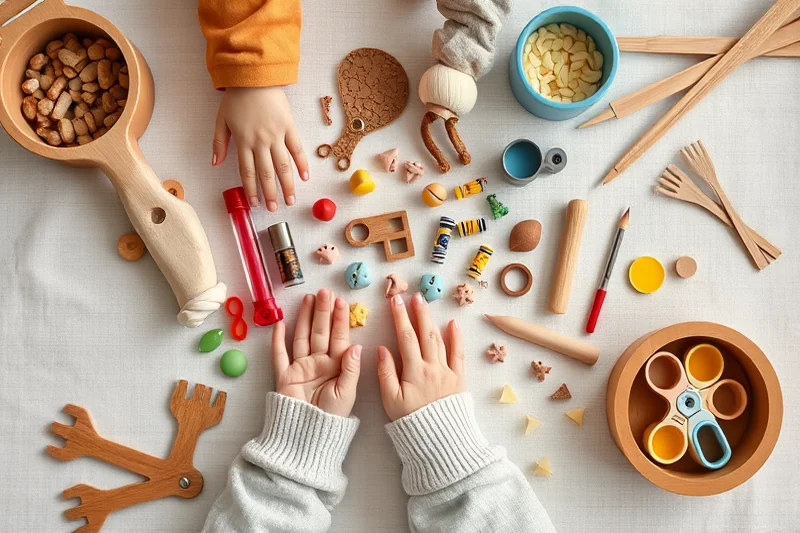
I’ve noticed that when I simplify our playtime, I feel less stressed and overwhelmed. There’s no need to constantly buy new materials or clean up after elaborate setups. It’s just a few items on the floor, and that’s it.
My child also seems more relaxed when there are fewer distractions. She can focus on the activity at hand without being overwhelmed by too many choices or too much noise.
This approach has helped me create a more peaceful home life. We spend more time playing and less time cleaning, and that’s a win-win for everyone.
Sensory Play That Lasts
Unlike plastic toys that break or lose their appeal quickly, natural materials can be reused, washed, and repurposed. A bag of rice or beans can be used over and over again for different activities.
I’ve found that my kids are more invested in these kinds of play because they can see the materials being used in multiple ways. A container of beans can become a sorting game, a counting activity, or even a dramatic play prop.
The sustainability of this approach has also made me think about how I can incorporate more eco-friendly habits into our family life. It’s a small change that makes a big impact.
⭐ Classic
Use a single material, like rice or beans, and simple tools for a straightforward sensory experience.
💰 Budget
Use free or low-cost items like pasta, flour, or even clean socks to create a sensory bin.
⚡ Extra-Fast
Grab a few items from around the house and start playing immediately with no prep time.
✨ Depth
Add layers to your sensory play by incorporating textures, colors, and even scents into the mix.
🥗 Light
Use natural, non-toxic materials like leaves, sand, or water for a gentle and calming sensory experience.
| The mistake | Why it happens | The fix |
|---|---|---|
| Using small, unsafe materials like beads or marbles. | These can be a choking hazard for young children. | Opt for larger items like beans, pasta, or rice, which are safer for sensory play. |
| Forgetting to clean up after play. | This can create a mess and discourage future playtime. | Always clean up after each session and store materials in a sealed container. |
| Not adapting the activities to your child’s age or interests. | This can lead to disinterest or frustration. | Tailor the sensory play to your child’s developmental stage and what they enjoy. |
| Overloading the play area with too many materials. | This can overwhelm your child and make the activity less effective. | Limit the number of materials to a few items at a time, focusing on quality over quantity. |
What You'll Need tap to check off
- 1 lb Dried beans (or rice)
- ½ cup Water (for wet sensory play)
- Wooden spoons or small scoops (optional)
Method tap a step when done
- Gather your materials. Choose a dry, safe material like dried beans, rice, or pasta. For wet play, add a small amount of water to a container.
- Place the materials into a large, open container. For wet play, you can use a shallow bin or a clean plastic container.
- Add optional tools like wooden spoons or small scoops for your child to use. If you're using rice or beans, it's best to do this in a contained space to minimize mess.
- Invite your child to explore. Let them scoop, pour, and sort the materials as they wish. There's no need for any instruction—just watch and enjoy.
- Clean up as needed. Most of these materials can be easily washed and reused for future play.
- Store the materials in a sealed container for future use. This keeps them clean and ready for the next play session.
Key Facts
Minimalist Sensory Play Ideas
Common Questions
What are some of the best materials to use for minimalist sensory play?
How can I keep my child’s sensory play area clean?
Can I use these ideas for older children as well?
Is there a way to make sensory play more engaging for my child?
References
- The Benefits of Sensory Play - Community Education (blogs.cornell.edu)
- Ch. 5 Sensory Play - Play and Learning in Early Childhood Education (pressbooks.usnh.edu)
- Sensory Spaces - Syracuse University (projectenable.syr.edu)
- Piaget's Sensorimotor Stage: Activities to Enhance the Cognitive ... (scholarworks.uni.edu)
Cite this guide
PlayMessy (2026). Minimalist Sensory Play Ideas. https://playmessy.com/minimalist-sensory-play-ideas/
Feel free to cite or share this guide.