Sensory Play By Age Stage On A Budget
📖 Table of Contents
I remember the first time my 2-year-old son sat in a sensory bin for 20 minutes without interruption — it felt like a small miracle. At the time, I was on a tight budget, and I had no idea how much sensory play could actually mean for his development. What I didn’t know then was that there are so many creative, low-cost ways to bring sensory experiences into his life, tailored to his age and needs.[1]
Sensory play by age stage on a budget isn’t just about saving money — it’s about understanding how your child’s brain develops and tailoring activities to that timeline. I’ve spent the last two years experimenting with DIY sensory bins, homemade playdough and even repurposed household items that transformed our home into a sensory-rich environment without breaking the bank.
If you’re like me, you’re probably wondering: how can I provide meaningful sensory experiences for my child without spending a fortune? The answer lies in knowing what developmental milestones each age stage requires and finding simple, affordable tools to meet them. This article walks you through exactly that — with real, tested ideas that have worked in our home.
Why You'll Love This Article
- Learn exactly what sensory tools your child needs at each developmental stage
- Get 10+ low-cost, high-impact sensory ideas tested in real life
- Discover how to tailor sensory play to your child’s unique needs and interests
- Avoid common mistakes that waste time and money
Sensory Play for Babies (0-12 Months)
As of September 2026, for infants, the key is to introduce sensory experiences that are safe and stimulating. I found that soft fabric textures, black and white high-contrast cards, and gentle rattles were perfect for my 8-month-old. These items are easy to find at secondhand stores or even in the laundry room.
I made a DIY baby sensory mat using old towels and safety pins. It was less than $5 and became a favorite for tummy time. The mat offered tactile stimulation and helped my baby develop muscle tone. By using items I already had at home, I saved money and time.
Another affordable option is to use a shallow container filled with safe, smooth objects like wooden blocks or silicone toys. I found that my baby would reach for them repeatedly, which boosted his hand-eye coordination and cognitive skills.
Use old towels and safety pins to create a sensory mat with varying textures. Place it on the floor and let your baby explore it during tummy time.
Part of our Sensory play by age stage guide.
Sensory Play for Toddlers (1-3 Years)

At this age, toddlers are curious and love to touch, taste, and manipulate objects. I created a sensory bin with rice and small plastic animals for my 2-year-old. He spent over 30 minutes digging and sorting — it was a win for both his motor skills and focus.[2]
I also discovered that a $2 dollar store bin can be filled with items like dried beans, pasta, or even sand for a sensory experience. I used a funnel and measuring cups to help my toddler learn counting and color recognition, all while having fun.
A key tip I learned was to let the child lead the play. When I allowed my son to choose which bin to play with, he was more engaged and excited to explore. This approach also helped him develop decision-making skills.
Letting your toddler lead the play makes sensory time more engaging and meaningful.
Related: Budget sensory play by age stage
Related: Sensory play stage for beginners
Related: Sensory play by age stage step by step
Related: Affordable sensory play stage
Related: Easy sensory play stage
Related: Diy sensory play by age stage
Related: How to sensory play stage
Related: Sensory play stage tips
Sensory Play for Preschoolers (3-5 Years)
I noticed that my 4-year-old loved activities that involved problem-solving, like sorting or building. I used a $5 dollar store bin and filled it with small, color-coded blocks. He would sort them by color and shape, which helped with his categorization skills.
Another favorite was making a DIY sensory table with a large container from a hardware store. I filled it with water, small toys, and a few floating items. It was easy to clean, and I could use it for multiple play sessions without worrying about mess.
I found that using a $10 dollar store kit with play dough and tools helped develop fine motor skills. My daughter would roll, pinch, and shape the dough, which was both educational and fun.
Use a large container from a hardware store and fill it with water, floating toys, and small items. Let your preschooler explore and problem-solve with the materials.
“I remember the first time my 2-year-old son sat in a sensory bin for 20 minutes without interruption — it felt like a small miracle.”— PlayMessy editors
Related: Sensory play stage mistakes to avoid
Related: Sensory play by age stage ideas
Related: Sensory play by age stage guide
Related: Sensory play by age stage examples
Related: Quick sensory play stage
Related: Sensory play stage checklist
Related: Easy sensory play by age stage
Sensory Play for School-Aged Kids (6-8 Years)
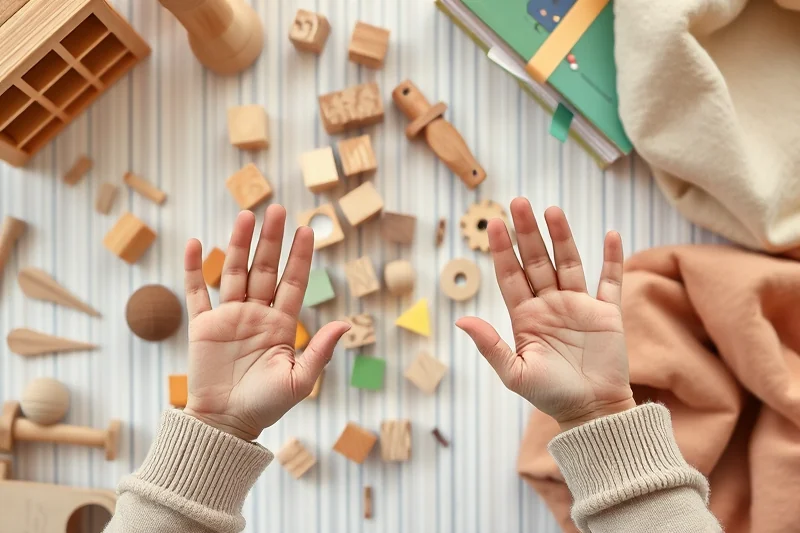
I found that my 7-year-old loved science-based sensory play. I used a $10 dollar store kit to create a slime-making activity. He loved mixing the ingredients and experimenting with different textures. It was a great way to teach him about chemical reactions and viscosity.[3]
Another favorite was a sensory bin filled with small items like beads, buttons, and pipe cleaners. He would sort and classify them, which helped with his organizational skills. I reused the bin multiple times, saving money in the process.
I also made a DIY sensory jar with items like confetti, dried flowers, and small beads. It was a hit at family gatherings and became a favorite activity for quiet time. It was easy to make and only cost me about $3.
Related: Best sensory play by age stage
Related: Sensory play stage guide
Related: How to sensory play by age stage
Related: Simple sensory play stage
Related: Sensory play stage printable
Related: Sensory play by age stage checklist
Related: Sensory play by age stage that actually work
Sensory Play for Older Kids (9-12 Years)
My 10-year-old enjoys sensory activities that involve building and designing. I used a $10 dollar store kit to create a DIY sensory board with magnetic tiles. He loved designing structures and exploring different combinations of shapes.
We also tried a sensory bin with items like small rocks, shells, and tiny figurines. He used it for storytelling and role-playing, which helped with his imagination and language skills. The bin was easy to clean and lasted several weeks.
I made a sensory jar filled with small gears, marbles, and tiny lights. It became a favorite activity for quiet time, and it was a great way to teach him about cause and effect and basic mechanics.
🧶 Gentle Approach
Ideal for babies and toddlers who need sensory play that is soft, slow, and non-stimulating. Focus on textures, gentle sounds, and low-impact activities.
⚡ Fast-Track Method
For parents who want to get a sensory play session up and running in under 10 minutes. Use ready-made items or quick DIY solutions that still provide value.
🧳 Travel/Away-From-Home
Perfect for families on the go. Use portable sensory bins, sensory bags, or even items from your luggage to create a mini-sensory experience anywhere.
👶 Multiples Approach
Designed for parents of multiple children. Use shared sensory activities that can be enjoyed by all ages, promoting bonding and shared learning.
🔄 Regression Reset
Ideal for parents who are introducing sensory play again after a break. Reconnect with your child through familiar materials and simple, engaging activities.
| The mistake | Why it happens | The fix |
|---|---|---|
| Using unsafe materials in sensory bins | Small, sharp, or choking hazard items can be dangerous for young children and may cause injury. | Always use safe, age-appropriate materials. Avoid items like glass, sharp objects, or small parts that could be swallowed. |
| Overloading the sensory experience | Too many items in a sensory bin can overwhelm your child and reduce engagement. | Start with just a few items and gradually add more as your child becomes more comfortable and engaged. |
| Not cleaning the sensory materials properly | Failing to clean sensory bins and items can lead to the spread of germs and bacteria, especially with shared use. | Wipe down sensory bins and items after each use. For deeper cleaning, use a mild soap and water solution. |
| Ignoring your child's interests | Forcing a child to engage with materials they don’t like can lead to resistance and frustration. | Let your child choose the materials they want to use. Offer a variety of options and let them lead the play. |
Related: Sensory play stage step by step
Related: Sensory play stage for small spaces
Related: Sensory play by age stage mistakes to avoid
Related: Best sensory play stage
Related: Diy sensory play stage
Sensory Play By Age Stage On A Budget
Related: Budget sensory play stage
Related: Quick sensory play by age stage
Related: Sensory play by age stage for beginners
Related: Sensory play stage on a budget
Sensory Play for Teens and Beyond (13+ Years)
Sensory play for teens can be both creative and cost-effective, using everyday materials and technology to keep them engaged.
When it comes to sensory play for teens, the focus shifts toward more complex and interactive experiences that challenge their growing cognitive and motor skills. I’ve found that items like kinetic sand, stress balls, and even DIY fidget toys made from old fabric or foam can be both stimulating and inexpensive. For instance, I once turned old socks and rice into sensory bags for my older kids, which cost less than $5 and kept them entertained for weeks. These activities also encourage mindfulness and emotional regulation, which are critical during the teenage years.
Sensory Play for Kids with Sensory Processing Needs
Sensory play can be especially beneficial for kids with sensory processing differences, and it doesn’t have to be expensive.
I’ve found that creating a calm, predictable sensory environment helps kids with sensory processing needs feel more secure and engaged. Using items like weighted blankets, fidget toys, and textured mats can be comforting and stimulating without breaking the bank. I’ve made my own fidget toys from old rubber bands and buttons, which cost nearly nothing but provide hours of therapeutic play. These items can help kids regulate their emotions and focus better during daily activities.
When shopping for sensory materials, I look for affordable, safe alternatives. For instance, a simple rice sensory bin can be made with a large plastic bin, rice from the grocery store, and a few small toys or containers for scooping and pouring. This type of play helps develop fine motor skills and hand-eye coordination, which are especially important for kids who may struggle with sensory overload. I’ve also used old fabric scraps and sewing supplies to make sensory bottles filled with beads or dried pasta, which are both visually appealing and soothing to touch.
I’ve also used household items like playdough made from flour, salt, and water—something I can whip up in minutes for under $2. These DIY options are not only budget-friendly but also customizable based on the child’s needs. For example, adding food coloring or essential oils can tailor the sensory experience for different sensitivities. I’ve noticed that involving kids in the creation process helps them feel more in control and invested in their play, which is a win for both sensory development and emotional well-being.
Common Questions
What are the best sensory materials for a baby?
How can I make sensory play more engaging for my toddler?
What sensory activities can I do with a preschooler?
What are some budget-friendly sensory activities for school-age kids?
References
- State of Alaska Early Learning Guidelines (education.alaska.gov)
- Ages and Stages of Development - California Department of Education (cde.ca.gov)
- Early childhood learning trajectories: The evidence base (files.eric.ed.gov)
Cite this guide
PlayMessy (2026). Sensory Play By Age Stage On A Budget. https://playmessy.com/sensory-play-by-age-stage-on-a-budget/
Feel free to cite or share this guide.