
The Store Play
📖 Table of Contents
I still remember the day my 2-year-old daughter turned a grocery store aisle into her own personal playground. She was chasing the cart, giggling at the sight of cereal boxes, and pretending to be a cashier with a toy money clip. It was during that moment that I realized how powerful the store play could be — not just for entertainment, but for learning, socializing, and even emotional regulation. That day became the start of a new routine: a weekly store play date that we now call our 'grocery adventure.'[1]
The store play is more than just a game — it's a window into your child's world. It's where they explore textures, colors, and sounds in a structured yet flexible environment. It's also where they learn about cause and effect, practice waiting, and even start to understand the concept of money. As a parent, I’ve learned that these moments are gold — not because they’re perfect, but because they’re real and messy and full of learning opportunities.
Over the years, I’ve refined our store play into a weekly ritual that fits into our busy lives without feeling forced or overwhelming. It’s a time when we can disconnect from screens, connect with each other, and let our child lead the way. The key is to keep it simple, keep it fun, and most importantly, keep it real. Whether we’re visiting the local market or a bigger supermarket, the store play has become one of our favorite ways to bond and grow.
Why You'll Love This Play Strategy
- Boosts cognitive development through real-world exploration
- Encourages social skills and emotional regulation
- Provides a low-cost, accessible learning environment
- Strengthens parent-child bonds through shared experiences
What is the Store Play?
As of September 2026, the store play is a dynamic, child-led activity where children explore the grocery store as if it were their own world. It’s not about shopping or buying — it’s about discovery, curiosity, and learning through experience. I’ve seen my daughter try to open every door, count the number of items on the shelf, and even mimic the cashier at the checkout. It’s a chance for her to engage with the world in a way that feels meaningful to her.[2]
This play strategy works best when the child is in the driver’s seat. I let her choose where we go, what we look at, and even how long we stay. If she wants to stop after five minutes, that’s fine. If she wants to explore the entire store, we do that too. The key is to follow her lead and create a space where she can explore without pressure.
The store play isn’t just about the child — it’s also about the parent. It’s a chance for us to connect, observe, and support our child’s natural curiosity. I’ve noticed that she’s more focused, more engaged, and more willing to try new things after these play sessions. It’s like a mini version of play-based learning, but with real-life context and meaning.
Follow your child's curiosity and let them explore at their own pace. If they want to touch the cereal box, let them. If they want to sit on the cart, let them. This is about discovery, not discipline.
Part of our Sensory play guide.
Why the Grocery Store?
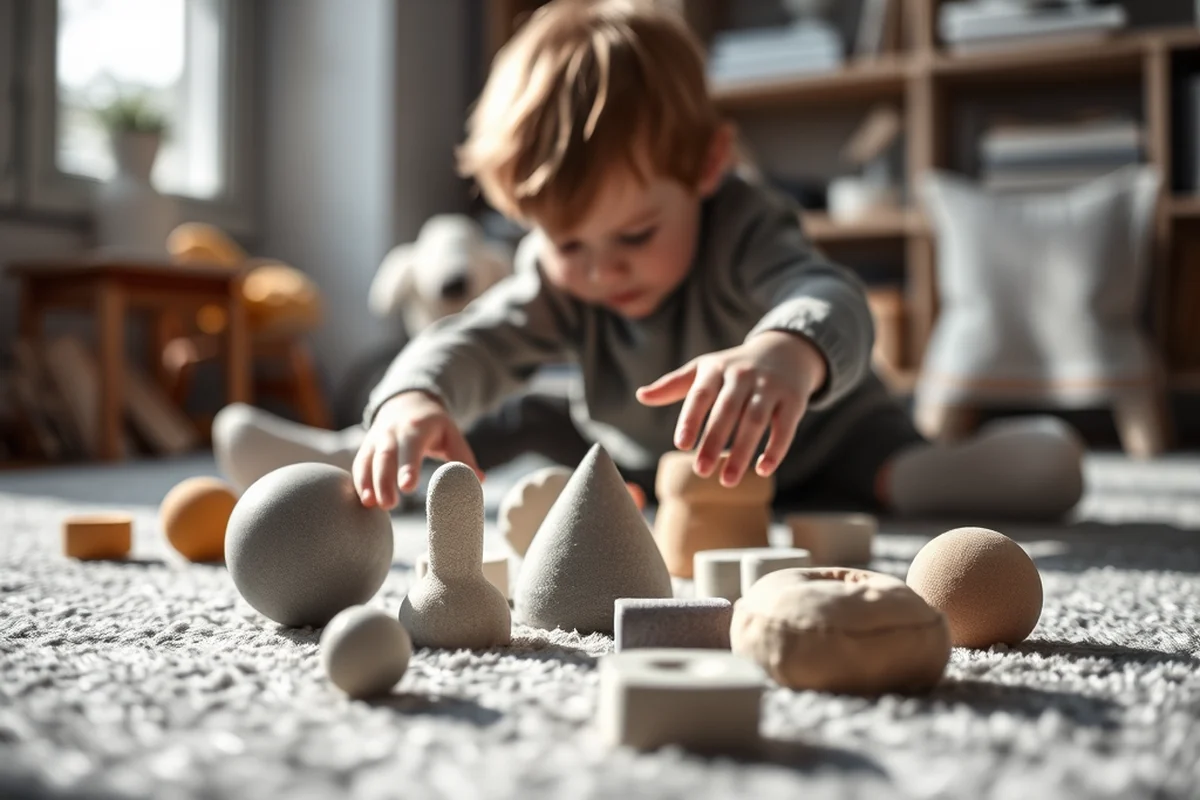
The grocery store is one of the most underrated learning environments out there. It’s full of textures, colors, sounds, and scents — all of which are perfect for sensory development. My daughter loves the feel of the fabric on the produce bags, the sound of the cash register, and the smell of the bakery section. These are all real-life sensory experiences that she can’t get from a toy box or a screen.
In addition to sensory learning, the store is also a great place for problem-solving. When my daughter tried to open the jar of pickles, I didn’t help her — instead, I let her figure it out. It took her a few minutes, but eventually, she managed to twist the lid off. That moment was a small victory for her, and it taught her the value of persistence and problem-solving.
The social aspect of the store play can’t be ignored either. We often see other families and my daughter loves to wave at them, point things out, and even ask for help from the store employees. These are all social interactions that help her build confidence and communication skills.
The grocery store is a classroom without walls — where learning happens naturally and joyfully.
Related: Natural sensory play for beginners
Related: Beginner is play based learning effective
Related: Easy sensory play tips
How to Set Up a Store Play Session
To set up a store play session, all you need is a few things: a small bag for collecting items, a stroller or cart for mobility. A parent who’s ready to let go and watch the magic happen. I always bring a small bag with my daughter so she can collect items she finds interesting. Sometimes she brings home a bottle of water, sometimes a bag of chips — it doesn’t matter as long as she’s engaged and happy.
I also make sure that the store is a safe environment. If there are areas that are too busy or too dangerous, I avoid them. The key is to create a space where my daughter can explore without feeling overwhelmed or restricted. I’ve noticed that when I’m too controlling, she loses interest quickly — but when I let her lead, she’s more engaged and curious.
The rule I follow is simple: we only buy two things, and we take them home. This helps keep the session focused on play rather than shopping. It’s also a good way to teach my daughter about spending money and making choices — even if it’s just two items.
Make sure the store environment is safe and allow your child to explore freely. Keep the sessions short and focused on discovery, not shopping.
“I still remember the day my 2-year-old daughter turned a grocery store aisle into her own personal playground.”— PlayMessy editors
Related: Best is play based learning effective
Related: Play based learning definition ideas
Related: Natural play based kindergarten curriculum
The Benefits of Store Play
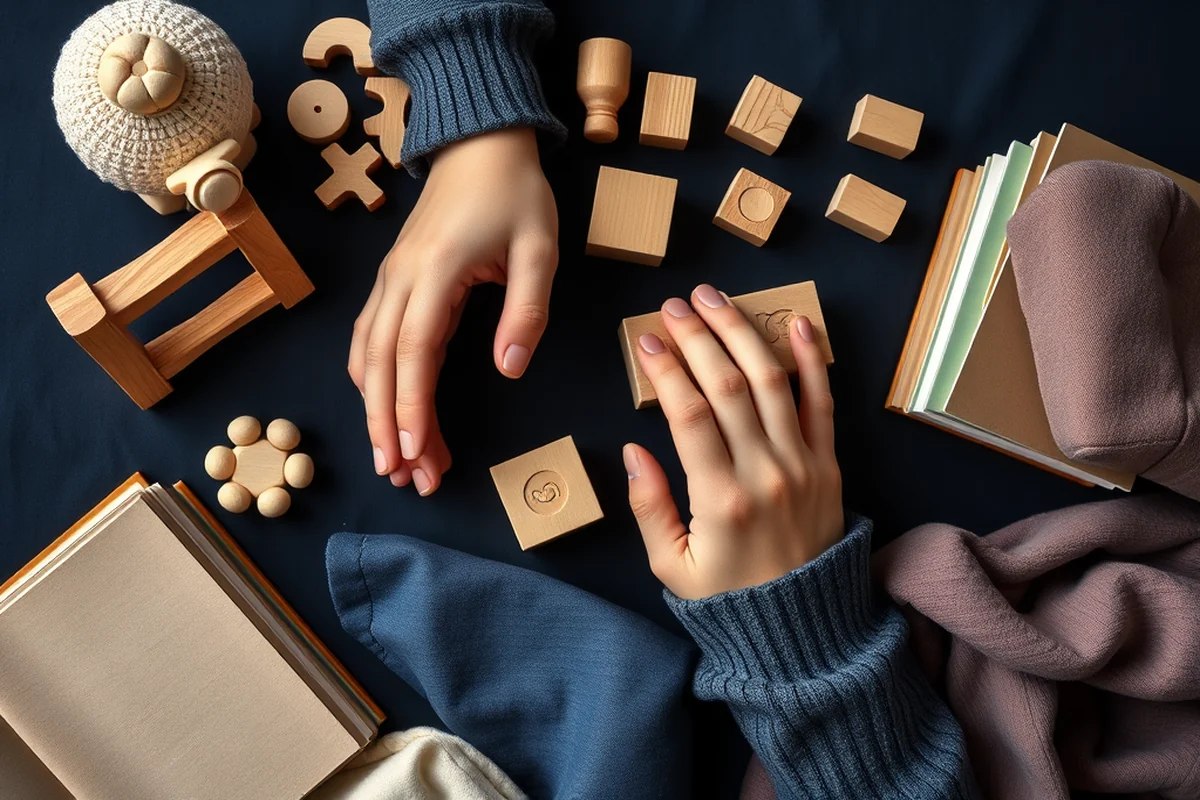
One of the biggest benefits of the store play is the cognitive development it supports. My daughter has improved her counting skills, memory, and problem-solving abilities through these sessions. She can now count up to 20, remember where we put our items, and even solve simple problems like opening a jar or finding a specific item on the shelf.[3]
Socially, the store play has helped my daughter become more confident and outgoing. She loves interacting with other people, whether it’s waving at the cashier, saying hi to the store employees, or even asking for help from other parents. These interactions have helped her develop communication skills and build a sense of belonging.
Emotionally, the store play has been a great way for my daughter to regulate her feelings. If she’s upset, she can find comfort in the familiar environment of the store. If she’s excited, she can express her joy freely. It’s a space where she feels safe and supported, which is essential for emotional development.
Related: Sensory play and child development without tools
Related: Sensory play tips under 30 minutes
Related: Top play based learning tips
Variations for Different Ages
For toddlers, the store play is all about sensory exploration and simple interaction. They love touching things, counting items, and even pretending to be a cashier. It’s a time for discovery and connection, with no pressure or expectations.
For preschoolers, the store play becomes more about learning and problem-solving. They can start to count more accurately, make choices about what to buy, and even learn about money. It’s a great time to introduce simple concepts like spending and saving.
For school-age kids, the store play can be a way to teach responsibility and independence. They can help with the shopping, make choices about what to buy, and even handle money. It’s a chance for them to practice real-life skills in a safe and supportive environment.
Related: Beginner play based learning benefits
Related: Sensory play activities for toddlers explained
Related: Sensory play and child development
How Often Should You Do Store Play?
I’ve found that doing store play sessions once a week works best for our family. It’s enough time to make it a special activity without feeling overwhelming. My daughter looks forward to it each week, and it’s a great way to keep her engaged and excited about learning.
If the child is particularly interested in the store play, I might do it more often — sometimes twice a week. It’s a good way to keep the momentum going and keep the child engaged. However, if the child is not interested or seems overwhelmed, it’s best to take a break and come back when they’re ready.
The key is to be flexible and responsive to your child’s needs. If they’re excited about the store play, go with it. If they’re not, it’s okay to adjust the frequency or even skip a session. What matters most is that the child feels supported and engaged.
Consistency is key, but flexibility is essential — find a rhythm that works for your family and your child.
Related: Beginner fun games to play with toddlers indoors
Related: Beginner games for children to play indoors
Related: Sensory play activities without tools
How to Handle Challenging Behavior During Store Play
During store play, it’s not uncommon for children to become frustrated, overwhelmed, or even upset. My daughter has had moments where she’s been too excited to stay still, or too overwhelmed by the sensory input of the store. When this happens, I try to stay calm and focus on positive reinforcement.
If my daughter is upset, I let her take a break and sit on the cart or find a quiet corner. I use positive language to acknowledge her feelings and help her calm down. I also try to redirect her attention to something else if she’s too overwhelmed by the environment.
It’s important to remember that the store play is about learning and exploration, not perfection. If the child is struggling, it’s okay to adjust the session or even take a break. The key is to create a safe and supportive environment where the child can explore and learn at their own pace.
👶 Gentle Store Play
A low-stimulation version of store play, ideal for sensitive or easily overwhelmed children.
⚡ Fast-Track Store Play
A quick and efficient version of store play that fits into a busy schedule without sacrificing quality.
✈️ Travel/away-from-home Store Play
A version of store play that can be adapted to different environments, such as airports, malls, or local shops.
👯♀️ Multiples Store Play
A version of store play that works for families with multiple children, allowing each child to explore at their own pace.
🔄 Regression Reset Store Play
A version of store play used during times of developmental regression or change, helping children re-engage with the world.
| The mistake | Why it happens | The fix |
|---|---|---|
| Forcing the child to follow a rigid schedule or routine during store play. | This can make the session feel stressful and overwhelming, reducing the child’s interest and engagement. | Instead, allow the child to explore at their own pace and create a flexible, child-led environment. |
| Making the store play feel like a shopping trip rather than a learning experience. | This can shift the focus away from play and exploration, making the session feel more like a chore than a fun activity. | Keep the focus on discovery and learning, rather than buying items or completing tasks. |
| Ignoring the child’s emotional needs during store play. | This can lead to frustration, overwhelm, or disengagement, making the session less effective and enjoyable. | Be responsive to the child’s emotional needs and create a safe and supportive environment where they feel comfortable and supported. |
| Overloading the child with too much stimulation during store play. | This can be overwhelming and lead to disengagement, frustration, or even meltdowns. | Create a safe and controlled environment where the child can explore without feeling overwhelmed. Avoid busy or chaotic areas of the store. |
The Store Play
Common Questions
Is the store play suitable for all ages?
How long should a store play session last?
What should I do if my child becomes overwhelmed during store play?
Can I do store play at home?
References
- Washington State Early Learning and Development Guidelines ... (dcyf.wa.gov)
- The Monster Book of Language Teaching Activities - American English (americanenglish.state.gov)
- The Powerful Role of Play in Early Education (cde.ca.gov)
Cite this guide
PlayMessy (2026). The Store Play. https://playmessy.com/the-store-play/
Feel free to cite or share this guide.