What Is A Sensory Table
📖 Table of Contents
- What Exactly Is a Sensory Table?
- The Benefits of a Sensory Table for Your Child
- How to Set Up Your Own Sensory Table
- What Materials Work Best for a Sensory Table?
- How to Use a Sensory Table for Learning and Development
- How to Keep a Sensory Table Engaging and Fun
- How to Store and Maintain Your Sensory Table
- Make It Your Way
- Frequently Asked Questions
I remember the first time I saw my son’s eyes light up at the sight of a sensory table. He was just turning two, and the simple act of pouring water from one container to another transformed into a moment of pure joy and discovery. That’s when I realized how powerful a sensory table could be — not just as a toy, but as a tool for learning and growth. I’ve spent the past few years experimenting with different setups, materials, and activities, and what I’ve learned is that a sensory table is more than just a table with stuff on it. It's a gateway to exploration, creativity, and early development.
As a parent, I know that finding the right tools for your child's development can be overwhelming. There are so many options, and it's easy to get confused about what actually works. That’s why I want to take you through what a sensory table really is — not just from a theoretical standpoint, but from my own experience of setting one up in our home. It’s not about spending a fortune or buying the latest gadgets; it’s about creating a space that invites curiosity and discovery. I’ve made mistakes, too, like using materials that were too messy or too complex, but I’ve also found some incredible ways to make this setup work for both my child and me.[1]
What I’ve come to understand is that a sensory table is a flexible, adaptable tool that can grow with your child. Whether it's filled with water, sand, or even simple household items like fabric or blocks, the possibilities are endless. I’ve seen my son transition from watching me pour water to doing it himself, then moving on to sorting objects by size or texture. The key is to keep it simple, safe, and engaging. It’s not about perfection — it’s about presence, and that’s what makes a sensory table so special.[2]
Why You'll Love This Simple Tool for Your Child's Development
- Encourages hands-on learning and exploration
- Supports motor skills and sensory development
- Fosters creativity and problem-solving
- Can be tailored to your child's interests and developmental stage
What Exactly Is a Sensory Table?
As of September 2026, at its core, a sensory table is a shallow, open container — often a wooden or plastic table — that’s used to hold materials like water, sand, rice, or even fabric. These materials are chosen for their tactile, visual, and auditory properties, allowing children to explore and learn through their senses. I’ve used everything from water and sand to beads and dried pasta, and each material offers a different kind of experience. For example, water provides a cool, liquid texture, while rice is warm and grainy — both are great for sensory development.[3]
What makes a sensory table unique is that it’s a controlled environment where children can engage with materials safely and freely. I’ve found that having a dedicated space for this kind of activity helps prevent messes and keeps the experience focused. I like to place it near a sink or in a corner with a waterproof mat, so cleanup is easier. It’s also a great way to encourage independent play, as children can explore and experiment on their own without worrying about making a mess.
One of the most rewarding parts of using a sensory table is watching my child discover new things. I’ve seen him figure out how to pour water from one container to another, sort objects by color or shape, and even build simple structures with blocks. It’s not just about play — it’s about learning, growing, and developing skills that will help him in the future.
Begin with a few basic materials like water, sand, or rice. These are safe, easy to clean, and provide a variety of sensory experiences.
Part of our Sensory play guide.
The Benefits of a Sensory Table for Your Child
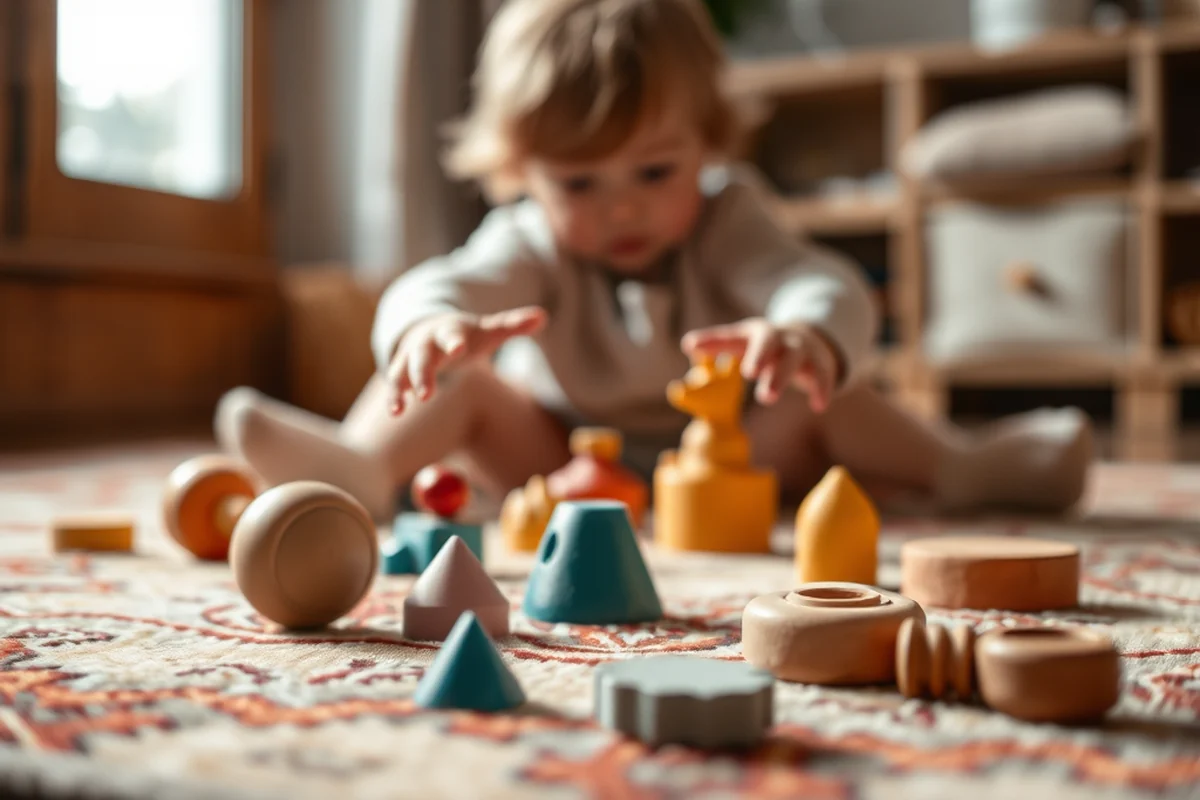
I’ve noticed that my son’s fine motor skills have improved dramatically since we started using a sensory table regularly. The act of picking up small objects, pouring water, and manipulating materials helps strengthen his hand muscles and improve his coordination. I’ve also seen him develop better hand-eye coordination as he learns to use tongs, spoons, and other tools to interact with the materials.
On the cognitive side, a sensory table provides opportunities for problem-solving and critical thinking. For example, I’ve watched him figure out how to move water from one container to another using a funnel or a cup. These kinds of activities help build his understanding of cause and effect, which is a key part of early learning. I’ve also seen him sort materials by size, shape, or color, which supports his ability to categorize and organize information.
In terms of sensory processing, a sensory table allows children to explore different textures, temperatures, and sounds. This helps them become more comfortable with their environment and builds their ability to process sensory information. For example, I’ve seen my son react to the coolness of water and the warmth of sand, which helps him understand and differentiate between various sensations.
A sensory table turns everyday play into powerful learning.
Related: Sensory play for beginners for families
How to Set Up Your Own Sensory Table
To create your own sensory table, you’ll need a container — I’ve used everything from a plastic bin to a wooden table. The key is to make sure it’s shallow enough for your child to interact with easily. I’ve found that a table with a low height and wide opening works best for my son. Once you have the container, you can fill it with a variety of materials. I’ve used water, sand, rice, beads, fabric, and even small blocks.
It’s also a good idea to have a few tools on hand, like spoons, cups, funnels, and tongs. These help your child explore and manipulate the materials in different ways. I like to keep these tools in a small basket or tray so they’re easy to access and organize. It’s also important to make sure the area around the table is clean and easy to wipe down, as messes are inevitable.
I’ve found that starting with just one or two materials is best, especially if your child is new to sensory play. This helps them focus on one thing at a time and prevents overwhelm. As your child becomes more comfortable with the table, you can gradually introduce more materials and activities. The key is to keep it simple, safe, and fun.
Make sure the table is placed on a waterproof surface and that all materials are safe for your child to handle. Avoid small objects that could be a choking hazard.
“I remember the first time I saw my son’s eyes light up at the sight of a sensory table.”— PlayMessy editors
Related: Homemade play based preschool curriculum
What Materials Work Best for a Sensory Table?
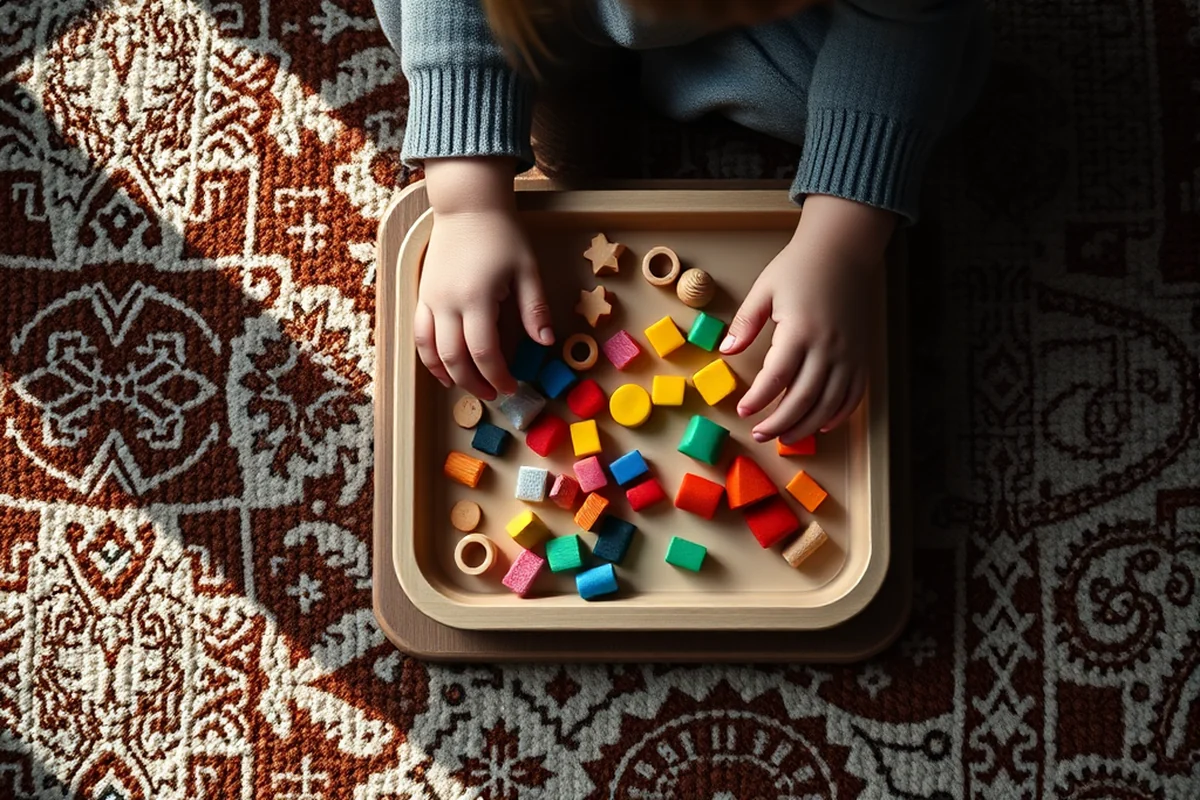
Water is one of the most common materials for a sensory table, and for good reason. It’s easy to clean, and it provides a cool, liquid texture that’s great for sensory development. I’ve used water with my son to help him practice pouring, pouring, and even learning about volume and measurement. I’ve also seen him enjoy playing with floating objects, like small toys or leaves, which adds an element of fun and discovery.
Sand is another popular material that offers a different kind of sensory experience. It’s warm, grainy, and has a different texture than water. I’ve used sand to help my son practice scooping, pouring, and building, which are all great for motor skill development. I’ve also noticed that sand helps him understand the concept of weight and texture, as he learns to compare it to other materials.
Other materials I’ve used include rice, beans, beads, and even small pieces of fabric. These all offer different textures and sensory experiences, and they can be used in a variety of ways. I’ve found that mixing different materials together can be a great way to encourage creativity and exploration. Just make sure the materials are safe and appropriate for your child’s age.
Related: Natural play based learning ideas
How to Use a Sensory Table for Learning and Development
One of the best ways to use a sensory table is to encourage free play. I’ve found that allowing my son to explore and interact with the materials on his own helps build his confidence and independence. I like to sit nearby and observe, offering guidance when needed but allowing him to lead the way. This kind of play helps him develop problem-solving skills and learn how to think for himself.
Another great way to use a sensory table is through structured activities. For example, I’ve used it to teach my son about colors, shapes, and sizes by asking him to sort objects into different categories. I’ve also used it to practice counting, as I ask him to count how many beads are in the table or how many cups he can fill with water. These activities help reinforce basic math and literacy skills in a fun and engaging way.
I’ve also found that a sensory table is a great place for storytelling and imaginative play. I’ve watched my son create imaginary worlds with the materials in the table, using blocks to build houses and fabric to make flags. This kind of play helps develop his creativity and imagination, and it also allows him to express his thoughts and feelings in a safe and supportive environment.
Related: Sensory play ideas
How to Keep a Sensory Table Engaging and Fun
One of the best ways to keep a sensory table engaging is to introduce a variety of materials and activities. I’ve found that my son enjoys trying new materials and exploring different textures and colors. I’ve used everything from water and sand to beads and fabric, and each material offers a different kind of experience. I also like to rotate the materials every few days to keep things fresh and exciting.
Another way to keep a sensory table fun is to involve your child in the setup and cleanup. I’ve found that my son enjoys helping to prepare the table by choosing materials and arranging them in different ways. He also loves helping to clean up, which makes the experience more interactive and rewarding. This kind of involvement helps build responsibility and independence.
I’ve also found that adding a touch of creativity to the table can make it more engaging. For example, I’ve used markers to draw on the sides of the table, created simple signs to label different areas, and even added small toys and props to encourage imaginative play. These little touches can make a big difference in how much your child enjoys the table.
Variety and creativity make a sensory table a place of endless discovery.
Related: Beginner sensory play for babies
How to Store and Maintain Your Sensory Table
I’ve learned that storing your sensory table properly is essential to keeping it clean and functional. I like to keep the materials in separate containers so they’re easy to access and organize. I’ve found that labeling the containers helps my son understand what’s inside, and it also makes cleanup easier. I also like to keep the tools, like spoons and cups, in a small basket or tray so they’re always within reach.
Maintenance is also an important part of keeping a sensory table in good condition. I’ve noticed that cleaning the table regularly helps prevent the buildup of dirt and germs, which is especially important for younger children. I like to wipe down the table with a damp cloth after each use, and I also make sure to clean the materials thoroughly before storing them away. This helps keep everything fresh and ready for the next use.
I’ve also found that involving your child in the cleanup process can be a great way to teach responsibility and encourage independence. My son enjoys helping me clean the table, and it’s a fun way for us to bond. I’ve noticed that the more involved he is, the more invested he becomes in the table and the activities we do together.
🧸 Gentle Exploration
Start with soft materials like fabric or foam to encourage gentle exploration and sensory development.
⏰ Fast-Track Fun
Use quick, easy materials like water or rice that can be set up and cleaned up in minutes.
🧳 Travel/On-the-Go Setup
Use portable containers and lightweight materials that are easy to transport and store when you're away from home.
👨👧👦 Multiple Kids Setup
Use open-ended materials that can be shared and played with by multiple children at the same time.
🔄 Regression Reset
Introduce simple, familiar materials to help your child regain confidence and reengage with sensory play.
| The mistake | Why it happens | The fix |
|---|---|---|
| Using materials that are too small or messy. | Small objects can be a choking hazard, and messy materials can be difficult to clean and manage. | Choose safe, easy-to-clean materials that are appropriate for your child’s age and developmental stage. |
| Not providing enough tools or guidance. | Without the right tools or support, your child may become frustrated or disinterested in the table. | Provide a variety of tools and be available to help and guide your child as they explore. |
| Overloading the table with too many materials. | Too many materials can be overwhelming and prevent your child from focusing on any one activity. | Start with a few simple materials and gradually introduce new ones as your child becomes more comfortable. |
| Not cleaning the table regularly. | Failing to clean the table can lead to the buildup of germs and make it less enjoyable for your child. | Wipe down the table and clean the materials after each use to keep everything fresh and safe. |
What Is A Sensory Table
Common Questions
What age is a sensory table suitable for?
Can I use a sensory table outdoors?
How often should I clean the sensory table?
Can a sensory table help with speech development?
References
- Parent and Family Digital Learning Guide (education.nh.gov)
- Developing and Maintaining Emergency Operations Plans | FEMA (fema.gov)
- Rules & Regulations Indicator Manual - Decal.Ga.Gov (decal.ga.gov)
Cite this guide
PlayMessy (2026). What Is A Sensory Table. https://playmessy.com/what-is-a-sensory-table/
Feel free to cite or share this guide.