Sensory Play Budget Ideas That Actually Work
📖 Table of Contents
When my daughter was two, I found myself staring at a $200 sensory play kit in the store, completely overwhelmed by the price and unsure if it was even necessary. I had read about sensory play’s benefits for development and learning, but I couldn’t justify the cost when I could barely afford groceries. That’s when I realized I didn’t need to buy a kit — I could make it. What started as a simple experiment with items from our pantry turned into a daily ritual that helped her focus, calm down, and even sleep better. It wasn’t just about saving money; it was about creativity, connection, and finding joy in the everyday.[1]
The idea that sensory play has to be expensive is a myth — and one I’m here to dismantle. As a parent, I know the pressure to provide the best for your kids, but sensory play doesn’t have to come with a price tag. With a little planning and some clever thinking, you can create engaging, developmentally rich activities that work for your family’s budget. I’ve tested, tried and refined dozens of low-cost ideas over the past year, and I’m here to share the ones that actually stick.[2]
Sensory play budget ideas that actually work don’t have to be complicated. I’ve found that the most effective strategies are the ones that use items we already have, or that are easy to source affordably. Whether it’s using a bowl of rice and a few plastic containers or repurposing old clothing into tactile materials, I’ve seen firsthand how these activities can make a difference. The best part? They’re not just cost-effective — they’re also deeply rewarding for both parents and kids.[3]
Why You'll Love This Guide to Sensory Play on a Budget
- Discover how to create rich, developmentally beneficial sensory experiences for under $20.
- Get creative with materials you already have at home, reducing waste and saving money.
- Find easy, sustainable ideas that you can revisit again and again with your child.
- Learn how to adapt these activities for different ages and learning goals.
Repurpose What You Already Have
As of September 2026, one of the most budget-friendly approaches to sensory play is to repurpose items you already have. I’ve used old T-shirts cut into strips for weaving activities, fabric scraps for texture exploration, and even cardboard boxes for building and sorting. These materials are free, and they allow your child to engage in hands-on learning without the cost of buying new toys.[4]
I once used a few empty bottles filled with dried beans and rice to create a tactile sensory bin that my daughter loved for weeks. It was a simple setup and cost me almost nothing. The best part was that she could reuse the same materials for different activities — like pouring, stacking, and counting.
Repurposing old items also helps reduce waste and teaches your child about sustainability. It’s a win-win for your family’s wallet and the planet.
Try using old socks, fabric scraps, or paper rolls as tactile materials. You’ll be amazed at how versatile these items can be.
DIY Sensory Bins with Everyday Materials

Sensory bins are a favorite in my house, and I’ve discovered that they can be created using simple, affordable materials. I’ve used items like rice, dried pasta, beans, and even dirt from the backyard to make bins that are both engaging and educational. The key is to mix in different textures and materials to keep your child interested.
One of my favorites is the 'texture bin' I made with a mix of dried beans, rice, and small fabric scraps. It was only $5 to make and kept my daughter entertained for over a week. I filled a large plastic bin with the materials and added a few small wooden toys to make it interactive.
These bins are not only cost-effective — they’re also a great way to encourage exploration, fine motor skills, and sensory processing. Just make sure to keep the bins out of reach of pets and small children to avoid any accidents.
A little creativity turns the ordinary into the extraordinary.
Related: Easy sensory play budget ideas
Incorporate Nature for Free Sensory Play
Nature is one of the best sources of sensory play materials — and it’s free! I’ve taken my daughter on short walks around our neighborhood to collect leaves, twigs, rocks, and even fallen flowers. These items can be used for sorting, texture exploration, and even storytelling.
During one of our walks, we collected a variety of leaves, which we later used to create a 'leaf collage' in our kitchen. It was a simple activity, but it kept my daughter engaged for hours and helped her develop her fine motor skills. She even learned how to categorize the leaves by size and color.
Taking your child outside for sensory play not only saves money but also encourages physical activity and a connection to the natural world. It’s a win for both your child and the environment.
Take a walk in the park or backyard and gather natural items for sensory play. You’ll be surprised at how much your child can learn from the world around them.
“When my daughter was two, I found myself staring at a $200 sensory play kit in the store, completely overwhelmed by the price and unsure…”— PlayMessy editors
Related: Simple sensory play ideas
Use Affordable Store-Bought Materials
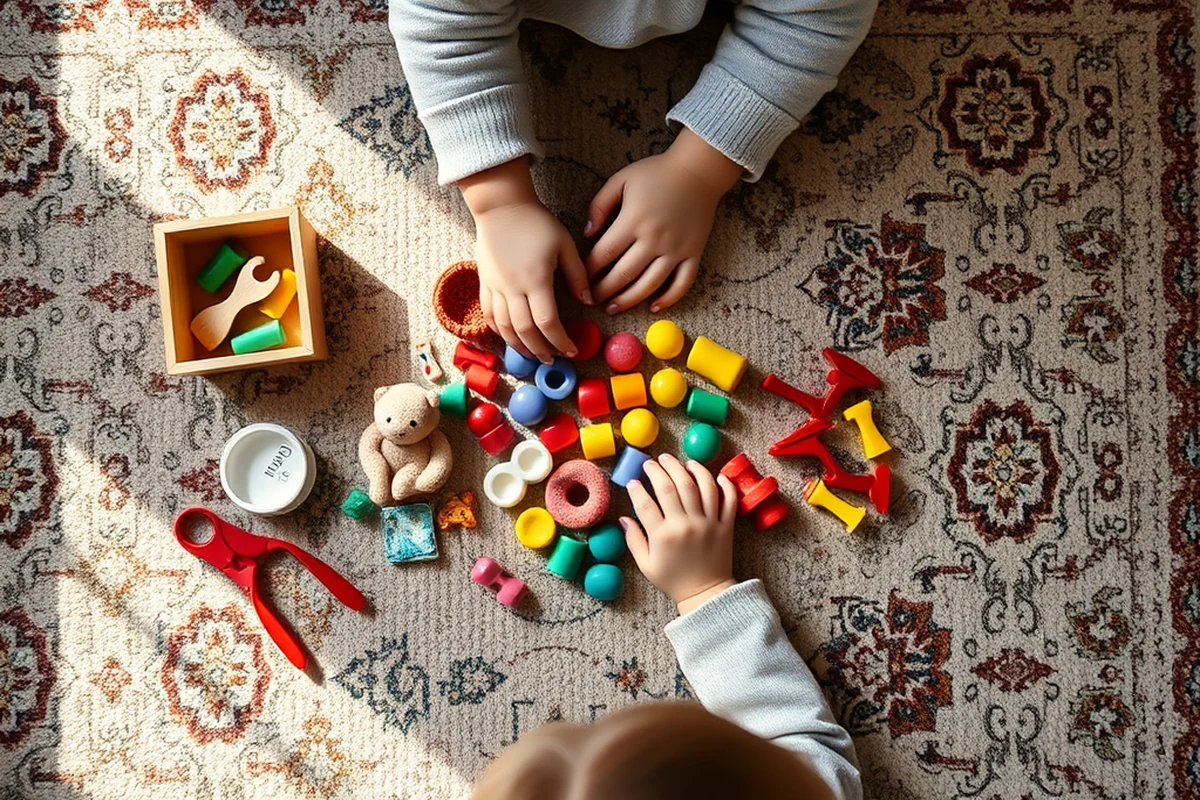
While I believe in repurposing and using what you already have, there are times when buying a few affordable items can make a big difference. I’ve found that certain materials, like play dough, kinetic sand, and tactile books, are worth the small investment — especially when they’re on sale or part of a budget-friendly deal.
I once bought a small bag of kinetic sand for $5, and it became a favorite activity for my daughter. She loved the way it felt in her hands, and it helped her with fine motor skills and stress relief. It was a small price to pay for something that brought her so much joy.
When purchasing store-bought materials, look for sales or discount stores like Dollar Tree or Family Dollar. You can often find high-quality items at a fraction of the cost.
Related: Best sensory play budget
Create a Sensory Play Rotation System
I’ve found that rotating sensory play materials every few days keeps my daughter excited and interested in the activities. I’ve created a system where I use different materials and activities each week, which helps her develop a variety of skills and prevents sensory overload.
I use a small storage bin to keep the different materials organized and easy to access. Every few days, I rotate the materials and introduce a new activity, like a 'texture hunt' or a 'color sorting game.' This keeps things fresh and exciting for my daughter.
Rotating materials also helps you save money, as you can reuse the same items in different ways over time. It’s a simple strategy that can make a big difference in your child’s engagement and learning.
🧘 Gentle
For parents who want a low-stimulation, soothing sensory play experience at home.
⚡ Fast-Track
Quick, no-fuss sensory play that can be set up in under 10 minutes.
🧳 Travel/Away-From-Home
Sensory play ideas that are easy to carry and do anywhere — perfect for trips and visits.
👶 Multiples
Activities that work for multiple kids, helping parents save time and money.
🔄 Regression Reset
Sensory play strategies to help children through developmental or emotional regression.
| The mistake | Why it happens | The fix |
|---|---|---|
| Buying expensive, one-time-use sensory materials. | These materials can be expensive and are often only used once or twice before being discarded. | Look for affordable, durable materials that can be reused over and over again. |
| Overloading the sensory play area with too many materials at once. | This can overwhelm your child and make the experience less effective. | Start with a few materials and gradually introduce more as your child becomes more comfortable with the activity. |
| Neglecting to clean up after sensory play. | Leftover materials can become a hazard, especially if they’re scattered around the house. | Always clean up after each session and store the materials properly to avoid any accidents. |
| Not rotating the materials often enough. | Your child may lose interest quickly if the same materials are used every day. | Rotate the materials every 3-4 days to keep the experience fresh and engaging. |
Related: Sensory play budget ideas for beginners
Sensory Play Budget Ideas That Actually Work
Related: Budget sensory play budget
Make Use of Household Items for Tactile Exploration
Repurpose common kitchen and cleaning items to create tactile experiences that are both safe and engaging for young children.
I discovered that rubber gloves, sponges, and even dish scrubbers make excellent tools for sensory exploration. I’ve used them in water play bins to help my toddler develop fine motor skills and hand strength. These items are often free or low-cost, and they’re easy to clean and reuse. My kids love squishing and squeezing the sponges, and I’ve noticed an improvement in their grip strength over time.
Another way I’ve used household items is by filling plastic containers with items like rice, beans, or pasta and adding a few rubber bands or sponges inside for texture variety. My child loves digging through the containers and finding the different textures. I’ve also used old dish rags to create textured mats for crawling, which has helped with their gross motor development. It’s a simple way to turn everyday items into a sensory-rich experience.
I’ve also used old tights or socks to make “texture socks” by filling them with items like cotton balls, dried pasta, or sand. My child wears them while sitting on the floor and explores the sensations in their hands. I’ve found that these activities are not only cost-effective but also help keep my child engaged for longer periods. I’ve noticed that these homemade sensory tools are just as effective as store-bought ones, and they often last longer because they’re made from durable materials.
Common Questions
Can sensory play be done without any special materials?
How often should I rotate sensory play materials?
Are there any safety concerns with DIY sensory play?
Can sensory play help with emotional regulation?
References
- Theme: Sensory Stimulation - Leon County Government (cms.leoncountyfl.gov)
- 35 Activities to Keep Kids Busy While You Work or Study (devry.edu)
- The Impact of Sensory Materials on the Behavior of Children in Early ... (digitalcommons.cortland.edu)
- A Hidden Gem in Fairfax: The Sensory Room Offers Unique ... (fairfaxcounty.gov)
Cite this guide
PlayMessy (2026). Sensory Play Budget Ideas That Actually Work. https://playmessy.com/sensory-play-budget-ideas-that-actually-work/
Feel free to cite or share this guide.