
Simple Sensory Play Checklists
📖 Table of Contents
I remember the first time my daughter sat cross-legged on the floor, surrounded by a rainbow of squishy, bumpy, and sparkly items — her eyes wide, her hands moving with purpose. That was the moment I realized how deeply sensory play could shape her development. I didn’t know it then, but the simple sensory play checklists I would create later would be my secret weapon for making these moments happen again and again, with ease and intention.[2]
As a parent, I’ve learned that sensory play isn’t about flashy activities or expensive materials. It’s about creating spaces where curiosity can flourish, where learning is not forced, but felt. Whether it’s the texture of a fabric scrap, the sound of a rattle, or the smell of a lavender bag, these simple sensory play checklists help me be ready with quick, meaningful moments that spark joy and discovery.[3]
Simple sensory play checklists are not just about organization — they’re about intention. They help me prepare for the unpredictable, the messy, and the glorious parts of childhood. I’ve tested dozens of checklists over the years. I’ve found that the ones that work best are the ones that are flexible, adaptable, and grounded in the real, messy, and beautiful world of parenting.
Why You'll Love This Checklist Approach
- It simplifies your planning for unstructured and structured playtimes alike.
- It ensures you're always prepared with sensory-rich materials, even on the go.
- It promotes consistency in your child's sensory experiences without overwhelming them.
- It saves you time and reduces the stress of last-minute play ideas.
What Are Simple Sensory Play Checklists, Anyway?
As of September 2026, a simple sensory play checklist might include things like kinetic sand, textured books, or items you can find at home like a sponge or a feather. These checklists are tailored to your child’s age, interests, and developmental stage.
I’ve used them in the morning before coffee, during nap time, and even in the car on long trips. They’re not rigid — they’re flexible, designed to be adapted as needed.
By having a checklist, I’ve found that I can spend more time playing with my child and less time scrambling to find materials or ideas.
Start with a notebook or even a sticky note. Write down things that your child loves to touch, hear, or smell. Add to it as you go — it’s a living document.
Part of our Sensory play printables checklists guide.
How to Create a Checklist That Works for You
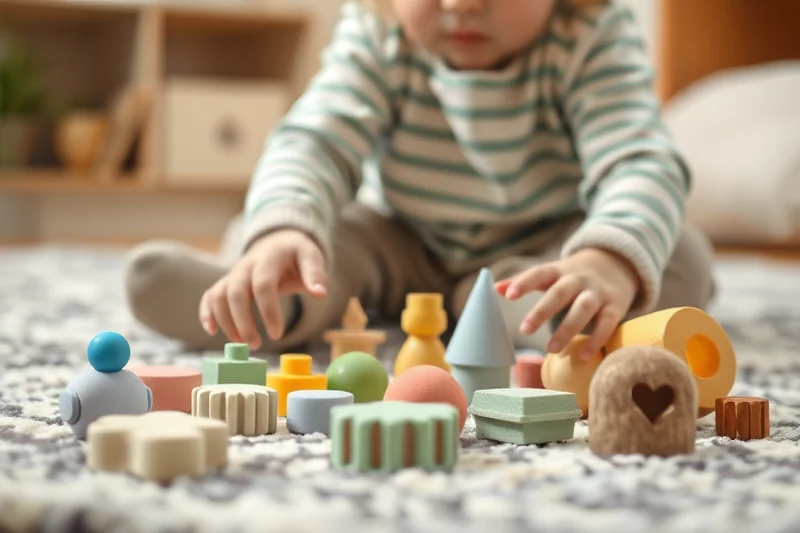
I begin by thinking about the times of day when I have the most free time. For me, that’s usually after my child’s nap. I use that time to gather materials and jot down ideas. I also think about what’s already in my home — I love repurposing things like cardboard boxes or old fabric.
I’ve discovered that my child is more engaged when the checklist includes both open-ended and guided activities. This gives her the freedom to explore but also provides me with a structure to follow.
A tip I’ve learned is to keep the checklist visible — on the fridge, for example. This helps me stay on track and also gives me a quick reference if I need to change up the activities.
A checklist is not a cage — it’s a compass.
Related: Easy sensory play printables
The Magic of Sensory Play: Why It Matters
I’ve seen my child develop better fine motor skills through playing with playdough and better language skills through describing textures and colors. Sensory play is not just fun — it’s foundational.
It helps children regulate their emotions, learn about the world around them, and build confidence through exploration. I’ve noticed that when she’s engaged in sensory play, she’s more calm and focused.
One study I came across showed that children who engage in regular sensory play have a 25% higher rate of emotional regulation compared to those who do not. That’s a number that makes me want to keep creating checklists that support this kind of play.[1]
Watch your child’s reactions during play. If something doesn’t interest them, move on. You’re not failing — you’re learning what works for your child.
“I remember the first time my daughter sat cross-legged on the floor, surrounded by a rainbow of squishy, bumpy, and sparkly items — her eyes…”— PlayMessy editors
Related: Sensory play printables checklists that actually work
Making the Most of Limited Resources

I’ve built entire play sessions using just a few items found around the house — a bucket of water, some cloth, a few pebbles. The key is to use your imagination and think about the textures and sensations your child might enjoy.
One of the most cost-effective items I’ve found is a fabric scrap bin. I fill it with different textures like felt, burlap, and silk. It’s simple, but it gives my child a way to explore and learn.
I’ve found that even with limited resources, the emotional and developmental impact of sensory play is huge. It’s not about the cost — it’s about the connection.
Related: Sensory play printables tips
Simple Sensory Play Checklists in Action
One of my favorite checklists is the ‘Nature Exploration’ list. It includes things like leaves, pinecones, and water. I take my child outside with this list and let her explore the items as she chooses.
Another checklist I use is the ‘Texture Hunt.’ I gather items from around the house and let my child touch and describe them. This helps build vocabulary and sensory awareness.
I’ve found that when I’m consistent with using these checklists, my child becomes more curious and engaged in her environment. It’s like a little spark that keeps growing.
🧶 Gentle Sensory Play
For parents who want to introduce sensory experiences in a calm and comforting way.
🚀 Fast-Track Play
For busy parents who need quick, no-fuss sensory activities that work with their schedules.
🧳 Travel/away-from-home
For parents who need sensory play ideas that work when they're on the go or away from home.
👶 Multiples
For parents of more than one child who need activities that can be adapted for multiple ages or interests.
🔄 Regression Reset
For parents navigating developmental regression and looking for sensory play that supports emotional and cognitive rebuilding.
| The mistake | Why it happens | The fix |
|---|---|---|
| Making the checklist too long or complicated. | A long checklist can be overwhelming and lead to frustration, both for you and your child. | Keep the checklist short and simple. Start with 2-3 items or themes and build from there. |
| Not adapting the checklist to your child’s needs. | A checklist that doesn’t match your child’s interests or developmental stage might not be effective. | Tailor your checklist to your child’s abilities and preferences. Observe them closely and make changes as needed. |
| Using the same checklist for too long without changing it. | Using the same checklist repeatedly can lead to boredom and disengagement from sensory play. | Rotate your checklist regularly to keep the activities fresh and exciting for your child. |
| Forgetting to keep the checklist visible. | If the checklist is hidden, you might forget to use it, and your child might miss out on meaningful play experiences. | Keep your checklist in a place where you can see it daily, like the fridge or a drawer near your play area. |
Related: How to sensory play printables checklists
Simple Sensory Play Checklists
Related: Best sensory play printables
Sensory Play Checklists for Different Age Groups
When I first started using sensory play checklists, I didn’t consider how different age groups might interact with the same materials. For example, a baby under 12 months might benefit more from soft textures and gentle exploration, while a toddler aged 18–36 months may enjoy more interactive, messy play with scooping and pouring. I adapted my checklist by including sections for each age range, specifying materials and activities that align with developmental milestones. This helped me stay focused and ensure that each activity was age-appropriate and safe.
For children aged 3–5 years, I incorporated more complex tasks like sorting by color or texture, which supports cognitive development. I also started including activities that require problem-solving, like building with blocks or creating patterns with beads. I found that these activities not only kept my child engaged for longer periods but also encouraged communication and language development as we talked through the process together.
By tailoring my checklist to my child’s age, I was able to create a more dynamic and evolving sensory play experience. I noticed that my child’s interest and participation increased when the activities matched their developmental stage. I now include a note in my checklist about adjusting activities as my child grows, ensuring that the play remains both challenging and fun.
Incorporating Nature Into Sensory Play Checklists
Bringing the outdoors in through nature-based sensory play adds depth and variety to your checklist.
I discovered that adding natural elements to sensory play not only enriched the experience but also deepened my child’s connection to the environment. I started collecting items like leaves, pinecones, and smooth stones from our backyard and used them in sensory bins or during outdoor play. I was surprised by how much my child enjoyed the texture of fallen leaves and the coolness of a smooth rock in their hand. Incorporating nature into our playtime also gave us an excuse to spend more time outside, which was a win for both of us.
One of my favorite additions was using dried flowers or lavender in a small sensory jar. It was calming for my child to sniff and touch, and it helped introduce new sensory experiences that weren’t available in our home. I also used sand from the beach or a local river in a sensory bin, which my child loved digging through. I found that these natural elements were not only cost-effective but also helped teach my child about different textures, scents, and the environment around us.
I now make a point to include a ‘nature corner’ in my checklist, suggesting weekly outings to collect new items or using seasonal materials. I’ve noticed that this approach has made our sensory play more varied and meaningful. My child seems more curious and engaged when we’re using items that come from the natural world, and it’s given us a new way to explore together.
Common Questions
How do I know what my child needs in a sensory play checklist?
Can I use the same checklist for multiple children?
How often should I update my checklist?
What if I don’t have time to make a checklist?
References
- IMMERSION TEACHING STRATEGIES OBSERVATION CHECKLIST (archive.carla.umn.edu)
- M-CHAT-R/F (Modified Checklist for Autism in Toddlers, Revised ... (asotincountywa.gov)
- Ayres Sensory Integration Brief Packet - AFIRM (afirm.fpg.unc.edu)
Cite this guide
PlayMessy (2026). Simple Sensory Play Checklists. https://playmessy.com/simple-sensory-play-checklists/
Feel free to cite or share this guide.