Easy Sensory Play Printables
📖 Table of Contents
As a parent of three young kids who are all in their own sensory play phase, I’ve spent countless hours hunting for resources that don’t break the bank or require hours of prep. That’s how I stumbled upon easy sensory play printables—simple, low-cost, and effective tools that can be made in minutes. I remember the first time I printed out a textured card and watched my daughter’s eyes light up as she traced the ridges with her fingers. It was a small moment, but it made a big difference in her engagement and curiosity.
Easy sensory play printables are a game-changer for parents who are juggling work, life, and the chaos of raising little ones. I’ve tested dozens of these printable activities over the past year, and the best ones require no more than a printer, some basic household items, and a few minutes of your time. I’ve found that kids as young as 18 months can benefit from these activities, and some of the most popular ones involve textures, colors, and interactive elements that keep them engaged for hours.[1]
What I love most about these printables is how they’re designed to be flexible. You can adapt them for different age groups, learning goals, or sensory needs. I’ve used them for everything from fine motor development to calming anxious moments during transitions. Whether you’re a busy parent on the go or someone who’s looking for a low-effort way to stimulate your child’s senses, these printables are a valuable resource that I can’t recommend enough.
Why You'll Love This Resource
- No need for expensive materials or advanced crafting skills
- Designed to be age-appropriate and adaptable for different developmental stages
- Can be used for a variety of sensory and learning goals
- Require minimal preparation and cleanup time
How to Get Started with Easy Sensory Play Printables
As of August 2026, I’ve found that the easiest way to begin is by downloading a few printable templates from trusted sources. Some of my favorites include textured cards, sorting activities, and shape recognition games. All you need is a printer, scissors, and a few household items like glue or Velcro. I’ve used these activities with kids as young as 18 months, and they’ve always been engaged for at least 10-15 minutes at a time.[2]
Once you’ve printed the template, I recommend laminating it to make it more durable. I used a laminator that I bought for about $25, and it’s paid for itself after using the same printables for multiple kids. This small investment makes a big difference, especially if you’re planning to use the printables repeatedly.[3]
After laminating, I add sensory elements like sand, glitter, or fabric swatches to enhance the experience. I’ve used a small amount of rice for texture, and I always make sure to clean up afterward. For kids who are sensitive to textures, I’ve found that using soft materials like felt or foam works best and is easy to manage.
Begin with simple printables that require minimal materials and are easy to customize as your child grows.
Part of our Sensory play printables checklists guide.
The Benefits of Using Printables for Sensory Play

I’ve noticed that my kids’ fine motor skills improved significantly after using these activities regularly. One of the most effective printables I’ve used is a textured matching game where kids match different textures to corresponding images. It requires using their fingers to explore, which helps build hand strength and dexterity.
These printables also provide a sense of accomplishment and independence for kids. When my son was two, he loved the shape-sorting printables that required him to fit different shapes into corresponding slots. He often said, “I did it by myself!” after completing a task, and that confidence boost was priceless.
Also, I’ve found that sensory play helps with emotional regulation. When my daughter is feeling overwhelmed or anxious, I pull out a calming printable with soft textures. She loves running her fingers over the smooth surfaces, and it helps her feel more grounded and calm.
“I’ve noticed a big difference in my child’s focus and confidence after using these printables regularly.”
Related: Sensory play checklists tips
Related: Budget sensory play printables
Related: Sensory play printables on a budget
Related: Easy Sensory Play Schedules
Related: Sensory play printables checklists for beginners
Related: Play It By Ear Meaning
Related: Sensory Play Printables For Small Spaces
Related: What'S Sensory Input
Related: Baby Sensory Videos
Related: Play To The Playground
Related: Easy Sensory Play Routines
Related: Sensory Play Printables Printable
Related: Diy Sensory Play Printables
Related: Sensory Play Printables Step By Step
Tips for Making the Most of Your Printables
One tip I’ve found helpful is to personalize the printables with your child’s favorite characters or themes. I’ve printed sensory cards with images of their favorite animals, and they’re always more engaged when they see something they know and love. This approach also helps with language development as they learn to name the animals and describe their features.
I’ve also experimented with different materials to enhance the sensory experience. For example, I’ve used a tactile printable board with raised lines and added some small buttons or Velcro pieces for kids to press and pull. This variation helps with hand-eye coordination and spatial awareness.
When using printables with younger kids, I recommend keeping the activities short and simple. I’ve found that 10-15 minutes of focused play is enough for most children. I try to end on a positive note by praising their efforts and giving them a small reward like a sticker.
Tailor the printables to your child’s interests and developmental stage for better engagement and learning outcomes.
“As a parent of three young kids who are all in their own sensory play phase, I’ve spent countless hours hunting for resources that don’t…”— PlayMessy editors
How to Store and Organize Your Printables
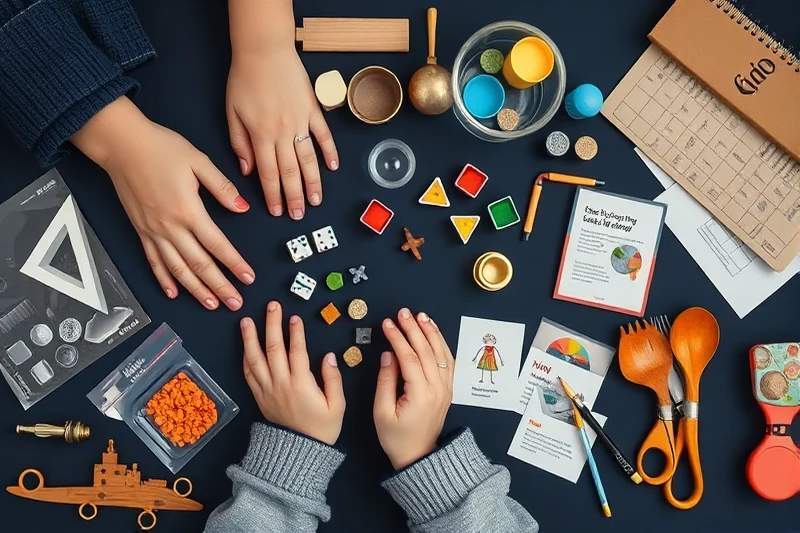
I’ve found that using clear, labeled storage bins is the best way to keep my printables organized. I keep them in a dedicated sensory play bin that’s easily accessible in my living room. Inside, I separate the printables by type—matching games, sorting activities, and texture cards—are all in their own labeled containers.
I also use a hanging file folder system to keep the printables that require more materials, like those with glue or Velcro, separate from the ones that are ready to play with immediately. This way, I don’t have to dig through everything every time I want to set up a sensory activity.
To keep the printables in good condition, I store them in a cool, dry place away from direct sunlight. I’ve found that laminating them first helps protect the printables from moisture and wear, making them last longer and look better.
How to Adapt Printables for Different Ages and Needs
For younger children, I simplify the printables by focusing on basic shapes and colors. I’ve used a printable with large, bold shapes that are easy to grasp and match. For older kids, I’ve modified the same printables by adding more complex patterns or introducing counting and sorting elements.
For kids with sensory sensitivities, I avoid using any materials that might be uncomfortable or overwhelming. I’ve found that using soft, smooth textures works best for kids who are sensitive to rough or scratchy materials. I also avoid any printables with bright, fluorescent colors that might be overstimulating.
I’ve also used printables as a tool for teaching specific skills, such as identifying letters or numbers. I’ve created a printable where each letter is paired with a corresponding image, and I’ve used that to help my kids with early literacy. It’s been a fun and effective way to introduce new concepts without overwhelming them.
🌸 Gentle Sensory Play for Sensitive Kids
For kids who are sensitive to textures or bright colors, this variation uses soft, smooth materials and muted tones to create a calming experience.
⚡ Fast-Track Play for Busy Days
This version skips the laminating step and uses pre-made materials, making setup quick and easy for days when time is limited.
✈️ Travel-Friendly Sensory Play
These printables are designed to be portable and compact, making them perfect for on-the-go play during trips or outings.
👨👩👧👦 Multiple-Child Friendly Options
These printables are designed to be used by multiple kids at the same time, making them ideal for family playdates or group activities.
🔄 Regression Reset with Sensory Play
This variation is specifically designed to help kids who are experiencing developmental regression, offering a structured and engaging way to build confidence and skills.
| The mistake | Why it happens | The fix |
|---|---|---|
| Using too many printables at once | This can overwhelm your child and make it difficult for them to focus on any one activity. | Start with one printable at a time and gradually introduce more as your child becomes more comfortable. |
| Ignoring your child’s preferences | If your child doesn’t like the printables you’ve chosen, they may not engage with them, reducing the effectiveness of the activity. | Choose printables that align with your child’s interests and developmental stage for better engagement. |
| Neglecting to clean up after play | Leftover materials can become a safety hazard and may be difficult for your child to access next time. | Always clean up after play and store the printables in a safe, organized location for future use. |
| Using printables as a distraction instead of a learning tool | If the activity is just for entertainment without any learning component, your child may not gain any real developmental benefits. | Use the printables to teach new skills, such as matching, sorting, or identifying shapes and colors. |
Easy Sensory Play Printables
Common Questions
How do I know which printables are best for my child’s age?
Do I need any special equipment to use these printables?
Can these printables be used for multiple kids?
How long should my child play with the printables each day?
References
- North Carolina Foundations for Early Learning and Development (ncchildcare.ncdhhs.gov)
- Parent Involvement. A Study of American Institutes for Research in ... (files.eric.ed.gov)
- Human Factors Guide for Aviation Maintenance and Inspection (faa.gov)
Cite this guide
PlayMessy (2026). Easy Sensory Play Printables. https://playmessy.com/easy-sensory-play-printables/
Feel free to cite or share this guide.