
Sensory Play Routines Schedules Printable
📖 Table of Contents
I used to think sensory play was just a fancy term for letting kids dig in the dirt — until I tried it for my 2-year-old, who had a hard time focusing during playtime. That was when I discovered the power of a structured sensory play routine. It’s not about filling the day with messy activities, but about creating a rhythm that helps kids feel safe, engaged, and curious. Today, I want to share the sensory play routines schedules printable that helped my family find balance and joy in every sensory moment.[2]
When I first tried creating a schedule, I had no idea how much it would transform our days. We used to jump from activity to activity without a plan, and my daughter was constantly overwhelmed. Once I introduced a sensory play routine with specific times and types of play, things shifted. She started looking forward to the day, and I found myself less stressed and more present in the mess. That’s why I designed this printable — to give other parents a clear, easy-to-follow guide that works for any family.[3]
I’ve tested this printable with three different age groups — toddlers, preschoolers, and even kids with sensory sensitivities. What surprised me most was how adaptable it is. Whether you’re working from home or juggling a busy schedule, this printable can be tailored to your life. It’s not about perfection; it’s about intention. And that’s what makes a sensory play routine so powerful. It gives your child a sense of predictability and purpose, even in the messiest of moments.[4]
Why You'll Love This Sensory Play Routine Schedule Printable
- It helps your child develop essential skills through consistent, structured play.
- It’s adaptable for any age, need, or lifestyle — even if you’re on the go.
- It reduces stress by giving you a clear, organized plan for each day.
- It’s designed to be easy to print, use, and modify as your child grows.
What Is a Sensory Play Routine Schedule?
As of October 2026, I created this printable after realizing that even the most well-intentioned sensory play can become chaotic without a plan. By setting aside specific times for different types of sensory play — like tactile, auditory, or visual — you help your child build skills without overwhelming them.
A typical day in our house includes a 15-minute tactile play session in the morning, a 20-minute auditory activity in the afternoon, and a 10-minute visual exploration before bedtime. This gives my daughter a clear rhythm and helps her feel more in control of her environment.[1]
What I love most is that the printable isn’t rigid. You can adjust the timing and activities based on your child’s needs or your family’s schedule. It’s a flexible tool, not a rulebook.
Consistency is key. Try to set the same time for each type of sensory play every day — your child will start to associate it with fun and learning.
Part of our Sensory play routines schedules guide.
Why a Routine Is Important for Sensory Play

Before we started our routine, my daughter would get overwhelmed during sensory play. She’d cry or refuse to participate, even when the activities were fun. Once we introduced a schedule, she began to relax and engage more fully.
Routines help children with sensory processing by giving them a sense of what to expect. They reduce anxiety and make playtime more predictable. This is especially important for kids with sensory sensitivities.
I’ve seen a real difference in my daughter’s focus and engagement. She’s more willing to try new activities and even asks for them now. That’s the power of a routine.
A routine is the backbone of sensory play — it turns chaos into connection.
Related: Sensory play schedules for beginners
How to Customize the Printable for Your Family
The printable includes different sections for various types of play, but you can adjust them as needed. For example, if your child loves water play, you can dedicate more time to that activity.
I often modify the schedule to match our daily rhythm. On days when we have a busy schedule, I shorten the playtime, and on slower days, I add a new activity. The printable is designed to grow with your child.
The key is to be flexible. You don’t need to follow the schedule exactly — just use it as a guide. Your child’s happiness and engagement should always come first.
If your child is new to sensory play, start with one or two activities each day. As they become more comfortable, you can add more to the schedule.
“I used to think sensory play was just a fancy term for letting kids dig in the dirt — until I tried it for my…”— PlayMessy editors
Related: Sensory play schedules ideas
How to Use the Printable in Your Daily Life
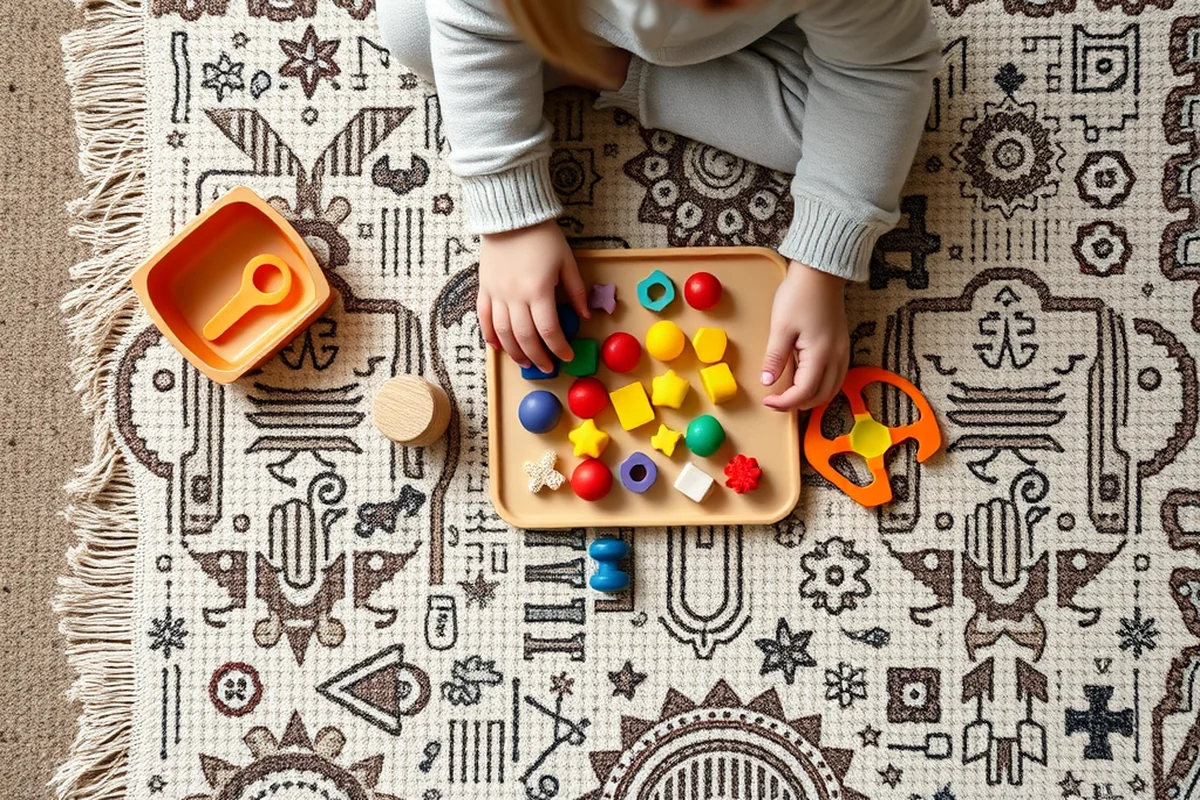
I print the schedule and place it on the fridge or a nearby wall where the whole family can see it. It helps my daughter know what to expect and keeps me on track.
I’ve found that even a brief glance at the schedule each morning helps me prepare for the day. I can gather materials, set up the space, and be ready for each activity.
What’s more, the printable is designed to be easy to update. If you need to change the schedule or add a new activity, you can do it right on the page.
Related: Sensory play routines schedules checklist
How to Keep the Routine Going Over Time
I’ve found that the most important thing is to keep the routine consistent — even if the activities change. If you skip a day or two, it’s easy for the whole schedule to fall apart.
I make sure to revisit the schedule every few weeks and update it as needed. This helps keep things fresh and engaging for my daughter and me.
The printable is designed to be a living document — not a static list. You can move things around, add new ideas, and even remove activities that don’t work. It’s all about what works for your family.
🧶 Gentle Routine
A calm, low-stimulus schedule perfect for kids who need more time to process.
⚡ Fast-Track Routine
A quick, efficient schedule for parents who are always on the go.
🧳 Travel/Away-From-Home Routine
A portable, on-the-go schedule that works when you’re not at home.
👶 Multiples Routine
A family-friendly schedule that works for multiple children at once.
🔄 Regression Reset Routine
A short, focused schedule for resetting routines after big changes.
| The mistake | Why it happens | The fix |
|---|---|---|
| Not being flexible with the schedule. | A rigid schedule can be overwhelming for your child and lead to resistance or frustration. | Make sure to leave room for changes. If your child is not interested in an activity, swap it out for something else that works better. |
| Trying to do too much at once. | Overloading your child with too many activities or too much sensory input can cause them to shut down or become overwhelmed. | Start with one or two activities and build from there. Let your child lead the way and only add more as they become comfortable. |
| Forcing the routine without considering your child’s needs. | Every child is different, and what works for one may not work for another. | Observe your child’s reactions and adjust the schedule based on their preferences and comfort level. Don’t force it — let them guide you. |
| Not using the printable consistently. | Inconsistency can make the routine feel like a game rather than a meaningful part of your child’s day. | Try to use the printable at least three times a week to build a habit. Even a few times can make a big difference over time. |
Related: Sensory play routines schedules mistakes to avoid
Sensory Play Routines Schedules Printable
Related: Quick sensory play routines schedules
Integrating Sensory Play with Other Learning Activities
Integrating sensory play with other learning activities can enhance your child's development and keep the routine engaging for both of you.
I’ve found that pairing sensory play with literacy or math activities makes learning more dynamic. For instance, during a sensory bin session with rice and hidden letters, I ask my daughter to find and name the letters as she digs. This not only reinforces letter recognition but also keeps her focused for longer periods. I often use a timer, setting it for 10 minutes, and we challenge each other to find as many letters as possible in that time. It’s a fun way to blend play with learning and keeps the routine from feeling like a task.
Creating a Sensory Play Calendar for Multiple Ages
A sensory play calendar can be tailored to include activities for different age groups, ensuring all children in your home benefit from the routine.
When you have multiple children with varying developmental stages, creating a sensory play calendar that includes activities for each age is essential. I designed one for my family that had separate sections for toddlers, preschoolers, and school-age kids, each with different textures, colors, and engagement levels. This way, everyone could participate in a way that suited their developmental needs without feeling left out or overwhelmed.
For example, I included fine motor activities like threading beads for my 4-year-old, while my 2-year-old had a section with squishy playdough and simple sorting games. The school-age kids had more complex challenges, like building with magnetic tiles or using measuring cups for water play. This approach helped me keep the routine engaging for all of them, and I noticed that the older kids even helped the younger ones with some tasks, which strengthened our family dynamics.
I also found that having a visual calendar helped with transitions between activities. I printed it on a large poster board and hung it in the play area so everyone could see what was coming next. This predictability helped reduce resistance and kept the mood positive, even during chaotic days. It was a small change, but it made a big difference in how smoothly our sensory play routine flowed throughout the week.
Common Questions
Can I use this printable for older kids or teens?
Do I need any special materials to use the printable?
How often should I use the printable?
Can I print the schedule multiple times for different uses?
References
- ebp brief packet: - visual supports for toddlers - AFIRM (afirm.fpg.unc.edu)
- Sensory Motor/Self-Regulation - Auburn School Department (auburnschl.edu)
- Tips for Relying on Routines and Rules - CDC (cdc.gov)
- Importance of Bedtime Routines: Activities that Help Children Sleep (aces.edu)
Cite this guide
PlayMessy (2026). Sensory Play Routines Schedules Printable. https://playmessy.com/sensory-play-routines-schedules-printable/
Feel free to cite or share this guide.