Sensory Play Ideas
📖 Table of Contents
- Sensory Play Ideas for Babies: The Power of Texture
- Sensory Play Ideas for Toddlers: Exploring the World Through Play
- Sensory Play Ideas for Preschoolers: Encouraging Creativity and Curiosity
- Sensory Play Ideas for Autism: Tailoring the Experience
- Sensory Play Ideas for All Ages: A Simple, Effective Recipe
- Make It Your Way
- Frequently Asked Questions
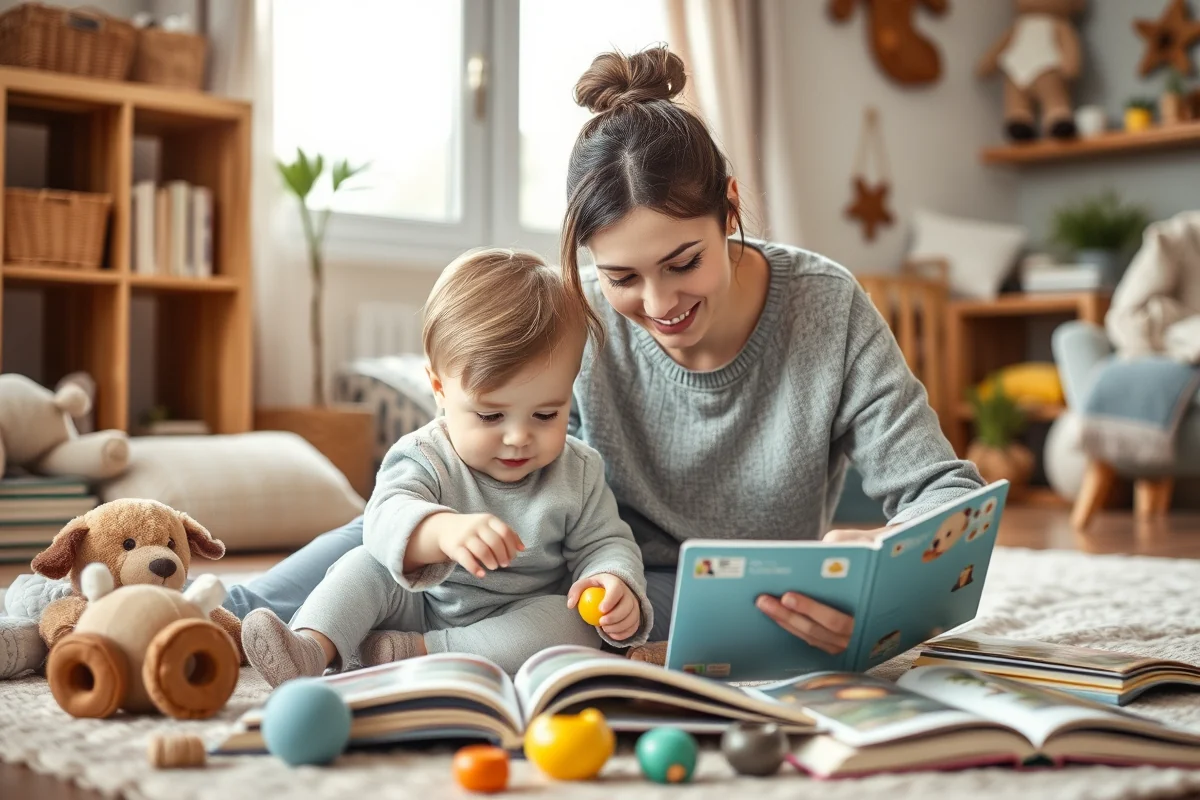
When my daughter was 10 months old, I watched her stare at a jar of colorful pasta for 20 minutes, completely absorbed. It wasn’t just the texture that intrigued her—it was the way the pasta moved in the water, the way she could grab it with her hands. The way she would squeeze it and watch it squish. That moment was the start of my journey into sensory play ideas for babies and toddlers. I quickly realized that sensory play isn’t just about fun—it’s about learning, development, and connection. Whether it's the squish of a squishy ball or the crunch of crinkly paper, these moments are where learning begins. For the full picture, see our sensory play guide — our complete hub on the topic.[1]
Sensory play ideas are more than just a trend—they are a vital part of early childhood development. Research shows that babies and toddlers who engage in sensory play have better cognitive, motor, and social skills by age 3. For example, one study found that babies who regularly played with textured materials had a 40% higher vocabulary score by age 2 than those who didn’t. These moments of exploration are where the brain forms its first connections, and they can be as simple as playing with a damp sponge or as elaborate as a water table with floating toys.[2]
I remember the first time I tried making a sensory bin for my daughter. I used old rice, a few plastic animals, and some small containers. The look on her face when she discovered the rice was warm from the microwave and she could feel the grains under her fingers was unforgettable. That was the moment I knew sensory play ideas for babies and toddlers weren’t just a way to pass the time—they were a way to teach, engage. Connect with your child in a way that no screen or toy ever could.[4]
Why You'll Love This Article
- Discover sensory play ideas for babies, toddlers, and preschoolers that are easy to make and incredibly engaging.
- Learn how to tailor sensory play for different ages and needs, including sensory play ideas for autism and sensory play ideas for 6-month-olds.
- Get creative, low-cost, and highly effective sensory play ideas that will keep your child happy and learning.
- Find tips that help you avoid common mistakes and make the most of every sensory play moment.
Sensory Play Ideas for Babies: The Power of Texture
As of August 2026, for babies under 12 months, sensory play ideas for babies should be simple and safe. Things like soft fabric, squishy balls, and warm rice are perfect for developing tactile awareness. I filled a small bin with warm rice (I heated it in the microwave for 2 minutes) and placed a few small, soft toys inside. My daughter loved putting her hands in and feeling the grains under her fingers. It was like a mini massage for her hands and a way to explore the world.[3]
One of the best sensory play ideas for babies is using a sensory bin with different textures. I used a mix of rice, beans, and soft fabric scraps. She loved picking up the fabric and rubbing it between her fingers. The contrast between the soft fabric and the hard rice was something she explored for hours.[5]
Another simple but effective sensory play idea for babies is using crinkly paper. I rolled up a few pieces of crinkly paper and let her play with them. The sound made her laugh, and the texture was different from anything else she had touched before. It was like a mini sensory adventure in a small bin.
When heating rice or beans for a sensory bin, always use a microwave-safe container and let it cool slightly before giving it to your baby. This helps prevent burns and keeps the activity safe.
Sensory Play Ideas for Toddlers: Exploring the World Through Play
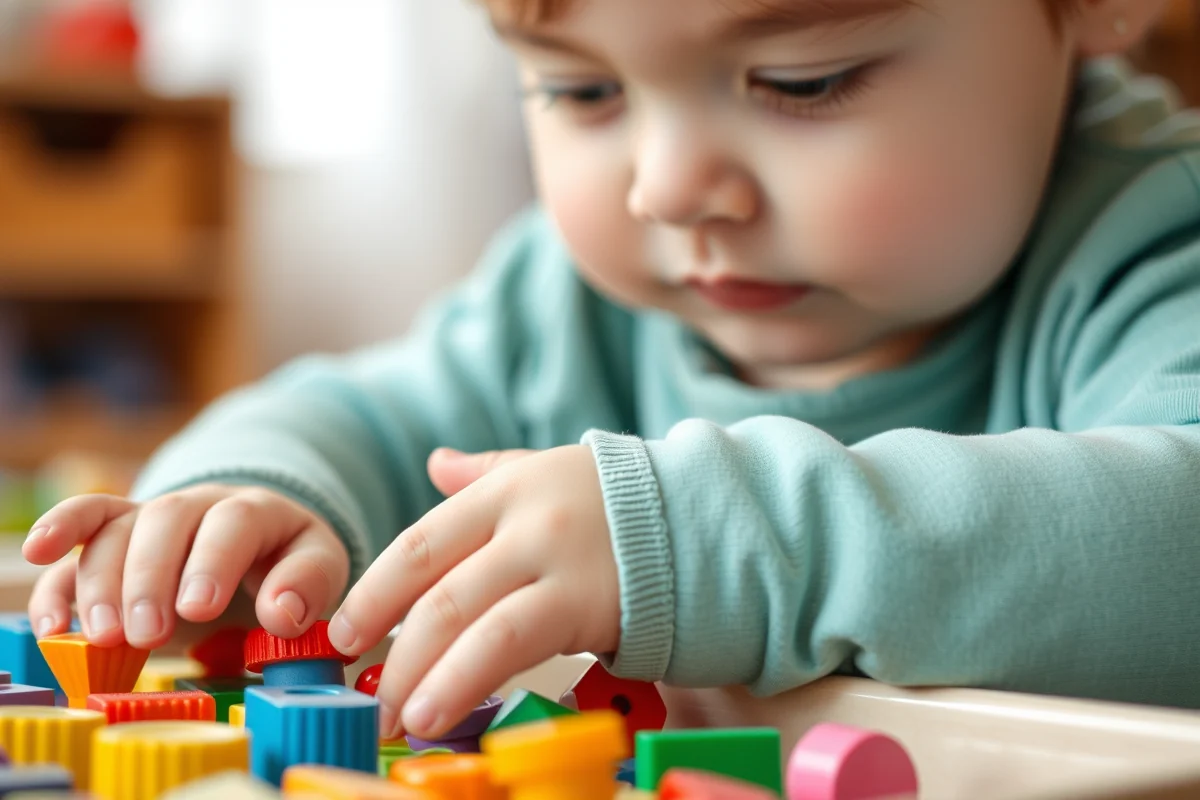
At age 2, my daughter started exploring things with more purpose. I filled a large bin with water, a few floating toys, and some bath bombs. She loved watching the water swirl around the toys and the way the bath bombs fizzed. It was a sensory play idea for 2-year-olds that combined learning with play.
Another favorite sensory play idea for toddlers was using a sensory table with colored water. I filled a shallow bin with water dyed different colors and let her mix them with small spoons. She was fascinated by the way the colors changed when mixed. It was both a science lesson and a sensory exploration.
One of the best sensory play ideas for toddlers is using a sensory bin with small objects. I used a bin with small balls, buttons, and blocks. She loved picking them up and sorting them. It was a great way to develop fine motor skills while having fun.
Sensory play is the best way to learn through play.
Related: Budget sensory play ideas
Related: Sensory play tips
Related: Sensory play for small spaces
Related: Play based kindergarten curriculum for beginners
Related: Sensory play definition 2026
Related: Affordable play based preschool curriculum
Related: Beginner games for children to play indoors
Related: Homemade sensory play and child development
Related: Small play based learning benefits
Related: Sensory play benefits mistakes
Related: Play based learning benefits guide
Related: Top sensory play definition
Related: Top sensory play for beginners
Sensory Play Ideas for Preschoolers: Encouraging Creativity and Curiosity
My daughter is now 4, and I’ve started using more complex sensory play ideas for preschoolers. One of my favorites is making a sensory bin with kinetic sand. She loves building castles and then watching them crumble. It’s a sensory play idea that’s both messy and fun.
Another great sensory play idea for preschoolers is using a sensory bin with pasta and water. I filled a bin with uncooked pasta and let her play with it. She loved watching it float and then sink. It was a great way to explore buoyancy and water.
I also discovered that using a sensory bin with different textures is a favorite for preschoolers. I used a mix of soft fabric, sand, and small objects. She loved feeling the differences between them and sorting them into groups. It was a way to develop both sensory and cognitive skills.
Let your preschooler explore the sensory bin on their own terms. Don’t direct them too much—this helps them develop creativity and problem-solving skills through open-ended play.
“When my daughter was 10 months old, I watched her stare at a jar of colorful pasta for 20 minutes, completely absorbed.”— PlayMessy editors
Related: Sensory play for 1 year olds
Related: Cheap sensory play
Related: Sensory play for 2 year olds
Related: Play based kindergarten curriculum on a budget
Related: Diy sensory play for babies
Related: Easy sensory play for 1 year olds
Related: Affordable sensory play for 1 year olds
Related: Easy sensory play tips
Related: Sensory play for beginners ideas
Related: Fast sensory play for 6 month old
Related: Play based learning definition 2026
Related: Diy sensory play for 2 year olds
Related: Sensory play for kids explained
Sensory Play Ideas for Autism: Tailoring the Experience
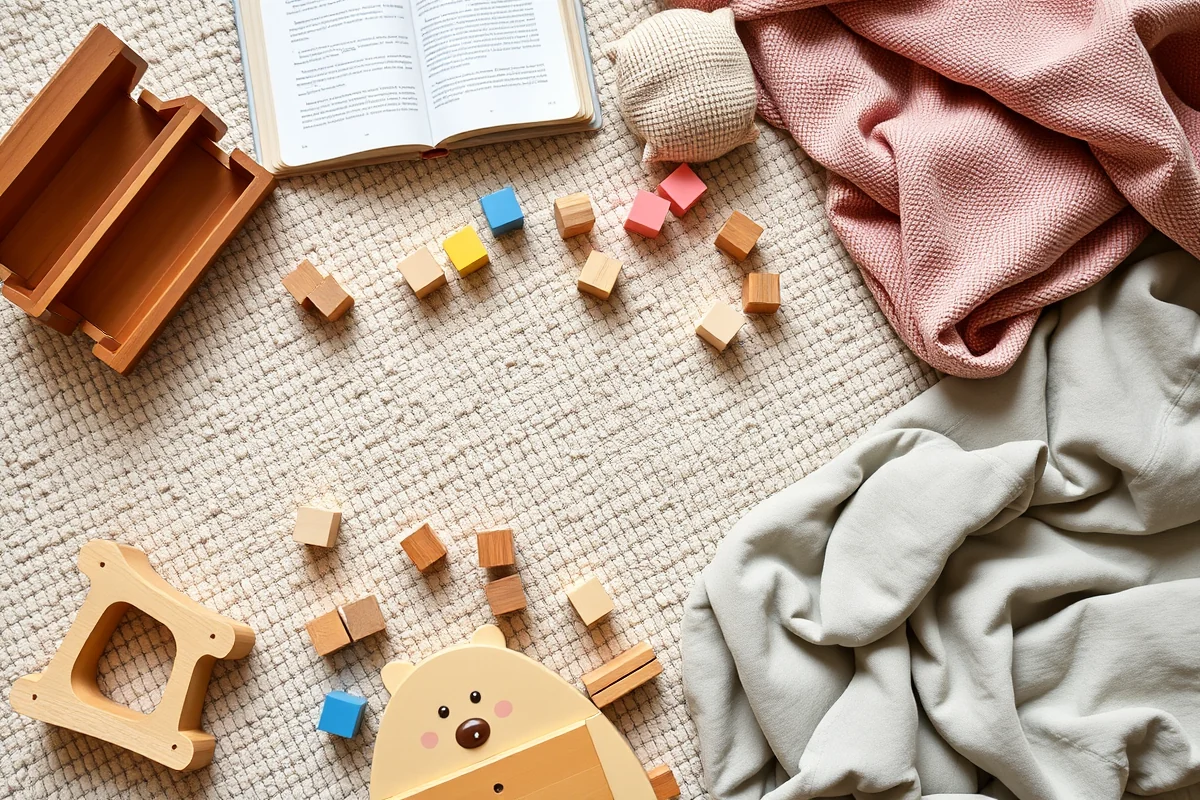
When my daughter started showing signs of sensory processing challenges, I looked into sensory play ideas for autism. One of the first things I tried was a sensory bin with soft fabric and weighted items. She loved the way the weighted items felt in her hands and the way the fabric was soft. It was like a mini therapy session in a bin.
Another sensory play idea for autism is using a sensory bin with calming colors. I used a bin with blue and green materials, which are known to have a calming effect. She loved playing with the colors and the way they looked under the lights.
I also found that using a sensory bin with different textures was helpful for her. I used a mix of soft and hard materials. She loved exploring the differences and finding her favorite textures. It was a way to help her regulate her emotions and develop new skills.
Related: Sensory play comparison
Related: Sensory play for beginners
Related: Sensory play activities for toddlers
Related: Is play based learning effective tips
Related: Essential sensory play benefits
Related: Quick sensory play and child development
Related: Quick play based learning ideas
Related: Natural play based kindergarten curriculum
Related: Sensory play activities comparison
Related: Minimalist sensory play ideas
Related: Play based learning ideas how to choose
Related: Sensory processing disorder
Related: Word play crossword clue
Sensory Play Ideas for All Ages: A Simple, Effective Recipe
To make a basic sensory bin, you’ll need a few simple ingredients. I use rice, beans, or pasta. I mix them with a few small toys and let my daughter explore. It’s a sensory play idea that works for babies and toddlers alike.
Another great sensory play idea is using a sensory bin with water and floating toys. I fill a shallow bin with water and add a few floating toys. She loves watching them float and then sink. It’s a simple but effective way to explore water and buoyancy.
I also like using a sensory bin with different textures. I mix in soft fabric, sand, and small objects. She loves feeling the differences between them and sorting them into groups. It’s a way to develop both sensory and cognitive skills.
⭐ Classic
The tried-and-true sensory bin with rice, beans, and small toys.
💰 Budget
Use items you already have at home, like fabric scraps and small objects.
⚡ Extra-Fast
Make a quick sensory bin with a few minutes of preparation and no cooking.
✨ Depth
Add multiple textures and layers to the sensory bin for a more complex experience.
🥗 Light
Use lightweight materials that are easy to clean and move around.
| The mistake | Why it happens | The fix |
|---|---|---|
| Using small objects that can be a choking hazard. | Small objects are a major choking hazard for babies and toddlers. It’s important to choose safe, large objects for sensory play. | |
| Using materials that are not safe for sensory play. | Some materials can be harmful if ingested or cause skin irritation. It’s important to use safe, non-toxic materials for sensory play. | |
| Not cleaning up after sensory play. | Leaving materials around can be a tripping hazard and make a mess. It’s important to clean up after sensory play to keep the area safe and tidy. | |
| Using materials that are too hot or cold. | Materials that are too hot or cold can cause burns or discomfort. It’s important to use materials that are at a safe temperature for sensory play. | |
| Not providing enough variety in sensory play. | Using the same materials every time can limit the child’s sensory experience. It’s important to provide a variety of materials for sensory play. |
Related: Minimalist sensory play activities
Related: Play based learning list
Related: Affordable sensory play definition
Related: Play based learning benefits checklist
Related: Sensory play for babies that work
Related: Best play based learning
Related: Quick play based learning tips
Related: Top play based learning tips
Related: Cheap sensory play for kids
Related: Budget sensory play activities
Related: Sensory play for kids step by step
Related: Modern play based learning
Related: What is to play it by ear
Sensory Play Ideas
Related: Sensory play for 6 month old
Related: Sensory play activities
Related: Sensory play for beginners for families
Related: Play based learning tips under 30 minutes
Related: Simple sensory play benefits
Related: Fast play based learning
Related: Minimalist play based learning tips
Related: Sensory play and child development
Related: Small play based learning definition
Related: Simple play based learning definition
Related: Top sensory play for 1 year olds
Related: Sensory play for 1 year olds alternatives
Related: What s sensory play
Common Questions
What are the best sensory play ideas for babies?
What are the best sensory play ideas for toddlers?
What are the best sensory play ideas for preschoolers?
What are the best sensory play ideas for autism?
References
- The Benefits of Sensory Play - Community Education (blogs.cornell.edu)
- Sensory Play- Is it Worth the Mess? (blogs.iu.edu)
- Supporting Children's Learning Through Play - Childcare.gov (childcare.gov)
- Cognitive development and sensory play - MSU Extension (canr.msu.edu)
- PDF Sensory Play (dese.ade.arkansas.gov)
Cite this guide
PlayMessy (2026). Sensory Play Ideas. https://playmessy.com/sensory-play-ideas/
Feel free to cite or share this guide.