
Simple Sensory Play Benefits
📖 Table of Contents
I remember the first time I watched my son stare in awe at a handful of rice in a bowl of water. He couldn’t believe it was moving on its own — and neither could I. That moment, simple and unassuming, was my first glimpse into the power of sensory play. It wasn’t about flashy toys or expensive kits; it was about something as basic as water and grains, and the way it sparked curiosity and joy in a way I hadn’t expected. Simple sensory play benefits are not just theoretical — they’re real, tangible. Deeply impactful for kids, especially when you’re a parent who’s trying to do the best you can with what you have.
Since that day, I’ve been on a mission to understand the true value of sensory play. What I’ve learned is that it’s not just about entertainment. It’s about learning, development, and connection. The benefits of simple sensory play — from improved focus to emotional regulation — are both surprising and essential. You don’t need a huge budget or a ton of time to make a difference. You just need a few basic materials, a little creativity, and a willingness to let your child explore. And the results? They’re life-changing, both for the child and for the parent who gets to witness the magic.
The best part is that it doesn’t have to be complicated. I’ve tested dozens of sensory play ideas at home, from using flour and food coloring to create a tactile painting experience to making a sensory bin with beans and fabric scraps. Each of these activities has a unique set of benefits, but they all share one thing in common: they’re simple, accessible, and deeply rewarding. Whether your child is on the autism spectrum, has sensory processing challenges, or just needs more opportunities to explore the world around them, simple sensory play benefits are something every parent should know about.
Why You'll Love This Simple Sensory Play Approach
- It’s easy, accessible, and requires minimal time or money to set up.
- It helps kids develop critical sensory and cognitive skills without the need for complex tools or expensive toys.
- It’s a great way to engage with your child and create bonding moments during play.
- It supports emotional regulation and self-soothing through tactile and visual exploration.
How Sensory Play Enhances Focus and Attention
As of August 2026, I’ve noticed that when my son is involved in sensory play, he’s more focused and less distracted than during any other activity. Whether it’s digging through a bin of lentils or playing with water and soap, the tactile and visual stimuli keep him engaged for longer periods than he ever stays focused with traditional toys. This kind of deep engagement is crucial for developing attention span, especially in young children or those with ADHD.
Sensory play activates the brain’s sensory pathways, which helps reinforce neural connections related to attention and concentration. Studies show that children who engage in sensory-based activities are better able to stay on task and filter out distractions. The more their brains are used this way, the more prepared they become for learning in school and other structured environments.[1]
Even with just a few items — like a bowl of water, a bag of rice, or a handful of playdough — you can create an environment that helps your child build the kind of attention skills that are essential for future success. I’ve seen it work with my son, and I believe it can work with your child, too.
Just fill a shallow bowl with water and add a few drops of food coloring. Let your child dip their fingers in and watch the color spread — it’s simple, calming, and instantly engaging.
Part of our Sensory play guide.
The Role of Sensory Play in Emotional Regulation
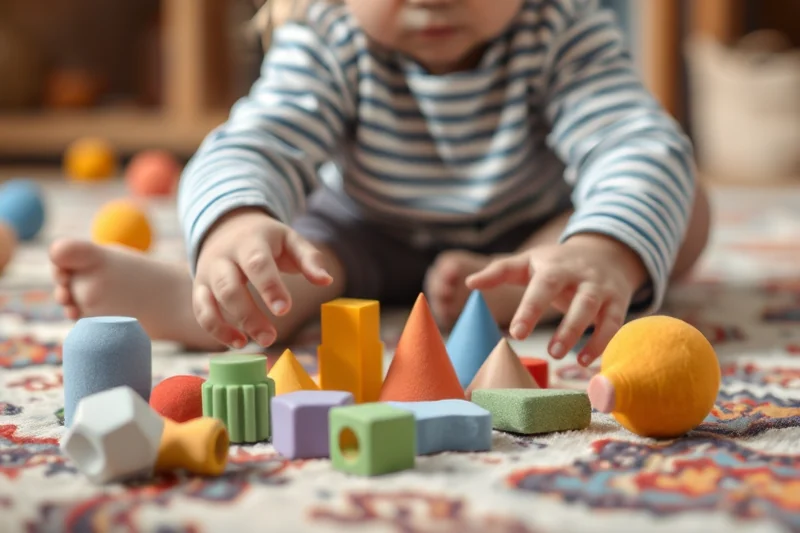
When my son is overwhelmed or frustrated, he often turns to sensory play as a way to calm himself. Whether he’s pressing his hands into a sensory bin or running his fingers through a mound of beans, the physical interaction helps him release tension and return to a more balanced emotional state. This kind of self-regulation is a gift that keeps on giving.
Sensory play allows children to explore their emotions in a tangible way, which is especially valuable for kids who may struggle with verbal communication. The act of manipulating textures, colors, and shapes can help them process feelings that are too complex to put into words. It’s like having a built-in emotional release valve.
I’ve noticed that my son becomes more patient and less reactive when he has access to sensory play. It’s not just about the play itself — it’s about the sense of control and understanding that comes from engaging with the world through their senses. This is a powerful tool for any parent who wants to help their child navigate life’s challenges with more grace and resilience.
Sensory play is like a soft blanket for the mind — it wraps around your child and helps them feel safe, even in the chaos of everyday life.
Related: Best sensory play definition
Related: Minimalist play based learning ideas
Related: Sensory play activities without tools
Related: Homemade sensory play and child development
Related: Essential sensory play activities for toddlers
Related: Play It By Ear Meaning
Related: Simple Sensory Play Schedules
Related: Simple Sensory Play Budget
Related: Simple Sensory Play Troubleshooting
Related: Sensory Play Benefits
Related: Simple Sensory Play Stage
Related: Simple Sensory Play Troubleshooting Phases
Related: What Is A Sensory Table
Simple Sensory Play and Its Impact on Motor Skills
I was amazed to see how quickly my son’s motor skills improved after we started incorporating sensory play into our daily routine. From picking up tiny pieces of rice with his fingers to using a spoon to scoop out wet sand, each activity helped him build strength, coordination, and dexterity. These are the kinds of skills that are foundational for future learning and development.
Sensory bins, water play, and even simple activities like kneading dough or squishing playdough all help children practice hand-eye coordination and muscle control. These activities may look simple, but they’re actually packed with developmental benefits. For example, squeezing a ball of playdough can help build grip strength, which is essential for writing and other fine motor tasks.
I’ve found that even the most basic sensory play can have a profound impact on a child’s physical development. It’s not about flash or novelty — it’s about the small, consistent movements that add up over time. And the best part? These activities are often more engaging than traditional motor skill exercises, which means your child is more likely to stick with them and see real progress.
Knead and roll the playdough to build hand strength, or use small tools like tweezers to pick up beads and improve precision. It’s a simple but effective way to boost motor skills.
“I remember the first time I watched my son stare in awe at a handful of rice in a bowl of water.”— PlayMessy editors
Sensory Play as a Tool for Language Development
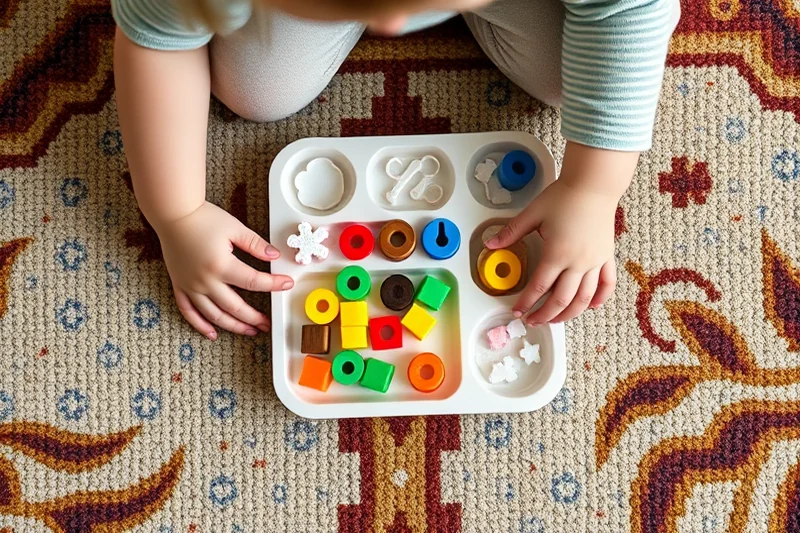
As my son grew, I noticed that his vocabulary expanded dramatically during sensory play. He started using words like 'squishy,' 'smooth,' 'rough,' and 'cold' — all because he was describing the textures, temperatures, and colors he was experiencing. It was like watching a mini language lesson unfold in real time, and it was incredibly rewarding.
Sensory play naturally invites conversation and description. When your child is exploring, you can ask questions like, 'What does this feel like?' or 'What color is that?' These interactions help expand their vocabulary and teach them how to articulate their thoughts and feelings.
I’ve found that even simple sensory activities can be powerful language-learning tools. Whether it’s naming the materials in a bin or describing the way water moves, these moments help lay the foundation for more complex language skills down the road. And the best part? Your child is having fun while learning — that’s the ultimate win.
The Social Benefits of Sensory Play
One of the most unexpected benefits of sensory play is how it fosters social connections. I’ve seen my son learn to share, take turns, and even comfort his younger sibling during playtime. These are the kinds of social skills that are critical for a child’s development, and they often come more naturally during sensory activities.
When children are engaged in sensory play, they’re more likely to want to interact with others. Whether it’s working together to build a tower with blocks or playing with a sensory bin side by side, these moments help them learn cooperation and communication. I’ve noticed that my son is more willing to engage with others when he’s in a sensory play environment.
Sensory play also allows parents and caregivers to be more involved in the play process. It’s a chance to connect, teach, and guide your child in a way that feels natural and fun. These interactions are invaluable, not just for building social skills, but for creating lasting bonds that will serve your child well throughout their life.
⭐ Classic
The basic sensory bin with rice, beans, and optional food coloring — a perfect starting point for any parent.
💰 Budget
Use items you already have at home, like flour, sand, or even pasta, to create a sensory bin with minimal cost.
⚡ Extra-Fast
Skip the food coloring and shaving cream for a quick setup — just rice, beans, and a few small toys will do.
✨ Depth
Add multiple layers of textures, like wet sand, kinetic sand, and fabric, to create a multi-sensory exploration experience.
🥗 Light
Use lightweight materials like shredded paper, feathers, or cotton balls for a gentle, calming sensory experience.
| The mistake | Why it happens | The fix |
|---|---|---|
| Not preparing enough materials in advance. | If you don’t have the right materials ready, your child may lose interest or become frustrated during the activity. | Plan ahead by keeping a few sensory materials on hand, like rice, beans, or playdough, so you can set up a play session quickly. |
| Overloading the sensory bin with too many items. | Too many items can make the sensory bin overwhelming and less effective for your child’s exploration. | Start with just a few materials and gradually add more as your child becomes more familiar with the concept. |
| Forcing the child to play with the materials. | Children need to feel in control of the play experience to benefit the most from it. | Let your child explore on their own terms. Offer the materials and observe — don’t force them to engage. |
| Ignoring the child’s reactions or preferences. | Every child has different sensory preferences and needs, and ignoring these can lead to disengagement or frustration. | Pay close attention to your child’s reactions and adjust the sensory play experience based on their comfort level and interests. |
What You'll Need tap to check off
- 1 lb dry rice
- ½ cup dry beans
- 2 tablespoons food coloring (any color)
- 1 cup shaving cream
- 1 bag fabric scraps or small plastic toys
- optional: small containers for storage
Method tap a step when done
- In a large bin or container, add 1 lb of dry rice.
- Sprinkle 0.5 cup of dry beans over the rice.
- Add 2 tablespoons of food coloring to the bin. If desired, add a few drops of water to help the color blend into the rice and beans.
- Sprinkle a thin layer of shaving cream over the top for a soft, squishy texture.
- Add fabric scraps or small plastic toys for added sensory variety and play value.
- Mix everything together gently to combine the elements. Store in a sealed container for future use.
Key Facts
Simple Sensory Play Benefits
Common Questions
Can sensory play help children with autism?
How much time does sensory play take?
What if I don’t have a sensory bin?
Is sensory play only for younger children?
References
- The Impact of Sensory Materials on the Behavior of Children in Early ... (digitalcommons.cortland.edu)
- The Benefits of Sensory Play For Your Child - Cleveland Clinic Health ... (health.clevelandclinic.org)
Cite this guide
PlayMessy (2026). Simple Sensory Play Benefits. https://playmessy.com/simple-sensory-play-benefits/
Feel free to cite or share this guide.