Sensory Play Indoor On A Budget
📖 Table of Contents
I remember the first time my daughter’s eyes lit up with wonder during a sensory play session. It was a rainy afternoon, and I had nothing but a bowl of rice, a few plastic containers, and some old fabric scraps. What I didn’t realize was that this simple setup would spark her curiosity and calm her anxiety like nothing else. Sensory play indoor on a budget is not just about saving money—it’s about giving your child a world of exploration and learning that doesn’t require a dollar sign.
When I became a parent, I quickly learned that traditional playthings can be expensive and often lose their appeal within weeks. I wanted something that would last, that would grow with my child, that would be safe and engaging. Sensory play became my go-to, and I found that it’s not only affordable but also incredibly versatile. You don’t need a lot—just a few key items and a bit of creativity to turn your home into a sensory-rich environment.
My biggest discovery was that sensory play is not just for toddlers. It works for all ages, including older kids and even adults who find comfort in it. It helps with focus, sensory processing, and emotional regulation. And the best part? It’s all within your reach—no need for fancy gadgets or high-end toys. Just a few everyday items, and you’re all set.
Why You'll Love This Sensory Play Experience
- Encourages creativity and cognitive development without cost
- Reduces sensory overload and promotes calm in children
- Uses everyday items, making it easy to set up and clean
- Can be tailored to your child’s specific needs and interests
Why Sensory Play Matters for Your Child’s Development
As of September 2026, Sensory play is more than just fun—it’s a critical part of early childhood development. When kids engage with different textures, colors, and sounds, they’re building neural pathways that help with learning and communication. Studies show that sensory-rich activities can improve attention span and reduce anxiety in children, especially those with sensory processing challenges.[1]
I’ve seen firsthand how sensory play helps my daughter regulate her emotions. During a meltdown, she’ll often turn to the sensory bin and start digging through the rice or beans, and within minutes, she calms down. It’s like a reset button for her nervous system.
What’s even better is that this kind of play doesn’t require a lot of materials. You can create a sensory bin with just a few items—rice, beans, or even shredded paper. It’s not only cost-effective but also easily adaptable to your child’s needs.
Old socks, fabric scraps, and rice from your kitchen can all become part of a sensory bin. It’s a great way to reuse items and keep costs low.
Part of our Sensory play indoor rainy day ideas guide.
How to Start a Sensory Play Setup on a Budget

Starting a sensory play area doesn’t have to be complicated. I’ve built mine using items I already had at home. For example, I used a large plastic container filled with rice and a few small plastic animals. The kids love digging through the rice to find the animals and then sorting them by color or size.
If you’re just starting out, I recommend gathering a few different textures and materials. You can use items like water beads, dried pasta, or even crumpled paper. These can be stored in clear plastic bins so your child can easily access them when they’re ready to play.[2]
The most important thing is to keep the setup safe and clean. I always make sure the materials are free from small parts that could be choking hazards, and I store them in a place where my child can reach them without supervision.
A little creativity goes a long way when it comes to sensory play.
Related: Budget sensory play indoor
Related: Sensory play indoor checklist
Related: Sensory play indoor rainy day ideas examples
Tailoring Sensory Play to Your Child’s Needs
Every child is different, and their sensory preferences will vary. Some kids love the feel of sand, while others prefer the softness of fabric. It’s important to observe what your child enjoys and tailor the play experience to their needs.
I noticed that my daughter was particularly drawn to the texture of water beads. I made sure to include them in most of her sensory bins, and she would spend hours playing with them. It was fascinating to see how she explored different ways to interact with the beads—squeezing, rolling, even using them to create patterns.
Tailoring sensory play to your child’s preferences not only increases engagement but also helps them develop specific skills. For example, using water beads can help with hand-eye coordination, while playing with fabric can enhance fine motor skills.
Pay attention to how your child interacts with different materials. If they seem disinterested or overwhelmed, try changing the texture or adding more variety.
“I remember the first time my daughter’s eyes lit up with wonder during a sensory play session.”— PlayMessy editors
Related: Affordable sensory play indoor rainy day ideas
Related: Affordable sensory play indoor
Related: Sensory play rainy for beginners
Keeping Sensory Play Simple and Sustainable
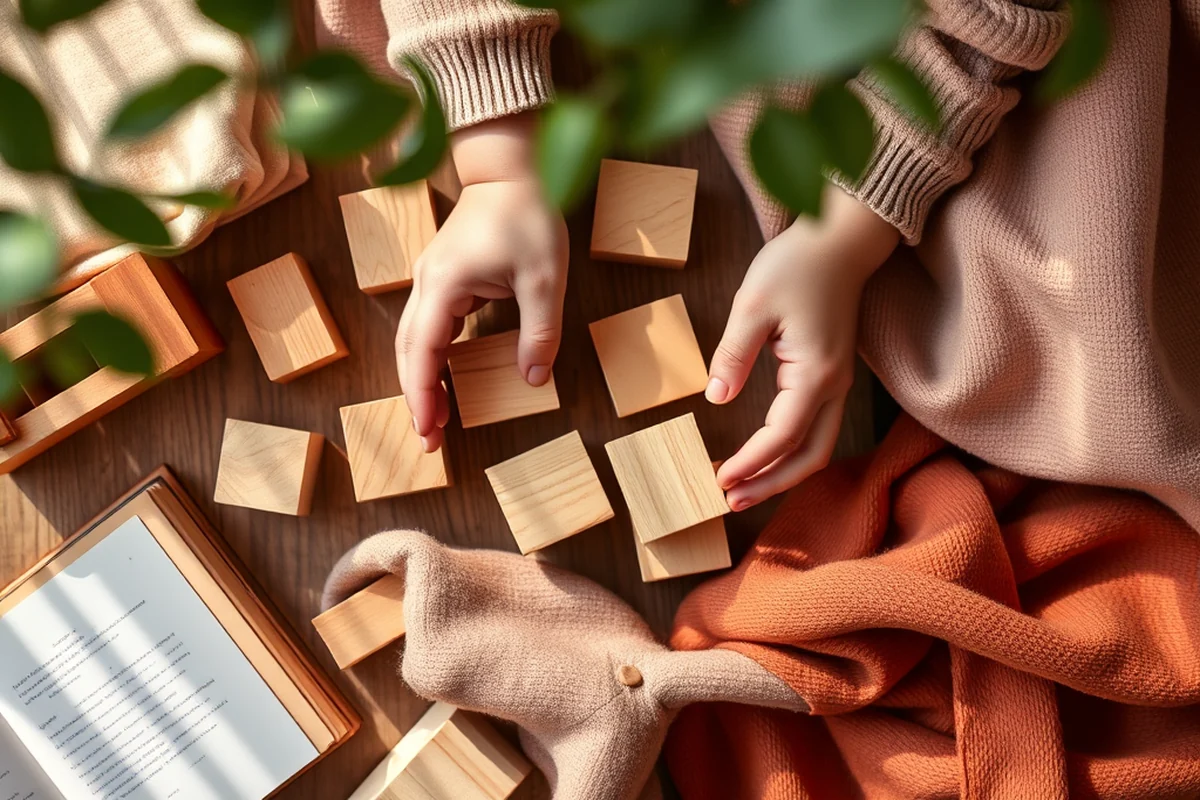
One of the best things about sensory play is that it doesn’t require a lot of upkeep. I’ve found that with a few basic materials, I can create a variety of sensory experiences that my child enjoys for months. It’s also easy to clean up, which is a big plus for busy parents.
I try to keep the sensory bins stored in a central location, like a low cabinet or a toy bin that’s within my child’s reach. This way, she can access them independently and return them to their place after playing. It’s a great way to teach her responsibility and independence.
Another tip is to rotate the materials in the sensory bins every few weeks. This helps keep the play experience fresh and engaging. I’ve noticed that when the materials are rotated, my daughter is more excited to play and explore.
Related: Diy sensory play indoor
Related: Easy sensory play rainy
Related: Sensory play rainy mistakes to avoid
The Long-Term Benefits of Affordable Sensory Play
Sensory play isn’t just a short-term activity—it’s an investment in your child’s future. The skills they develop during these early years can have a lasting impact on their learning, communication, and emotional regulation.
Studies have shown that children who engage in regular sensory play are more likely to develop strong problem-solving skills and emotional resilience. This is because sensory play encourages exploration, creativity, and the ability to cope with new experiences.[3]
For parents on a budget, this is especially valuable. You don’t need to spend a lot to give your child the tools they need to thrive. A few simple materials and a little creativity can make a big difference.
🧸 Gentle for Sensitive Kids
Use soft materials like fabric scraps and gentle textures to create a calming sensory experience for kids who are easily overwhelmed.
⏱️ Fast-Track Setup
Create a sensory bin in under 10 minutes using only 2-3 items from around the house, perfect for busy days.
🧳 Travel/away-from-home
Pack a portable sensory kit with small, washable items that your child can explore even when you're on the go.
👶 Multiples
Design sensory play that works for multiple kids, using shared materials and activities that encourage collaboration and teamwork.
🔄 Regression Reset
Use sensory play as a reset tool for kids going through developmental regression, helping them regain confidence and focus.
| The mistake | Why it happens | The fix |
|---|---|---|
| Using too many materials at once | This can overwhelm your child and make the play experience less effective. | Start with a few simple materials and gradually introduce new ones as your child becomes more comfortable with the activity. |
| Neglecting cleanup | Leftover materials can become a mess and may even be a safety hazard. | Always make it a habit to clean up after each session, even if it’s just a quick tidying up. |
| Ignoring your child’s preferences | Forcing your child to play with materials they don’t like can lead to frustration and disengagement. | Observe your child’s preferences and tailor the sensory play experience to their interests and needs. |
| Not rotating the materials | Over time, your child may lose interest in the same materials, making the play experience less engaging. | Rotate the sensory materials every few weeks to keep the activity fresh and exciting. |
Related: Sensory play indoor rainy day ideas mistakes to avoid
Related: Sensory play indoor rainy day ideas guide
Related: Best sensory play indoor rainy day ideas
Sensory Play Indoor On A Budget
Related: Sensory play rainy tips
Related: Sensory play indoor rainy day ideas ideas
Related: Sensory play indoor rainy day ideas on a budget
Maximizing Storage and Organization Without Breaking the Bank
Smart storage solutions are essential for keeping sensory play accessible and manageable on a budget.
I once filled my living room with sensory bins, only to realize they were taking over the space. That’s when I invested in clear plastic bins from the dollar store and labeled them with washi tape. This simple move not only kept everything organized but also made it easy for my toddler to find what she wanted. The bins stacked neatly under the table, and I added a small shelf with hooks for scoops, funnels, and other tools. It turned what was once a chaotic mess into a tidy, inviting play area that we could use daily.
I also repurposed old containers from food items—like spaghetti sauce jars and yogurt cups—as sensory containers. Cleaning them took about 15 minutes total, and they held just as much as the store-bought ones. I filled them with rice, beans, or dried pasta for texture play, and they were easy to wash and reuse. My child loved flipping them over and watching the contents spill out, which was both entertaining and a great way to work on fine motor skills.
To save space, I used a large cardboard box as a sensory play center. I lined it with craft paper and added fabric scraps, rubber bands, and other items for tactile exploration. The box sat on a low shelf, and I made sure to keep it within my child’s reach. It was a hit during quiet time, and we both appreciated how it kept the play area contained without taking up too much room. This approach made sensory play a seamless part of our daily routine without the need for expensive storage solutions.
DIY Sensory Bins: Creative, Cost-Effective Fun
DIY sensory bins are a fantastic way to provide engaging, affordable sensory play at home. Using simple materials like rice, beans, or pasta, you can create bins that offer tactile exploration, fine motor practice, and imaginative play. These bins can be themed around holidays, seasons, or even specific learning goals, making them both fun and educational.
I've created several sensory bins using leftover materials from the grocery store, like dried beans, lentils, and rice, which cost less than $2 per bin. I use old containers, such as Tupperware or plastic bins from the dollar store, which are both durable and easy to clean. Adding items like plastic animals, small toys, or even pasta shapes transforms these bins into interactive learning tools. My toddler loves digging through the bins to find hidden treasures, which helps improve his hand-eye coordination and problem-solving skills.
For a holiday-themed bin, I once used shredded paper and fake snow to create a “winter wonderland” bin. It was easy to make, and the kids had a blast pretending to build snowmen and search for hidden toys. I also like to mix in items like fabric scraps or shredded paper for texture variety, which adds more sensory stimulation. These bins are not only inexpensive but also customizable based on my child's interests and developmental stage.
I’ve found that reusing materials is key to keeping the cost low while maximizing the fun. After playing, I simply pour the materials back into the bin and store it for later use. This also teaches my child about sustainability and resourcefulness. I often rotate the bins every few weeks to keep the play experience fresh and engaging. Whether it’s a sensory bin for bath time or a quiet activity during a rainy day, these bins are a flexible and affordable addition to our home.
Common Questions
Can I use natural materials for sensory play?
How often should I rotate the sensory materials?
Is sensory play appropriate for older kids?
How do I clean up after sensory play?
References
- The Powerful Role of Play in Early Education (cde.ca.gov)
- Relating Children's Ages to Toy Characteristics and Play Behavior (cpsc.gov)
- Improving Engagement - ERIC (files.eric.ed.gov)
Cite this guide
PlayMessy (2026). Sensory Play Indoor On A Budget. https://playmessy.com/sensory-play-indoor-on-a-budget/
Feel free to cite or share this guide.