Sensory Play Indoor Rainy Day Ideas For Small Spaces
📖 Table of Contents
Rainy days can be a blessing in disguise with sensory play for small spaces. I remember one particularly gray afternoon when my daughter, who was only 18 months old, became completely absorbed in a small bin of rice and plastic animals. It was one of those moments where the chaos of the day melted away, and she was just happy, engaged, and learning — all within the confines of our living room. Sensory play is more than just fun; it's a way to nurture development, curiosity, and connection in the most unexpected of moments.[1]
Small spaces don't have to limit creativity or engagement — in fact, they can heighten it. I've found that when the world outside is muted by rain, the sensory world inside becomes more vivid. Whether it's the squish of playdough, the rustle of crumpled paper, or the gentle jingle of beads, small spaces can be transformed into rich sensory environments. These moments are not only valuable but also deeply fulfilling for parents who want to engage their children in meaningful, hands-on learning without the need for large rooms or elaborate setups.[3]
One of the most surprising things about sensory play in small spaces is how little you actually need to get started. I’ve filled entire rainy days with just a few items — sometimes as few as two — and watched my child’s eyes light up with wonder. It's not about the quantity; it's about the quality of the interaction. Sensory play can be a lifeline on rainy days, turning what might be a restless afternoon into an opportunity for connection, discovery, and joy.[4]
Why You'll Love This Article
- Discover how to make the most of small spaces with creative, low-cost ideas
- Get practical tips that can be implemented immediately, even on the busiest days
- Learn how sensory play can be both educational and fun, without the need for elaborate setups
- Explore how these ideas can be adapted for different age ranges and developmental stages
The Magic of Everyday Materials
As of September 2026, I’ve filled sensory bins with items like rice, beans, pasta, and even shredded paper — all things you might already have on hand. One of my favorites was using a large plastic container filled with dried pasta and small plastic dinosaurs. The squish of the pasta under her fingers and the sound of the dinosaurs being moved around kept her engaged for over an hour.
The key is to find materials that are safe, engaging, and can be explored with different parts of the body — like touch, sound, and even smell. I once used a bin of dried lavender and a few small wooden blocks. The scent of lavender alone was enough to calm her down and keep her focused on the activity.
The best part is that you don’t need to buy anything special — just repurpose what you have at home. One day, I used crumpled newspaper and paint, and the next, I used sand and seashells. The only rule I follow is to always keep the play area contained, so it doesn’t become a mess.
Look around your home — you might be surprised by how many materials are already waiting to be turned into a sensory bin or activity. Try using items like fabric scraps, dried pasta, or even small pebbles for texture.
Part of our Sensory play indoor rainy day ideas guide.
Transforming Your Space with Textures and Sounds
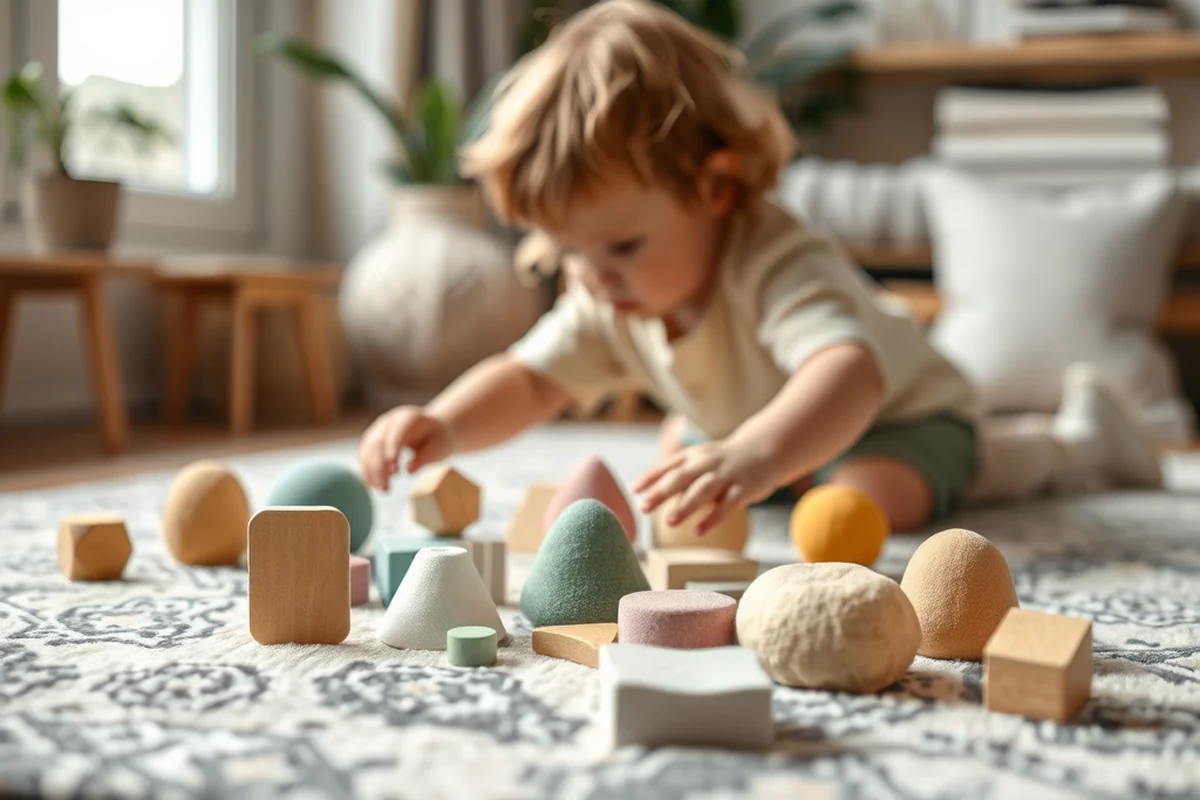
I’ve created sensory play zones by adding different textures and sounds to our living room. One afternoon, I set up a corner with a blanket filled with crumpled paper and a small table with a bin of beads and a bell. The sound of the bell and the squish of the paper kept her engaged and curious.
The next day, I used a large bin filled with fabric scraps of different textures — burlap, felt, and even some silky fabric. She loved running her fingers over the different materials and sorting them by texture.
The key to these activities is variety — mixing and matching different sensory elements creates a more engaging and stimulating experience. I’ve noticed that when there are multiple textures and sounds involved, she stays focused for longer and becomes more engaged in the play.
Texture and sound can turn a small space into a world of discovery.
Related: Sensory play indoor printable
Quick and Easy Setup for Rainy Days
On one rainy afternoon, I decided to set up a sensory play area using just a large plastic container and some rice. I filled the container with rice and a few small plastic animals. Within minutes, my daughter was digging through the rice and playing with the animals.
I’ve found that the best setups are those that require minimal time and effort to create. I’ve used shredded paper, beans, and even small pieces of fabric to make sensory bins that can be set up in under 10 minutes.[2]
The key is to keep it simple and focused. I’ve found that when the setup is too complicated, it can become overwhelming. The best setups are those that are easy to manage and clean up after, which makes them perfect for rainy days when you might be indoors for a long time.
Keep your sensory play materials organized and ready to go. Store them in labeled containers so you can pull them out quickly. Try setting up a dedicated area for sensory play with a small table and a few bins for different activities.
“Rainy days can be a blessing in disguise when it comes to sensory play for small spaces.”— PlayMessy editors
Related: Easy sensory play indoor rainy day ideas
Engaging Multiple Senses at Once

One of the most effective ways to create a rich sensory experience is to engage multiple senses at once. I’ve set up sensory bins that include both visual and tactile elements, such as a bin filled with colored rice and small wooden blocks.
Another day, I used a bin filled with dried lavender and small wooden balls. The scent of lavender alone was enough to calm her down, and the sound of the balls rolling around kept her engaged.
I’ve noticed that when multiple senses are involved, she becomes more focused and curious about the activity. The combination of sight, sound, and smell can create a more immersive and engaging experience that keeps her interested for longer.
Related: Sensory play indoor rainy day ideas examples
Making the Most of Small Spaces
I’ve discovered that small spaces can be incredibly effective for sensory play. Even our living room, which is just a small room, can be transformed into a sensory play area with the right setup.
One of the best ways to make the most of a small space is to use vertical space. I’ve hung a few small bins on the back of a closet door, and they’ve become a quick and easy way to access different sensory materials.
I’ve found that the most important thing is to be intentional with the setup. A small space doesn’t need to be cluttered — it just needs to be organized and focused. This makes it easier to manage and enjoy.
🧸 Gentle Approach
For children who are easily overwhelmed, the gentle approach focuses on soft textures and calming scents.
⚡ Fast-Track Setup
Use pre-made sensory kits or quick setups to get started in under 10 minutes.
🧳 Travel/On-the-Go
Create a portable sensory play kit with lightweight materials that can be taken anywhere.
👶 For Multiples
Set up sensory activities that can be enjoyed by multiple children at the same time.
🔄 Regression Reset
Use sensory play as a way to reset and engage children who are going through developmental regression.
| The mistake | Why it happens | The fix |
|---|---|---|
| Using too many materials at once | Too many materials can overwhelm a child and make the sensory play experience less engaging. | Keep the number of materials limited to 3 or 4 types to help your child focus and enjoy the activity. |
| Ignoring safety | Small items can be a choking hazard, especially for children under 3. | Always supervise sensory play and avoid using small, round objects that could be a choking hazard. |
| Not cleaning up after play | Mess can quickly become a problem in small spaces and lead to frustration. | Have a designated area for sensory play and a clear cleanup routine to help keep things organized. |
| Not involving the child in the setup | Children can become more engaged and invested in the activity if they help with the setup. | Involve your child in the setup by letting them choose materials and help organize the play area. |
Related: How to sensory play rainy
Sensory Play Indoor Rainy Day Ideas For Small Spaces
Related: Sensory play indoor step by step
DIY Sensory Bins for Tiny Explorers
Create affordable, engaging sensory bins using materials from around the house for rainy day fun.
I’ve found that DIY sensory bins are a game-changer when it comes to keeping toddlers entertained during long rainy days. A simple bin filled with rice, pasta, or dried beans and a few small toys can become an instant sensory playground. I’ve used old containers from the kitchen, like yogurt cups and takeout containers, to make these bins. The best part? They’re easy to customize — adding items like small spoons, plastic animals, or even a few plastic eggs for hiding and finding keeps the play dynamic and fresh.
One of my favorite additions is to mix in different textures, like shredded paper, foam pieces, or even dried pasta. These materials not only provide tactile stimulation but also encourage fine motor skills as kids scoop, pour, and sort. I’ve noticed that my child spends hours in these bins, even on days when the weather is gloomy. It’s a low-cost, low-mess way to keep them engaged and learning.
Another tip is to rotate the contents regularly to maintain interest. Last week, I filled one bin with crumpled paper and playdough, and another with rice and small toy cars. This rotation not only keeps the play experience exciting but also allows for different types of sensory exploration. The bins are also easy to store, so I can keep them tucked under the bed or in a closet until the next rainy day.
Common Questions
What are some safe materials I can use for sensory play at home?
How can I make sensory play more engaging for my child?
Can I set up sensory play in a small space like a bedroom or living room?
How long should sensory play sessions last?
References
- Natural Play Areas | Washington State Department of Health (doh.wa.gov)
- Head Start Design Guide - GovInfo (govinfo.gov)
- Playing in Weather from Rain to Rainbows | HeadStart.gov (headstart.gov)
- Nature Play at Home (dshs.texas.gov)
Cite this guide
PlayMessy (2026). Sensory Play Indoor Rainy Day Ideas For Small Spaces. https://playmessy.com/sensory-play-indoor-rainy-day-ideas-for-small-spaces/
Feel free to cite or share this guide.