
Sensory Play Stage Checklist
📖 Table of Contents
When my daughter turned two, I watched her crawl across the floor in a pile of squishy, colorful foam blocks, giggling like she'd discovered the secret to happiness. It wasn't just play — it was sensory exploration, and it was happening in real time, right under my nose. This was the moment I realized that sensory play isn't just a phase; it's a critical stage that shapes how kids interact with the world. I've since built a sensory play stage checklist that helps parents stay on track, making sure their kids get the right kind of stimulation at the right time.
I remember the day my son first reached for the feather duster — not to clean, but to feel the soft, tickling fibers against his fingertips. That moment taught me how deeply sensory experiences can affect a child's development, from motor skills to emotional regulation. But without a structured approach, it's easy to miss the window of opportunity for certain developmental milestones. That’s why I created a sensory play stage checklist that’s not only grounded in science but also practical for everyday life.
The truth is, sensory play isn't a luxury — it's a necessity for growth. Whether it's the gritty texture of sand, the cool smoothness of a wooden block, or the squish of a stress ball, each interaction is a learning moment. But without a clear roadmap, it’s easy to go off track. My sensory play stage checklist is designed to help parents navigate this world with confidence, ensuring that their children receive the right kind of stimulation at the right age, with the right tools.
Why You'll Love This Sensory Play Stage Checklist
- It gives you a clear, age-by-age guide for what to expect and what to provide.
- It helps you avoid the common mistakes that can derail sensory development.
- It makes it easy to track progress and adapt as your child grows.
- It brings structure to what might otherwise feel chaotic or overwhelming.
What is a Sensory Play Stage Checklist?
As of September 2026, this checklist isn't just a list of activities — it's a guide rooted in developmental milestones and sensory science. For example, when a child is around 18 months, they're beginning to explore textures and colors in a more deliberate way. A sensory play stage checklist will help you know exactly what to provide for that stage.[1]
I've used this checklist with both my children, and it's made a noticeable difference in how quickly they adapted to new textures, sounds, and even social cues. One of the most valuable parts of the checklist is the way it breaks things down by age, making it easier to plan and prepare.
From tactile activities like playing with mud to auditory ones like listening to rain sounds, the checklist ensures that your child is getting the right kind of stimulation at the right time — without the guesswork.
When introducing a new sensory material, start with a small quantity and observe your child's reaction. This helps you gauge their comfort level and avoids overwhelming them.
Part of our Sensory play by age stage guide.
How to Use the Checklist Effectively
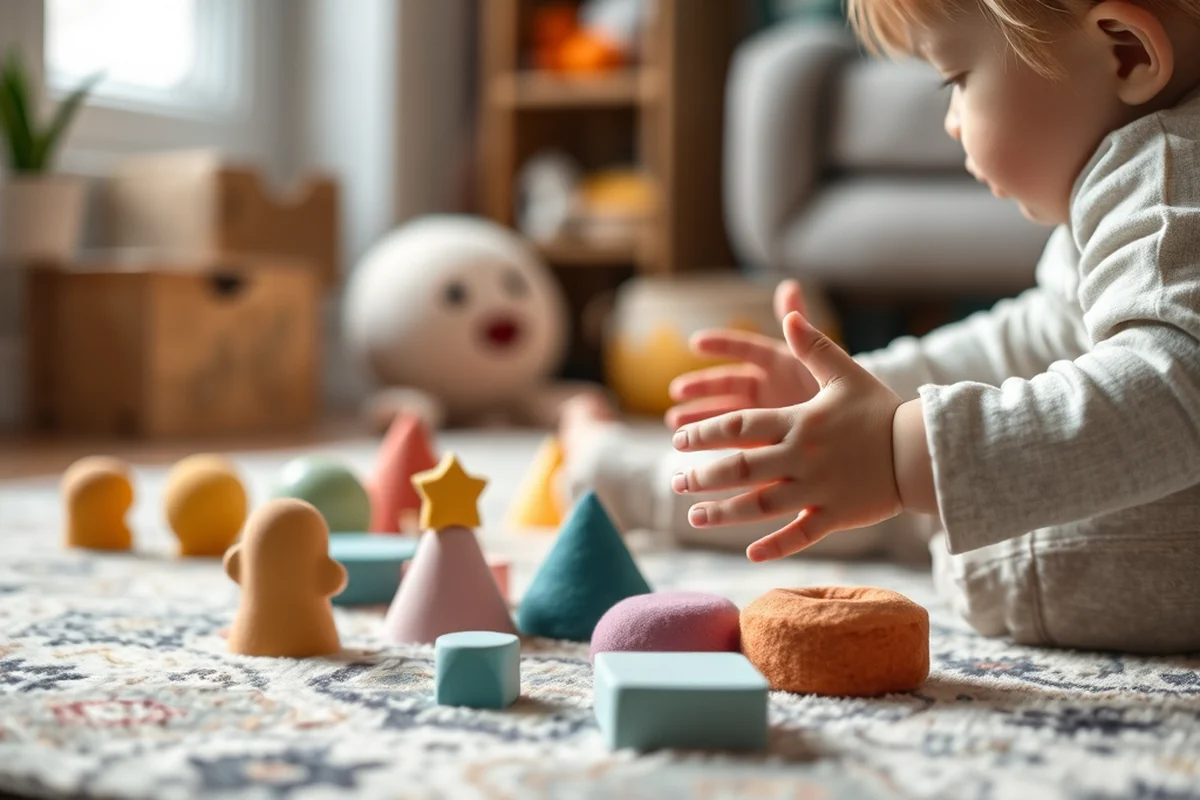
I always begin by reading through the checklist for the child's current age and noting the key sensory areas to focus on. This might include things like texture, sound, and even smell. Next, I gather the necessary materials and set up a dedicated space for play.
For example, when my daughter was around 24 months, I used the checklist to focus on auditory play. We spent an entire afternoon with a musical egg and a set of soft, squeaky toys. It was amazing to see how engaged she was with the sounds around her.[2]
The most important part is staying flexible. Even the best checklist can't predict every child's unique needs or preferences. Be ready to pivot based on your child's reactions and interests.
The checklist is a tool, not a rule — adapt it to your child’s rhythm.
Related: Best sensory play by age stage
Related: Easy sensory play stage
Related: Sensory play stage for small spaces
Related: Sensory play by age stage checklist
The Science Behind the Checklist
Studies have shown that sensory experiences are crucial during early childhood for building neural connections. For instance, by the age of 3, a child's brain has already developed over 1,000 trillion synaptic connections. These connections are heavily influenced by the sensory input they receive.[3]
In my own experience, the checklist helped me understand why my son was so fascinated with the sound of crinkling paper. It wasn't just play — it was his brain processing auditory stimuli in a way that's critical for language development.
The checklist ensures that you’re providing the right kind of sensory input at the right time, helping your child’s brain develop in a healthy and balanced way.
If your child is uninterested in a particular activity, don’t force it. Note their preferences and revisit it later. Sensory play is about engagement, not compliance.
“When my daughter turned two, I watched her crawl across the floor in a pile of squishy, colorful foam blocks, giggling like she'd discovered the…”— PlayMessy editors
Related: Sensory play stage step by step
Related: Affordable sensory play stage
Related: Quick sensory play by age stage
Related: Diy sensory play by age stage
Avoiding Common Pitfalls
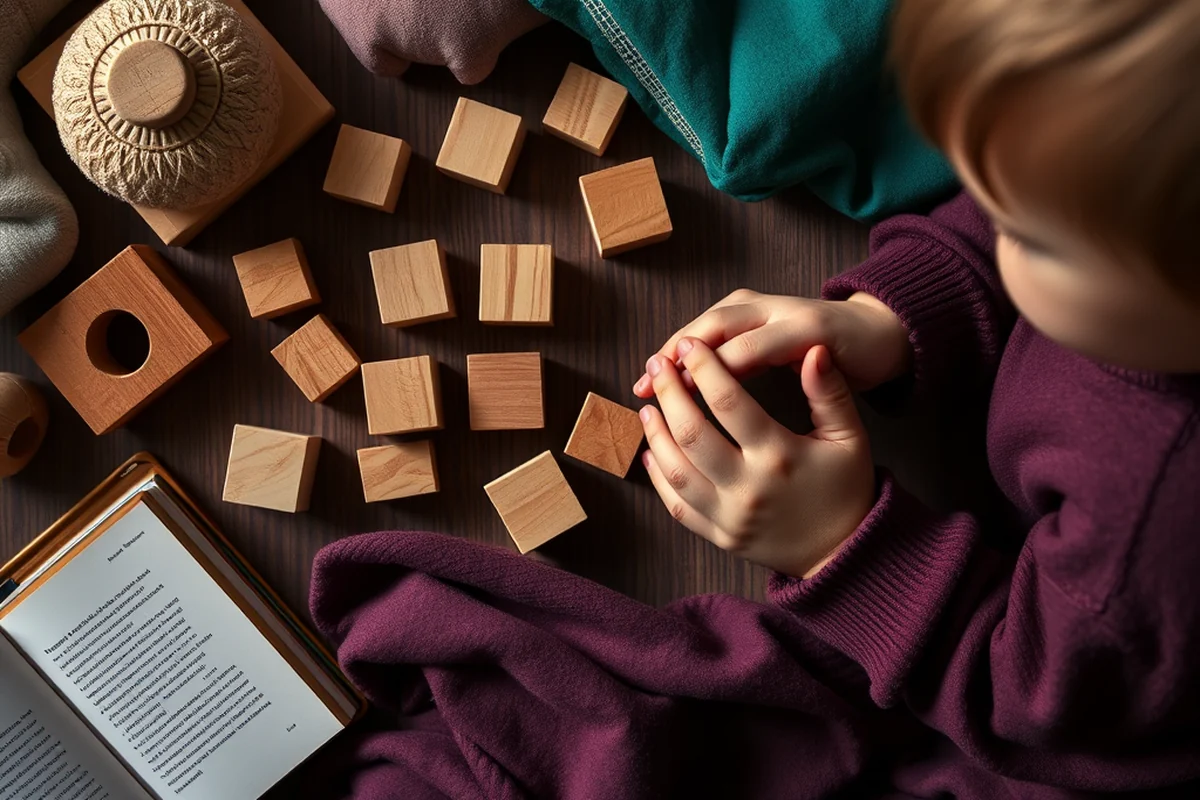
One of the most common mistakes is overstimulating a child with too many sensory inputs at once. For example, giving a toddler a sensory bin filled with bright, noisy, and textured items all at once can be overwhelming. It's better to introduce one sensory element at a time.
Another mistake is not being consistent with the activities. While it's great to play with your child, it's even more important to make sure they get regular, structured sensory experiences. I found that dedicating 15 minutes a day, five days a week, made a noticeable difference in my daughter’s development.[4]
Lastly, many parents skip the cleanup phase, which is just as important as the play itself. Teaching your child to clean up after sensory play helps them develop a sense of responsibility and organization.
Related: Budget sensory play stage
Related: Sensory play by age stage step by step
Related: Budget sensory play by age stage
Related: Sensory play by age stage on a budget
Tracking Progress and Adjusting
I like to take notes after each sensory play session, noting which activities my child enjoyed and which ones they seemed to avoid. This helps me tailor future sessions to their interests and developmental needs.
For example, when my son was around 20 months, he was very interested in auditory play but didn’t engage much with tactile activities. By adjusting the checklist to focus more on sound-based play, I saw a significant improvement in his engagement and curiosity.
Tracking your child's progress with the checklist not only helps you adapt the activities but also gives you a sense of accomplishment as you see them grow and develop in new ways.
🌱 Gentle Approach
For parents who prefer a slower, more organic introduction to sensory play, this variation offers low-stimulation options.
🚀 Fast-Track Method
Ideal for parents who want to quickly build sensory skills, this variation includes high-intensity, short bursts of sensory play.
🧳 Travel/On-the-Go
This version is perfect for families who are always on the move, with portable and easy-to-carry sensory materials.
👶 Multiple Children
For parents with more than one child, this variation ensures all kids get the sensory stimulation they need simultaneously.
🔄 Regression Reset
Designed for children who have experienced a setback in development, this variation helps rebuild sensory skills with targeted play.
| The mistake | Why it happens | The fix |
|---|---|---|
| Using too many sensory inputs at once | This can overwhelm a child and prevent them from focusing on any one sensory experience. | Introduce one or two sensory elements at a time and observe your child’s response. |
| Not being consistent with sensory play sessions | Inconsistent sessions can lead to missed developmental opportunities and a lack of progress. | Set a regular time for sensory play and stick to it as much as possible. |
| Skipping the cleanup phase | Not cleaning up can lead to clutter and may discourage future sensory play sessions. | Make cleanup a part of the sensory play routine and involve your child in the process. |
| Forcing a child to engage in a sensory activity | Forcing a child can create negative associations with sensory play and reduce their willingness to engage in the future. | Let your child lead the activity. If they’re not interested, move on and revisit it later. |
Related: Best sensory play stage
Related: Sensory play by age stage guide
Related: Sensory play stage mistakes to avoid
Related: Quick sensory play stage
Sensory Play Stage Checklist
Related: Sensory play stage on a budget
Related: How to sensory play by age stage
Related: How to sensory play stage
Related: Sensory play stage printable
Integrating Sensory Play into Daily Routines
Adding sensory play into everyday life can be seamless with a few simple strategies that fit into even the busiest days.
I discovered that integrating sensory play into daily routines doesn’t require a lot of extra time or effort — it just needs intention. For example, I started using a small bowl of rice or beans during meal times for my toddler to scoop and pour, which not only kept her engaged but also helped her develop fine motor skills. I found that pairing sensory activities with transitions, like after a nap or before bedtime, made them feel like natural parts of the day rather than disruptions. It’s easy to underestimate how much a child can learn through these small, repeated interactions.
I also began using household items like bath time as a sensory experience by adding a few drops of essential oils to the water, which not only made bath time more enjoyable but also introduced new textures and scents. Another strategy I tried was setting up a sensory bin with items like pasta, dried beans, or fabric scraps during weekend mornings, which gave my child a chance to explore without the pressure of a scheduled play session. These small changes made sensory play feel like a natural and fun part of our daily rhythm, not an added task.
I noticed that when I made sensory play a regular part of our day, my child became more curious and engaged in her environment. I found that consistency was key — even just 10 minutes a day with a sensory activity made a noticeable difference in her focus and interest in exploring new materials. I also started using sensory play as a way to calm her down during stressful moments, like before a doctor’s visit or after a difficult day. This approach not only helped her feel more secure but also made sensory play feel like a comforting part of our family life.
Common Questions
How often should I use the sensory play stage checklist?
Can I customize the checklist for my child’s needs?
What if my child doesn’t seem interested in certain sensory activities?
How long does it take to see results from the checklist?
References
- The Value of Play - California Childcare Health Program (cchp.ucsf.edu)
- Developmental Milestones Table (depts.washington.edu)
- Play Behaviors of Young Children with and without Expressive ... (digitalcommons.unomaha.edu)
- Sensory Processing Handbook for Early Childhood Educators (educate.bankstreet.edu)
Cite this guide
PlayMessy (2026). Sensory Play Stage Checklist. https://playmessy.com/sensory-play-stage-checklist/
Feel free to cite or share this guide.