Sensory Play Stage Ideas
📖 Table of Contents
When my son was two, I watched in awe as he sat for 45 minutes, completely absorbed, exploring a tray of squishy, colorful playdough. It was one of those rare moments where time seemed to stop, and I realized the power of sensory play. Sensory play stage ideas aren't just about fun—they're about development, connection, and building the foundation for learning. Whether you're a first-time parent or a seasoned pro, finding the right stage ideas can transform how your child interacts with the world.
I've tried everything from water tables to kinetic sand, but what I've learned is that the best sensory play stage ideas are those that evolve with your child. At three months, it's about touch and texture. At three years, it's about creativity and problem-solving. Each stage has its own unique needs, and understanding those needs can make a huge difference in how your child grows and learns. These ideas aren't just about keeping your child busy—they're about giving them the tools to explore, think, and feel.
What I love most about sensory play is how it can be both simple and transformative. You don't need a lot of money or space to create a powerful sensory experience. It's about intention, observation, and adapting to your child's interests. With the right sensory play stage ideas, you can turn everyday moments into learning opportunities, and watch your child develop in ways you never imagined.
Why You'll Love This Article
- Learn how to match sensory play to your child's developmental stage
- Discover affordable and easy-to-make sensory play ideas for any home
- Avoid common mistakes that turn sensory play into a chaotic mess
- Get expert tips on how to engage your child and make playtime meaningful
Sensory Play for Infants: Touch and Exploration
As of September 2026, for babies 0–6 months, sensory play focuses on touch, sound, and visual stimulation. Soft, squishy materials like silicone toys or woven textures are ideal. I once used a soft, crinkly fabric book that my son loved to chew on—within a week, he was reaching for it on his own.
During this stage, babies are especially curious about what things feel like. I've found that using a variety of textures—like a fuzzy blanket, a smooth wooden block, and a bumpy rubber toy—helps them explore and differentiate between sensations. It’s surprising how much they can learn just from playing with their hands.
One of the easiest and most effective sensory play ideas for this stage is to use a sensory tray filled with rice, beans, or dried pasta. I used a shallow container with rice and a few small toys, and my son loved digging through it with his hands. It was messy, but it was worth it for the learning and joy.
Instead of buying expensive sensory materials, use natural textures like cotton, wool, and sand. These are safe, affordable, and provide rich sensory input for your baby.
Part of our Sensory play by age stage guide.
Toddlers and the Power of Sensory Play
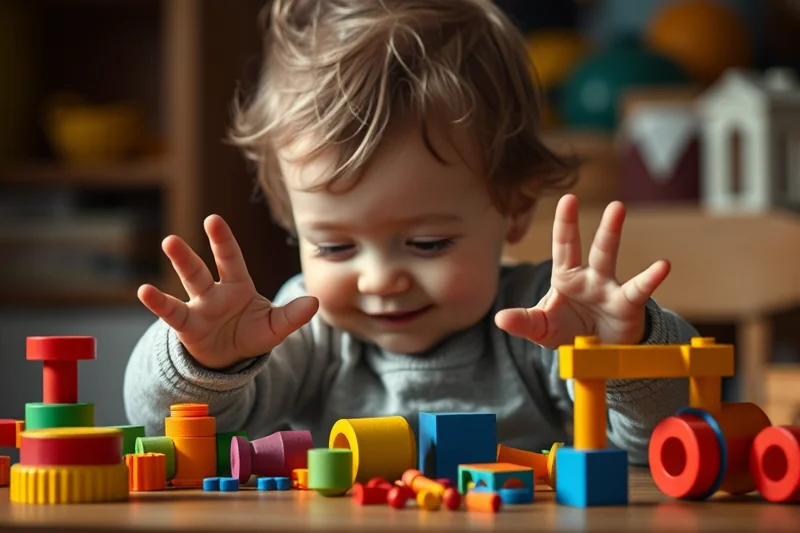
Between 12 and 36 months, sensory play becomes more about interaction and learning. I've found that water play, sensory bins, and simple playdough are excellent tools. My son loved filling a sensory bin with water and adding small floating toys, which helped him understand buoyancy and cause and effect.[1]
This stage is also ideal for introducing kinetic sand or playdough. I once used a large ball of playdough, and my son spent 30 minutes rolling it, flattening it, and making shapes. It wasn’t just about play—it was about fine motor development and hand-eye coordination.[2]
The beauty of this stage is that your toddler is starting to think and explore on their own. A simple sensory bin with a few textures and hidden toys can keep them busy for hours. The key is to provide variety and let them lead the way.
Sensory play at this stage is less about instruction and more about curiosity.
Related: Best sensory play stage
Preschoolers and the Magic of Creativity
Between 3 and 5 years, sensory play becomes more about imagination and creativity. I've used sensory bins filled with water, sand, and small toys to encourage pretend play and storytelling. My son would create a 'beach' with sand and water, and then act out stories with little figurines.
This is also a great time to introduce materials like kinetic sand, playdough, and sensory bags. I once made a few sensory bags with small items inside, and my son loved figuring out what was in each one. It was a great way to teach him about textures and problem-solving.
The key during this stage is to provide open-ended materials that allow your child to explore and create. Whether it's a sensory table filled with water or a bin with rice and hidden toys, the possibilities are endless. Just make sure the materials are safe and age-appropriate.
Encourage your child to create their own sensory play experiences. Let them choose the materials, set the scene, and lead the way. It builds confidence and creativity.
“When my son was two, I watched in awe as he sat for 45 minutes, completely absorbed, exploring a tray of squishy, colorful playdough.”— PlayMessy editors
Related: Sensory play stage tips
Sensory Play for School-Age Kids: Learning Through Exploration
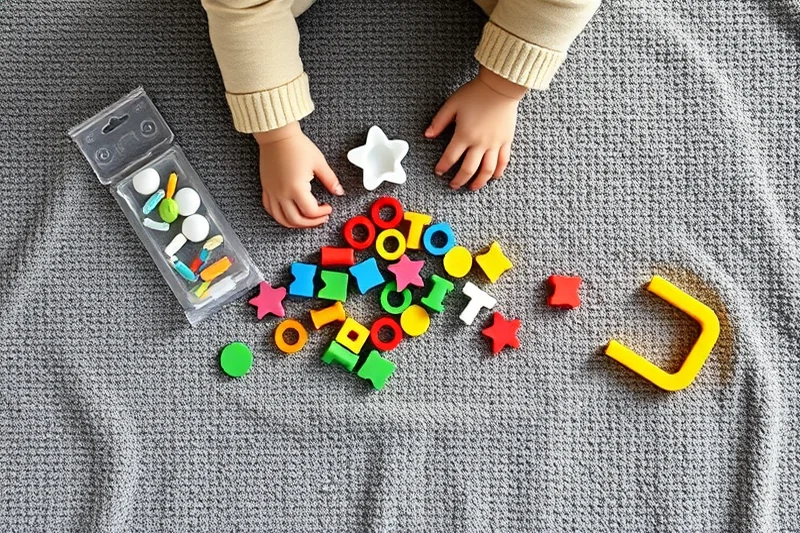
Between 6 and 12 years, sensory play becomes a tool for learning and developing skills like focus, patience, and problem-solving. I've used sensory bins with puzzles, mazes, and hidden objects to challenge my child's thinking. It was amazing to see how much he was able to concentrate and work through challenges.[3]
This stage is also ideal for introducing sensory bottles, which are great for visual and motor development. I once filled a plastic bottle with water and blue food coloring, and my child spent hours watching the colors swirl and mix. It was both calming and engaging.
The key during this stage is to provide sensory play that challenges without overwhelming. Whether it's a sensory table with water and floating objects or a puzzle box with hidden pieces, the goal is to keep your child engaged and learning.
Related: How to sensory play stage
Sensory Play for Older Kids: Creativity and Focus
Teenagers and older kids can benefit from sensory play that encourages focus and self-regulation. I've used sensory bottles, stress balls, and sensory mats to help my child manage anxiety and stay calm. It was surprising how effective these simple tools were in helping him relax and focus.
This stage is also great for introducing more complex sensory tools, like sensory rings, textured balls, or even sensory chairs. I once used a sensory chair for my son when he was overwhelmed, and it helped him feel grounded and centered.
The key is to provide sensory play that is both engaging and calming. Whether it's a sensory mat or a stress ball, the goal is to give your child a safe and effective way to manage their emotions and stay focused.
🧘 Gentle Sensory Play
For babies and toddlers who are easily overwhelmed, gentle sensory play uses soft, safe materials and minimal stimulation.
⚡ Fast-Track Sensory Play
For busy parents who want to create sensory play quickly, use ready-made kits or simple, no-fuss materials.
✈️ Travel Sensory Play
When on the go, use portable materials like sensory bags or small sensory toys that are easy to carry and clean.
👫 Multiples Sensory Play
For families with multiple children, create sensory play experiences that allow for shared exploration and interaction.
🔄 Regression Reset Sensory Play
When a child is going through a developmental regression, use sensory play to help them re-engage and feel secure.
| The mistake | Why it happens | The fix |
|---|---|---|
| Overloading the sensory play area with too many items | Too many items can overwhelm your child and make it hard for them to focus on any one activity. | Keep the sensory play area simple and organized, with a few key items that your child can explore easily. |
| Using unsafe materials that are not childproof | Using small parts or non-toxic materials can be a safety hazard for young children. | Always choose materials that are safe for your child's age, and avoid anything that can be easily swallowed or broken. |
| Not allowing your child to lead the play | Trying to direct the play too much can make your child feel controlled or disinterested. | Let your child choose the materials, lead the play, and explore at their own pace. Your role is to support and observe. |
| Ignoring your child’s sensory needs | Not recognizing your child’s sensory preferences can lead to disengagement or frustration. | Observe your child’s reactions to different materials and adjust the sensory play to match their needs and interests. |
Related: Easy sensory play by age stage
Sensory Play Stage Ideas
Related: Sensory play by age stage that actually work
Sensory Play for Kids with Special Needs: Tailoring the Experience
Sensory play can be especially beneficial for kids with special needs when adapted to their unique requirements. Here's how to make it work.
Kids with sensory processing differences often experience the world differently, so it's essential to tailor sensory play to their comfort levels. For instance, if a child is over-sensitive to textures, start with smooth materials like silicone or fabric before introducing sand or slime. I've found that creating a calm, predictable environment with minimal distractions helps these kids engage more deeply. Always observe their reactions and be ready to adjust the activity as needed.
Incorporating sensory tools like fidget toys, weighted blankets, or noise-canceling headphones can help kids with sensory sensitivities feel more in control during play. I've used a sensory bin with rice and small, smooth objects for my nephew with autism, and it provided him with a safe way to explore without feeling overwhelmed. The key is to allow them to lead the way and take the time they need to process their experiences.
It's also important to communicate with therapists or educators to understand a child's specific needs and preferences. I once worked with an occupational therapist to create a sensory-friendly play area that included a swing, a soft ball pit, and a quiet corner with books. This space became a sanctuary for the kids in our program, allowing them to self-regulate and engage in play at their own pace. Tailoring sensory play is not just about fun—it's about empowerment and growth.
Common Questions
What are the best sensory play ideas for babies?
How do I make sensory play safe for my toddler?
What are the benefits of sensory play for preschoolers?
Can sensory play help with anxiety in older kids?
References
- Oklahoma Early Learning Guidelines for Infants, Toddlers and Twos (oklahoma.gov)
- CA PTKLF Science - California Department of Education (cde.ca.gov)
- Vygotskian and Post-Vygotskian Views on Children's Play • - ERIC (files.eric.ed.gov)
Cite this guide
PlayMessy (2026). Sensory Play Stage Ideas. https://playmessy.com/sensory-play-stage-ideas/
Feel free to cite or share this guide.