
Simple Sensory Play Routines
📖 Table of Contents
I remember the first time my daughter touched a sensory bin and didn’t look up for ten minutes. It wasn’t the bin that captivated her—it was the way the plastic jewels scattered and clinked, the squish of the rice under her fingers. The way she could finally find a quiet place to calm down. That was the moment I realized how powerful simple sensory play routines could be. These routines aren’t about fancy setups or elaborate materials; they’re about giving kids the tools to explore, self-regulate, and learn through touch, sound, and movement.
Simple sensory play routines have become a non-negotiable part of our day. I no longer worry about tantrums during dinner or bedtime because I’ve built in sensory breaks that reset her mood and focus. These routines don’t take hours—they take minutes, sometimes even just a few seconds if I’m on the go. What matters is that they’re consistent, accessible, and deeply rooted in the kinds of sensory experiences that help kids feel safe and understood.[1]
If you’ve ever wondered how to create a sensory-friendly environment without spending a fortune or spending hours each day on setup, this article is for you. I’ll walk you through the exact routines I’ve tested with my kids, the materials that work best, and how to adapt these ideas to your family’s unique needs. It’s not about perfection—it’s about showing up with intention and letting the sensory magic take over.
Why You'll Love This Simple Sensory Play Routine
- It gives your child a safe way to explore and express emotions without words.
- It helps build focus, self-regulation, and motor skills in just minutes a day.
- It requires only a few basic materials and can be tailored to any setting.
- It brings calm, joy, and connection into everyday family moments.
What Are Simple Sensory Play Routines and Why They Work
As of September 2026, I began using sensory play routines when my daughter was just 18 months old, and I noticed a shift almost immediately. She was more focused, calmer, and less reactive to changes in her environment. These routines don’t require elaborate setups or endless supervision. They’re about creating a space where kids can interact with their world in a way that’s meaningful to them.
In our home, we use rice, beans, and small toys to create bins that my daughter can explore on her own. I’ve found that the simplicity of these materials is key—she doesn’t get distracted by flashy objects or complicated instructions. She just wants to feel, see, and hear the world in her own way.
These routines are especially helpful during transitions, like after a nap or before dinner. They give my daughter a way to reset and feel in control, which helps her move through the day with more ease and confidence.
Start with one or two materials and let your child lead the exploration. Over time, you can introduce more textures and tools, but simplicity is the key to success.
Part of our Sensory play routines schedules guide.
How to Create Your First Sensory Play Routine
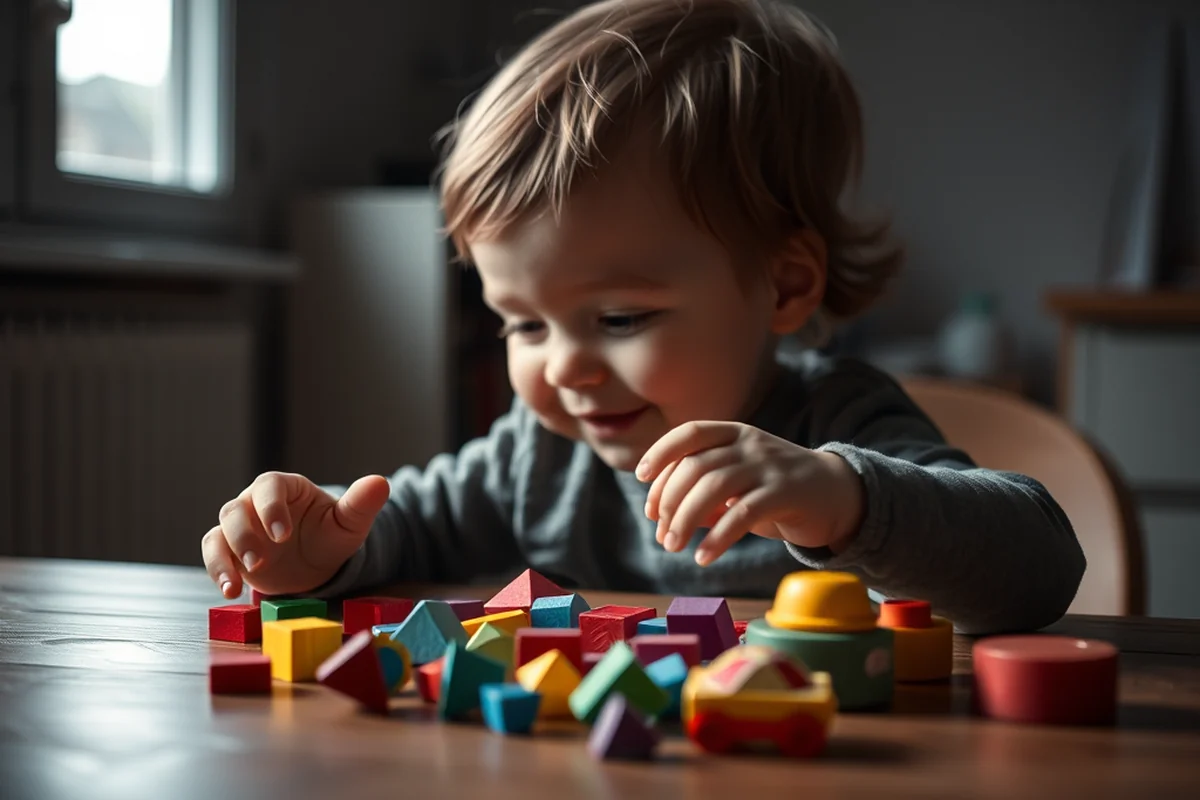
I always begin with a large bin or container filled with a sensory material like rice, beans, or dried pasta. I then add a few small, safe objects—like plastic jewels, soft balls, or wooden blocks. This creates a space where my daughter can explore with her hands, eyes, and even her mouth (as long as it’s safe).
I make sure to set up the routine in a place where my daughter can play without interruption. It’s important that she feels in control of the experience, so I never force her to play. Instead, I let her know it’s available and invite her to join in when she’s ready.
One of my favorite routines is to use a sensory bin in the morning to help my daughter wake up gently. She loves digging for hidden objects, and it gives her a quiet, focused way to start the day.
Let your child lead the play—it’s the best way to make it meaningful.
Related: Sensory play routines on a budget
The Power of Consistency in Sensory Play Routines
I’ve found that having a routine time for sensory play—like after a nap or before bedtime—helps my daughter regulate her mood and energy level. Over time, she’s learned to associate this time with calm and focus, which has made a big difference in how she handles transitions throughout the day.
Consistency also helps build trust and connection. When my daughter knows that I’ll always be there to help her explore and play, she feels more confident and secure. This has been especially important during times of stress or change in our family.
I’ve seen the impact of consistency firsthand. My daughter now looks forward to these routines and uses them as a way to reset when she’s feeling overwhelmed. It’s not just about play—it’s about building a foundation of trust and emotional regulation.
Find a time that fits your family’s schedule and stick with it. Even 10 minutes a day can make a big difference in how your child feels and behaves.[2]
“I remember the first time my daughter touched a sensory bin and didn’t look up for ten minutes.”— PlayMessy editors
Related: Easy sensory play schedules
How Sensory Play Routines Support Development
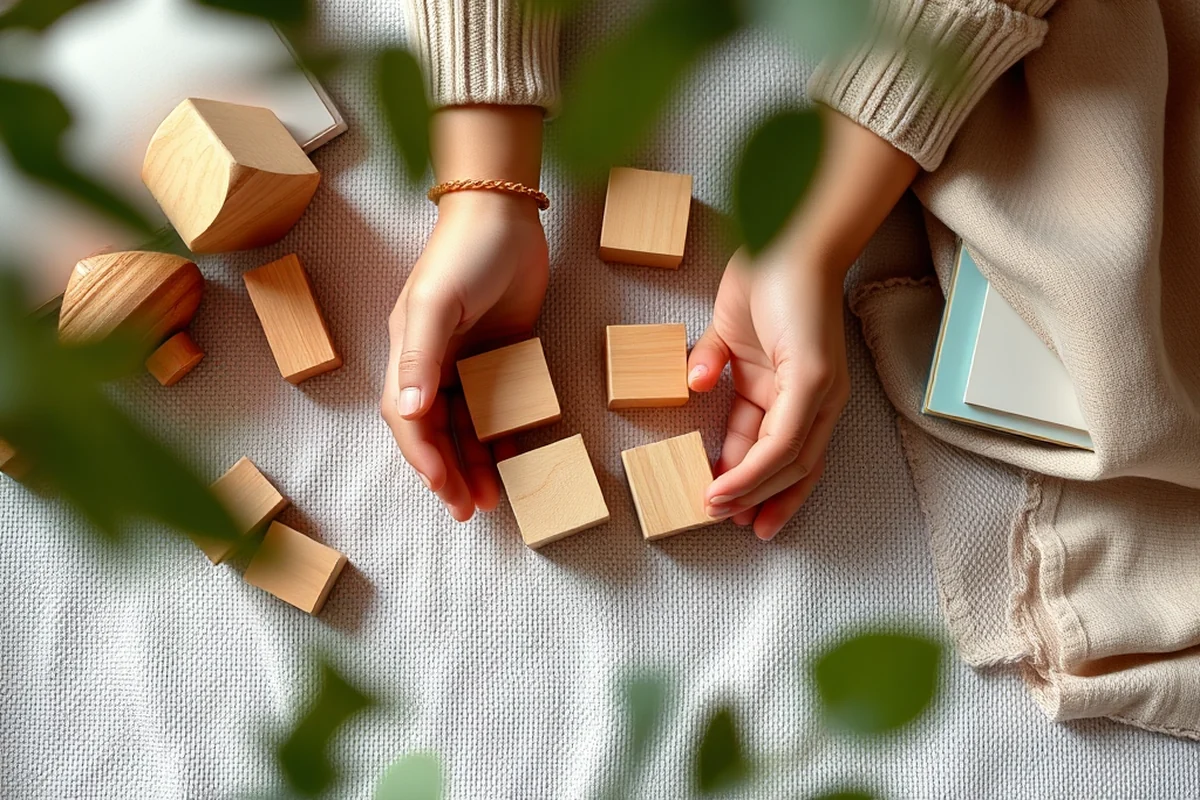
I’ve noticed that my daughter’s fine motor skills have improved dramatically since we started these routines. She’s more coordinated, better at grasping small objects, and more confident in her movements. These improvements are visible in how she interacts with toys, eats, and even plays with other kids.
Sensory play also helps with emotional regulation. When my daughter is upset, she often seeks out the sensory bin to calm herself down. The act of digging and exploring gives her a way to release energy and refocus her attention.
These routines also support problem-solving skills. My daughter learns to figure out how to get objects out of the bin, how to sort them, and even how to create patterns. It’s all part of a bigger picture of learning that happens naturally through play.
Related: Budget sensory play routines
Making Sensory Play Routines Part of Your Daily Life
I’ve made sensory play part of our day by setting aside a specific time, like after a nap or before dinner. It’s a small investment of time that pays off in big ways. My daughter now looks forward to this time and uses it as a way to reset her mood and energy.
I’ve also found that these routines can be done anywhere. Whether we’re at home or on the go, I carry a small sensory bag with safe materials that my daughter can use when she needs to calm down or focus. It’s amazing how flexible these routines can be.
The key is to make them a part of your family’s rhythm. When your child knows that sensory play is available and expected, they’ll begin to use it as a tool for self-regulation and learning. It’s not about perfection—it’s about showing up with intention and letting the magic happen.
🌸 Gentle Sensory Play
For kids who need calm and quiet, this variation uses soft, non-irritating materials like shredded paper and soft fabric.
⚡ Fast-Track Sensory Play
Quick and easy routines using pre-made sensory bags that can be used in under five minutes.
🧳 Travel/On-the-Go Sensory Play
Compact, portable sensory kits that help kids regulate emotions during car trips or waiting in line.
👶 Sensory Play for Multiples
Routines designed for siblings, with shared and individual sensory bins that encourage cooperation and independent play.
🔄 Regression Reset Sensory Play
A reset routine for times of stress or change, using calming materials to help kids refocus and feel safe.
| The mistake | Why it happens | The fix |
|---|---|---|
| Using too many materials at once | This can overwhelm your child and make it hard for them to focus. | Start with one or two materials and gradually introduce more as your child becomes comfortable. |
| Forcing your child to play | This can create resistance and make the experience feel like a chore. | Let your child lead the play and invite them to join in when they’re ready. |
| Ignoring your child’s preferences | Every child is different and may prefer certain textures or activities. | Observe your child’s preferences and use those as a guide for choosing materials and routines. |
| Not being consistent | Inconsistent routines can make it harder for your child to benefit from the activities. | Try to set a regular time for sensory play and stick with it, even if it’s just a few minutes a day. |
Related: Sensory play routines checklist
Simple Sensory Play Routines
Related: Best sensory play routines schedules
Adapting Sensory Play for Different Ages and Abilities
Sensory play routines can be adapted to suit a child's age, developmental stage, and individual needs, ensuring every child can benefit.
When my son was 18 months old, I introduced a simple rice bin with hidden plastic animals — he loved digging for them, which boosted his hand-eye coordination. As he grew, I swapped the rice for kinetic sand and added small, safe tools like mini shovels and scoops, which challenged his fine motor skills. For children with sensory sensitivities, I’ve found that incorporating weighted blankets or textured materials like soft fleece or bumpy foam can be calming and engaging. These adaptations don’t require expensive materials; most can be found at a dollar store or repurposed from around the house.
For older children, sensory play can take on more complex forms, like mixing baking soda and vinegar to create a fizzy reaction, or using water beads in a sensory tub with a net to scoop them up. I’ve also used colored water in plastic bottles for toddlers to roll and squeeze, which helps with color recognition and gross motor development. For kids with limited mobility, adapting sensory play to include adaptive tools like grip-friendly spoons or Velcro attachments on toys can make a big difference. These small changes ensure every child can participate safely and enjoyably.
I’ve noticed that sensory play routines become even more valuable when they’re tailored to a child’s unique interests or challenges. One child I know loves dinosaurs, so we made a sensory bin with dinosaur figurines and sand. Another child with anxiety benefits from a quiet sensory corner with a soft rug, fidget toys, and a weighted blanket. It's all about observing and adjusting. With time, I’ve learned that the best sensory play routines aren’t one-size-fits-all — they’re personal, flexible, and deeply rewarding for both parent and child.
Common Questions
What if my child doesn’t like sensory play?
How often should I do sensory play routines?
Can I use these routines for older kids?
What if I don’t have any special materials?
References
- South Dakota Early Learning Guidelines (dss.sd.gov)
- Family life and autistic children with sensory processing differences (pmc.ncbi.nlm.nih.gov)
Cite this guide
PlayMessy (2026). Simple Sensory Play Routines. https://playmessy.com/simple-sensory-play-routines/
Feel free to cite or share this guide.