
Diy Sensory Play Routines Schedules
📖 Table of Contents
When my son was 18 months old, I was desperate for a way to keep his attention during those long, unpredictable days. I stumbled upon a sensory play routine that transformed our afternoons into moments of calm and joy. What started as a quick activity with a few household items became a consistent part of our day. I quickly realized that sensory play wasn't just a distraction — it was a tool that helped him focus, explore, and express himself in ways we hadn't seen before.[1]
The more I experimented, the more I noticed how a structured yet flexible sensory play schedule could make a difference. I didn't need expensive materials or complicated setups. With just a few simple items and a plan, we created a rhythm that felt both comforting and engaging. My son began to look forward to these sessions, and it gave me a much-needed break from the constant demands of parenting.
Now, I design DIY sensory play routines with intention, using what we have on hand and tailoring each session to our unique needs. I know that not every family can follow the same schedule, but the goal is to bring structure, creativity, and connection to the chaos of everyday life. This is how I’ve built a system that fits our family — and I hope it can help yours, too.
Why You'll Love This DIY Sensory Play System
- It uses everyday items, saving time and money on purchases.
- It helps create consistency and calm in unpredictable days.
- It fosters creativity and self-expression in young children.
- It’s adaptable, making it work for any family’s needs or schedule.
How to Build a Sensory Play Routine
As of September 2026, I recommend starting with 10-15 minutes of sensory play twice a day. This works best for children aged 18 to 30 months, who are naturally curious and eager to explore. I use a kitchen timer to keep things on track — it helps them learn what to expect and feel more in control.[2]
Each session should focus on a specific sense, like touch or sound. For example, one day we might use soft fabrics and squishy objects to explore texture, while another day we focus on sounds with musical instruments or household items that make noise.
It's important to be flexible. If your child loses interest quickly, don’t force it. Instead, end the session and try again later. The goal is to create a positive association with sensory play, not a chore.
I’ve found that a few paper towels, a sponge, and a small bowl can become a sensory bin with some water and soap. It’s not about the materials — it’s about the connection and engagement.
Part of our Sensory play routines schedules guide.
The Benefits of a Structured Sensory Routine
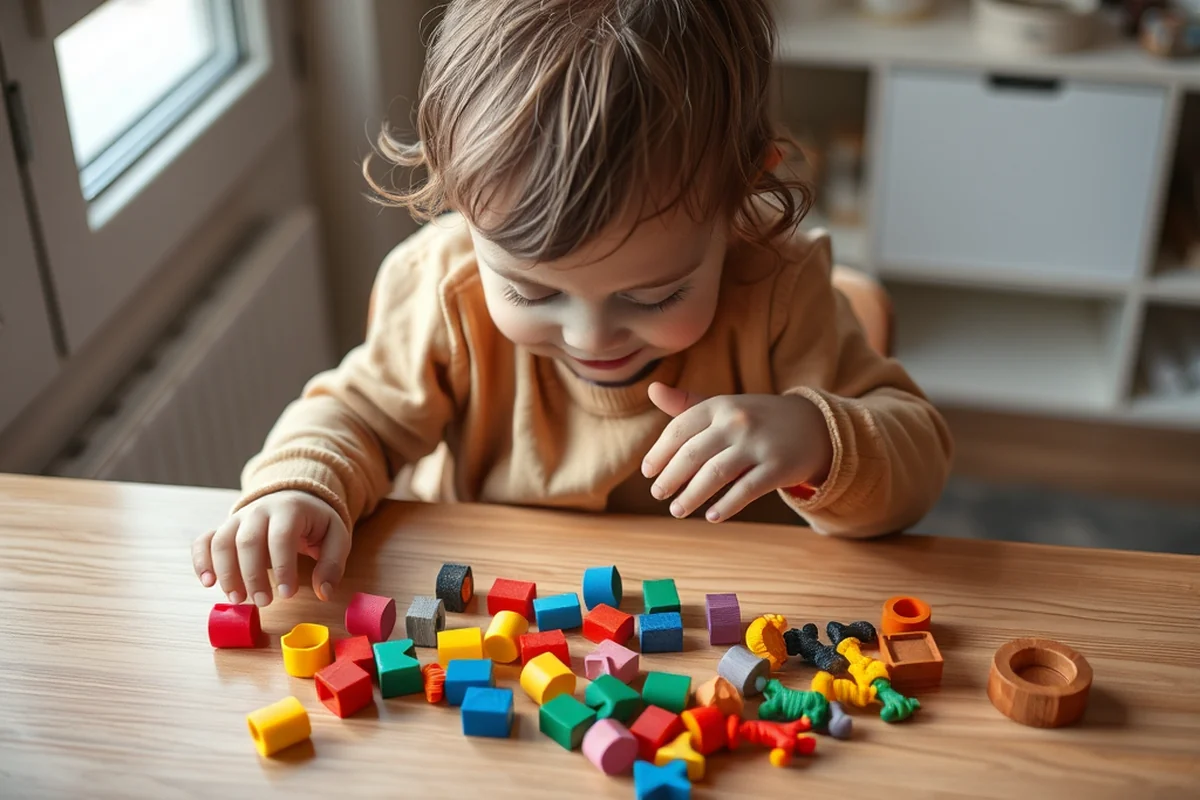
Over the past three months, I've noticed a marked improvement in my son’s attention span during play. When we started a routine with a set time and place for sensory play, he began to look forward to it and engage more deeply with the activities.
These routines also give parents a much-needed break. I use the time to prepare meals, do a quick tidy-up, or simply rest. It’s a moment where I can breathe and be present, even in the midst of a busy day.
Children who participate in structured sensory play often show better emotional regulation and problem-solving skills. It’s not just play — it’s learning in disguise.
Sensory play isn't just fun — it's a foundation for emotional and cognitive growth.
Related: Sensory play routines schedules that actually work
Making It Work for Your Family
If you have a young baby, shorter sessions (5–10 minutes) with high-contrast visuals or soft textures work best. For older children, you can increase the time and complexity of the activities. The key is to match the routine to your child’s developmental stage and interests.[3]
I’ve found that having a dedicated sensory space — even a small corner — helps signal to your child that it’s time for play. It could be a blanket on the floor or a small bin with sensory materials kept in one place.
If space is limited, use the floor or a large mat. Keep materials in a labeled container so your child can easily access them. This makes the routine feel more like a game than a task.
Use a small bin with water, rice, or sand. Add a few plastic animals or household items for a sensory bin that can be reused every day. It’s low-cost, easy to clean, and highly engaging.
“When my son was 18 months old, I was desperate for a way to keep his attention during those long, unpredictable days.”— PlayMessy editors
Related: Simple sensory play routines
Creating a Sensory Play Calendar
I use a simple paper calendar with three slots per day for sensory play. Each slot has a different theme, like 'texture day' or 'sound day.' This helps us stay organized and ensures we cover a variety of sensory experiences each week.
I’ve noticed that using a calendar makes it easier to plan ahead and prepare materials in advance. It also helps my child understand what to expect and builds anticipation for the activities.
You can download a free printable sensory play calendar online or make your own with a few colored pens. It’s a simple tool that makes a big difference in maintaining a routine.
Related: Sensory play routines for beginners
Staying Consistent Without Getting Stuck
I’ve learned that sticking too strictly to a schedule can lead to frustration for both parents and children. I now allow for some flexibility, especially on days when we're busy or tired. The goal is to keep it fun, not a rule.
One of the biggest mistakes I made early on was trying to do everything at once. I would overcomplicate the activities and end up stressed. Now, I focus on one or two sensory activities per session and keep the rest for another day.
It’s also important to rotate the sensory materials every few days. This keeps the routine fresh and prevents your child from getting bored or disengaged.
🧘 Gentle Routine
For babies and toddlers who need quiet, low-stimulation sensory play with simple, soft materials.
⚡ Fast-Track Routine
For busy families who need quick, efficient sensory play sessions that still offer value.
🧳 Travel/away-from-home Routine
A portable, no-fuss sensory play system perfect for trips, playdates, or unexpected outings.
👯 Multiples Routine
A shared sensory play schedule designed for siblings of different ages who play together.
🔄 Regression Reset Routine
A short, focused sensory play system to help children reengage after a developmental or emotional setback.
| The mistake | Why it happens | The fix |
|---|---|---|
| Trying to do everything at once | It can overwhelm both the child and the parent, leading to frustration and a loss of interest. | Focus on one or two activities per session and keep the rest for another day. |
| Forcing the child to participate | It can create negative associations with sensory play and reduce engagement. | Let the child lead. If they’re not interested, end the session and try again later. |
| Neglecting flexibility | Rigid routines can be stressful and may not suit the family’s unique needs. | Allow for adjustments based on your child’s mood, energy level, and the family’s schedule. |
| Overcomplicating the materials | It can be costly and time-consuming, and may not be necessary for effective play. | Use simple, everyday items that are easy to clean and reuse. |
Related: Sensory play routines checklist
Diy Sensory Play Routines Schedules
Related: Best sensory play routines schedules
Integrating Sensory Play with Daily Routines
I’ve found that integrating sensory play into daily routines like bath time or meal prep can be both efficient and effective. For instance, adding bath bombs or using colored water in the tub turns a simple task into a multisensory experience. I often use a small bowl of rice or beans during mealtime for toddlers to sort while waiting for food to cook, which keeps them engaged and prevents boredom. This approach not only saves time but also makes sensory play a natural part of the day.
When I first tried this, I was skeptical about whether it would work for my busy schedule, but after a few weeks, I noticed a shift. My son was more cooperative during bath time and showed increased interest in sorting activities. I now use this method for transitions, like after naps or before bedtime, where sensory play helps him wind down and feel calm. It’s a subtle way to support development without adding extra time to the day.
One tip I’ve learned is to keep the materials simple and accessible. I keep a small bin of sensory items near the sink or on the counter so they’re within reach. This way, I can quickly grab a handful of dried pasta or a sensory bottle for impromptu play sessions. It’s also important to rotate the materials regularly to maintain interest. By making sensory play part of the rhythm of the day, it becomes less of a chore and more of a joyful habit.
Tailoring Sensory Play to Your Child's Needs
Tailoring sensory play to your child's needs ensures deeper engagement and developmental benefits. Start by observing their preferences, strengths, and challenges. For example, if your child is sensitive to certain textures, focus on activities that are calming, like water play or soft fabric exploration. If they show a strong interest in movement, incorporate activities like jumping on a trampoline or swinging. I found that my son, who struggled with focus, responded well to sensory bins filled with kinetic sand and small toys; it gave him a way to channel his energy into something productive. By customizing the routine around their unique profile, you create a more meaningful and enjoyable experience for your child.
Finally, be flexible and willing to adjust the routine as your child’s needs change. As they grow, their interests and abilities will evolve, and so should your sensory play schedule. I’ve found that regularly revisiting and updating the routine keeps it relevant and engaging. This approach not only supports your child’s development but also fosters a positive relationship with sensory exploration that can last a lifetime. By staying attentive and responsive, you create a dynamic and meaningful sensory play experience tailored to your child’s unique needs.
Common Questions
How long should each sensory play session be?
What if I don’t have time to prepare materials?
How can I make sensory play more engaging for my child?
Can I use the same sensory materials every day?
References
- Travel Toolkit | Duke Center for Autism and Brain Development (autismcenter.duke.edu)
- Providing Preschool Classrooms With Sensory Kits to Measure the ... (bearworks.missouristate.edu)
- Maintaining a routine for your child with autism during summer break (blogs.bcm.edu)
Cite this guide
PlayMessy (2026). Diy Sensory Play Routines Schedules. https://playmessy.com/diy-sensory-play-routines-schedules/
Feel free to cite or share this guide.