What Is Food Play
📖 Table of Contents
When my daughter was two, she refused to touch any fruit or vegetable without first squishing it into a pulp with her hands. It was messy, it was loud, and it was completely normal. I had no idea this was called 'food play' — a concept I'd never heard of. Which turned out to be one of the most powerful tools I'd ever use in helping her learn to eat a variety of foods. Food play, as I came to understand it, isn't just about making food fun; it's about giving kids the space to explore, touch. Even 'mess up' with food in a way that helps them build a relationship with eating that's both positive and lasting.[2]
I remember the first time I saw the term 'food play' on a parenting blog — I laughed, thinking it was some kind of elaborate toddler game. But the more I read, the more I realized it was something far more serious and important. It wasn't about turning food into a toy, but rather about using the sensory and exploratory nature of play to help children learn about food in a way that felt safe and empowering. And it didn't require me to be a chef or even a teacher — it just required me to be present, curious. Willing to let my daughter be messy, and even a little weird, with food.[3]
Food play became a part of our daily routine almost without me realizing it. It started with a banana that she mashed into the floor, and ended with her confidently picking up a piece of broccoli and putting it in her mouth. The transformation was subtle, but it was real, and it was powerful. What I didn't know at first was that this was not just a passing phase — it was a developmental milestone that could shape her eating habits for years to come. And that's why I want to share with you exactly what food play is, and how it can help your child — and you — in ways you might never have expected.[4]
Why You'll Love This Approach
- Encourages sensory exploration and early learning
- Builds a positive and playful relationship with food
- Reduces picky eating behaviors over time
- Creates teachable moments that feel like play
What Exactly Is Food Play?
As of September 2026, Food play is more than just a toddler making a mess with a banana — it's a deliberate, developmental practice that helps children learn about food through touch, smell, sight, and even taste. It’s about giving them the freedom to explore without the pressure of eating. Can be a huge relief for parents who are dealing with picky eaters or children who are hesitant to try new things.
I’ve watched my daughter go from being terrified of a raw carrot to confidently holding it in her hand and even chewing on it — all through the process of food play. She didn’t need me to tell her to eat the carrot; she needed me to let her touch it, smell it, and even smash it into the floor. And in doing so, she built a relationship with that carrot that was entirely her own.
The best part of food play is that it doesn't require any special tools or equipment. Just a few safe, non-toxic items, and a lot of patience. I've found that even a simple banana or a piece of apple can turn into a full-blown sensory adventure if the child is given the space to explore it on their own terms.
Don’t try to force the child to interact with the food — let them be the one to decide how they want to explore it. This builds confidence and curiosity.
Part of our Sensory play guide.
Why Food Play Works
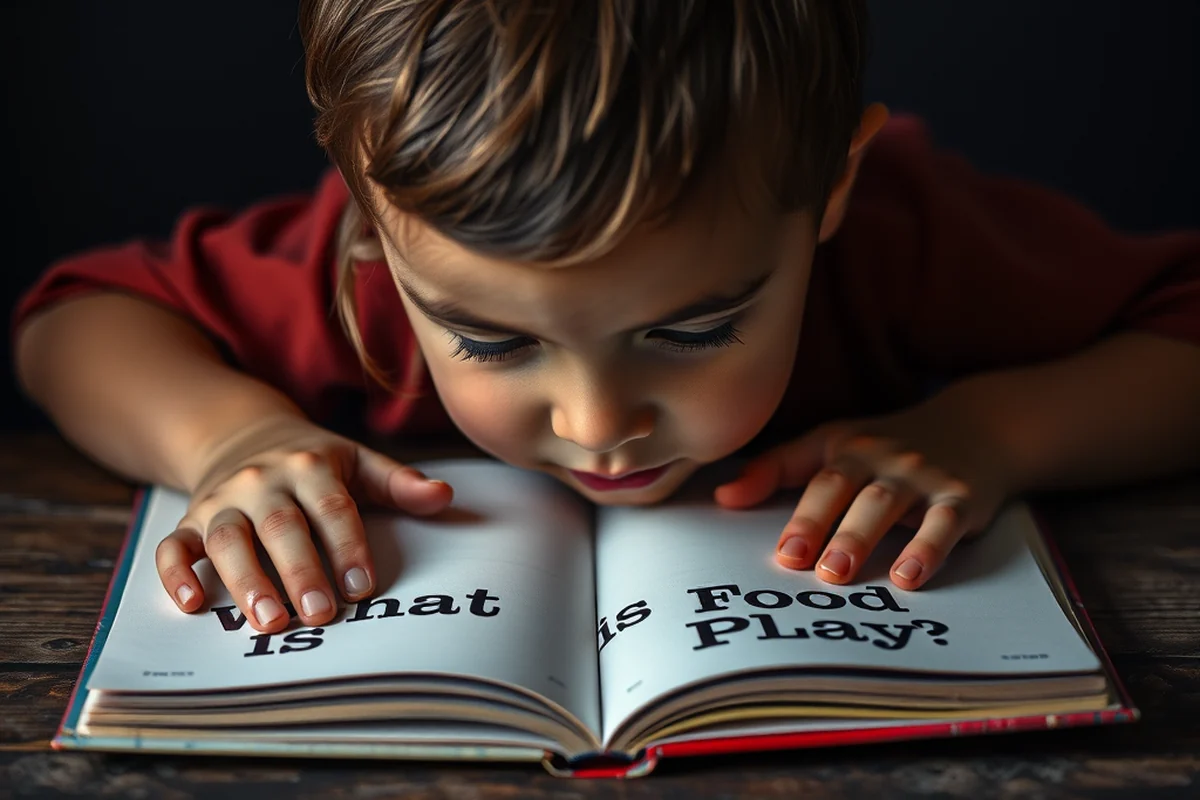
Children who are allowed to engage with food through play tend to be more open to trying new foods. I’ve noticed this with my own daughter — the more she was allowed to touch and explore different foods, the more willing she became to actually put them in her mouth. It wasn’t about teaching her to eat the food — it was about teaching her that food was something to be curious about.
This approach is especially helpful for younger children who are still developing their motor skills and sensory awareness. By allowing them to explore food through play, they’re not only learning about textures and smells, but also building important cognitive and social skills. My daughter, for example, learned how to sort fruits by color and size, which was a huge milestone for her developmental growth.
The magic of food play is that it doesn't feel like learning — it feels like play. And that’s what makes it so effective. When a child is having fun, they’re not thinking about the lesson — they’re just being present with the food and the experience.
Food play is the bridge between fear and curiosity.
Related: Play based learning definition 2026
Related: Sensory play and child development
Related: Simple sensory play benefits
How to Start Food Play
Starting food play doesn’t require you to be an expert or have a ton of resources. In fact, I found that the best way to begin was by simply setting up a small area where my daughter could explore food freely. This could be a small mat on the floor or even a corner of the kitchen with a few items laid out for her to touch and manipulate.[1]
I always made sure to use items that were safe and non-toxic — things like soft fruits, raw vegetables, or even cooked pasta. The key was to make sure that nothing was sharp, brittle, or breakable. This allowed my daughter to explore without the risk of injury, which made the experience much more enjoyable for both of us.
Once the items were set up, I gave my daughter the freedom to explore as she wished. I didn’t intervene unless she was at risk of choking or hurting herself. And even then, I made sure to do so gently and without judgment. The goal wasn’t to teach her — it was to let her learn through her own curiosity and exploration.
Choose a specific place in your home for food play — it helps your child understand that this is a safe and fun space to explore food without worrying about making a mess.
“When my daughter was two, she refused to touch any fruit or vegetable without first squishing it into a pulp with her hands.”— PlayMessy editors
Related: Play based learning ideas how to choose
Related: Sensory play activities without tools
Related: Homemade sensory play and child development
The Role of the Parent in Food Play
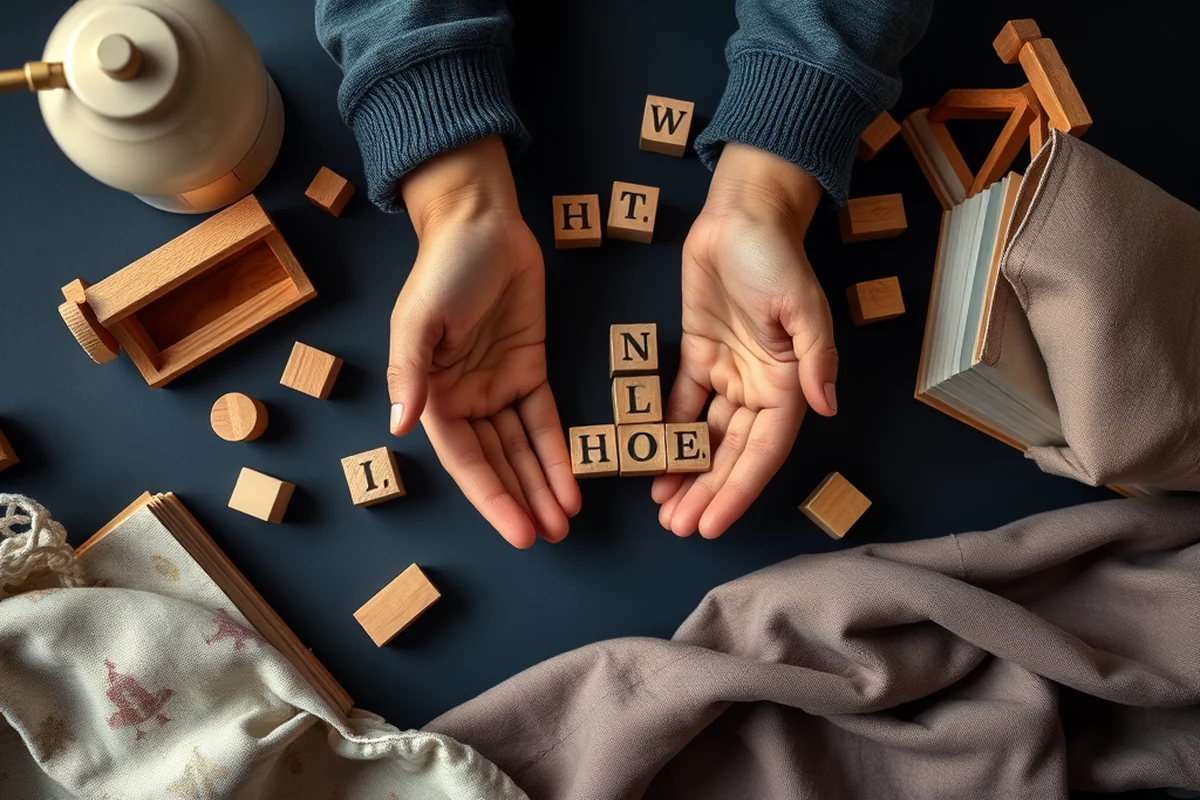
In my experience, the most effective food play sessions happen when the parent is present but not overbearing. This means being there to support, but not to direct. It’s about creating a space where the child feels safe and encouraged to explore without pressure or judgment.
I always made sure to be near my daughter during food play — not to correct her, but to observe and respond to her curiosity. If she was hesitant, I would ask gentle questions like, 'What do you think that smells like?' or 'What color is that?' These small interactions helped her feel more connected to the food and more confident in her own abilities.
It’s also important to be patient and to not push too hard. If the child is not interested in a particular food, it’s best to move on and try again later. Food play is about exploration, not about forcing a child to eat. That’s the difference between a successful session and one that ends in frustration.
Related: Sensory play for kids step by step
Related: Beginner is play based learning effective
Related: Easy sensory play tips
The Benefits of Food Play for Picky Eaters
I’ve noticed that food play has been especially helpful for children who are resistant to trying new foods. It gives them the chance to interact with food in a way that feels safe and non-threatening. And for picky eaters, this can be a game-changer.
When I first started food play with my daughter, she was extremely hesitant to try anything new. But over time, as she became more comfortable with the idea of exploring food through play, she started to be more open to trying new things. It wasn’t an instant transformation, but it was a slow and steady shift that made a huge difference in her eating habits.
One of the most surprising things I learned was that food play can actually help children overcome their fear of trying new foods. When they’re given the chance to explore and interact with food without pressure, they’re more likely to be curious about trying it — even if they don’t eat it right away.
Related: Top sensory play for 1 year olds
Related: Play based learning definition ideas
Related: Natural play based kindergarten curriculum
How Food Play Supports Development
Food play is not just about food — it’s also about learning. I’ve found that my daughter has made significant developmental progress through food play, in ways that I never expected. From learning about textures and colors to improving her fine motor skills, food play has been a powerful tool for her growth.
One of the things I noticed was how much she improved in terms of hand-eye coordination. Holding a small piece of fruit, manipulating it with her fingers, and even smashing it into the floor — all of these activities helped her develop her motor skills in a fun and engaging way.
She also started to learn about sorting and categorizing — grouping foods by color, size, and texture. It was amazing to watch her develop these skills through something as simple as playing with food. And the best part was that she didn’t even realize she was learning — she was just having fun.
Food play is learning with no pressure — and that’s where the magic happens.
Related: Sensory play definition for beginners
Related: Sensory play tips under 30 minutes
Related: Top play based learning tips
How to Make Food Play a Part of Your Daily Routine
I’ve found that the key to making food play a regular part of our routine was to be consistent with the time and space. Whether it was after breakfast or before bedtime, I made sure that we had a specific time each day where my daughter could explore food in a playful way.
I also made it a point to be present during these sessions. Even if it was just sitting nearby and watching her explore, my presence helped her feel safe and supported. It also gave me the chance to observe and learn from her interactions with the food.
Over time, we found that setting up a small food play area — even just a corner of the kitchen — helped her understand that this was a space where she could explore and be creative with food. It became a ritual that we both looked forward to, and it made the whole experience much more enjoyable for both of us.
🌿 Gentle
A slow and relaxed approach that allows the child to explore at their own pace, with minimal interaction and lots of space.
⚡ Fast-Track
A quick and focused approach that uses short, structured sessions to help the child build a positive relationship with food.
🧳 Travel/Away-from-Home
A portable and flexible approach that can be done anywhere — even in hotels, parks, or on the go.
👶 Multiples
An approach that can be adapted for multiple children, allowing them to explore together and learn from each other.
🔄 Regression Reset
A technique that helps reset a child’s relationship with food after a period of resistance or picky eating.
| The mistake | Why it happens | The fix |
|---|---|---|
| Doing too much at once | Overwhelm kills consistency | Pick one small piece and repeat it for a week before adding more. |
| Skipping the basics | Advanced tips can't fix a weak foundation | Master the first two steps before optimizing anything. |
What Is Food Play
Common Questions
Is food play effective for older children?
How long should a food play session last?
What if my child doesn’t want to participate?
Can food play be done in a group setting?
References
- Balancing Food and Play (balance.tamu.edu)
- Want to live a healthier, more successful life? Play more! (canr.msu.edu)
- Children's Power Play! School Idea & Resource Kit (cde.ca.gov)
- Calendar • Play with Your Food - Danville, VA (danville-va.gov)
Cite this guide
PlayMessy (2026). What Is Food Play. https://playmessy.com/what-is-food-play/
Feel free to cite or share this guide.