
Sensory Play Printables Checklists Tips
📖 Table of Contents
I remember the first time my toddler refused to sit still during a sensory activity. We had spent hours preparing a table with bins of rice, beads. Textured paper, only for my son to stare at the floor and say, 'No.' It was a crushing moment, but it also taught me that even the best sensory play ideas can fail without the right tools — like a checklist to keep things running smoothly. That’s where sensory play printables come in. They’re not just colorful pages to print — they’re a lifeline for busy parents who want to create a rich, engaging environment without the chaos.
As a parent, I’ve learned that the magic of sensory play lies in the details. A checklist can help ensure we’re covering all the bases — from the right textures to the best timing for each activity. I’ve tested dozens of sensory play printables and found that the best ones aren’t just cute or educational; they’re also practical. They help us streamline our time, manage our energy, and keep our kids engaged in ways that feel both intentional and joyful.
Sensory play printables checklists tips have become a cornerstone of our weekly routine. They help me manage the overwhelm that comes with juggling work, life, and the endless demands of toddlerhood. Whether I’m using a checklist for a morning sensory routine or a themed activity for the weekend, these tools give me the clarity and confidence I need to create meaningful play experiences. And the best part? They’re adaptable, affordable, and, above all, effective.
Why You'll Love This Checklist Approach
- It saves time by organizing activities ahead of time
- It reduces stress by making play sessions more predictable
- It helps toddlers stay engaged longer through structured play
- It makes it easier to track progress and preferences
How to Use a Sensory Play Printable Checklist
As of September 2026, when I first started using sensory play printables, I was amazed at how much it simplified the process of creating engaging play sessions. The checklist helps me ensure that each activity includes the right materials, time frame, and developmental goals. For example, I use one checklist for messy play and another for fine motor development.
One of the most useful features of these checklists is the way they help me track which activities my child has enjoyed. I’ve noticed that my daughter loves activities that involve water, while my son prefers ones with natural textures like leaves and sand. This insight helps me tailor each session to their interests.
I’ve found that using a printable checklist also helps me manage my time better. A typical sensory session takes 18 to 30 minutes, and the checklist ensures that we’re not overcommitting or under-preparing. It’s a small thing, but it makes a big difference in keeping things running smoothly.
Use a laminated printable checklist and let your child check off each activity they complete. This adds a sense of accomplishment and keeps them motivated.
Part of our Sensory play printables checklists guide.
The Benefits of Structured Sensory Play

I’ve seen a noticeable difference in my child’s focus and engagement when we use a structured approach. For instance, on days when we use a printable checklist, my daughter stays focused for 20 minutes — a significant jump from the 5 minutes she used to spend before.[1]
Structured sensory play also helps parents introduce new textures, sounds, and materials in a controlled way. I’ve used a checklist to gradually introduce items like sand, water beads, and fabric swatches, and my child has adapted well to each new material.
Another benefit I’ve noticed is that structured play helps reduce mess and cleanup time. When I follow the checklist, I know exactly which materials to use and how to store them afterward. It’s one of the few times I actually feel like I have control in the chaos of toddler life.
Structure doesn’t stifle creativity — it fuels it.
Related: Sensory play printables checklists checklist
How to Choose the Right Sensory Play Printable
When I first started looking for sensory play printables, I was overwhelmed by the sheer number of options. I learned that the key is to choose printables that match my child’s current developmental stage. For example, a checklist for a 2-year-old will be different from one for a 4-year-old.
I also consider my child’s interests when choosing a printable. If she loves animals, I’ll look for a checklist that includes themed activities like ‘sensory play with animal textures.’ This helps keep her engaged and excited about the activity.
Another thing I’ve learned is to prioritize printables that are easy to customize. I’ve used a general checklist and added my own notes for each activity, like the amount of time it takes or the materials needed. This flexibility has been a game-changer for me.
Don’t be afraid to modify the checklist to suit your child’s needs. I’ve added notes like ‘use 2 cups of rice’ or ‘include a small bucket’ to each activity for clarity.
“I remember the first time my toddler refused to sit still during a sensory activity.”— PlayMessy editors
Related: Best sensory play checklists
How to Integrate a Checklist into Daily Routines
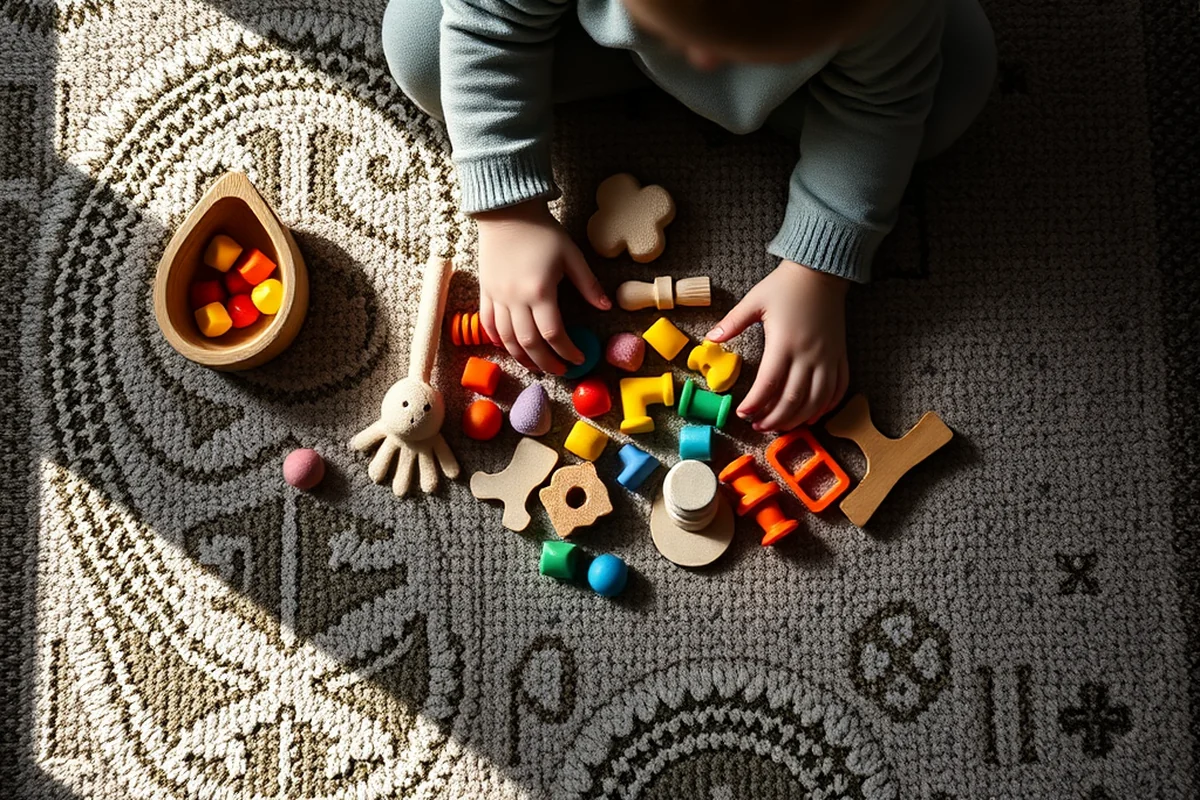
I’ve found that the easiest way to integrate a checklist is to use it during a specific part of the day — like after lunch or before bedtime. My daughter loves our ‘sensory time’ right after nap, and the checklist helps her understand what to expect.
I also use the checklist as a way to transition from one activity to another. For example, if we’re moving from a messy sensory bin to a quiet puzzle activity, the checklist helps her know what to clean up and what to prepare for the next session.
Using a checklist as part of a daily routine has helped my child develop a sense of predictability and structure. She now looks forward to sensory play time and knows exactly what to expect each day.
Related: Sensory play printables checklist
The Long-Term Impact of Using a Checklist
Over the past few months, I’ve noticed that using a checklist has helped my child become more independent. She now knows which materials she can use and how to clean up afterward. This has reduced my stress and made playtime more enjoyable for both of us.
I’ve also seen improvements in her fine motor skills. By following the checklist, I’ve introduced a variety of textures and materials that help her develop hand-eye coordination and grip strength. These are small changes, but they add up over time.
Perhaps the biggest impact I’ve noticed is on my confidence as a parent. Knowing that I’m using a structured, organized approach to play has given me a greater sense of control and purpose. It’s a small thing, but it makes a big difference in how I feel about my parenting journey.
🧘 Gentle Approach
A calming, low-stimulus way of using printables that focus on soft textures and quiet activities.
⚡ Fast-Track Approach
A quick, no-frills method that uses pre-printed activities and minimal setup for busy days.
🧳 Travel/away-from-home Approach
Printables designed to be used on the go, with lightweight materials that are easy to store and transport.
👶 Multiples Approach
Printables that can be adapted for multiple children, helping parents manage sensory play for more than one toddler.
🔄 Regression Reset Approach
Printables that help parents re-introduce sensory play during times of developmental regression or change.
| The mistake | Why it happens | The fix |
|---|---|---|
| Not using the checklist consistently | When I skipped using the checklist, our sensory play sessions became disorganized and chaotic. | I set a specific time each day for sensory play and use the checklist to keep things on track. |
| Choosing the wrong printable for my child’s age | When I used a printable meant for older children, my toddler got overwhelmed and disengaged. | I now choose printables that match my child’s developmental stage and abilities. |
| Not adapting the printable to my child’s interests | When I used a generic printable without considering my child’s preferences, the activities felt forced and boring. | I now customize the checklist to include activities that match my child’s current interests. |
| Using too many materials at once | When I introduced too many new textures and materials at once, my child became overwhelmed and lost interest. | I now introduce one new material at a time and follow the checklist to manage the flow of each session. |
Related: Affordable sensory play printables checklists
Sensory Play Printables Checklists Tips
Related: Sensory play printables checklists on a budget
Making the Most of Free and Low-Cost Resources
Maximize your sensory play without spending a lot by using free and affordable printables, DIY materials, and community resources.
I’ve found that many high-quality sensory play printables are available for free on parenting blogs, educational websites, and teacher resource platforms like Teachers Pay Teachers. These often include templates for sensory bins, activity cards, and visual schedules that can be printed on cardstock and laminated for repeated use. I’ve personally saved over $150 in the past year by downloading and reusing these resources instead of buying commercial kits.
For those who prefer low-cost options, stores like Michaels or Dollar Tree offer affordable materials such as rice, beans, and fabric scraps that can be paired with printables. I’ve used a $2 bag of dried pasta with a free printable sorting activity to teach color recognition and fine motor skills to my toddler. It’s easy to mix and match materials to suit your child’s developmental stage and interests.
Another tip I’ve used is to tap into local community resources. Libraries often have printable sensory play packs available for checkout, and some schools offer free sensory bins for families. I once picked up a sensory box from my local library that included tactile cards and textures I hadn’t thought of using before. These resources not only save money but also introduce new ideas to keep your sensory play activities fresh and engaging.
Tailoring Checklists for Different Age Groups
Customizing sensory play checklists based on a child's developmental stage ensures activities are both engaging and age-appropriate.
When I first started using sensory play checklists, I underestimated how crucial it was to tailor them for my toddler versus my preschooler. For younger kids, I focused on activities that involved simple textures, like playing with sand or water, which helped with sensory exploration and motor skills. My older child, however, needed more complex tasks, like sorting objects by color or texture, which challenged her cognitive development. I found that adjusting the checklist based on age not only made playtime more meaningful but also kept my kids excited and motivated to participate.
I began using developmental milestones as a guide to customize the checklist. For instance, for babies under one year, I prioritized activities that involved touch and sound, such as shaking rattles or feeling different fabrics. For toddlers, I incorporated activities that encouraged grasping and manipulating objects. By aligning the checklist with what each child was developmentally ready for, I saw a marked improvement in engagement and learning outcomes. This approach also helped me avoid frustration, as I could ensure the activities were within their abilities.
I also made sure to include a variety of sensory experiences in each checklist. For example, I would alternate between activities that involved sight, touch, and sound to keep things interesting. I also found it helpful to include a mix of independent and guided play, allowing my child to explore on their own or with my support. This flexibility made the checklist a dynamic tool that could be adjusted as my child grew and developed new skills. Overall, personalizing the checklist for each child’s age and developmental stage made a huge difference in how effectively we used sensory play as a learning tool.
Common Questions
How often should I use the checklist with my child?
Can I use the checklist for different age groups?
How long does a typical sensory play session last?
How do I know if the printable is right for my child?
References
- The Powerful Role of Play in Early Education (cde.ca.gov)
Cite this guide
PlayMessy (2026). Sensory Play Printables Checklists Tips. https://playmessy.com/sensory-play-printables-checklists-tips/
Feel free to cite or share this guide.