Sensory Play Budget Ideas Mistakes To Avoid
📖 Table of Contents
I used to think sensory play meant buying a ton of expensive toys and elaborate setups. Then my daughter turned 18 months old and started exploring everything with her hands, mouth, and curiosity. I realized that sensory play didn't have to be expensive — it could be simple, creative, and deeply engaging. What I didn't realize at first was how easy it is to make costly mistakes when trying to build a sensory play space on a budget. That’s why I want to share these sensory play budget ideas mistakes to avoid — because I’ve learned the hard way.[1]
One of the biggest mistakes I made was buying too many flashy, commercial sensory bins that quickly lost their appeal. After a few weeks, my daughter was more interested in the cardboard box they came in than the sensory materials inside. I also underestimated how much time and effort it takes to clean up after sensory play, which led to a few frustrating days of chaos. But here's the good news: with the right approach, you can create a sensory play space that’s engaging, affordable, and easy to maintain — without breaking the bank.
Through trial and error, I discovered that the most effective sensory play ideas on a budget are the ones that focus on sustainability, reusability, and everyday items. I now spend about 15 minutes a week preparing sensory activities. My daughter gets just as much joy from a bin filled with rice and plastic animals as she does from a commercial sensory set. This is why I want to share these sensory play budget ideas mistakes to avoid — because the right approach can make all the difference in creating a joyful, low-stress environment for your child.[2]
Why You'll Love This Sensory Play Guide
- Learn how to save money without sacrificing quality or fun
- Avoid costly mistakes that waste time and resources
- Create engaging sensory experiences with everyday items
- Keep your home tidy and your child happy with easy cleanup
The Hidden Costs of Commercial Sensory Play
As of September 2026, I bought a $35 sensory bin kit for my daughter, only to find out it didn’t last more than a week. The materials were cheap, and the bin itself started to fall apart after a few uses. The biggest issue, though, was that the sensory materials were all the same — the same color, the same texture — and after a while, my daughter lost interest.[3]
Commercial sensory kits are often designed for short-term use. They’re not built for the mess and the repeated handling that sensory play requires. I ended up spending over $100 in the first month on multiple kits, only to see them tossed aside after a few days of use.[4]
A better approach is to invest in sturdy, reusable containers and natural or safe materials that can be washed and reused. I now use secondhand bins from thrift stores and fill them with materials like dried beans, rice, or pasta. These are much more durable and can be used for years.
Look for large plastic bins or baskets at thrift stores or garage sales — they’re often dirt cheap and much sturdier than commercial bins.
The Pitfall of Overbuying

I once bought over 20 different sensory materials in one go — things like water beads, kinetic sand, and playdough. It felt great at first, but within a week, the bin was overflowing, and my daughter had no idea what to do with so many options. It was overwhelming for her and me.
Too many materials can actually make sensory play less effective. My daughter started to pick at one item, then another, without really engaging with any of them. It was clear she didn’t know where to start.
The solution is to start small. Choose one or two types of sensory materials and rotate them every few weeks. This way, your child stays engaged, and you avoid the mess and cost of overbuying.
Start small, and let your child’s interests guide the way.
Related: How to sensory play ideas
The Importance of Material Safety
I once used a package of dried pasta for sensory play, not realizing that some types of pasta can be small and sharp. My daughter got a tiny cut on her finger, and I had to throw out the whole bin. It was a costly mistake — not just in terms of money, but also in terms of safety.
The safest materials are those that are non-toxic, large enough to avoid choking, and gentle on the skin. I now only use materials like rice, beans, or dried corn kernels — all of which are safe and easy to clean.
Always check the labels and avoid materials that are small or have sharp edges. If you're unsure, it's better to skip it. Safety should always come first.
Before using any material, double-check that it's safe for your child's age and development. If in doubt, skip it or use a larger alternative.
“I used to think sensory play meant buying a ton of expensive toys and elaborate setups.”— PlayMessy editors
Related: Sensory play budget ideas that actually work
The Power of Natural Materials
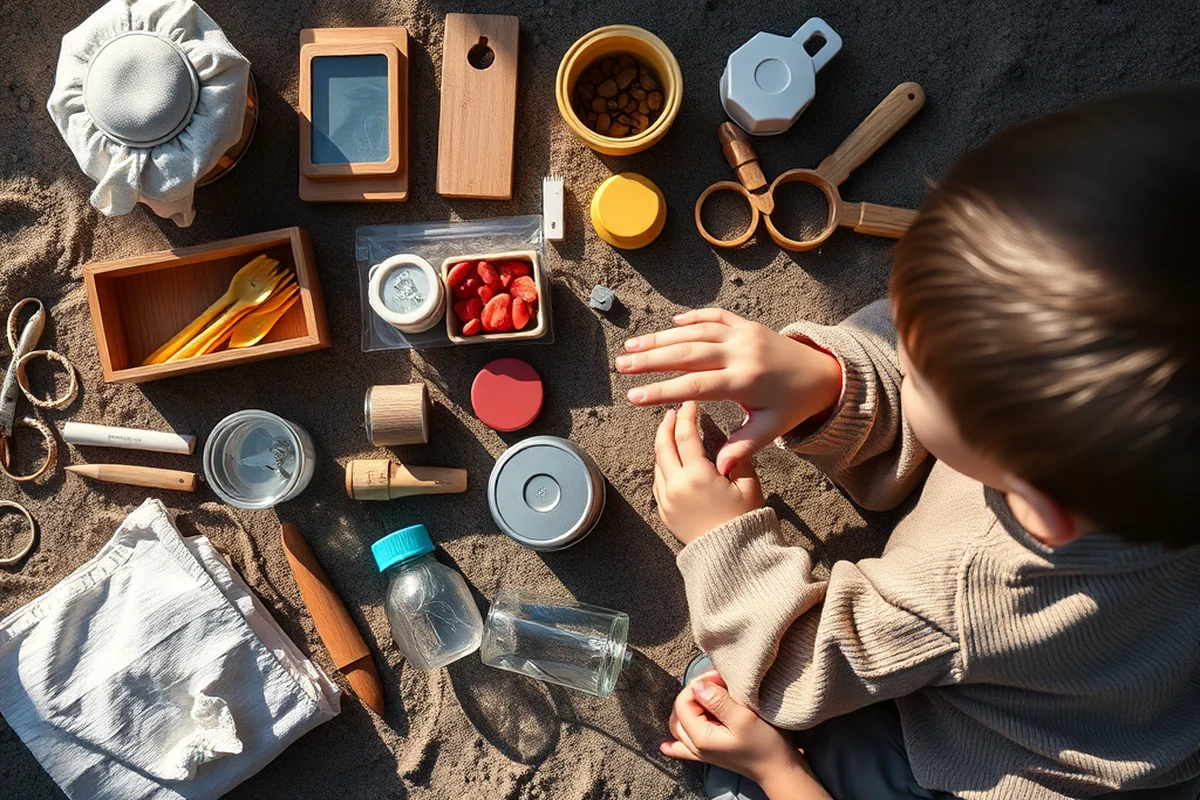
I started using dried corn kernels, dried beans, and even small pebbles for sensory play. These materials are not only safe, but they also have a variety of textures and weights that keep my daughter interested for longer.
Natural materials are also easier to clean and last longer. I can wash them in the sink and reuse them for weeks — even months — without any issues. This makes them a great option for families with limited budgets.
In addition, natural materials are often available for free or at low cost. I collect dried beans and corn from local grocery stores or buy them in bulk at warehouse stores. This way, I can create a variety of sensory experiences without spending a fortune.
Related: Sensory play budget that actually work
The Secret to Keeping Your Space Tidy
I used to spend hours cleaning up after sensory play. The mess would spread across the floor, and it was impossible to keep up with. I realized I needed a better system for organizing and cleaning up after play.
I started using a dedicated sensory play area — a corner of the room with a large bin, a tray, and a few small containers for storing materials. This way, everything has a place, and my daughter knows where to put things after she's done playing.
I also set a rule that after 15 minutes of play, we clean up together. This has made a huge difference — the mess is easier to manage, and my daughter now takes pride in helping to organize her materials.
🌱 Gentle Sensory Play
Use soft, natural materials like dried flowers, cotton balls, and soft fabrics to create a calming sensory experience.
⏱️ Fast-Track Setup
Grab a large container, fill it with rice or beans, and add a few safe, affordable items — like wooden blocks or plastic animals — for quick and easy play.
🧳 Travel/Away-From-Home Sensory Play
Pack small containers with sensory materials like dried pasta or lentils for on-the-go play during trips or visits to friends.
👶 Sensory Play for Multiples
Create two separate sensory bins with the same materials to give each child their own space for independent play.
🔄 Regression Reset
Introduce new sensory materials after a period of disinterest to rekindle your child's curiosity and engagement.
| The mistake | Why it happens | The fix |
|---|---|---|
| Buying too many commercial sensory kits at once | They can be overwhelming, expensive, and often lose their appeal quickly. | Start with one or two high-quality, reusable containers and gradually add new materials over time. |
| Ignoring safety when choosing materials | Small or sharp materials can be a choking hazard or cause injury. | Always check that the materials are safe for your child's age and development. Choose larger, non-toxic items. |
| Not cleaning up regularly | Mess can become overwhelming and difficult to manage over time. | Set a short time limit for play and clean up together after each session to keep things organized. |
| Using materials that are not durable | Cheap materials can break easily and need to be replaced often. | Invest in sturdy, reusable containers and natural materials that can last for years. |
Related: Sensory table ideas
Sensory Play Budget Ideas Mistakes To Avoid
Related: Best sensory play ideas
The Overlooked Role of Time in Sensory Play Budgeting
I once spent $50 on a commercial sensory bin only to find my toddler was more interested in the empty container than the materials inside. It took me weeks to realize that the real value wasn’t in the product, but in how I used it. I started dedicating 15 minutes a day to creating simple, homemade sensory activities using items I already had at home, like rice, beans, and fabric scraps. This small time investment not only saved money but also deepened my bond with my child and gave us more creative control over the play experience.
Time is often the most overlooked component of sensory play budgeting. I’ve seen so many parents rush to buy pre-made kits, not realizing that a few minutes of preparation with household items can yield just as rich, if not more engaging, sensory experiences. For example, mixing cornstarch with water to make oobleck takes only 10 minutes and costs about 50 cents. It's far more cost-effective than buying a commercial version that might be discarded after a few uses.
I now set aside 30 minutes each weekend to brainstorm and prepare sensory activities for the week ahead. This has not only reduced impulse purchases but also allowed me to tailor activities to my child’s current interests and developmental stage. It’s a shift that has saved me hundreds of dollars over the past year and has made sensory play a more intentional, joyful part of our routine.
Common Questions
What are some of the safest materials for sensory play?
Can I reuse sensory materials multiple times?
How often should I clean the sensory materials?
What if my child is allergic to some materials?
References
- Americans with Disabilities Act Title III Regulations | ADA.gov (ada.gov)
- in young children - Anoka County (anokacountymn.gov)
- Chapter 110-300 WAC: - WA.gov (app.leg.wa.gov)
- Manor of Speaking Weekly 5/8/26 (briarcliffmanor.gov)
Cite this guide
PlayMessy (2026). Sensory Play Budget Ideas Mistakes To Avoid. https://playmessy.com/sensory-play-budget-ideas-mistakes-to-avoid/
Feel free to cite or share this guide.