Sensory Play Budget Ideas Guide
📖 Table of Contents
When my daughter was two, I found myself standing in a toy store, staring at the price tags like they were foreign languages. I had no idea how to create a sensory play space that was both engaging and affordable. I knew that sensory play was crucial for her development, but I felt stuck, overwhelmed by the cost and complexity of what I thought was required. That moment changed everything. I set out on a mission to build a sensory play area that was both rich in texture and totally on a budget. Now I want to share what I learned with other parents who feel the same way.
I quickly realized that sensory play doesn't have to be expensive. It doesn't have to be complicated, either. What it does need, though, is intention and creativity. I started sourcing materials from my own home — things like rice, beans, and fabric scraps — and I was amazed at how much my daughter could do with just a few items. It was a revelation. Not only did it save me money, but it also gave me a deeper understanding of what sensory play really means: it's about connection, exploration, and play that is both fun and meaningful.
This is why I created this guide. I want to show parents that sensory play is accessible, no matter the budget. Whether you're dealing with a small income, a big family, or just trying to make the most of what you have, there are ways to create a rich sensory experience without breaking the bank. The goal is not to buy more, but to play more — and to do it with the resources you already have around you.[1]
Why You'll Love This Sensory Play Budget Ideas Guide
- Discover affordable, creative ways to make sensory play a daily part of your child's life.
- Learn how to use everyday household items to create engaging and safe sensory experiences.
- Get practical, step-by-step tips that are easy to implement and maintain.
- Empower your child through hands-on exploration that supports their cognitive, motor, and emotional development.
The Power of Repurposing
As of September 2026, I found that my child loved playing with fabric scraps, dried pasta, and even old socks. These items are not only inexpensive but also provide a range of textures and sounds that are perfect for sensory exploration. For instance, filling a container with fabric scraps and letting her sort them by color or texture became one of her favorite activities.[2]
Another favorite was using old socks stuffed with rice or beans. I found that this not only gave her a tactile experience but also helped her develop fine motor skills as she squeezed and rolled the socks around. I was amazed at how much she learned through these simple activities.
The key is to look around your home for items that can be reused in new and creative ways. A cardboard box, a few plastic containers, and a few household items can be transformed into an entire sensory play station.
Fill old socks with rice or beans, tie them securely, and let your child squeeze and roll them. This helps with fine motor skills and provides a satisfying tactile experience.
DIY Sensory Bins with a Twist
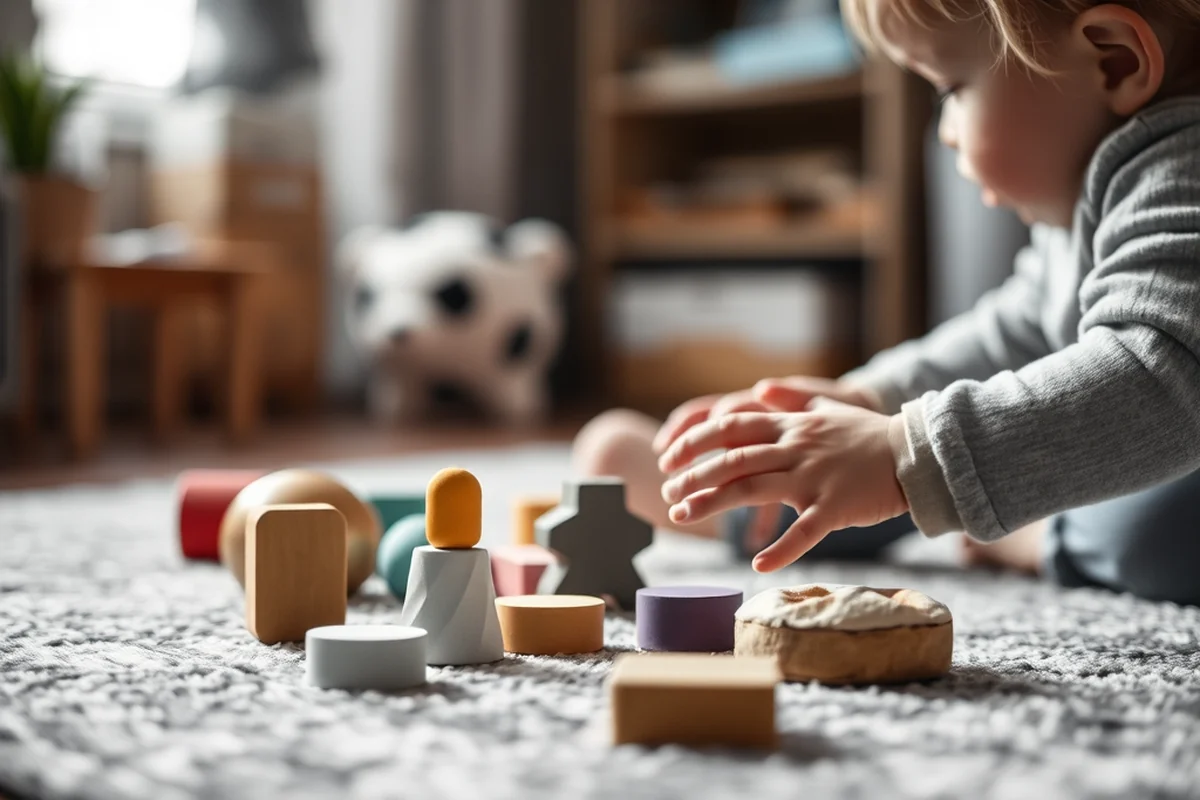
One of the most satisfying projects I did was creating a sensory bin using dried pasta, small plastic animals, and fabric scraps. I used a large plastic container, filled it with pasta, and let my child search for the animals. The sound of the pasta moving around was both soothing and engaging for her.
I also tried using shredded paper and small toy cars for a different kind of sensory bin. The paper provided a soft, crinkly texture, and the cars were great for developing hand-eye coordination. I was surprised at how much she focused on this activity for extended periods.
The beauty of sensory bins is that they can be customized to match your child's interests and developmental stage. Whether you're working on sorting, counting, or fine motor skills, sensory bins can be tailored to fit your needs.
Sensory bins are the Swiss Army knife of sensory play — versatile, engaging, and endlessly customizable.
Related: Sensory play budget ideas on a budget
The Magic of Natural Materials
I discovered that taking a walk in the park and collecting leaves, rocks, and sticks gave us a unique sensory experience that we didn't get at home. My child loved feeling the rough texture of the bark on a tree and the smoothness of stones in her hands. These materials are not only free but also safe for sensory exploration.
I found that using sand in a small container was a hit with her. She loved digging through it and finding small items like pebbles or shells. It was both a sensory experience and a way to work on fine motor skills.
Natural materials offer a connection to the world around us and can be used in a variety of ways, from sensory bins to outdoor play. They are a fantastic way to bring nature into your child's sensory play routine.
Go on a walk and collect leaves, stones, and sticks to create a sensory bin or outdoor play area. This is a great way to connect with nature and engage your child's senses.
“When my daughter was two, I found myself standing in a toy store, staring at the price tags like they were foreign languages.”— PlayMessy editors
Related: Simple sensory play budget ideas
Sensory Play on a Budget: The Basics
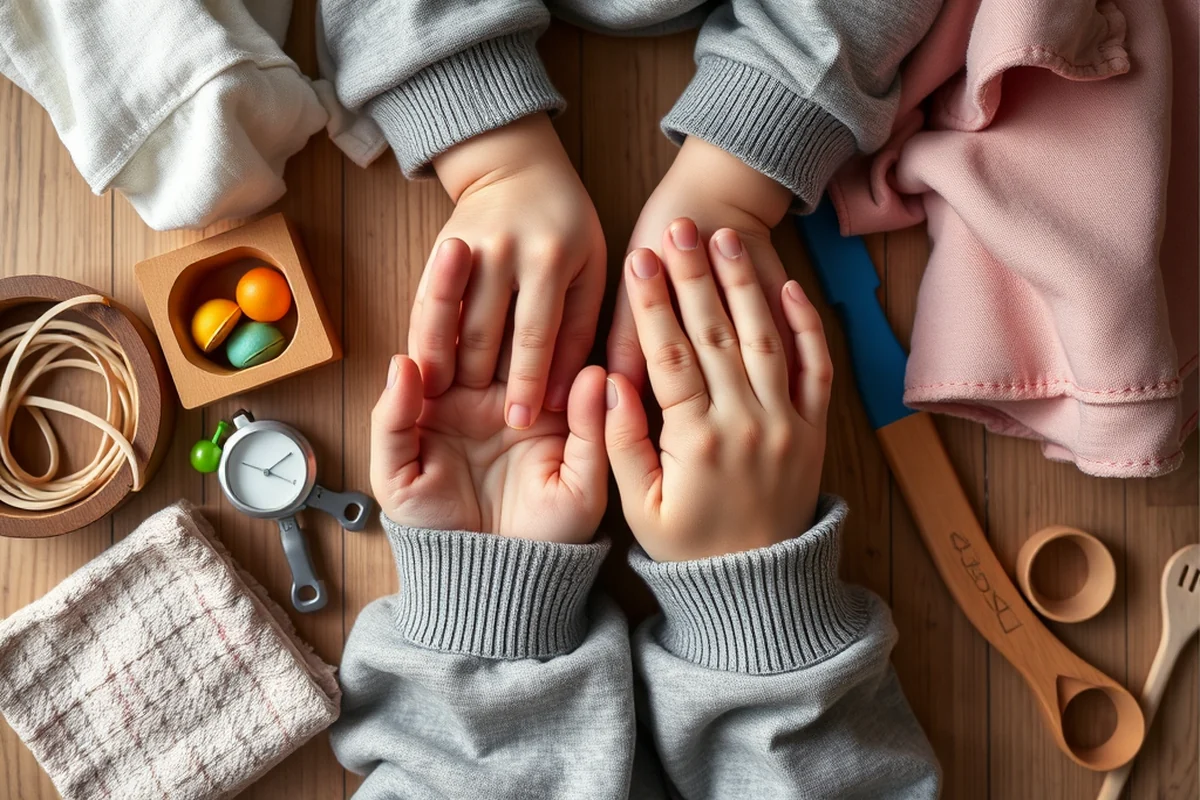
I found that a simple plastic container and a few household items were all I needed to create a sensory play experience. I used rice, beans, and fabric scraps to create different textures for my child to explore. It was surprising how much she engaged with these simple materials.
I also discovered that using a small amount of playdough and a variety of items like buttons, pipe cleaners, and small toys was a great way to encourage creativity and motor development. The cost was minimal, but the impact was huge.
The key is to focus on quality over quantity. Even a few items can provide a wide range of sensory experiences for your child. The goal is not to buy everything, but to use what you have in creative and meaningful ways.
Related: Sensory play budget on a budget
Sensory Play as a Family Activity
I found that involving my daughter's older brother in her sensory play activities helped her develop social skills and also made the experience more fun. We created a sensory bin together, and the two of them enjoyed searching for hidden items and taking turns.
Including my partner in the sensory play sessions was also a great way to bond with my daughter. He loved helping her create sensory bins and playing with her. It was a way for us all to connect and share in the joy of sensory exploration.
Family involvement not only makes sensory play more engaging for your child but also helps reinforce the importance of play as a shared experience. It's a great way to spend quality time together and support your child's development.
👶 Gentle Sensory Play for Newborns
For babies, sensory play is about soft textures, gentle sounds, and safe exploration. Use items like soft fabrics, soft balls, and gentle music to engage their senses in a calm and nurturing way.
⏱️ Fast-Track Sensory Play Setup
This approach is perfect for parents who want to set up a sensory play area quickly. Use a single container with a few items like rice, beans, or fabric scraps to create a simple but effective sensory experience.
🧳 Travel-Friendly Sensory Play
When you're on the go, use small, portable sensory items like sensory bags, small containers, or even a small sensory bin that can be easily packed and played with on the go.
👶👶 Sensory Play for Multiples
When you have more than one child, create sensory play activities that can be enjoyed by all. Use items like large sensory bins, soft materials, or sensory balls that can be shared and played with together.
🔄 Regression Reset Sensory Play
During times of developmental regression, sensory play can be a powerful tool to help your child reengage with the world. Use items that are calming and engaging, such as soft fabrics, gentle music, or sensory bottles.
| The mistake | Why it happens | The fix |
|---|---|---|
| Using small objects that can be a choking hazard for younger children. | Small objects like beads or small toys can be dangerous for children under three, who may put them in their mouths and choke on them. | Avoid using small objects and opt for larger, safer materials like soft fabric, large plastic balls, or soft sensory items. |
| Overloading the sensory play area with too many items. | Too many items can be overwhelming for your child and may prevent them from fully engaging with the sensory experience. | Keep the sensory play area simple and focused on one or two sensory experiences at a time. This helps your child stay engaged and focused. |
| Not cleaning the sensory materials regularly. | Sensory materials can accumulate dirt and germs over time, which can be harmful to your child's health. | Make sure to clean and sanitize the sensory materials regularly, especially if they are used by multiple children or if they come into contact with the ground. |
| Neglecting to involve your child in the setup process. | Not involving your child in the setup of the sensory play area can make the experience feel less engaging and less meaningful for them. | Involve your child in the setup process and let them help choose the materials and activities they want to use. This helps them feel more connected to the experience. |
Related: Easy sensory play budget ideas
Sensory Play Budget Ideas Guide
Related: Simple sensory play ideas
Common Questions
What are the best materials to use for sensory play?
How can I make sensory play more engaging for my child?
Is sensory play only for young children?
Can I use sensory play to help with developmental delays?
References
- The Powerful Role of Play in Early Education (cde.ca.gov)
- Environmental Education Activity Guides - Hennepin County (hennepincounty.gov)
Cite this guide
PlayMessy (2026). Sensory Play Budget Ideas Guide. https://playmessy.com/sensory-play-budget-ideas-guide/
Feel free to cite or share this guide.