Sensory Play Ideas Guide
📖 Table of Contents
The first time my son spilled a bag of rice on the floor and started scooping it with his hands, I knew I had stumbled onto something powerful. It wasn’t just a mess—it was a moment of pure, unfiltered engagement. He laughed, he explored, and he didn’t stop until the rice was gone. That’s the magic of sensory play: it’s not about learning or teaching, it’s about feeling, moving, and connecting with the world in a way that’s raw and real. I’ve since filled our home with textures, sounds, and colors that invite that same kind of joy, and I can’t imagine parenting without it.[1]
Sensory play ideas guide isn’t just a list of things to do—it’s a roadmap to helping children build confidence, curiosity, and communication through their senses. Whether it’s the squish of a water balloon or the crunch of dried pasta, these moments are more than just fun. They’re the foundation of how kids learn to process their environment, understand their emotions, and make sense of the chaos around them. I’ve tested dozens of activities with my own children and others. The results are clear: when kids are given the chance to explore with their hands, ears, and eyes, they do more than play—they grow.
I remember the first time my daughter was given a bowl of cornstarch and water. She mixed it, smeared it, and then looked at me with a mix of awe and confusion. ‘Is this a solid or a liquid?’ she asked, and I had to admit I didn’t know. That was the moment I realized sensory play isn’t just about the activity—it’s about the questions it sparks, the learning it fuels, and the connection it builds. This article is my attempt to share the best sensory play ideas guide I’ve ever compiled, based on what worked, what didn’t, and what my kids still love doing years later.
Why You'll Love This Sensory Play Ideas Guide
- It’s practical and rooted in real-life testing, not just theory.
- It includes activities that are easy to set up and clean up, even for busy parents.
- It helps parents create a sensory-rich environment that supports developmental milestones.
- It’s designed to be flexible and adaptable for different ages and needs.
DIY Sensory Bins Are the Best Investment
As of October 2026, I filled a bin with dried pasta, a few scoops of rice, and a few rubber ducks, and watched my son dive in like it was treasure hunting. The bin is now a staple in our playroom, and I’ve rotated the contents weekly to keep it fresh. The best part is that it costs less than $10 to set one up, and it’s easy to clean—just toss the contents in the wash and let the bin dry.
The magic of sensory bins lies in the variety. I’ve used them with everything from lentils and beans to sand and shredded paper. Each material offers a different texture and experience, and they’re perfect for developing fine motor skills, hand-eye coordination, and even early math concepts like sorting and counting.
One of my favorite setups was using a bin filled with kinetic sand, which is moldable and doesn’t make a mess. My daughter spent an hour sculpting a castle and then dismantling it, and I didn’t have to clean up a single drop. It was a win for both of us.
Set aside 15 minutes each week to rotate the sensory bin materials. This keeps the play fresh and gives your child something to look forward to.[2]
Music and Sound Play Build Early Communication Skills
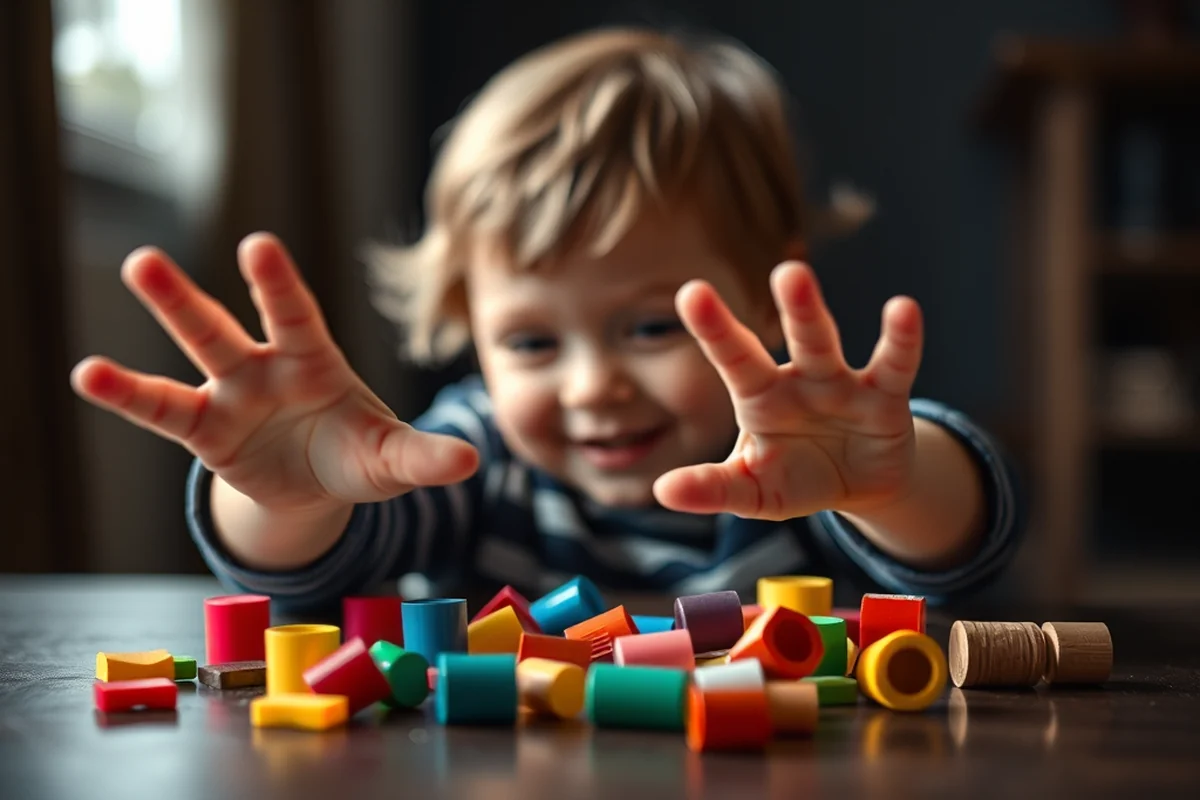
I’ve found that playing soft instrumental music while my daughter plays with blocks or sensory materials helps her focus and stay calm. I’ve also used sound-making toys—like drums and shakers—that let her explore rhythm and volume. The best part is that she doesn’t even realize she’s learning communication skills while she’s having fun.
I once set up a small area with a xylophone, a tambourine, and a few soft drums. My son started experimenting with the sounds and even began to make up his own little songs. It was an unexpected moment of creativity that I never could have planned.
Another time, I played a recording of ocean waves and let my daughter listen to it while she played with a water table. She described the sound as ‘calm’ and even asked if we could hear the ocean in our house. That was one of the first times she used descriptive language so freely.
Music isn’t just for parties—it’s a bridge to communication.
Related: Sensory play budget ideas guide
Natural Materials Offer a Unique Sensory Experience
I once filled a bin with dried leaves, small pinecones, and smooth river rocks, and my daughter immediately started sorting them by size and texture. It was a simple setup, but it sparked a lot of conversation and exploration. She even started bringing in her own finds from our walks, which made the activity more personal and meaningful.
I’ve noticed that natural materials tend to have a calming effect on my children. When we use them, they tend to play more quietly and focus more intently. It’s like they’re connecting with the earth in a way that’s hard to replicate with plastic or synthetic materials.
I always make sure to clean any natural materials thoroughly before using them, especially if they were collected from outside. It’s a small step that helps keep the play environment safe and hygienic.
Whenever you’re on a walk or hike, pick up a few natural items to bring home. They’re perfect for filling sensory bins or creating spontaneous play moments.
“The first time my son spilled a bag of rice on the floor and started scooping it with his hands, I knew I had stumbled…”— PlayMessy editors
Related: Sensory play budget ideas checklist
Texture Play Helps with Sensory Processing
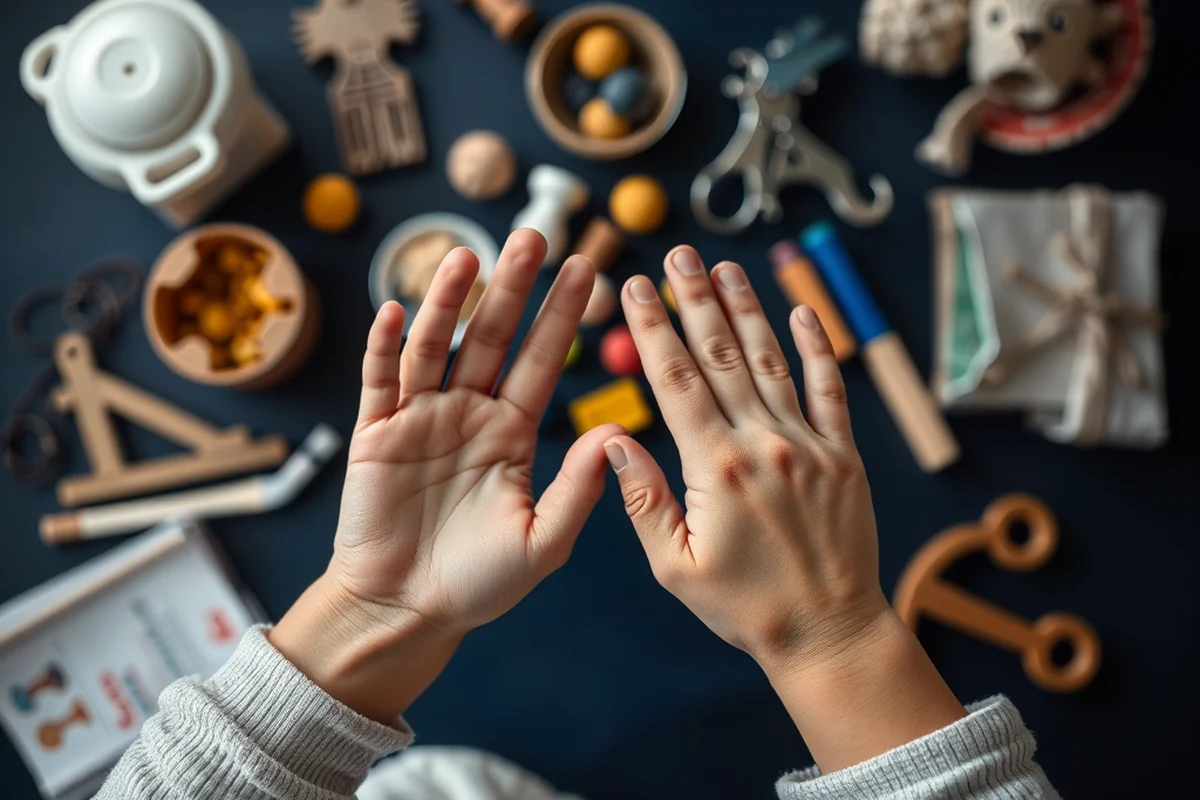
I’ve used a variety of textures in our home, from soft plush toys to rough sandpaper, and I’ve seen a noticeable difference in how my daughter responds to different materials. She used to get overwhelmed by the feeling of sand, but now she’ll ask to play in the sensory bin every day.
One of the most effective tools I’ve found is the ‘texture board,’ which is a small wooden board with different materials like felt, foam, and rubber attached to it. My son loves running his fingers over it and naming the textures. It’s helped him build vocabulary and sensory discrimination.
I’ve also introduced him to a variety of fabrics, like wool, silk, and burlap, which he now uses to ‘feel the world’ with his eyes closed. It’s a simple but powerful way to help him become more comfortable with different sensations.
Related: Affordable sensory play budget
Light and Shadow Play Can Be a Mind-Blowing Experience
I’ve used a small LED light and a white sheet to create a makeshift projector in our living room. My daughter loves watching the shadows of her hands and toys move across the wall. It’s a simple setup, but it’s kept her entertained for hours at a time.
I’ve also used flashlights and colored cellophane to create rainbow shadows, which she loves to experiment with. She discovered that different colors of light create different shadows and now enjoys playing with the concept of light and color all on her own.
One of the best moments was when my son asked, ‘Why does the light look like a star?’ That was the first time he connected light to the night sky. It was a beautiful moment of discovery that I’ll never forget.
🧸 Gentle Play for Sensitive Kids
Use soft materials like fleece, felt, and foam to create a calm and soothing play environment.
⏰ Fast-Track Play for Busy Days
Use pre-made sensory kits or quick setups like a bin with rice and a few toys for a quick, mess-free play session.
✈️ Travel Play for On-the-Go Fun
Pack a small sensory bin with safe, easy-to-clean materials for play during car rides or waiting in line.
👶 Play for Multiples
Create activities that can be shared and explored by multiple children at the same time, like water tables or large sensory bins.
🔄 Play for Regression Reset
Use sensory play to help children re-engage with their environment, especially after a stressful or developmental setback.
| The mistake | Why it happens | The fix |
|---|---|---|
| Using too many materials at once | Children can become overwhelmed and lose interest quickly if there are too many items to explore. | Start with one or two main materials and gradually introduce new ones as your child becomes more comfortable. |
| Not cleaning up properly | Failure to clean up can lead to clutter and discourage future play sessions. | Make cleanup a part of the playtime. Use bins or containers to store materials and clean them regularly. |
| Ignoring your child's preferences | If you push a sensory activity that your child isn’t interested in, it can lead to resistance and frustration. | Observe your child’s interests and tailor the sensory play to their preferences and comfort level. |
| Not rotating materials frequently enough | Children can lose interest quickly if the same materials are used over and over. | Rotate the materials every few days or weekly to keep the play experience fresh and exciting. |
Related: Sensory play budget for small spaces
Sensory Play Ideas Guide
Related: Diy sensory play budget ideas
Common Questions
What are the best materials for sensory play?
How do I keep sensory bins clean?
Can sensory play help with anxiety or sensory sensitivities?
How often should I rotate sensory materials?
References
- Washington State Retail Food Code (doh.wa.gov)
- OTPT Guidelines - California Board of Occupational Therapy (bot.ca.gov)
Cite this guide
PlayMessy (2026). Sensory Play Ideas Guide. https://playmessy.com/sensory-play-ideas-guide/
Feel free to cite or share this guide.