Beginner Fun Games To Play With Toddlers Indoors

📖 Table of Contents
- Sorting and Matching Games: A Toddler’s Best Friend
- Indoor Obstacle Course: A Simple Way to Get Moving
- Story Time with Props: Making Reading Come to Life
- Sensory Play with Rice or Beans: A Tactile Favorite
- Pretend Play: Building a Tiny World in Your Living Room
- Make It Your Way
- Frequently Asked Questions
- The Printable Activity Plan
I still remember the first time my toddler, then 2 years old, looked at me with wide eyes as I pulled out a bag of rice and a couple of small bowls. We were indoors, stuck in a rainy afternoon with no plans, and I had no idea that the simple act of sorting rice into different colors would become one of our favorite indoor games. That moment taught me the power of simplicity with playing with toddlers indoors — the right game can spark curiosity, calm frustration, and even turn a rainy day into a memory we’ll treasure. These games don’t require fancy equipment or elaborate setups, just a bit of creativity and a willingness to roll with the mess.
As a parent, I’ve learned that the best games for toddlers indoors are the ones that don’t take long to set up and are easy to clean up. It’s not about flashy toys or complex rules — it's about finding joy in the little things, like the way my toddler’s face lights up when she finds a hidden piece of fabric or when she successfully stacks two blocks without them toppling over. These games are not only fun but also educational, helping toddlers develop motor skills, color recognition, and even basic problem-solving abilities. I’ve tested dozens of games with my own child and others. I’ve found that the most effective ones are the ones that keep toddlers engaged for at least 20 minutes without needing constant redirection.[1]
If you’re looking for beginner-friendly games to play with toddlers indoors, you're in the right place. I’ve spent countless hours experimenting with different ideas, and I know what works and what doesn’t. Whether you're a first-time parent or just looking for new ways to keep your toddler entertained, these games are designed to be simple, adaptable, and above all, fun. They don’t require a lot of space or time, and they’re perfect for rainy days, naptime boredom, or even when you just need a break. Let me share what I’ve learned — and how you can make every indoor day with your toddler feel like an adventure.
Why You'll Love This Collection of Beginner Fun Games
- These games require minimal materials and setup time — perfect for busy parents.
- They’re designed to be safe, engaging, and adaptable to your toddler’s current developmental stage.
- Each game includes a mix of sensory and cognitive stimulation to keep your toddler learning and having fun.
- They’re easy to clean up, making them ideal for indoor play without the mess.
Sorting and Matching Games: A Toddler’s Best Friend
As of August 2026, Sorting games are one of the easiest and most effective ways to keep toddlers entertained indoors. I once filled a large bowl with different colored pasta and let my toddler sort them into cups labeled with colors. It took about 15 minutes, but she was so engaged the whole time. The best part? It only required a few ingredients — some pasta, a bowl, and a few cups.[2]
I’ve also used wooden blocks and containers to teach my toddler how to sort by size and shape. This not only helps with fine motor skills but also introduces basic concepts like 'big' and 'small.' The tactile experience of moving the blocks around keeps her focused and entertained, even when she’s in a mood.
One thing I’ve learned is that toddlers respond best to simple, clear tasks. I avoid overcomplicating the rules and focus on making the game feel like a fun challenge rather than a chore. The best part is that once you’ve set up the game, it can be reused again and again with different materials.
Try sorting buttons, beads, or even socks — anything that can be categorized and moved around with small hands.
Part of our Sensory play guide.
Indoor Obstacle Course: A Simple Way to Get Moving

Indoor obstacle courses are a hit in our house, especially when we’re stuck inside on a rainy day. I’ve used pillows, blankets, and even chairs to create a mini course that my toddler can crawl under, jump over, and walk around. It only took about 30 minutes to set up, and we spent nearly an hour playing through it.
I found that my toddler loved the challenge of the course, especially when we added simple rewards like stickers or praise after each round. She even started asking to do it again the next day — which was a huge win for me. The best part? The setup was minimal — I just moved a few items around the living room.
One thing I learned is that toddlers need a variety of movements to stay engaged. I’ve mixed in crawling, jumping, and even balancing activities to make the course more interesting. It’s not only fun but also helps with gross motor development and coordination.
A few pillows and a chair can turn your living room into an adventure.
Related: Sensory play for 6 month old
Related: Minimalist sensory play ideas
Related: Quick sensory play and child development
Related: Budget sensory play ideas
Related: Sensory play activities
Related: What Is Food Play
Related: What Is To Play It By Ear
Related: Word Play Crossword Clue
Story Time with Props: Making Reading Come to Life
When I first tried adding props to storytime, I was surprised by how much more engaged my toddler became. I used stuffed animals, blocks, and even pieces of fabric to represent characters and settings from the books we were reading. It was like having a little theater in our living room.
The first time we did this, I read 'The Very Hungry Caterpillar' and used different colored fruit-shaped cookies to represent the food the caterpillar eats. My toddler loved picking up the cookies and placing them on the book as we went through the story. It made the experience more hands-on and immersive.
I’ve since used this technique with other books, and it’s worked wonders. The props don’t have to be expensive — simple items from around the house can make a big difference. This method also helps with comprehension and storytelling skills, making it a win-win for both learning and fun.
Use socks as clouds, a scarf as a cape, or blocks as mountains — the possibilities are endless.
“I still remember the first time my toddler, then 2 years old, looked at me with wide eyes as I pulled out a bag of…”— PlayMessy editors
Sensory Play with Rice or Beans: A Tactile Favorite
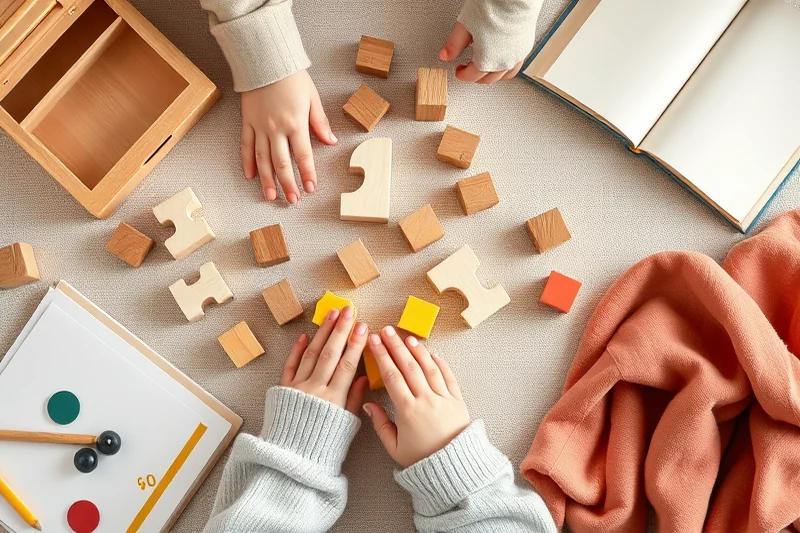
Sensory play with rice or beans has been a staple in our house for years. I once filled a large bin with rice and let my toddler dig through it, finding hidden toys and shapes. It was messy, but the look on her face when she found a small plastic dinosaur was worth every drop of rice on the floor.
The beauty of this game is that it can be adapted in countless ways. I’ve used different colored rice for sorting, added scoops and cups for measuring, and even turned it into a scavenger hunt by hiding small toys in the rice. It’s also a great way to introduce counting and color recognition in a fun, hands-on way.
One thing to note is that cleanup can be a bit time-consuming, but I’ve found that using a vacuum or a wet cloth makes it much easier. This activity is also great for quiet time, as it allows toddlers to focus on the tactile experience of playing with the rice.
Pretend Play: Building a Tiny World in Your Living Room
Pretend play has been one of the most rewarding aspects of raising my toddler. I’ve used a blanket as a tent, a cardboard box as a house, and even a set of cups as a kitchen. My toddler loves pretending to be a chef, a doctor, or even a superhero — and it’s amazing to watch her create her own little world.
I’ve found that the best pretend play doesn’t require expensive toys. A few simple props — like a toy phone, a blanket, or a few blocks — can spark hours of imaginative play. The key is to let your toddler take the lead and build the story as she goes.
One of the biggest benefits I’ve noticed is how much this type of play helps with language development. My toddler started using more words and sentences as she played, and it was incredibly rewarding to see her creativity flourish.
⭐ Classic
The original version with uncooked rice and dried beans for a tactile sensory experience.
💰 Budget
Use items you already have at home — like pasta, cereal, or even sand — to make the game more affordable.
⚡ Extra-Fast
Skip the food coloring and use pre-colored rice or beans for a quicker setup.
✨ Depth
Add small toys, shapes, or letters for an added layer of learning and discovery.
🥗 Light
Use dried pasta or couscous for a lighter, easier-to-clean sensory bin.
| The mistake | Why it happens | The fix |
|---|---|---|
| Using too many materials at once | This can overwhelm toddlers and make the game less effective. | Start with one or two materials and gradually introduce more as your toddler becomes more comfortable. |
| Setting up a game that’s too complex | Toddlers may become frustrated and disinterested if the game is too complicated or has too many rules. | Keep the setup simple and let your toddler take the lead in the game. |
| Not cleaning up after the game | This can lead to safety hazards and make the space feel cluttered. | Always clean up after playing, even if it takes a little extra time. |
| Ignoring the child’s interest level | Toddlers may lose interest quickly if the game doesn’t match their current interests. | Observe your toddler and choose games that align with their current interests and developmental stage. |
| Not allowing for creativity | Toddlers thrive on creative play, and limiting their options can stifle imagination. | Encourage your toddler to take the lead and make decisions about how they want to play. |
What You'll Need tap to check off
- 1 lb uncooked rice
- ½ cup dried beans
- food coloring (optional)
Method tap a step when done
- Measure out 1 pound of uncooked rice and ½ cup of dried beans.
- Place both ingredients in a large bin or container.
- Add food coloring if desired and mix thoroughly to ensure even color distribution.
- Let the mixture rest for at least 1 hour to allow the colors to fully develop.
- Store the sensory bin in a cool, dry place until ready to use.
- When playing, use small scoops, cups, and containers to sort and explore the rice and beans.
Key Facts
Beginner Fun Games To Play With Toddlers Indoors
Common Questions
How long do these games typically last with toddlers?
Are these games safe for young children?
What if I don’t have the materials listed in the recipe?
Can I do these games with more than one child?
References
- PDF Let s Talk, Read and Sing about STEM! Tips for Infant/Toddler Teachers ... (acf.gov)
- Brain-Building Through Play: Activities for Infants, Toddlers, and ... (developingchild.harvard.edu)
Cite this guide
PlayMessy (2026). Beginner Fun Games To Play With Toddlers Indoors. https://playmessy.com/beginner-fun-games-to-play-with-toddlers-indoors/
Feel free to cite or share this guide.