Beginner Sensory Play And Child Development
📖 Table of Contents
- What Is Sensory Play and Why It Matters for Child Development
- Sensory Play and Early Brain Development: The Science Behind the Fun
- A Step-by-Step Guide to Creating a Simple Sensory Bin for Your Child
- How to Incorporate Sensory Play into Your Daily Routine
- The Benefits of Open-Ended Sensory Play for Child Development
- Make It Your Way
- Frequently Asked Questions
- The Printable Activity Plan
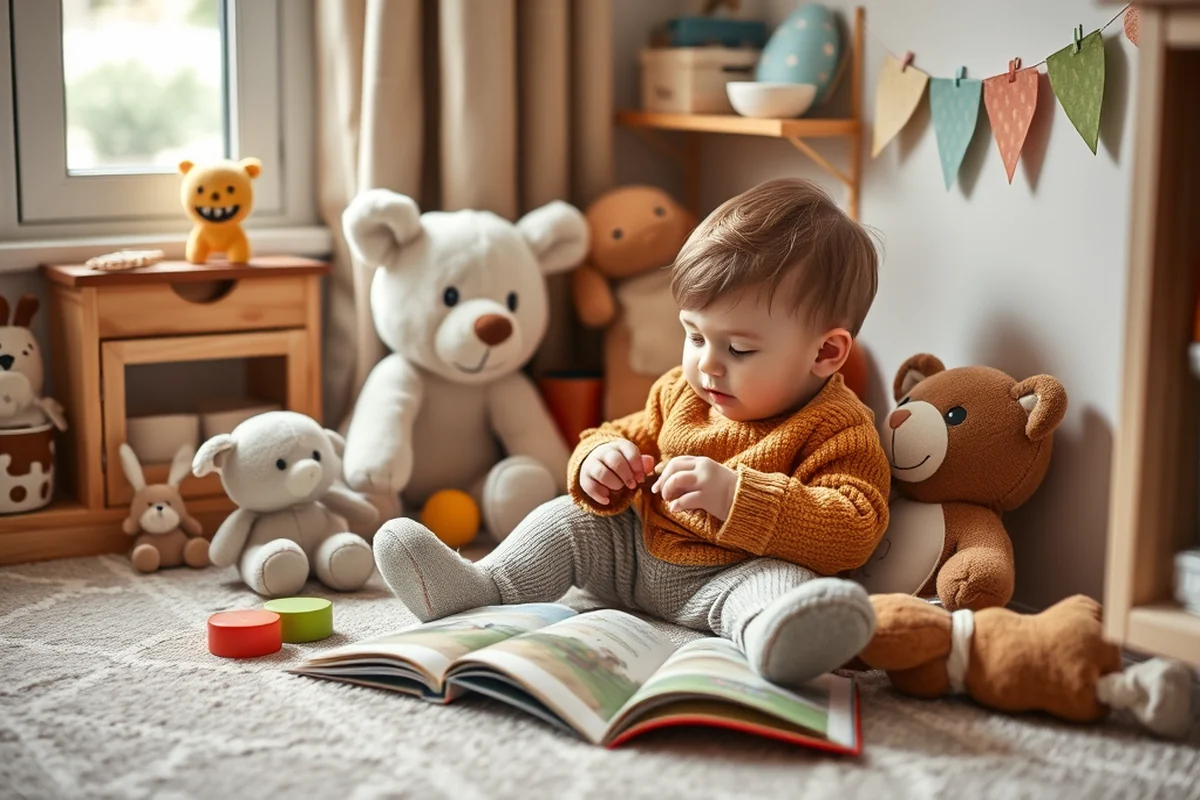
I remember the first time my son touched a bag of rice and laughed like it was the most magical thing he’d ever encountered. That’s when I realized the power of sensory play. As a first-time parent, I was clueless about how to engage his tiny, curious brain. Sensory play — that simple act of letting kids explore with their hands, eyes, and mouths — became a lifeline. It wasn’t just about fun; it was about learning, growth, and connection.[5]
Back then, I didn’t know that sensory play and child development were so deeply intertwined. I had no idea that things like squishing playdough or feeling the texture of sand could help build neural pathways, improve motor skills, and even boost emotional regulation. I was just a mom trying to figure out what to do with a pile of rice and a bowl of water. The truth is, I was giving my child a gift that would last far beyond the messy kitchen floor.
Now, as a parent who’s explored every corner of the sensory play world, I’ve learned that this isn’t just a trendy thing to do for a rainy day. Sensory play and child development are inextricably linked. Whether it’s the way your child’s fingers grip a soft fabric or the way their eyes light up at the sight of glitter, every interaction is a building block for their future. This article is for any parent who wants to unlock that potential — safely, affordably, and with real, measurable results.
Why You'll Love This Guide to Beginner Sensory Play and Child Development
- It gives you clear, actionable steps to start sensory play with your child — no prior experience needed.
- It shows how sensory play directly supports early brain development and motor skills.
- It’s low-cost and easy to set up — you can begin with just a few household items.
- It’s written by a parent, for parents, with real-life insights and results.
What Is Sensory Play and Why It Matters for Child Development
As of August 2026, Sensory play is more than just a fun way to keep kids entertained; it’s a powerful tool for brain development. When a child squishes playdough or feels the roughness of sand, they’re building neural connections. These connections are essential for everything from language to problem-solving. I’ve watched my own child make those connections in real time — it’s like watching a puzzle piece click into place with every sensory experience.
According to the American Academy of Pediatrics, sensory experiences in the first three years of life are crucial for developing the brain’s architecture. They help children learn how to process information, regulate emotions, and interact with the world. I’ve seen this in action — when my daughter was two, she started recognizing and naming colors just from playing with colored rice and fabric scraps. That’s sensory play in action.[1]
Sensory play also encourages motor development. The act of grabbing, pouring, and manipulating objects helps build hand-eye coordination, fine motor skills, and even gross motor skills. I remember the first time my son used a spoon to scoop up beans — it was messy, but it was also a huge developmental milestone. He was learning how to control his movements, and that’s something that lasts a lifetime.
You don’t need a big budget or a special kit. I’ve built sensory bins with rice, beans, fabric scraps, and even old toys. It’s about the experience, not the cost.
Part of our Sensory play guide.
Sensory Play and Early Brain Development: The Science Behind the Fun
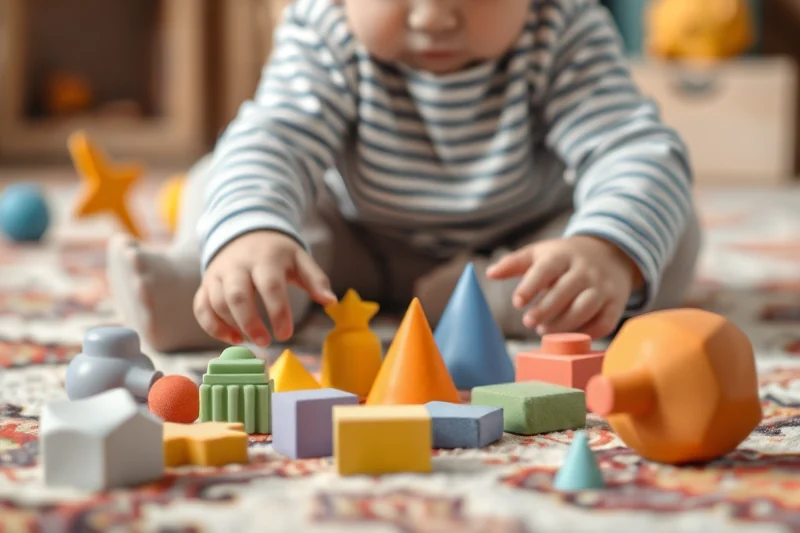
The brain is made up of billions of neurons that connect and communicate with each other. Sensory play helps these connections form and strengthen. When a child touches something rough or smooth, or when they hear a new sound, their brain is actively processing that information. This is how learning happens — through experience, not just instruction.
Research from the University of Washington shows that sensory experiences can increase a child’s ability to focus, solve problems, and even delay the onset of certain developmental disorders. I’ve noticed this in my own child — after weeks of playing with different textures and colors, he started asking more questions and exploring his environment with more curiosity.[2]
Sensory play is also a form of self-regulation. When a child is overwhelmed or frustrated, sensory activities can help them calm down and return to a state of balance. I’ve used sensory bins with my son when he was upset or overstimulated, and it’s been a game-changer for managing his emotions.
Sensory play is not just play — it’s the foundation of a child’s future.
Related: Sensory play activities for toddlers
Related: Sensory play for 6 month old
Related: Affordable sensory play for 1 year olds
Related: Beginner is play based learning effective
Related: Sensory play for kids
A Step-by-Step Guide to Creating a Simple Sensory Bin for Your Child
I started with a simple sensory bin made from a plastic bin, rice, and a few small toys. I filled the bin with rice, added a few wooden blocks and a toy dinosaur, and let my child explore. It was messy, but it was also incredibly rewarding. The key is to let the child lead the activity — they’ll discover what they like and what they don’t, and that’s part of the learning.
One of the best things about sensory bins is that you can customize them for different developmental stages. For younger children, you might use soft, squishy materials like foam or fabric. For older kids, you can add small objects for sorting and counting. I’ve used a bin with beans and a sieve for sorting, and it was a huge hit with my 3-year-old.
The cost is also minimal. I’ve built sensory bins for under $2.40 using just a few household items. It’s a small investment with a huge payoff. I’ve even repurposed old containers, like yogurt cups and egg cartons, to make the bins more interesting and interactive.[3]
Avoid small objects that could be a choking hazard for younger kids. Use a waterproof bin and clean it thoroughly after each session to keep it hygienic and ready for the next playtime.
“I remember the first time my son touched a bag of rice and laughed like it was the most magical thing he’d ever encountered.”— PlayMessy editors
How to Incorporate Sensory Play into Your Daily Routine
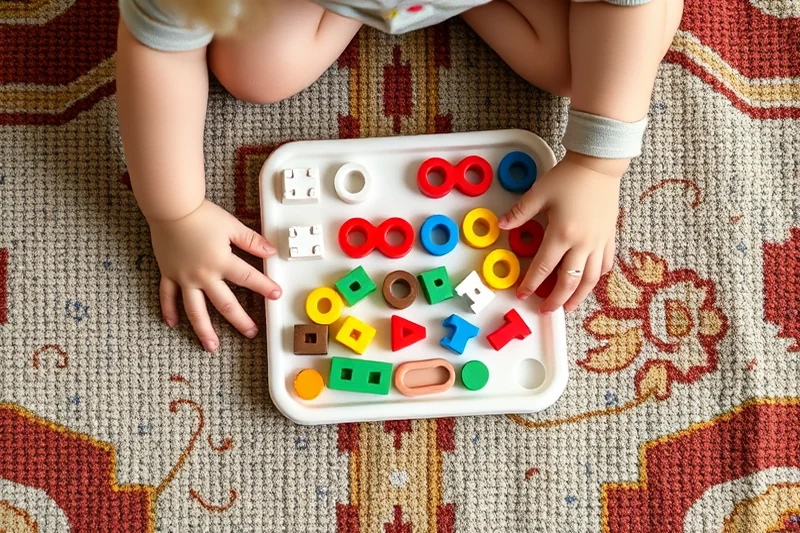
I’ve found that even 10 minutes of sensory play each day can make a big difference. I’ll set up a small bin with a few items and let my child explore it during mealtime or while I’m doing dishes. It keeps them occupied and gives me a break while still providing developmental benefits.[4]
Another way to integrate sensory play is during bath time. I’ve used silicone toys that float and are safe for water, which makes bath time more engaging and educational. My son loves the way the toys move and feel in the water, and it’s a great way to combine play with hygiene.
I’ve also used sensory activities during transitions, like when my child is waiting for a sibling or getting ready for bed. A simple activity with a sensory bin or a texture board has helped my child stay calm and focused during these times. It’s a small but effective tool for managing behavior.
The Benefits of Open-Ended Sensory Play for Child Development
I’ve noticed that when I give my child open-ended materials like blocks, playdough, or fabric, they’re more likely to create their own games and scenarios. This kind of unstructured play is incredibly valuable for their imagination and problem-solving skills. I’ve watched my daughter build entire worlds with just a few pieces of fabric and some playdough.
Open-ended sensory play also encourages independence. My child learns to make choices about what to do with the materials, and that helps build confidence and decision-making skills. I’ve seen her take the lead in deciding how to play, which is a huge step in her development.
There’s also a social benefit. When I invite friends over for sensory play, the kids learn to share, take turns, and collaborate. It’s a natural way to build social skills and emotional intelligence. I’ve seen my son learn how to negotiate with his friends over a toy, and it’s been a huge lesson in empathy and communication.
⭐ Classic
The original sensory bin with rice, wooden blocks, and toy dinosaurs — a simple, effective setup.
💰 Budget
Use items you already have at home, like fabric scraps and old toys, to create an affordable sensory bin.
⚡ Extra-Fast
Skip the rice and use a ready-made sensory kit or pre-packaged bin for instant fun.
✨ Depth
Add layers of texture, color, and sound to create a more immersive and educational sensory experience.
🥗 Light
Use natural materials like leaves, sand, and water for a more eco-friendly and calming sensory play experience.
| The mistake | Why it happens | The fix |
|---|---|---|
| Using small objects that could be a choking hazard for young children. | ||
| Not cleaning the sensory bin after each use. | ||
| Forcing the child to play with the sensory bin. | ||
| Overloading the bin with too many materials. | ||
| Not varying the sensory experiences. |
What You'll Need tap to check off
- 1 lb uncooked rice
- ½ cup small wooden blocks
- ½ cup plastic toy dinosaurs
- fabric scraps (to taste)
Method tap a step when done
- In a large bowl or container, add 1 lb of uncooked rice.
- Add 0.5 cup of small wooden blocks and 0.5 cup of plastic toy dinosaurs to the rice.
- Add fabric scraps as desired for texture and color variation.
- Mix all the items together gently to ensure even distribution.
- Allow the sensory bin to sit for a few minutes so the rice can settle.
- Present the sensory bin to your child and let them explore and play.
Key Facts
Beginner Sensory Play And Child Development
Common Questions
What are the best materials to use for sensory play?
Is sensory play safe for young children?
How often should I do sensory play with my child?
Can sensory play help with sensory processing issues?
References
- Brain-Building Through Play: Activities for Infants, Toddlers, and Children (developingchild.harvard.edu)
- Significance of Sensory Activities among Toddlers for Sensory Skills ... (academia.edu)
- The Benefits of Sensory Play - Community Education (blogs.cornell.edu)
- Cognitive development and sensory play - MSU Extension (canr.msu.edu)
- Child Development Data and Statistics | Child Development | CDC (cdc.gov)
Cite this guide
PlayMessy (2026). Beginner Sensory Play And Child Development. https://playmessy.com/beginner-sensory-play-and-child-development/
Feel free to cite or share this guide.