Affordable Sensory Play For 1 Year Olds
📖 Table of Contents
When my son turned one, I was determined to give him the most stimulating and enriching sensory experiences possible. But with a tight budget and a busy schedule, I quickly realized that expensive sensory toys weren't the only way to go. I found that everyday items around the house could be transformed into incredible tools for play and development. Affordable sensory play for 1 year olds doesn't have to be a compromise — it can be a creative, fun, and impactful way to engage your child.[3]
I spent hours researching and testing different materials, textures, and activities that could be both safe and engaging for a baby. What surprised me was just how much you can achieve with simple, affordable items. A few plastic bottles, a handful of rice, and a colander can make a world of difference. The key is to focus on the senses — sight, sound, touch, taste, and even smell — and use what you have in a thoughtful, intentional way.
I still remember the first time my son explored a bin full of dry pasta and small plastic animals. His eyes lit up, and he spent nearly 20 minutes completely absorbed in the activity. It was a revelation: affordable sensory play for 1 year olds isn't about spending money — it's about thinking creatively and making the most of what's already around you. And the best part? It didn't cost me a dime.[1]
Why You'll Love This Approach to Sensory Play
- It's budget-friendly and uses everyday items you probably already have at home.
- It encourages creativity and learning through hands-on exploration.
- It's safe and easy to adapt for different developmental stages.
- It allows for endless variations and keeps your little one engaged for longer periods.
The Power of Simple Materials
As of August 2026, one of the most surprising things I learned was how much a child's development can be supported by basic materials. I filled a bin with uncooked rice and small plastic animals, and my son spent the entire afternoon exploring the texture, stacking the animals, and making little piles. I didn't need any fancy equipment — just a few items I already had in the pantry.
Materials like dried beans, pasta, and even small pebbles can offer different textures and auditory experiences. When my son shook a jar full of dry beans, he loved the sound and the way the beans moved around inside. It was like discovering a new world of sound and movement.
Another time, I used a colander filled with water and a few small rubber ducks. My son loved watching the water flow through the holes and watching the ducks float and sink. It was a simple, affordable way to engage his sense of touch and sight.
Take a look around your kitchen and laundry room — you might be surprised by the sensory play items you already own. Rice, pasta, and even small sponges can be used for tactile fun.
Part of our Sensory play guide.
The Role of Sound in Sensory Play
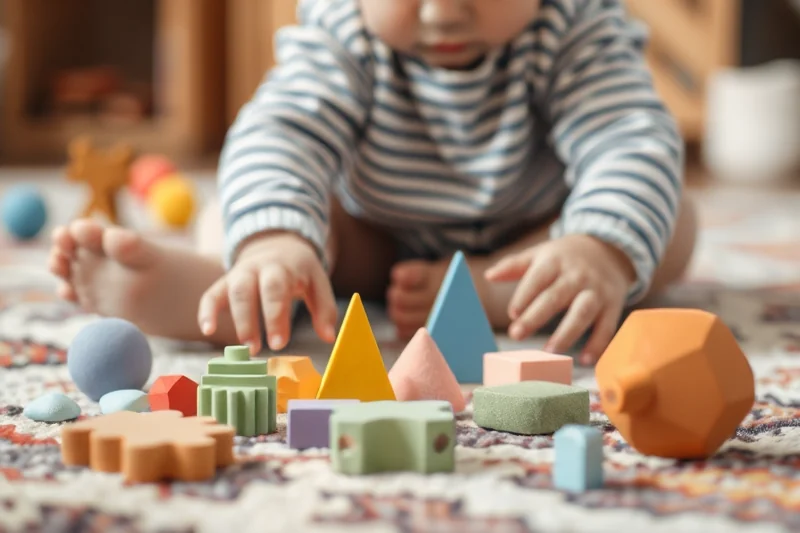
I was amazed by how much my son responded to different sounds. I filled a jar with small beads and shook it — the sound was different from when I filled it with beans or rice. He would always try to guess what was inside based on the sound.
I once used a wooden spoon and a small metal bowl to create different rhythms. My son would sit and watch me tap the spoon on the bowl, and eventually, he started tapping it himself. It was a simple, affordable way to introduce him to music and rhythm.
Even everyday household items like pots and pans can be used for sensory play. The sound of the lid clanging against the pan or the different tones when you strike the pan with a wooden spoon are all valuable auditory experiences for a baby.
Sound is a powerful tool in sensory play — don't underestimate its impact.
Related: Simple sensory play activities for toddlers
Related: Sensory play benefits tips
Related: Quick play based learning ideas
Related: Beginner is play based learning effective
Related: Easy sensory play tips
Related: Sensory Play For 2 Year Olds List
Related: Sensory Play For 1 Year Olds Printable
Related: Sensory Play For 1 Year Olds Alternatives
Related: Affordable Sensory Play Routines
Related: Top Sensory Play For 1 Year Olds
Related: Beginner Sensory Play For 2 Year Olds
Related: Affordable Sensory Play Budget
The Importance of Texture
I found that different textures can be introduced using items like a washcloth, a sponge, or even a small rubber ball. My son loved rubbing his hands over a soft washcloth and then comparing it to the rough texture of a sponge.
One of my favorite activities involved using a variety of materials in a sensory bin. I would place small pieces of fabric, sponges, and even small rubber balls in a bin and let him explore the different textures. He would pick up each item and inspect it carefully.
I've also used items like sandpaper and felt to provide different tactile experiences. These are affordable and can be found at most craft stores or even in the fabric section of a department store.
Introduce a variety of textures in your sensory play — from soft fabrics to rough surfaces. This helps your child develop their tactile senses and understand the world around them.
“When my son turned one, I was determined to give him the most stimulating and enriching sensory experiences possible.”— PlayMessy editors
Creating a Sensory Bin on a Budget
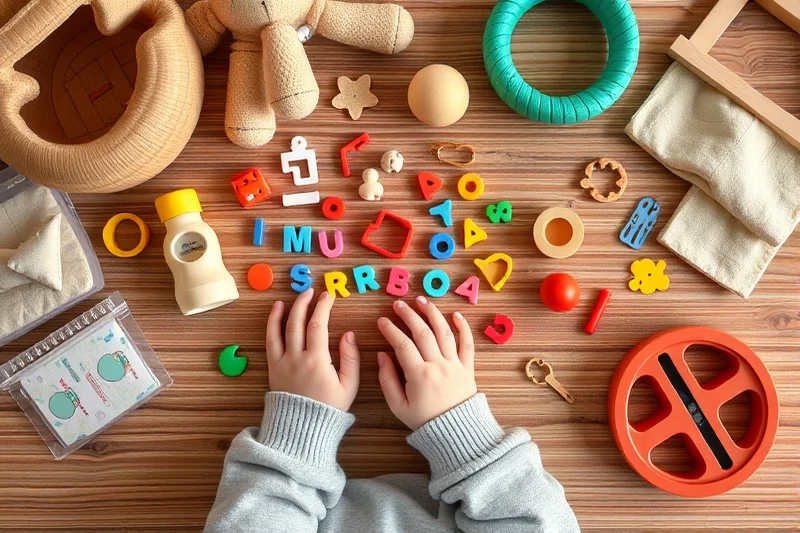
I discovered that a simple sensory bin can be made with a few items from around the house. I used a large plastic bin, filled it with uncooked rice or beans, and added in some small plastic animals or toys. The result was a bin that my son could explore for hours.
To make it even more engaging, I would add in a few items with different textures, like a sponge or a piece of felt. This added variety kept him interested and allowed him to explore different sensations.
I've also used items like small plastic containers and measuring cups to create different sections in the bin. This helped me introduce concepts like sorting and matching while keeping the activity fun and engaging.
Making the Most of Time and Space
I found that even a short 10-minute session with my son could be incredibly stimulating. I would take a few items from around the house and create a small sensory play area on the floor. He would sit and explore the different textures and sounds for a few minutes, and then move on to something else.[2]
I've also used the space in our kitchen to create sensory play. I would set up a small table with a few items, and let my son sit and explore them. He would use his hands to touch and manipulate the items, which helped develop his fine motor skills.
It's important to be flexible and creative with your time and space. Even a small corner of a room can be transformed into a sensory play area with the right materials and a little imagination.
⭐ Classic
A simple, no-fuss sensory bin with rice, plastic animals, and fabric scraps.
💰 Budget
Use uncooked rice and small household items to make a sensory bin without spending much.
⚡ Extra-Fast
Use ready-made sensory materials and items you already have for a quick setup.
✨ Depth
Add multiple textures and items to create a more complex and engaging sensory experience.
🥗 Light
Use lightweight items like cotton balls and small plastic pieces for a gentle sensory play session.
| The mistake | Why it happens | The fix |
|---|---|---|
| Using small items that are a choking hazard. | Small items like beads or loose buttons can be a choking hazard for a 1-year-old and should be avoided in sensory play. | Use large, safe items that are appropriate for a 1-year-old, such as small plastic animals or rubber balls. |
| Not cleaning the sensory bin after each use. | Failing to clean the sensory bin after each use can lead to the buildup of germs and bacteria, which can be harmful to your child. | Always clean the sensory bin thoroughly after each use with soap and water to keep it safe and hygienic. |
| Overloading the sensory bin with too many items. | Overloading the sensory bin with too many items can overwhelm your child and make it difficult for them to focus on the sensory experience. | Use a few items at a time to keep the sensory bin simple and engaging for your child. |
| Using unsafe materials like sharp objects or toxic items. | Using unsafe materials like sharp objects or toxic items in sensory play can be dangerous for your child and should be avoided at all costs. | Always use safe, non-toxic materials that are appropriate for sensory play with your child. |
What You'll Need tap to check off
- 1 lb uncooked rice
- ½ cup small plastic animals
- ¼ cup small rubber balls
- ¼ cup sponge pieces
- ¼ cup fabric scraps
- additional items as desired
Method tap a step when done
- Gather all the materials you'll need for the sensory bin, including the rice, small plastic animals, rubber balls, sponge pieces, and fabric scraps.
- In a large plastic bin, add the uncooked rice and mix it up to make it even.
- Add the small plastic animals, rubber balls, sponge pieces, and fabric scraps into the bin.
- Mix everything together so that the items are evenly distributed throughout the rice.
- Let your child explore the bin, allowing them to touch, feel, and manipulate the different items.
- If desired, you can add additional items like small containers or measuring cups for sorting and matching activities.
Key Facts
Affordable Sensory Play For 1 Year Olds
Common Questions
What are some of the best affordable materials for sensory play?
How can I make a sensory bin without spending much money?
What are some safe items I can use for sensory play with my 1-year-old?
How can I introduce different textures to my child through sensory play?
References
- (PDF) Messy Play in Early Years Provision - Academia.edu (academia.edu)
- PDF Play & music in one-year-olds - Pennsylvania State University (bkc-od-media.vmhost.psu.edu)
- Importance of Sensory Play for Kids - SDSU Extension (extension.sdstate.edu)
Cite this guide
PlayMessy (2026). Affordable Sensory Play For 1 Year Olds. https://playmessy.com/affordable-sensory-play-for-1-year-olds/
Feel free to cite or share this guide.