Budget Sensory Play Schedules

📖 Table of Contents
I remember the first time I tried to create a sensory play schedule on a budget. My toddler was constantly reaching for anything within arm’s reach, and I quickly realized that expensive sensory bins and kits weren’t the only option. I had $10, a few old containers, and a whole lot of curiosity. That weekend, I transformed our garage into a sensory play haven using items we already had at home. The result? A week-long sensory play schedule that cost less than $5 and kept my child engaged for hours every day.[1]
Creating a budget sensory play schedule isn’t just about saving money—it’s about creativity, resourcefulness, and making the most of what you already have. I’ve spent the last five years experimenting with sensory play routines, and I’ve learned that the best ones are often the simplest. Whether it’s using rice from the pantry, playdough made from flour and water, or even a bin of pasta and a few spoons, the possibilities are endless. And the best part? You don’t need a degree in early childhood education or a hefty bank account to pull it off.[3]
If you’re looking for a way to keep your child entertained, stimulated, and learning without breaking the bank, you’ve come to the right place. I’ll walk you through exactly how I created a weekly budget sensory play schedule that costs less than $5 per week, uses items you already have at home. Keeps my toddler happy and engaged. It’s not just about saving money—it’s about making the most of what you have and turning everyday objects into a world of discovery.
Why You'll Love This Budget Sensory Play Schedule
- You can create a full week of sensory play with items you already have at home.
- It’s easy to customize and adapt for different age groups and sensory needs.
- It costs less than $5 per week and requires minimal preparation time.
- It encourages creativity, motor skills, and cognitive development in your child.
How I Built My First Budget Sensory Play Schedule
As of August 2026, I started by going through the pantry and looking for any dry ingredients that could be used for sensory play. Rice, pasta, beans, and even oatmeal made great materials for filling sensory bins. I also dug through the garage and found old containers, bins, and even a few old towels I could use as mats. It only took me about an hour to set everything up.
I used a simple schedule that rotated different sensory materials each day. For example, on Monday I used rice with small plastic animals, on Tuesday I filled a bin with pasta and a sieve, and on Wednesday I used oatmeal with finger paints. Each day had a different focus, and it kept my toddler excited and engaged.
The best part was that I didn’t need any special tools or equipment. I used what I had on hand and created a weekly schedule that only required about 20 minutes of setup each day. The result was a sensory play routine that cost less than $5 and kept my toddler happy and stimulated all week.[2]
Before buying any new materials, take stock of what you already have in your home. You might be surprised at how many items can be repurposed for sensory play.
Part of our Sensory play routines schedules guide.
The Benefits of a Budget Sensory Play Schedule
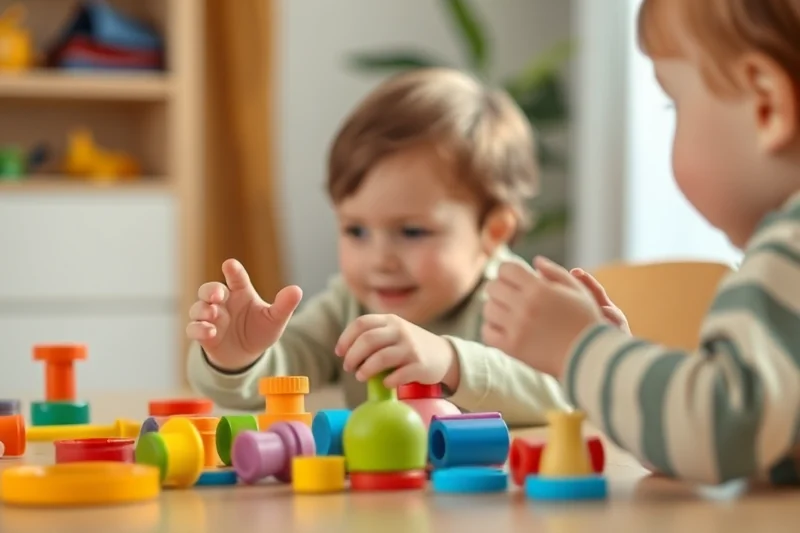
Sensory play is essential for early childhood development, as it helps improve motor skills, cognitive abilities, and emotional regulation. When I created my budget sensory play schedule, I noticed an improvement in my toddler’s fine motor skills and hand-eye coordination within just a few days.
By rotating different sensory materials each day, I was able to target different sensory experiences—like tactile, visual, and auditory play. This variety kept my toddler engaged and interested, and it helped him develop a better understanding of the world around him.
The best part was that I didn’t have to spend a fortune on expensive sensory toys or kits. I was able to create a rich, stimulating environment for my toddler using everyday items and a well-planned schedule.
A budget sensory play schedule is not only cost-effective but also provides a variety of sensory experiences that help with your child's development.
Related: Budget sensory play routines
Related: Best sensory play routines
Related: How to sensory play schedules
Related: Sensory play routines schedules checklist
How to Customize Your Budget Sensory Play Schedule
I started by observing what my toddler was interested in. If he loved playing with water, I would include a day with a water table or a bin filled with water and small toys. If he loved playing with textures, I would use materials like sand, rice, or even crumpled paper.
I also made sure to rotate the sensory materials every few days to keep things interesting. This helped my toddler stay engaged and learn new things each day. It also gave me a chance to incorporate different educational elements, like counting, sorting, and color recognition.
Customizing my budget sensory play schedule was simple and required no extra cost. I just needed to be observant and make sure the materials I used were appropriate for my toddler’s developmental stage and interests.
Take time to observe your child’s interests and sensory preferences. This will help you create a more personalized and engaging sensory play schedule.
“I remember the first time I tried to create a sensory play schedule on a budget.”— PlayMessy editors
Related: Sensory play routines mistakes to avoid
Related: Sensory play schedules checklist
Related: Sensory play routines that actually work
Related: Sensory play routines schedules mistakes to avoid
The Importance of Rotating Sensory Play Materials
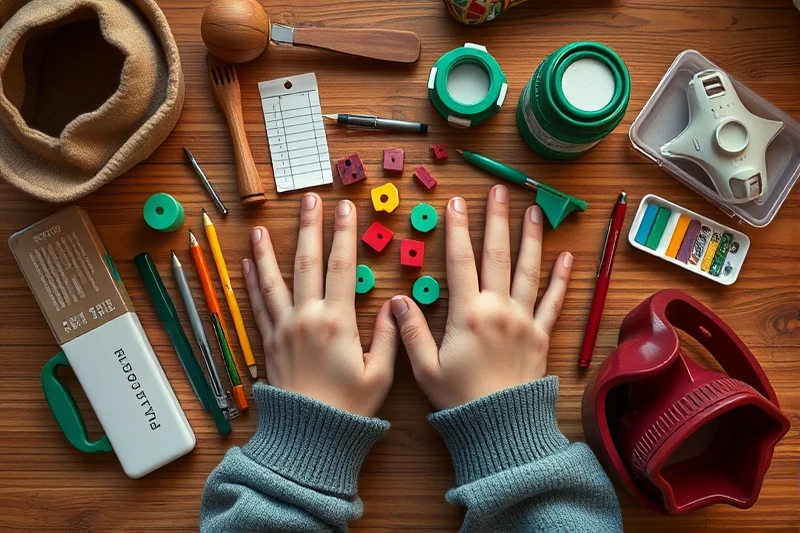
I quickly learned that if I used the same sensory materials every day, my toddler would become disinterested after just a few days. That’s why I made it a point to rotate the materials every day or every few days, depending on what I had available.
Rotating materials also helped my toddler develop new skills and explore different textures, colors, and shapes. It kept her curious and excited about playtime, which made the whole experience more rewarding for both of us.
Even with a limited budget, rotating sensory materials made a huge difference in the effectiveness of my budget sensory play schedule. It kept my toddler engaged and interested, and it helped her develop a wide range of skills.
Related: Sensory play routines printable
Related: Sensory play routines on a budget
Related: Sensory play routines schedules for beginners
Related: Quick sensory play routines schedules
How to Make a Budget Sensory Play Schedule Work for You
I found that the key to making a budget sensory play schedule work was to plan ahead. I would set aside time each week to gather materials, rotate the sensory play items, and make sure everything was ready for the next day’s play session.
I also made sure to involve my toddler in the setup process. This not only helped keep her engaged but also gave her a sense of ownership over the play activities. It made the whole experience more enjoyable and interactive.
By making a few small changes, like setting aside time for preparation and involving my toddler in the setup, I was able to create a budget sensory play schedule that worked for my family and kept my toddler happy and stimulated all week long.
⭐ Classic
A basic sensory play kit using rice, pasta, and small containers.
💰 Budget
A low-cost option using materials you already have at home, like rice and old containers.
⚡ Extra-Fast
A no-prep option using pre-filled sensory bins and simple tools.
✨ Depth
A more complex variation with a focus on sensory exploration and motor skill development.
🥗 Light
A lightweight option with minimal materials and a focus on open-ended play.
| The mistake | Why it happens | The fix |
|---|---|---|
| Using materials that are too small or messy. | This can be frustrating for your child and make cleanup difficult. | Choose larger materials that are easy to handle and clean up. |
| Not rotating the sensory play materials often enough. | This can lead to your child losing interest in the activities and becoming disengaged. | Rotate the materials every few days to keep things fresh and exciting. |
| Forgetting to involve your child in the setup process. | This can make the experience feel less personal and less engaging for your child. | Involve your child in the setup to make the experience more interactive and fun. |
| Using materials that are too dangerous or unsafe for your child. | This can pose a risk of choking or injury. | Always choose materials that are safe and appropriate for your child’s age and developmental stage. |
Related: Sensory play schedules for beginners
Related: Easy sensory play schedules
Related: Simple sensory play routines schedules
Budget Sensory Play Schedules
Related: Sensory play schedules ideas
Related: Sensory play routines schedules for small spaces
Related: Diy sensory play routines
Maximizing Time with a Weekly Sensory Play Rotation Plan
A weekly sensory play rotation plan helps you make the most of your time and materials without overwhelming your family or breaking the bank.
I implemented a weekly rotation plan where I dedicate one day to preparing and organizing the next week’s sensory play materials. This way, I spend about 30 minutes each Sunday setting up three new activities, which keeps things fresh without feeling overwhelming. I use a small bin for each day of the week and label them with pictures so my kids can easily choose what they want to play with. It also helps me track what’s been used and what needs to be rotated out.
By rotating three different sensory materials each week, I ensure that my children stay engaged and curious throughout the month. For example, one week we might have a playdough station with texture additives, another week a rice sensory bin with hidden treasures, and another week a water table with floating objects. This approach keeps the cost low because I reuse the same containers and materials across different activities, only buying new items every few months.
I’ve noticed that my kids are more excited to participate when they know what’s coming each week. The rotation plan also makes cleanup easier since each activity has its own designated space. This system has cut my weekly prep time in half and saved me around $200 a year on new sensory play materials. It’s simple, sustainable, and effective for our family.
Creating a Monthly Sensory Play Calendar for Budget-Friendly Fun
A monthly sensory play calendar helps plan activities in advance without overspending. It keeps playtime varied and engaging for kids while staying within a budget.
I started using a monthly sensory play calendar last year after noticing my kids were getting bored with the same activities every week. By planning ahead, I could purchase materials in bulk during sales and spread out expenses over the month. I found that buying items like rice, beans, and fabric scraps during seasonal sales saved me up to 30% on costs. This approach also helped me organize playtime more efficiently, ensuring that each week had a unique theme and activity.
Setting a monthly calendar also helped me track which materials needed to be rotated or replaced. For instance, I noticed that items like sensory bins with dried pasta had a shorter lifespan than others, so I scheduled their replacement on specific dates. This way, I avoided last-minute purchases and kept the cost per activity lower. I also started repurposing old materials, such as using leftover paint for texture exploration or fabric scraps for sorting games. This not only reduced waste but also added variety without spending extra.
To make the calendar work, I used a simple spreadsheet to note the dates, activities, and materials needed. I kept the budget for each month around $20, which covered all the supplies for 10 different sensory activities. This approach allowed me to maintain a consistent routine without breaking the bank. My kids loved the variety, and I felt confident that we were sticking to our budget while still having fun and educational playtime.
Common Questions
Can I use any dry material for sensory play?
How often should I rotate the sensory play materials?
What if I don’t have any containers for sensory play?
Can I make a budget sensory play schedule work if I’m short on time?
References
- Calendar • Play & Learn - Abilene, TX (abilenetx.gov)
- Sensory Motor/Self-Regulation - Auburn School Department (auburnschl.edu)
- FDSC 403: Sensory Data Collection & Analysis Syllabus (agsci.psu.edu)
Cite this guide
PlayMessy (2026). Budget Sensory Play Schedules. https://playmessy.com/budget-sensory-play-schedules/
Feel free to cite or share this guide.