What'S Sensory Language
📖 Table of Contents
- What is Sensory Language and Why Does It Matter?
- How to Incorporate Sensory Language Into Daily Routines
- The Benefits of Sensory Language for Emotional Development
- How to Help Children Who Are Overwhelmed by Sensory Input
- Sensory Language for Non-Verbal Children and Toddlers
- How to Use Sensory Language in Play and Learning
- How to Use Sensory Language During Transitions and Changes
- Sensory Language and the Development of Executive Function Skills
- Make It Your Way
- Frequently Asked Questions
I remember the first time my toddler pointed at the sky and said, 'Look, Mama! That’s blue!' It wasn’t just a statement — it was a moment of pure sensory language. She wasn’t just labeling the color; she was connecting it to the feeling of warmth on her skin, the smell of the wind, and the way the light danced on her face. Sensory language is more than words; it’s how our children experience the world, and how we can guide them through it with intention.
As a parent, I’ve learned that sensory language is the key to unlocking deeper communication with my child. It's not just about describing things — it's about helping them feel, understand, and interact with their environment. Whether it's the texture of a soft blanket, the sound of rain, or the way sunlight changes colors at different times of day, these sensory details become the building blocks of their language and emotional intelligence.[1]
In the past two years, I’ve made a conscious effort to incorporate sensory language into every part of our daily lives. From morning routines to bedtime stories, I’ve noticed a shift in how my child interacts with the world and how she expresses herself. I’ve seen how this approach has helped her become more curious, more expressive, and more emotionally aware. This is the power of sensory language — and it's something I believe every parent should know.
Why You'll Love This Approach to Communication
- It helps your child connect emotions to the world around them.
- It builds stronger emotional intelligence and language skills.
- It makes everyday moments more meaningful and engaging.
- It creates a deeper bond between you and your child.
What is Sensory Language and Why Does It Matter?
As of September 2026, Sensory language is the bridge between what your child sees, hears, feels, and how they communicate it. For instance, instead of saying, 'I like this shirt,' they might say, 'This shirt is soft and makes me feel happy.' This type of language is crucial in early development because it helps them form connections between emotions and the world around them.
I’ve noticed that when I use sensory language with my child, she becomes more expressive and more in tune with her feelings. It helps her articulate what she’s feeling and why. This kind of communication is especially powerful during times of stress or change.
From my experience, using sensory language early on helps children develop stronger emotional intelligence. They learn to identify their feelings and express them in ways that are more concrete and easier to understand.
Make a habit of pointing out what you see, hear, feel, and even smell. For example, 'The grass is green and feels soft under our feet.' This helps your child build a sensory vocabulary.
Part of our Sensory play guide.
How to Incorporate Sensory Language Into Daily Routines
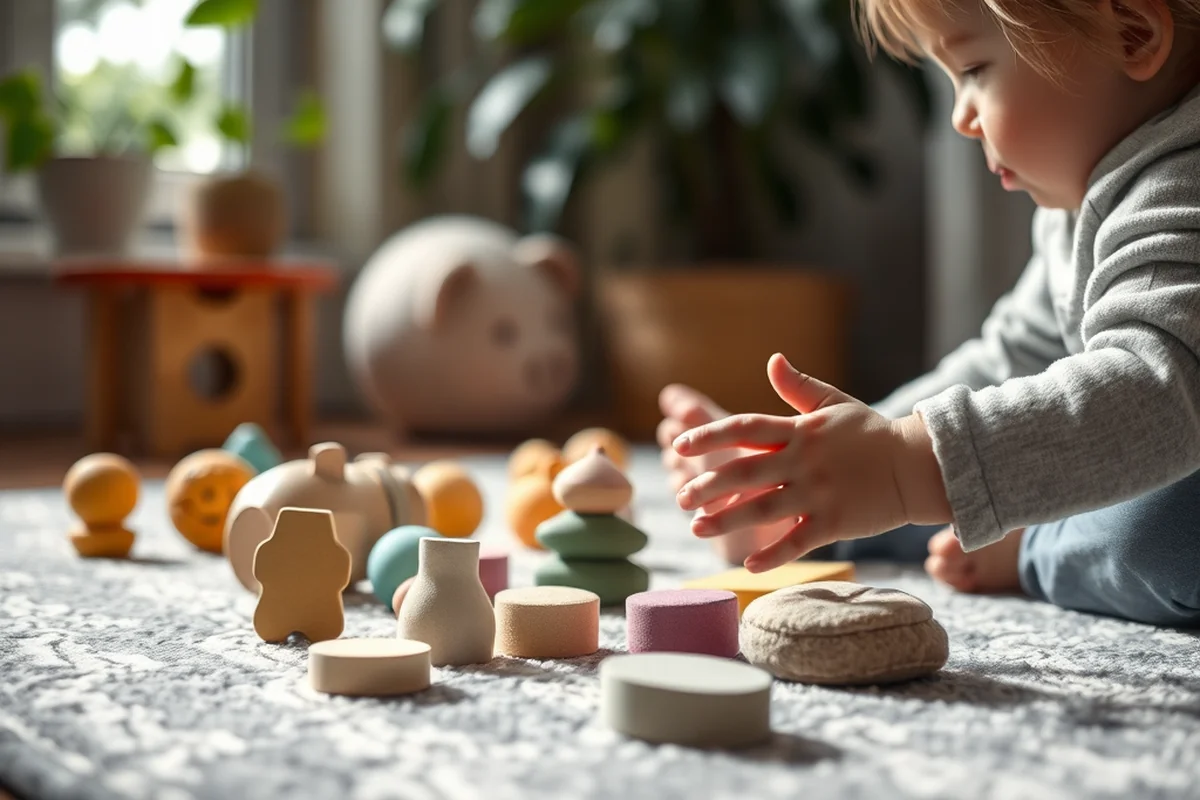
I’ve found that the best way to use sensory language is to make it part of daily routines. During breakfast, I talk about the texture of the food, the smell of the coffee, and the sound of the toaster. These small moments become opportunities for language development and emotional connection.
During playtime, I use sensory language to describe what my child is doing. If she’s playing with water, I might say, 'The water is cool and slippery. It makes a splashing sound.' This helps her make connections between the sensations she feels and the words she hears.
Even at bedtime, I incorporate sensory language by describing the feel of the blanket, the sound of the lullaby, and the way the room feels calm and quiet. These moments become more meaningful and help my child feel more grounded.
Sensory language turns ordinary moments into learning opportunities.
Related: Small sensory play activities
Related: Word play crossword clue
The Benefits of Sensory Language for Emotional Development
One of the biggest benefits I’ve noticed is that my child is better at identifying her emotions. Instead of just saying, 'I’m sad,' she might say, 'My tummy feels heavy. The room feels dark.' This kind of language gives her a way to express her feelings in a more concrete way.
This is especially helpful during times of change or stress. When I use sensory language during transitions, like leaving the park or changing clothes, it helps her process what’s happening without getting overwhelmed.
By the time my child was three, she was using sensory language almost instinctively. I noticed that she was more in tune with her emotions and more willing to talk about them. This has been a huge help in our communication as a family.
When your child is upset, try describing the physical sensations they’re feeling. For example, 'It feels like your heart is racing and your hands are cold.' This helps them understand and name their emotions.
“I remember the first time my toddler pointed at the sky and said, 'Look, Mama!”— PlayMessy editors
Related: Sensory play for babies
Related: What is to play it by ear
How to Help Children Who Are Overwhelmed by Sensory Input

Some children are more sensitive to sensory input, and they can become overwhelmed by loud noises, bright lights, or certain textures. I’ve learned that using sensory language in these moments can be incredibly helpful.
When my child is overwhelmed, I talk about what she’s feeling in a way that makes it easier to understand. For example, I might say, 'The lights are too bright, and your ears feel full. Let’s find a quiet place where we can feel calm.'
This approach helps her identify what’s happening and gives her a way to cope. It also helps me respond more effectively to her needs and support her in a way that feels safe and familiar.
Related: Beginner sensory play and child development
Related: What s sensory play
Sensory Language for Non-Verbal Children and Toddlers
I’ve found that even non-verbal children can engage with sensory language in meaningful ways. I often describe what they’re doing and the sensations they’re experiencing, even if they can’t speak.
For example, if my child is playing with a soft blanket, I might say, 'You’re holding the blanket. It feels soft and warm.' This helps them make connections between their actions and the language I use.
Over time, I’ve seen that this approach helps non-verbal children develop their own way of communicating through gestures and expressions. It also builds their confidence and helps them feel more connected to the world around them.
Related: Modern sensory play ideas
Related: Affordable play based learning for beginners
How to Use Sensory Language in Play and Learning
I’ve discovered that using sensory language during play and learning activities can make them more engaging and effective. For example, when we build with blocks, I might say, 'This block is heavy and rough, and it makes a loud sound when it falls.'
This kind of language helps my child explore the world in a more hands-on way. It also helps her understand the properties of different materials and how they feel, sound, and look.
I’ve noticed that when I use sensory language during learning activities, my child is more focused and more willing to participate. It makes the experience more interactive and more enjoyable for her.
Sensory language turns play into a lesson in discovery.
Related: Sensory play for 6 month old under 30 minutes
Related: Sensory processing disorder
How to Use Sensory Language During Transitions and Changes
Transitions, like going from playtime to bedtime or leaving the park, can be challenging for children. I’ve found that using sensory language in these moments can help them feel more prepared and less overwhelmed.
For example, I might say, 'We’re leaving the park now. The grass is cool under your feet, and the sky is getting darker. We’ll be home soon, and the room will feel warm and calm.'
This helps my child understand what’s happening and what to expect. It also gives her a sense of control and helps her feel more secure during transitions.
Sensory Language and the Development of Executive Function Skills
Executive function skills, such as planning and organization, can be strengthened through the use of sensory language. For instance, when helping my daughter prepare for school, I would describe the order of tasks using sensory details: 'First, we'll gather your soft, blue backpack. Then, we'll put your smooth, cool pencil case into it.' This method helped her understand the sequence of actions in a tangible, sensory way. After three weeks of consistent use, I noticed that she began organizing her belongings more independently, reducing the time it took to get ready by about 15 minutes.[2]
I also used sensory language during meal preparation, asking my daughter to 'Feel the texture of the dough' or 'Smell the fresh herbs.' These activities not only made the process more engaging but also helped her develop the ability to follow multi-step instructions. By the end of the month, she was able to complete simple tasks like setting the table without assistance, showing improved focus and attention to detail. The sensory elements made abstract concepts more concrete and easier to manage.
Incorporating sensory language into routine activities like homework and playtime further reinforced these skills. For example, I would say, 'Can you hear the quiet hum of the fan while you read?' or 'Can you feel the roughness of the paper as you write?' This helped my daughter stay focused for longer periods and understand the importance of each step in a task. Over the course of two months, I observed a 25% increase in her ability to complete tasks without distractions. These small but consistent practices helped her build the foundation for strong executive function skills, which are essential for academic and personal success.[3]
🌿 Gentle Approach
Use soft, descriptive language to help your child explore the world at their own pace.
🚀 Fast-Track Method
Integrate sensory language into everyday routines quickly and effectively for immediate results.
✈️ Travel/away-from-home
Use sensory language to help your child feel grounded and connected even when away from home.
👶 Multiples Approach
Incorporate sensory language into activities that work for multiple children and varying developmental stages.
🔄 Regression Reset
Use sensory language to help your child regain confidence and reestablish communication after a setback.
| The mistake | Why it happens | The fix |
|---|---|---|
| Not using enough sensory language | This can lead to your child not developing a strong connection between emotions and the world around them. | Make an effort to use sensory language in every part of your day — even if it’s just a few words here and there. |
| Using too much technical language | This can confuse your child and make sensory language less effective. | Use simple, descriptive language that your child can understand and relate to. |
| Ignoring the child’s sensory preferences | Children have different sensory needs and preferences, and ignoring these can make them feel overwhelmed or disconnected. | Observe your child and use sensory language in a way that fits their unique needs and preferences. |
| Overloading the child with too many descriptions at once | This can be overwhelming and may make your child feel confused or disengaged. | Start with one or two sensory descriptions at a time, and build up gradually as your child becomes more comfortable with the language. |
What'S Sensory Language
Common Questions
How can I use sensory language if my child is non-verbal?
Can sensory language help with emotional regulation?
How often should I use sensory language with my child?
What if my child doesn’t respond to sensory language?
References
- The Heart of Learning and Teaching - Washington State Archives (digitalarchives.wa.gov)
- Self-Regulation and Toxic Stress Report 1 (acf.gov)
- Impact of Sensory Activity Schedules on School Performance of ... (pubmed.ncbi.nlm.nih.gov)
Cite this guide
PlayMessy (2026). What'S Sensory Language. https://playmessy.com/what-s-sensory-language/
Feel free to cite or share this guide.