Diy Play Based Kindergarten Curriculum
📖 Table of Contents
- How to Set Up a Play-Based Learning Environment at Home
- The Power of Unstructured Play in Early Childhood Education
- Integrating Academic Skills Through Play-Based Activities
- Creating a Rhythm and Routine for a Play-Based Kindergarten Curriculum
- How to Measure Progress in a Play-Based Kindergarten Curriculum
- Make It Your Way
- Frequently Asked Questions
- The Printable Activity Plan
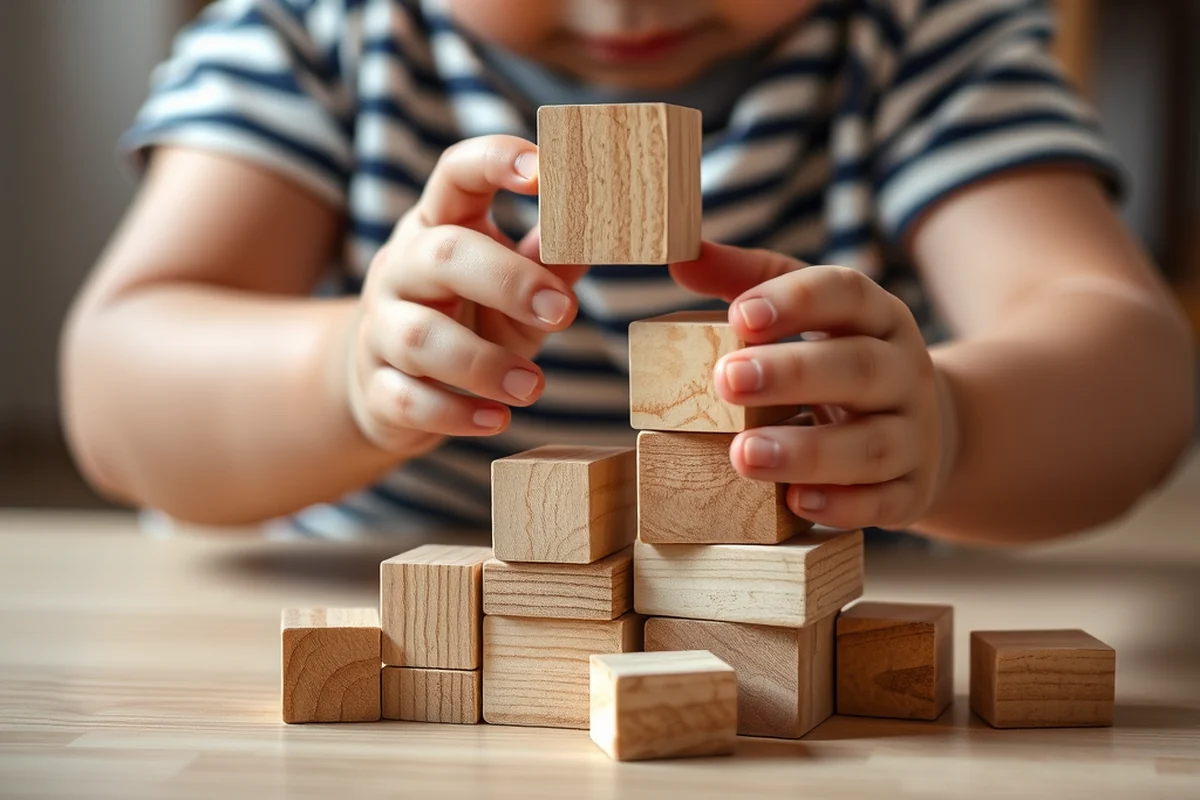
I remember the first time I watched my daughter sit cross-legged on the floor, arranging wooden blocks in a spiral and giggling as they toppled over. It wasn’t just play — it was learning, and it was happening without a single worksheet in sight. That’s what inspired me to create a DIY play-based kindergarten curriculum, one that fits our family’s rhythm and budget but still builds the foundations of early education. Unlike traditional programs, this approach doesn’t rely on flashy materials or expensive tools — it uses what we already have, and it’s tailored to our child’s interests and curiosity.[1]
For years, I worried I wasn’t giving my child the right kind of education. I felt the pressure to follow a structured path, but the more I read, the more I realized that learning through play is not only effective but also deeply engaging for young minds. This DIY curriculum isn’t just about saving money — it’s about creating a learning environment that feels like home, where my child is driven by curiosity rather than fear of tests or grades. It’s messy, it’s loud, and sometimes it’s frustrating — but it’s also real, and it’s working.[2]
So if you’re thinking about a play-based approach for your child’s early education, this is the guide I wish I’d had when I started. It’s not perfect, and it’s not meant to be — it’s a living, evolving thing that we adjust as my child grows. The key is to focus on the joy of discovery, the power of hands-on learning, and the importance of giving your child the freedom to explore. That’s the core of this DIY play-based kindergarten curriculum — and it’s what makes it so special.[3]
Why You'll Love This DIY Play-Based Kindergarten Curriculum
- It’s affordable, using everyday household items and minimal new purchases.
- It fosters creativity, critical thinking, and problem-solving through unstructured play.
- It’s flexible, allowing you to tailor activities to your child’s unique interests and developmental stage.
- It’s designed to be done in small chunks, fitting seamlessly into your family’s daily rhythm.
How to Set Up a Play-Based Learning Environment at Home
As of August 2026, I started by clearing a corner of our living room and filling it with open-ended materials — things like blocks, play dough, art supplies, and books. It’s not about making a ‘learning zone’ that feels like a classroom; it’s about creating a space that feels safe and inviting. I used secondhand materials from local thrift stores and repurposed items from our garage to keep costs low.[4]
I made sure there were no rules about how things had to be used. A piece of cardboard could be a spaceship, a drawing tool, or a building material — whatever my child wanted it to be. This flexibility is key to fostering creativity and problem-solving skills. I noticed that when I let her lead the play, she stayed engaged for much longer than when I tried to direct it.[5]
I also kept the space organized but not too structured. I used low shelves for easy access and labeled bins for sorting. This helped her learn categorization and independence. My favorite part was watching her move from one activity to another, choosing what she wanted to do without needing any prompting.
Don’t feel the need to create a perfect learning space right away. Start with a few open-ended materials and let your child lead the way. As they grow, you can add more resources and adjust the environment.
Part of our Sensory play guide.
The Power of Unstructured Play in Early Childhood Education
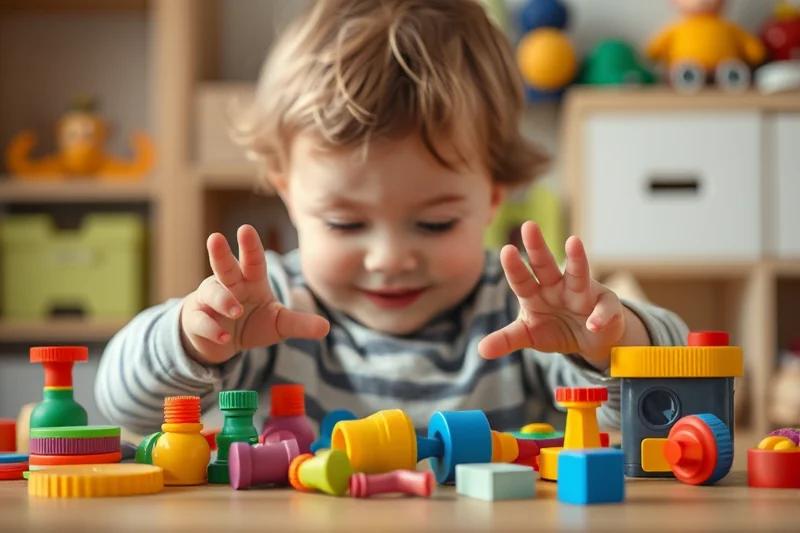
I used to think that learning required structure — a schedule, a lesson plan, clear objectives. But the more I observed my child, the more I saw how much she learned during unstructured play. Whether she was building a tower with blocks or pretending to be a chef, she was practicing counting, problem-solving, and language skills without any prompting.
Unstructured play also gives children the freedom to take risks, make mistakes, and figure things out on their own. I noticed that when I intervened too much, she lost interest quickly. But when I let her explore on her own, she stayed engaged for hours, trying different approaches and learning from her mistakes.
This kind of learning is deeply meaningful because it comes from the child’s own curiosity and interests. I’ve seen her learn to read by following the words in a picture book, or understand spatial relationships by arranging blocks in different configurations. It’s all happening naturally, without any pressure or expectation.
Unstructured play is where the magic happens — where learning becomes a joyful, self-driven process.
Related: Best sensory play for beginners
Related: Simple play based learning definition
Related: Fast play based learning
Related: Quick sensory play and child development
Related: Sensory play activities for toddlers
Related: Play Based Kindergarten Curriculum For Beginners
Related: Play Based Kindergarten Curriculum On A Budget
Related: Homemade Play Based Preschool Curriculum
Integrating Academic Skills Through Play-Based Activities
I’ve found that integrating academic skills into play is about finding natural opportunities for learning. For example, when we play with blocks, we count them together. When we draw, we practice writing letters. When we cook, we measure ingredients and talk about numbers, fractions, and shapes.
I also use books and storytelling as a way to teach literacy. We read together every day, and I encourage my child to point out letters, make sounds, and ask questions. Sometimes, she’ll even write her own stories using magnetic letters or a whiteboard. It’s amazing to see how her confidence grows when she takes ownership of the learning process.
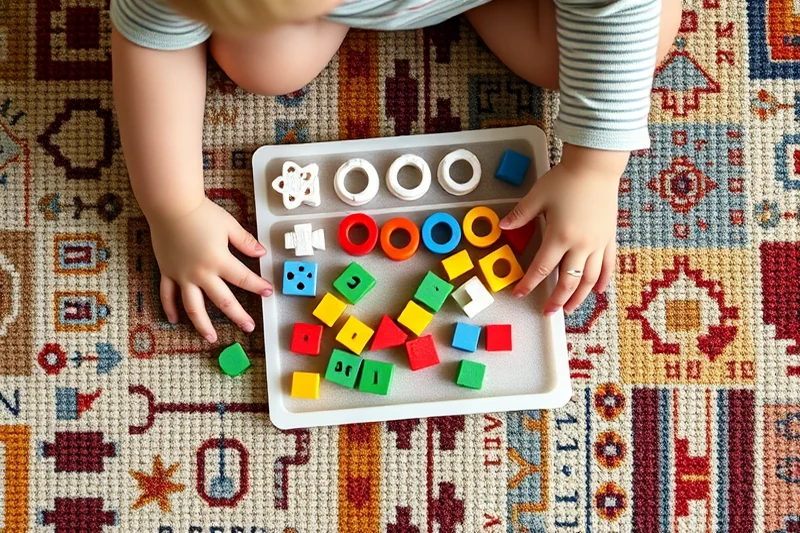
One of my favorite strategies is using play-based games to teach math concepts. For example, we play a counting game with small objects like buttons or beads. We sort them by color, count them together, and sometimes even compare quantities. It’s a simple activity, but it helps her develop number sense and basic math skills.
Integrate academic skills into play by finding natural opportunities for learning. Use books, games, and everyday activities to teach counting, reading, and writing in a fun and engaging way.
“I remember the first time I watched my daughter sit cross-legged on the floor, arranging wooden blocks in a spiral and giggling as they toppled…”— PlayMessy editors
Creating a Rhythm and Routine for a Play-Based Kindergarten Curriculum
I’ve found that having a loose daily rhythm helps my child feel more secure and focused. We don’t follow a strict schedule, but we do have a general order to our day — things like morning play, lunch, story time, and afternoon exploration. This gives her a sense of structure without being too rigid.
I also try to balance free play with more structured activities, like reading or simple games that reinforce learning. Sometimes, we’ll spend an entire day just playing, and other days we’ll have a few short learning sessions. The key is to follow my child’s lead and adjust the routine based on her needs and mood.
I’ve noticed that when we have a consistent rhythm, my child is more engaged and excited to learn. She knows what to expect and feels safe in her environment. Even on days when she’s tired or distracted, she still participates in the learning process — it just looks different than on other days.
Create a loose daily rhythm that supports learning without being too rigid. Balance free play with structured activities and adjust the routine based on your child’s needs and mood.
How to Measure Progress in a Play-Based Kindergarten Curriculum
I’ve found that the best way to measure progress is through observation and documentation. I take photos of my child’s work, write notes about her interests and abilities, and keep a journal of her learning experiences. This helps me see how she’s growing over time, even if it’s not always obvious.
I also use reflection as a tool to assess progress. At the end of each week, I sit down with my child and talk about what she learned, what she enjoyed, and what she found challenging. This helps her develop metacognitive skills — the ability to think about her own learning.
While it’s difficult to measure progress in the same way as a traditional curriculum, I’ve found that the key is to focus on the process rather than the outcome. My child is learning at her own pace, and that’s what makes this approach so valuable. I see progress not in test scores, but in her confidence, curiosity, and ability to solve problems.
Track your child’s progress through observation, documentation, and reflection. Use photos, notes, and weekly conversations to see how she’s growing over time.
⭐ Classic
The standard DIY play-based kindergarten curriculum using common materials and flexible routines.
💰 Budget
A version of the curriculum that uses secondhand materials and minimal new purchases.
⚡ Extra-Fast
A streamlined version of the curriculum that focuses on quick, high-impact activities.
✨ Depth
A more comprehensive version of the curriculum that includes detailed documentation and reflection.
🥗 Light
A minimalist version of the curriculum that focuses on the essentials of play-based learning.
| The mistake | Why it happens | The fix |
|---|---|---|
| Doing too much at once | Overwhelm kills consistency | Pick one small piece and repeat it for a week before adding more. |
| Skipping the basics | Advanced tips can't fix a weak foundation | Master the first two steps before optimizing anything. |
What You'll Need tap to check off
- 1 lb wooden blocks
- ½ cup play dough
- books to read to your child
Method tap a step when done
- Gather materials: Collect a variety of open-ended materials like wooden blocks, play dough, art supplies, and books.
- Set up a play area: Clear a space in your home and organize the materials in labeled bins for easy access.
- Introduce the materials: Let your child explore the materials and choose what she wants to play with.
- Engage in free play: Allow your child to lead the play and explore on her own. Encourage her to try different activities and ask questions.
- Document the learning: Take photos, write notes, and reflect on your child’s progress and interests.
- Adjust and refine: Use your observations to refine the play-based learning environment and activities as needed.
Key Facts
Diy Play Based Kindergarten Curriculum
Common Questions
How do I know if this curriculum is working for my child?
Can I use this curriculum if I’m not a teacher or early childhood educator?
How much time does this curriculum require each day?
Can I use this curriculum if I’m a busy parent?
References
- Benefits of Using Play-Based Learning in a Kindergarten ... (digitalcommons.hamline.edu)
- Experiences of Kindergarten Teachers Utilizing Play-based ... (files.eric.ed.gov)
- The Loss of Play-Based Learning in Kindergarten | English 251 Open Textbook | Southwest Minnesota State University (otb.smsu.edu)
- Inclusive Play-Based Learning: Approaches from Enacting Kindergarten Teachers - PMC (pmc.ncbi.nlm.nih.gov)
- 1 TEACHERS’ PERSPECTIVES AND PLAY-BASED LEARNING IN KINDERGARTEN CLASSROOMS (repository.library.northeastern.edu)
Cite this guide
PlayMessy (2026). Diy Play Based Kindergarten Curriculum. https://playmessy.com/diy-play-based-kindergarten-curriculum/
Feel free to cite or share this guide.