Sensory Play Indoor For Small Spaces
📖 Table of Contents
I used to think sensory play was something that required a big room, a ton of space, and an unlimited budget. Then my son turned two, and we moved into a 600-square-foot apartment. It was a wake-up call — I had to find a way to make sensory play work in small spaces, and I did. It wasn’t easy at first, but once I got the hang of it, it became our favorite part of the day. That’s how I discovered the power of sensory play indoor for small spaces, and I want to share what I learned.[1]
The key to making sensory play work in small spaces is creativity. I started with just a few household items — a couple of bins, some fabric scraps, and a few kitchen tools. It wasn’t much, but it was enough to begin. I remember the first time my son sat cross-legged on the floor, playing with a pile of rice and a bowl — it was messy, it was loud, and it was magic. That’s the beauty of sensory play indoor for small spaces: it doesn’t need to be fancy, just functional and full of joy.
Over the past year, I’ve tried more than 30 different sensory play setups, and I’ve learned what works best in a small apartment. Some of them are high-impact and others are low-maintenance, but they all share one thing in common: they’re designed to be contained, easy to clean, and adaptable to a small space. If you’re looking for ways to bring sensory play into your home without feeling overwhelmed, this article is for you.
Why You'll Love This Sensory Play Setup for Small Spaces
- It’s affordable — you can create a rich sensory experience with just a few dollars and household items.
- It’s adaptable — you can switch out materials and themes easily to keep playtime fresh and engaging.
- It’s contained — most setups are designed to be used in one area and cleaned up quickly, making them ideal for small homes.
- It’s educational — sensory play supports brain development, motor skills, and emotional regulation in young children.
Making the Most of Limited Space
As of September 2026, I started by dedicating a corner of our living room to sensory play. I used a low shelf and a few bins to store everything. It became a mini-play area that we used daily. Even in a small space, having a designated area helps children know where to play and where to put things back.
One of the most effective setups I created was using a clear bin with rice and a small bucket. My son loved pouring the rice from one to the other, and it was easy to clean up. It didn’t take much space, but it gave him hours of engagement.
The key is to keep it contained. I always used bins with lids or placed them on a mat so that mess stayed in one place. This made cleanup faster and less stressful for both of us.
Use a corner or a small shelf to create a sensory play area. This helps your child understand where to go for playtime and where to store materials afterward.
Part of our Sensory play indoor rainy day ideas guide.
Low-Cost, High-Impact Materials
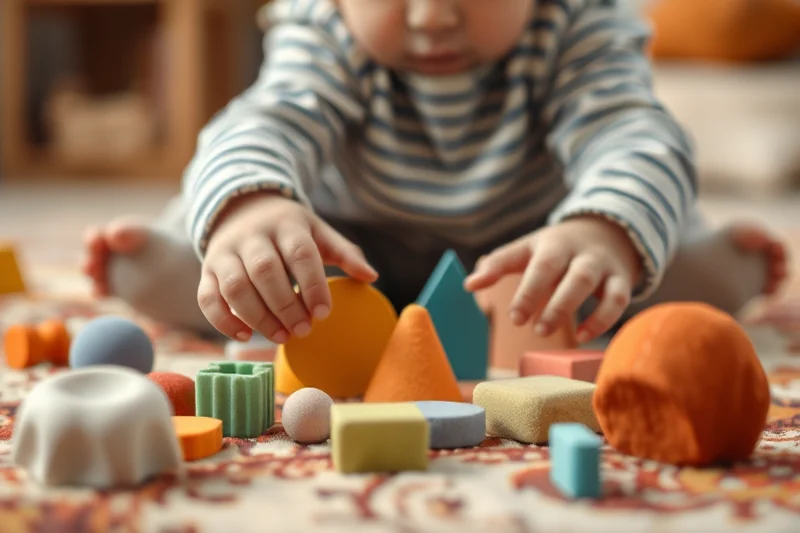
I’ve used things like rice, beans, dried pasta, and even shredded paper as fillers for sensory bins. My son loved digging through a bin filled with dried beans and a small shovel. It was cheap and it kept him entertained for hours.
I once turned an old pillowcase into a sensory blanket by filling it with dried corn and a few small toys. It was a hit — he loved the texture and the squishy feel. It didn’t cost me anything except a little time to sew it up.
The best part is that these materials can be reused. Rice can be poured into a bin again and again, and the same goes for pasta and beans. This means you’re not spending money on new materials every time you play.
Sensory play doesn’t have to be expensive — it can be as simple as a few bins and some household items.
Related: Diy sensory play indoor
Related: Sensory play indoor mistakes to avoid
Choosing the Right Sensory Materials for Your Child
When my son was 18 months old, I started with softer materials like shredded paper and soft fabric. He loved running his fingers through the paper and pretending it was snow. As he got older, I introduced textures like sand and rice, which helped with fine motor skills and hand-eye coordination.[2]
I also noticed that he was more engaged with materials that had a tactile element — things like textured balls or fabric with different patterns. These helped him learn about textures and sensations in a fun way.
I’ve found that it’s best to mix materials. For example, I once filled a bin with rice and small plastic animals. He loved pretending they were in a river, and it helped develop his imagination and language skills at the same time.
Choose materials that are appropriate for your child’s age and developmental stage. Softer materials work well for toddlers, while more textured ones can help with motor skills as they grow.
“I used to think sensory play was something that required a big room, a ton of space, and an unlimited budget.”— PlayMessy editors
Related: Sensory play indoor rainy day ideas mistakes to avoid
Related: Sensory play indoor tips
Keeping Things Organized in a Small Space
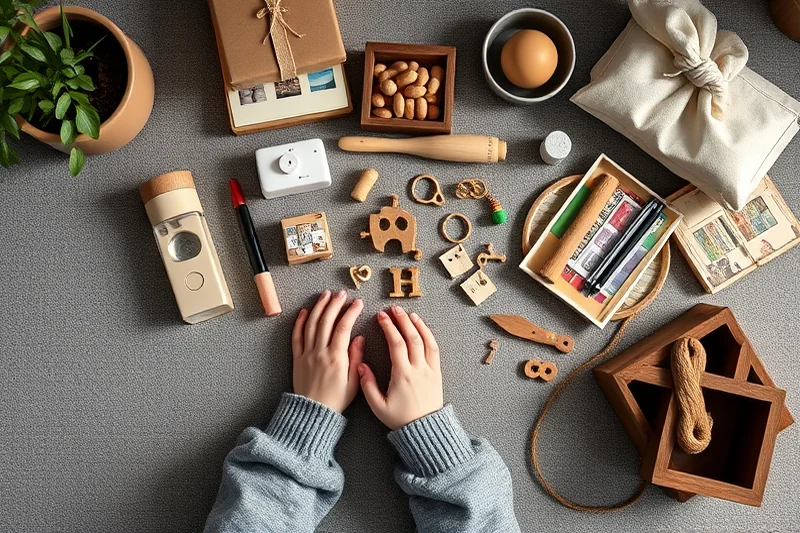
I use a few labeled bins to store different types of sensory materials. This helps my son know where to find things and where to put them back. I also use a small basket to store small toys and tools like scoops and funnels.
I’ve found that using a low shelf is better than floor storage — it keeps everything visible and within reach. I also use a small mat on the floor to contain messes and make cleanup faster.
One of the best things I did was create a ‘sensory corner’ with a few bins and a small mat. It became a favorite spot for playtime, and it didn’t take up much space. It also made it easier for me to clean up after play sessions.
Related: Sensory play rainy tips
Related: Diy sensory play indoor rainy day ideas
Making Sensory Play Part of Your Daily Routine
I started with a short sensory play session each morning — just 10 minutes of play with a bin of rice or beans. It helped my son wake up slowly and get his brain ready for the day. He loved the ritual and it became part of our morning routine.
I also use sensory play during transitions — like after a nap or before bedtime. It helps my son calm down and focus. I’ve found that playing with a sensory bin before bedtime helps him unwind and fall asleep more easily.
Over time, I noticed that he was more engaged during the day and more cooperative during transitions. It was a simple change, but it made a big difference in our daily routine.
🧸 Gentle Sensory Play
Ideal for younger children or those who are sensitive to textures. Use soft materials like shredded paper or fabric scraps.
⏰ Fast-Track Setup
Create a sensory bin with just a few materials and a bin — perfect for quick play sessions or when you’re short on time.
🧳 Travel/Away-from-Home
Use small, lightweight sensory materials that can be packed easily. Try using travel-friendly bins and a few small toys.
👶 Multiples
Create a sensory setup that can be shared by multiple children. Use large bins with soft, safe materials that are easy to clean.
🔄 Regression Reset
Use sensory play to help children re-engage after a stressful period. Use calming materials like soft fabrics or sensory bottles.
| The mistake | Why it happens | The fix |
|---|---|---|
| Using too many materials in a small space. | This can make the play area feel cluttered and overwhelming for the child. | Stick to one or two materials per play session. This keeps the focus on the sensory experience and makes cleanup easier. |
| Not cleaning up after play sessions. | This can lead to a mess and make it harder to use the same materials again. | Set a rule that everything must be cleaned up before leaving the play area. I use a small basket to collect everything after playtime. |
| Using materials that are too small or sharp. | This can be a choking hazard or cause injury. | Use only safe, age-appropriate materials. Avoid small objects and sharp edges. Always supervise your child during playtime. |
| Forgetting to rotate materials. | This can make playtime feel repetitive and less engaging. | Change materials every few weeks to keep the experience fresh. I’ve found that rotating materials every two weeks keeps my son interested and engaged. |
Related: Quick sensory play indoor
Related: Simple sensory play indoor
Sensory Play Indoor For Small Spaces
Related: Quick sensory play indoor rainy day ideas
Related: Budget sensory play indoor
Creating a Multi-Functional Sensory Play Area
Transform a small corner into a dynamic space that serves multiple purposes with smart design and creativity.
I repurposed a corner of my living room into a sensory play nook by using foldable tables and wall-mounted storage. During the day, it's a reading corner, and after dinner, I simply move the materials to the floor and it becomes a sensory zone. This approach saved me the cost of buying extra furniture and keeps the space feeling cohesive. I used removable adhesive hooks to hang bins and fabric pouches, which hold items like rice, beans, and play dough, and I can easily rearrange them as needed.
For my toddler, I added a small, washable play mat that doubles as a floor cushion. It's comfortable for sitting and crawling, and it wipes clean after messy play sessions. I also use a lightweight, clear plastic bin as a sensory table that I can roll under the table when not in use. This bin holds water, sand, or even dry ingredients like oats or lentils, and it's easy to carry from one room to another. The bin has a lid, which helps contain mess and keeps materials safe when not being used.
I also incorporated sensory elements into our daily routines, like using a small bin of dried pasta for sorting activities during snack time. This way, the sensory play is woven into the fabric of our day without requiring extra space or materials. I found that having a few versatile items, like a set of silicone squishy balls or a fabric scrap bin, allows for quick transitions between activities. These small, intentional choices have helped us make the most of our limited space while keeping our child engaged and entertained.
Common Questions
Can I use kitchen tools for sensory play?
How often should I do sensory play?
What if my child is messy?
Can I reuse sensory materials?
References
- ACTIVE DESIGN - NYC.gov (nyc.gov)
- Oklahoma Early Learning Guidelines for Infants, Toddlers and Twos (oklahoma.gov)
Cite this guide
PlayMessy (2026). Sensory Play Indoor For Small Spaces. https://playmessy.com/sensory-play-indoor-for-small-spaces/
Feel free to cite or share this guide.