Sensory Play Indoor Tips
📖 Table of Contents
I remember the first time my daughter sat cross-legged in the middle of our living room, surrounded by a blanket of soft, squishy balls, giggling as she rolled them across the floor. It was a moment of pure joy — one that didn’t require screens, toys, or even a single instruction. That was the power of sensory play, and it was happening right in our home. For parents who want to foster creativity, motor skills, and emotional regulation, sensory play indoor tips can be the key to unlocking a world of development, all while keeping kids engaged and happy. Whether you're looking for affordable, easy-to-clean options or sensory-friendly spaces for sensitive children, there’s a way to make the most of your indoor environment.
Over the past two years, I’ve tested dozens of sensory play setups in our home, from DIY slime to kinetic sand, and even sensory bins filled with dried pasta and rice. What I’ve learned is that the best sensory play doesn’t always require a big budget or a lot of space — it just requires intention, a few key materials. A willingness to get messy. I’ve found that kids as young as 18 months can benefit from structured sensory play, and the impact can be profound. It’s not just about fun — it’s about learning through touch, sight, sound, and movement, all from the comfort of your own home.
If you're a parent who’s ever wondered how to keep your child entertained for hours without the need for constant supervision, sensory play indoor tips can be your saving grace. I’ve seen the difference that a few well-chosen materials can make — not only in keeping kids occupied, but in building confidence, fine motor skills, and even emotional resilience. Whether you're dealing with a toddler who’s overly fussy or an older child who’s just not interested in traditional play, sensory play offers a flexible, adaptable solution that’s worth exploring. Let’s explore some of the most effective and easy-to-implement tips for making the most of sensory play indoors.
Why You'll Love This Indoor Sensory Play Guide
- No need for expensive equipment — most materials can be found at home or purchased affordably.
- Easy to clean and store, even in small spaces.
- Supports a wide range of developmental skills, from motor control to emotional regulation.
- Flexible enough to work with different ages and needs, even during sensory processing challenges.
The Magic of Tactile Exploration
As of August 2026, when I first tried using a sensory bin filled with dried beans and soft fabric, I was amazed at how quickly my daughter’s attention shifted from her usual toys. She would roll the beans with her fingers, press them into the fabric, and even try to lift the fabric with her hands — all without a single instruction from me. This kind of unstructured exploration can be incredibly powerful for young children. It encourages them to use their hands, eyes, and even their mouths (in safe ways) to explore the world around them. This kind of sensory play doesn’t need to be complicated — it just needs to be available.
I found that using materials like soft foam, crinkly paper, and squishy balls helped my daughter develop a better understanding of texture and sound. She would laugh every time she crumpled the paper, and it became a favorite activity. These experiences not only build motor skills, but also help kids learn about cause and effect. When I saw her trying to reach for a crinkly paper ball from the other side of the room, I knew that her sensory play was doing more than just keeping her entertained — it was building confidence and curiosity.[1]
One of the most surprising benefits I noticed was the way it helped my daughter regulate her emotions. When she was feeling particularly overwhelmed, she would sit with her sensory bin and play with the items inside. The repetitive motion of squishing the foam or pressing the fabric became a kind of self-soothing technique. It’s amazing how much a few simple materials can help a child feel more in control of their environment.
Fill a small bin with crinkly paper and let your child roll, squish, and crumple it. This is a great way to encourage fine motor skills and sensory exploration. You can also add soft fabric or foam balls for added texture.
Part of our Sensory play indoor rainy day ideas guide.
The Power of Color and Light
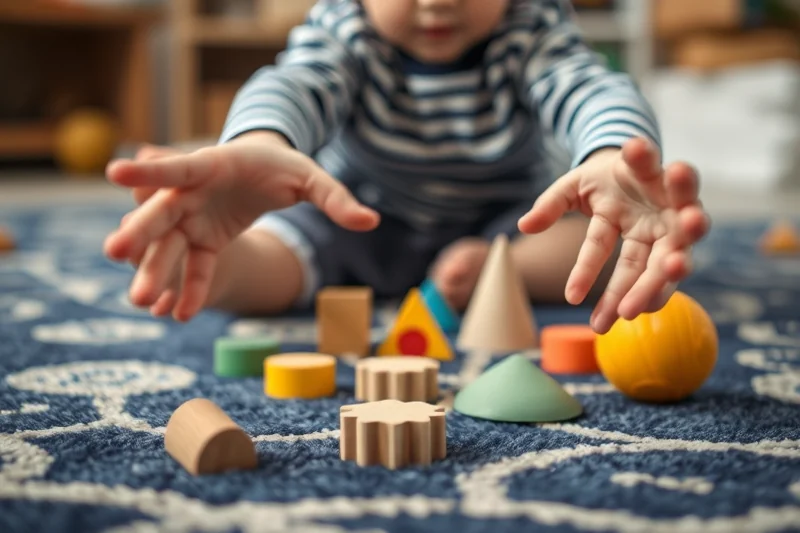
I once set up a sensory bin filled with colored water and small, floating toys, and the results were incredible. My daughter would spend hours watching the toys float and sink, trying to reach them with her hands and even using a small net to scoop them up. The colors made the activity more engaging, and the movement of the water added an unexpected layer of sensory stimulation. I found that incorporating different colors and lighting into sensory play can help children develop their visual perception and hand-eye coordination.
One of my favorite activities was using a flashlight to shine different colors onto the floor and walls while my daughter played with the sensory bin. She loved seeing the light dance across the room and would try to catch the colors with her hands. This kind of play not only builds visual skills, but also encourages creativity and imagination. It’s surprising how many children are drawn to light and color, and how much they can learn through these simple interactions.
I also noticed that using bright, contrasting colors in sensory play helped my daughter stay focused for longer periods. The visual stimulation kept her engaged, and she would often repeat the same activity multiple times, exploring the colors and textures in new ways each time. It’s amazing how much sensory play can be enhanced with the right use of color and light.
Color and light can turn even the simplest sensory play into a magical experience.
Related: Simple sensory play rainy
Related: Diy sensory play indoor
Related: Sensory play indoor mistakes to avoid
Related: Sensory Play Indoor Printable
Related: Budget sensory play indoor rainy day ideas
Related: What Sensory Issues
Related: Sensory Play Printables Tips
Related: Sensory Play Stage Tips
Related: Word Play Crossword Clue
Related: Sensory Play Indoor For Small Spaces
Related: Sensory Play Schedules Tips
Related: Sensory Play Ideas Tips
The Benefits of Natural Materials
I once took my daughter on a walk in the park and collected a handful of leaves and small sticks to use in our sensory play setup. When I brought them home and filled a bin with them, she was immediately drawn to the textures and shapes. She would trace the edges of the leaves with her fingers, smell them, and even try to stack the sticks like little towers. These natural materials provided a different kind of sensory experience than the ones I had used before — one that felt more connected to the world around us.
I found that using sand from the beach or a local park was especially popular with my daughter. She loved the way it felt between her fingers and the way it would flow when she poured it from one container to another. Using natural materials in sensory play can help children develop a greater appreciation for nature and the textures of the world around them. It’s a great way to introduce them to the concept of sustainability and environmental awareness at a young age.
One of the most surprising benefits of using natural materials was how calming they seemed to be for my daughter. When she was feeling particularly overstimulated, she would sit with the leaves and sand and quietly explore them. The natural elements provided a kind of grounding effect, helping her feel more centered and relaxed. It’s amazing how much a few simple, natural materials can do for a child’s sense of calm and connection.
Collect leaves and sand from nature and use them in a sensory bin. This is a great way to introduce children to natural textures and encourage exploration. You can also add small sticks or pebbles for added sensory stimulation.
“I remember the first time my daughter sat cross-legged in the middle of our living room, surrounded by a blanket of soft, squishy balls, giggling…”— PlayMessy editors
Related: Diy Sensory Play Tips
The Importance of Quiet Time
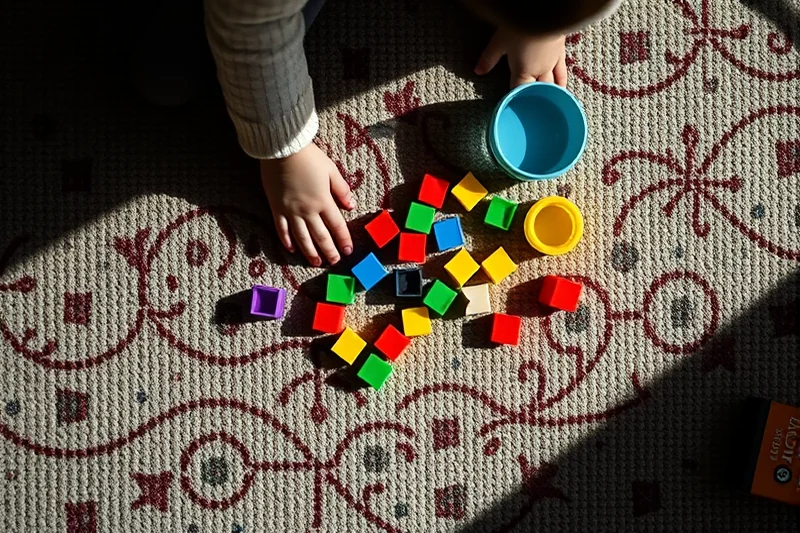
I used to think that the best sensory play was the kind that was loud, colorful, and full of movement. But I was surprised to find that my daughter really enjoyed quiet sensory activities, like playing with soft fabric or listening to the sound of crinkly paper. These activities allowed her to explore at her own pace without the pressure of constant stimulation. I found that these quiet moments helped her feel more in control and less overwhelmed.
One of the most effective quiet sensory activities was using a large, soft blanket and letting my daughter crawl over it. She loved the way it felt underneath her and would often lie down on it and just listen to the sounds around her. These moments of stillness and calm helped her regulate her emotions and provided a sense of safety and comfort. I realized that quiet sensory play can be a powerful tool for helping children manage their feelings and find their own way to calm down.
I also found that using soft, textured materials in quiet sensory play helped my daughter develop a greater awareness of her own body and the world around her. She would trace the fabric with her fingers, listen to the sounds, and even close her eyes to focus on the sensations. These quiet moments of exploration helped her build confidence and self-awareness, and I noticed that she was more patient and focused after these sessions.
The Role of Music and Sound
I once played soft, instrumental music while my daughter played with a sensory bin filled with crinkly paper and soft fabric. I was surprised at how much more engaged she seemed — she would move in time with the music and even try to match the rhythm of the paper crinkling with the beat. This kind of multi-sensory play not only helps children develop their auditory skills, but also encourages creativity and coordination.
I found that using music with different rhythms and tempos helped my daughter stay focused and engaged for longer periods. She would often ask me to play the same song multiple times, trying to predict the next beat or rhythm. This kind of play can be especially beneficial for children with sensory processing challenges, as it helps them learn to regulate their responses to different sounds and movements.
One of the most surprising benefits I noticed was how music helped my daughter express her emotions in new ways. She would sing along with the songs, even if she didn’t know the words, and it became a way for her to communicate her feelings. It was amazing to see how music could turn a simple sensory play session into a deeply emotional and creative experience.
👶 Gentle Sensory Play
Perfect for sensitive children, this approach focuses on soft textures and calm environments, avoiding overstimulation.
⏱️ Fast-Track Setup
For busy parents, this variation uses materials that can be prepared quickly and stored easily for instant sensory play sessions.
🧳 Travel/On-the-Go Play
Ideal for parents who are always on the move, this approach uses portable and easy-to-clean materials that can be taken anywhere.
👫 Sensory Play for Multiples
This variation offers activities that can be enjoyed by multiple children at once, promoting social interaction and shared play.
🔄 Regression Reset
Designed to help children who are experiencing developmental regression, this approach uses repetitive and predictable sensory activities to support recovery.
| The mistake | Why it happens | The fix |
|---|---|---|
| Using small or choking-hazard materials without supervision | This can be dangerous for young children and may lead to serious accidents. | Always supervise your child during sensory play and use materials that are large enough to prevent choking. |
| Forcing your child to participate in sensory play | This can create negative associations with sensory play and reduce its effectiveness. | Let your child explore on their own terms and offer sensory play as an option rather than a requirement. |
| Not cleaning up after sensory play sessions | This can lead to clutter and safety hazards, especially if small materials are left around the house. | Always clean up after each sensory play session and store materials in a designated container or bin. |
| Overstimulating your child with too many different sensory materials at once | This can overwhelm your child and reduce the effectiveness of the sensory play experience. | Introduce one or two sensory materials at a time and allow your child to explore them thoroughly before adding more. |
Sensory Play Indoor Tips
Common Questions
How can I make sensory play safe for my child?
What are some affordable ways to set up sensory play at home?
Can sensory play help with a child’s emotional regulation?
How can I incorporate sensory play into my child’s daily routine?
References
Cite this guide
PlayMessy (2026). Sensory Play Indoor Tips. https://playmessy.com/sensory-play-indoor-tips/
Feel free to cite or share this guide.