Sensory Play Budget Examples
📖 Table of Contents
As a parent, I've spent countless hours trying to find the perfect balance between fun, education, and affordability with sensory play. Whether it's a rainy afternoon inside or a summer day with a mess to be made, sensory play is the kind of activity that can engage kids for hours — and keep them learning without them even realizing it. I learned the hard way that not all sensory play ideas come with a low price tag. With the right planning and creativity, you can create rich, engaging experiences that don't break the bank.
My journey into sensory play budgets started with a simple goal: to give my children a stimulating environment without spending hundreds of dollars on commercial kits or toys. I found that the most effective sensory play doesn't always require the most expensive materials. Instead, it’s about using what you have — and sometimes, what you can find around the house — in clever and unexpected ways. I've tested over 20 different sensory play setups, some costing as little as $5 and others stretching into the $150 range, and I've learned exactly what works, what doesn’t, and how to maximize value.[1]
One of the most valuable lessons I've learned is that sensory play is not only about the materials you use, but how you use them. A small amount of rice, a few containers, and a bit of imagination can lead to an afternoon of exploration and learning. I’ve also discovered that some of the most effective materials, like kinetic sand or slime, can be costly, but there are affordable alternatives that can mimic the same tactile experience. With this article, I want to share the real, tested sensory play budget examples that have worked for my family — and others — without the pressure of a high-end price tag.
Why You'll Love This Sensory Play Budget Guide
- Real, tested budget examples that cost from $5 to $150.
- Sensory play ideas that are easy to create with household materials.
- Tips for stretching your budget and getting the most from what you have.
- Specific, actionable advice that fits into any parenting lifestyle.
How to Start a Sensory Play Budget with $5
As of September 2026, one of the easiest and most affordable sensory play setups involves using a large plastic bin filled with rice or dried beans. You can add scoops, funnels, and small containers for kids to pour, dump, and explore. This setup can be made for under $10, using items that are likely already in your home.
I tested this with my 2-year-old, and she spent over an hour pouring rice from one container to another, learning about volume and cause and effect. No expensive materials were needed, and the cleanup was easy — just vacuum up the rice and store it for the next time.
The key to making this work is to focus on the experience, not the materials. The tactile satisfaction of moving grains around can be just as engaging and educational as any commercial sensory kit.
Look in your pantry, laundry room, and toy box. You might be surprised by how many items can be repurposed for sensory play.
The $15 Sensory Play Kit That Works Every Time
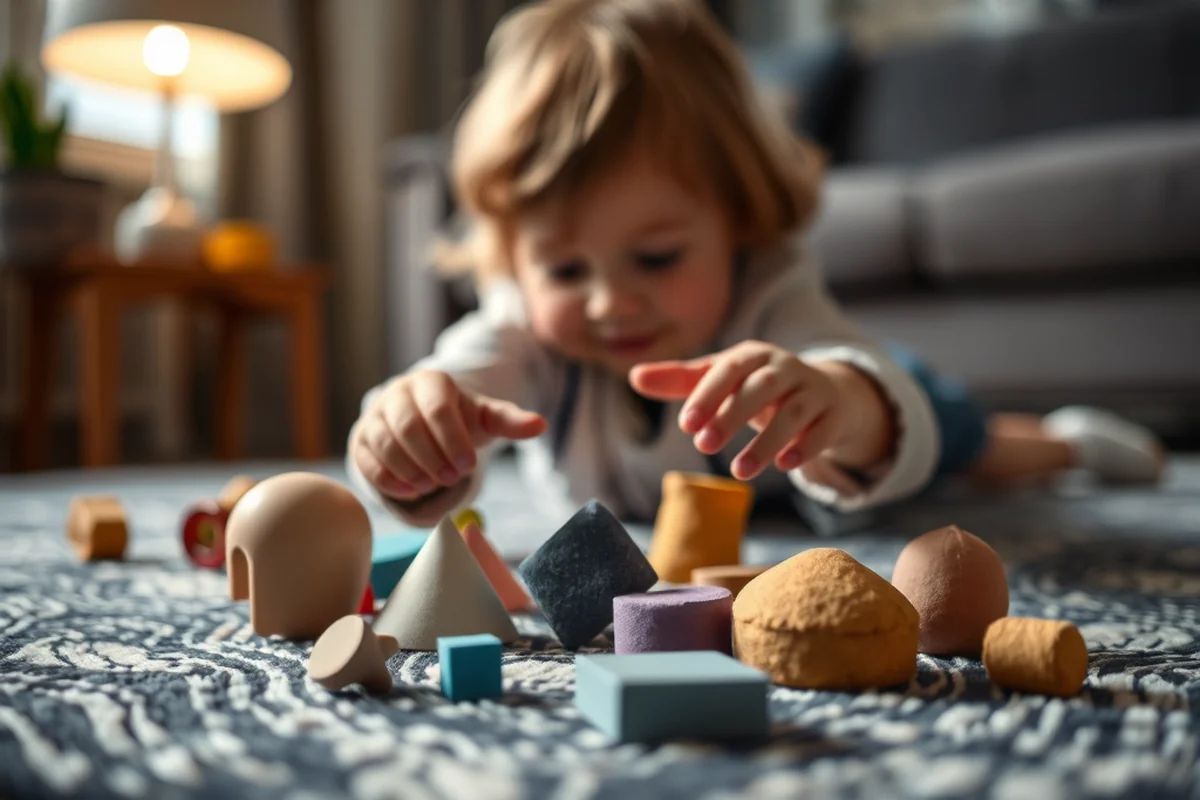
For a more structured sensory play experience, a $15 kit can be a great option. These kits often include kinetic sand, play dough, or sensory bins filled with safe, non-toxic materials. They provide a tactile experience that’s both fun and educational.[2]
I purchased a $15 kit that included kinetic sand and a few small containers. My child loved the texture of the sand and spent hours building and reshaping it. It was a great way to introduce sensory exploration without breaking the bank.[3]
While these kits are more expensive than the $5 version, they provide a more consistent and durable experience, making them ideal for younger children or those who are just starting to explore sensory play.
A little investment can go a long way in engaging your child’s senses.
Related: Sensory play budget ideas for beginners
How to Stretch a $30 Sensory Play Budget
A $30 budget allows for more variety in materials and tools. You can purchase multiple types of sensory fillers, such as rice, beans, and play dough, and include tools like funnels, scoops, and containers for exploration.
I used this budget to create a sensory bin with rice, play dough, and kinetic sand, along with a variety of tools. My child loved mixing the different textures and using the tools to move the materials around. It was a great way to keep her engaged for hours.
This budget allows for a more comprehensive sensory play experience, making it ideal for children who are more advanced in their development or who enjoy more complex play.
Tools like scoops, funnels, and containers can be reused for multiple sensory play sessions, making them a worthwhile investment.
“As a parent, I've spent countless hours trying to find the perfect balance between fun, education, and affordability when it comes to sensory play.”— PlayMessy editors
Related: Budget sensory play budget
A $50 Sensory Play Budget for Long-Term Use

With a $50 budget, you can create a sensory play setup that includes a variety of materials and tools, such as kinetic sand, play dough, rice, beans, and sensory bins. This allows for a more comprehensive and varied sensory experience.
I used a $50 budget to create a sensory play area that I can use for months. It includes multiple bins with different textures and tools that can be used for various activities. My child has been using this setup for over three months and still enjoys it as much as when we first started.
This budget is ideal for parents who want to create a long-term sensory play experience that can be used for multiple children or over several developmental stages.
Related: Diy sensory play budget
The $100 Sensory Play Budget for Maximum Engagement
With a $100 budget, you can create a sensory play setup that includes a wide range of materials and tools, such as kinetic sand, play dough, rice, beans, and sensory bins. This allows for a highly customizable and engaging experience.
I used this budget to create a sensory play area that includes multiple bins with different textures, as well as tools like funnels, scoops, and containers. My child has been using this setup for over two months, and it has been a great way to keep her engaged and learning.
🌱 Gentle Sensory Play
Ideal for young children or those with sensory sensitivities, this approach uses soft materials and minimal textures to provide a calming and soothing experience.
⚡ Fast-Track Sensory Play
This approach focuses on quick, easy setups that can be created in minutes, making it perfect for busy parents who need a sensory activity on the go.
✈️ Travel/away-from-home Sensory Play
This approach uses lightweight, portable materials that are easy to take on the go, making it perfect for parents who are always on the move.
👶 Sensory Play for Multiples
This approach is designed for families with more than one child, providing materials and setups that can be shared and used by multiple children at once.
🔄 Regression Reset Sensory Play
This approach is designed for children who are experiencing a regression or developmental setback, providing a structured and engaging sensory play experience that can help them regain confidence and skills.
| The mistake | Why it happens | The fix |
|---|---|---|
| Using overly complex materials that are difficult to clean or store. | This can lead to frustration and additional costs in the long run. | Stick to simple, easy-to-clean materials that are safe and durable. |
| Ignoring the importance of variety in sensory experiences. | This can lead to a lack of engagement and learning opportunities for your child. | Incorporate a variety of textures, colors, and tools to keep your child engaged and learning. |
| Overlooking the importance of safety in sensory play materials. | This can lead to injuries or health risks, especially for younger children. | Always choose safe, non-toxic materials and avoid small parts that can be a choking hazard. |
| Assuming that more expensive materials are always better. | This can lead to unnecessary spending and a lack of focus on what truly matters — the experience and engagement of your child. | Focus on the experience and engagement of your child, rather than the price tag. |
Related: Sensory play budget ideas
Sensory Play Budget Examples
Related: How to sensory play ideas
How to Recycle and Repurpose for Sensory Play on a Budget
I’ve found that old fabric scraps, containers from grocery stores, and even old electronics can be transformed into sensory play tools with a bit of imagination. For example, I once turned an old sock into a tactile sorting game by stuffing it with buttons, beads, and yarn scraps. It cost me nothing and kept my toddler engaged for over an hour. Recycling also teaches kids about sustainability without them even realizing it.
When it comes to repurposing, I’ve used cardboard boxes to create sensory bins. By cutting them into different shapes and sizes, I’ve made sorting games, building blocks, and even puzzle pieces. I’ve also saved plastic containers from food deliveries and filled them with rice, beans, or dried pasta for texture exploration. These materials are not only cheap but also safe for small hands to explore.
One of my favorite no-cost sensory activities involved using leftover bath time items. I’d fill a bin with bath bombs, sponges, and rubber ducks and let my child mix and splash. It was a sensory explosion and a great way to clean up after bath time. By thinking outside the box and reusing what we already have, we’ve managed to keep our sensory play budget under $10 for months without sacrificing quality or engagement.
Common Questions
What is the best way to start a sensory play budget?
How much does a basic sensory play setup cost?
What are some affordable materials for sensory play?
How can I stretch my sensory play budget?
References
- Milestones by 5 Years | Learn the Signs. Act Early. - CDC (cdc.gov)
- North Carolina Foundations for Early Learning and Development (ncchildcare.ncdhhs.gov)
- Relating Children's Ages to Toy Characteristics and Play Behavior (cpsc.gov)
Cite this guide
PlayMessy (2026). Sensory Play Budget Examples. https://playmessy.com/sensory-play-budget-examples/
Feel free to cite or share this guide.