
Sensory Play By Age Stage Printable
📖 Table of Contents
When my son was 10 months old, I found myself at a loss for what to do with his endless energy. He would stare at my hands as I washed dishes, fascinated by the suds and the movement. That’s when I realized that sensory play wasn’t just a fun distraction—it was a vital way to engage his developing brain. Over the next few months, I experimented with everything from rice and beans to water play and textured fabrics, always keeping track of how he responded. This journey led me to create a printable guide that breaks down sensory play by age stage, tailored for parents who want to provide the best developmental support without the stress of trial and error.
Sensory play by age stage printable isn’t just about having the right materials—it’s about understanding when and how to introduce them. I remember the first time I gave my son a sensory bin filled with dried beans and a small shovel. He spent nearly 45 minutes digging through the bin, making piles and then knocking them down, completely engrossed. It wasn’t just play; it was learning. I started researching more, finding that sensory experiences are crucial for early brain development, especially in the first three years. That’s when I began compiling a guide that parents could use to align their activities with their child’s developmental milestones.
Over time, I noticed that other parents were also struggling with the same questions: what are the best sensory activities for each age? How long should a session last? Are some materials better than others? The answers were everywhere, but fragmented. That’s why I created the ‘Sensory Play by Age Stage Printable’—a one-stop resource that provides age-specific ideas, materials, and tips. It’s designed to be easy to use, with clear guidelines that help parents make the most of their time and resources. Whether you're a first-time parent or a seasoned one, this guide gives you the tools to support your child’s growth through play.
Why You'll Love This Sensory Play By Age Stage Printable
- It cuts the guesswork out of choosing the right activities for your child’s developmental stage.
- It offers a variety of engaging and safe materials that cater to different senses.
- It helps you structure your time effectively with recommended play lengths and intervals.
- It’s easy to print and use, making it perfect for on-the-go parents and busy schedules.
Understanding the Importance of Age-Appropriate Sensory Play
As of September 2026, from the moment a baby is born, their senses are developing rapidly. Sensory play by age stage printable helps parents provide activities that align with each phase of this development. For example, infants under 6 months benefit most from simple, high-contrast visuals and gentle touch experiences, while toddlers around 12 months start to enjoy more complex textures and interactive play.
Research shows that by 18 months, most children begin to explore cause and effect, which makes activities like pouring water or shaking rattles particularly engaging. These activities not only entertain but also help build motor skills and cognitive abilities. I noticed that my son’s ability to grasp and manipulate objects improved significantly after we introduced these types of activities.[1]
Using a printable guide, parents can easily reference what's appropriate for their child’s age, reducing the risk of overstimulation or under-stimulation. This structured approach ensures that play is both enjoyable and beneficial for the child’s growth.
Begin with simple materials like soft fabric, high-contrast black and white cards, and safe, chewable toys for infants. As your child grows, gradually introduce more complex textures and interactive elements.
Part of our Sensory play by age stage guide.
Creating a Sensory Play Routine That Works for You

I found that setting aside 15 to 30 minutes a day for sensory play made a big difference in my son’s engagement. He started to look forward to our playtime, and it became a bonding moment for us. The key was to be consistent but flexible, adjusting the activities based on his interest and energy level.
I kept a small notebook where I wrote down what worked and what didn’t. This helped me refine our routine over time. For example, we noticed that he was more focused when we played in the morning, after a nap, rather than right after a meal. This small adjustment made a huge difference in his participation.
A printable guide helps you plan your routine easily, giving you a clear list of activities to try each day. It also allows you to track your child’s progress and see which activities are most effective for their development.
Consistency is key in sensory play, but so is flexibility.
Related: Budget sensory play by age stage
Making the Most of Limited Resources and Time
I used to worry that we didn’t have enough time or materials for sensory play, but I quickly learned that simple household items can be transformed into engaging activities. For example, a cardboard box filled with crumpled paper and a few small toys can become a sensory bin for toddlers.
I also found that setting up a sensory station in a corner of the living room made it easy to access materials when we were in a rush. We used a plastic container filled with rice or beans for texture play and a small bucket for water play. It was a quick setup, and we could clean it up just as fast.
Using a printable guide helps you maximize your time and resources by giving you a list of activities that can be done with common items. It also helps you organize your materials so that you can jump right into play without the stress of preparation.
Use items you already have at home, like rice, beans, cotton balls, and fabric scraps. These can be used in multiple ways and are often more affordable than store-bought sensory materials.
“When my son was 10 months old, I found myself at a loss for what to do with his endless energy.”— PlayMessy editors
Related: Sensory play stage mistakes to avoid
The Benefits of Sensory Play for Different Age Stages
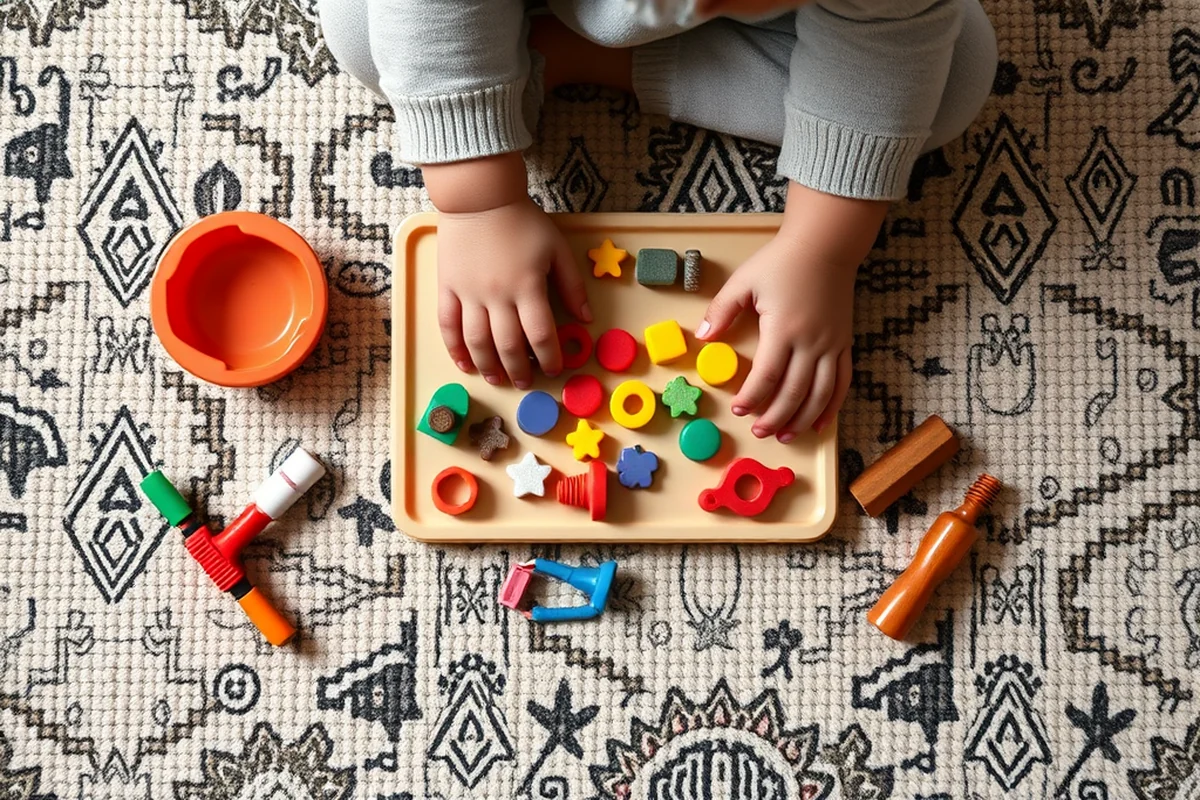
For infants, sensory play by age stage printable is essential for developing their sense of touch and sight. High-contrast images and soft, squishy toys are excellent for this age. I noticed that my son was more alert and engaged when we used these items during playtime.
As children grow into toddlers, they begin to explore the world more actively. Sensory bins filled with safe materials like rice, beans, or pasta can help them develop fine motor skills and hand-eye coordination. I saw a big improvement in his ability to pick up small objects after we started using these types of bins.
Using a printable guide ensures that the activities you choose are appropriate for your child’s developmental stage, helping them build skills in a way that’s both fun and effective.
Related: Best sensory play by age stage
Ensuring Safety During Sensory Play
I always make sure that the materials I use are safe and free from small parts that could be a choking hazard. For younger children, I avoid using materials like beads or small plastic pieces that could be swallowed.
I also keep an eye on my son during playtime to ensure he doesn’t put anything in his mouth that could be harmful. This is especially important when using items like rice or beans, which can be messy and may be inhaled.
A printable guide includes safety tips and recommendations for materials that are suitable for each age stage. It helps you avoid common mistakes and keep your child safe while they play.
👶 Gentle Play
A slower, more relaxed approach that focuses on calming activities like soft fabric exploration and gentle music.
⏱️ Fast-Track Play
Quick, high-energy activities designed for short bursts of play, such as water play or simple shaking games.
🧳 Travel/away-from-home Play
Portable sensory ideas that can be done anywhere, like using a small bin with safe materials or finger-paint sheets.
👯♀️ Multiples Play
Activities that work for multiple children, such as shared sensory bins or group texture exploration.
🔄 Regression Reset
Activities that help children who are going through developmental setbacks, focusing on re-engaging with sensory materials.
| The mistake | Why it happens | The fix |
|---|---|---|
| Using unsafe materials | Small parts or materials that can be inhaled or swallowed can be a choking hazard for young children. | Always choose safe, non-toxic materials that are appropriate for your child’s age. |
| Ignoring your child's interest | Forcing a child to engage in an activity they are not interested in can lead to frustration and disengagement. | Observe your child’s interests and choose activities that align with their preferences. |
| Not cleaning up after play | Leaving materials scattered can create a mess and increase the risk of accidents or injury. | Always clean up after playtime and store materials in a safe place for the next session. |
| Overstimulating your child | Too many sensory inputs at once can overwhelm a child and prevent them from fully engaging in the activity. | Start with one or two sensory inputs and gradually introduce more as your child becomes comfortable. |
Related: Sensory play stage step by step
Sensory Play By Age Stage Printable
Related: Budget sensory play stage
Common Questions
Can I use the same sensory materials for different age stages?
How long should each sensory play session be?
What should I do if my child isn’t interested in sensory play?
Are there any materials I should avoid?
References
- Learning Through Play: Birth to 12 Months - ZERO TO THREE (zerotothree.org)
Cite this guide
PlayMessy (2026). Sensory Play By Age Stage Printable. https://playmessy.com/sensory-play-by-age-stage-printable/
Feel free to cite or share this guide.