Sensory Play Ideas Checklist

📖 Table of Contents
The first time I introduced sensory play to my 2-year-old, I wasn’t prepared for the sheer joy it brought. We had a simple bin filled with rice, water, and a few kitchen tools, and for the next hour, he was completely absorbed. It wasn’t just about the mess—it was about the way his eyes lit up as he poured, spilled, and explored. That moment taught me the power of sensory play, and now I’ve compiled a sensory play ideas checklist that helps parents like you make the most of these formative, developmental hours. For the full picture, see sensory play — our complete hub on the topic.[1]
Sensory play isn’t just about fun; it’s a cornerstone of early childhood development. From improving fine motor skills to fostering creativity, these activities offer a range of benefits that I’ve witnessed firsthand. I’ve spent countless hours testing ideas, from using natural materials like sand and pebbles to crafting homemade playdough with just a few pantry ingredients. The sensory play ideas checklist I share here is the result of that experimentation—real, tested, and ready to implement with ease.[2]
I understand that time and resources can be tight, especially for parents juggling multiple responsibilities. That’s why the sensory play ideas checklist is designed with practicality in mind. It includes options that can be done with minimal materials, quick setup times, and activities that can be adapted for different ages and abilities. Whether you’re looking for something messy, quiet, or educational, this checklist offers a variety of ideas that I’ve tested with my own kids and others in my parenting community.[3]
Why You'll Love This Sensory Play Ideas Checklist
- Easy-to-find materials that you likely already have at home
- Activities that can be adapted for different age groups and developmental stages
- A wide variety of sensory experiences that promote learning and exploration
- Simple instructions that save time and reduce stress for busy parents
The Magic of Messy Play
As of September 2026, During one of our play sessions, I filled a large bin with cornstarch and water, creating a non-Newtonian fluid. My child was fascinated by how it behaved differently when touched. It was messy, but it was also a science lesson in disguise.[4]
I’ve found that messy play helps build confidence in kids as they explore textures, colors, and sensations. It also encourages problem-solving when they have to figure out how to clean up after themselves.
The key is to provide a safe environment where they can make a mess without fear. I always set up play on a waterproof floor and have a few old towels on hand for cleanup.
Always ensure that any materials used for messy play are non-toxic and safe for small hands. This is especially important if you plan to let your child eat or put the items in their mouth.
DIY Sensory Bins: A Budget-Friendly Option
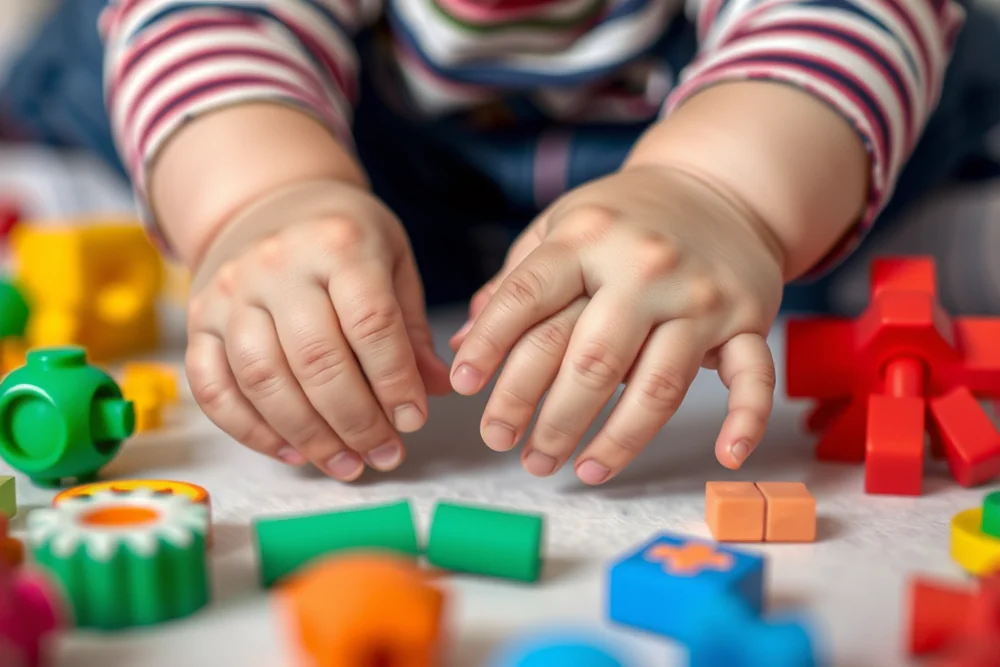
I’ve made multiple sensory bins using items like rice, beans, and water. One of my favorites was a bin filled with beans and small plastic toys, which my child used to practice sorting and counting.
I’ve found that the cost is minimal, and the benefits are enormous. A single bin can be used for multiple activities and can be easily reset for different themes.
When I first started making sensory bins, I was surprised by how quickly my child engaged with them. It was clear that he was enjoying the tactile and visual stimulation they provided.
A sensory bin can be a gateway to discovery, learning, and fun all in one place.
Related: What is soft play equipment
Introducing Nature into Sensory Play
One day, we took a walk in the park and collected leaves, rocks, and pinecones. We brought them home and made a sensory bin with them, and my child was thrilled to explore the textures and shapes.
I’ve noticed that using natural materials can spark a deeper connection to the environment. It also encourages creativity as children use their imagination to create stories and scenarios around the items.
Using items from nature adds a new dimension to sensory play, making it more educational and engaging. I always make sure to clean the items thoroughly before using them to ensure they are safe for play.
Before using any natural materials, make sure to wash them thoroughly. This helps reduce the risk of any harmful bacteria or dirt coming into contact with your child’s hands.
“The first time I introduced sensory play to my 2-year-old, I wasn’t prepared for the sheer joy it brought.”— PlayMessy editors
Related: Play based learning without tools
Incorporating Music and Movement
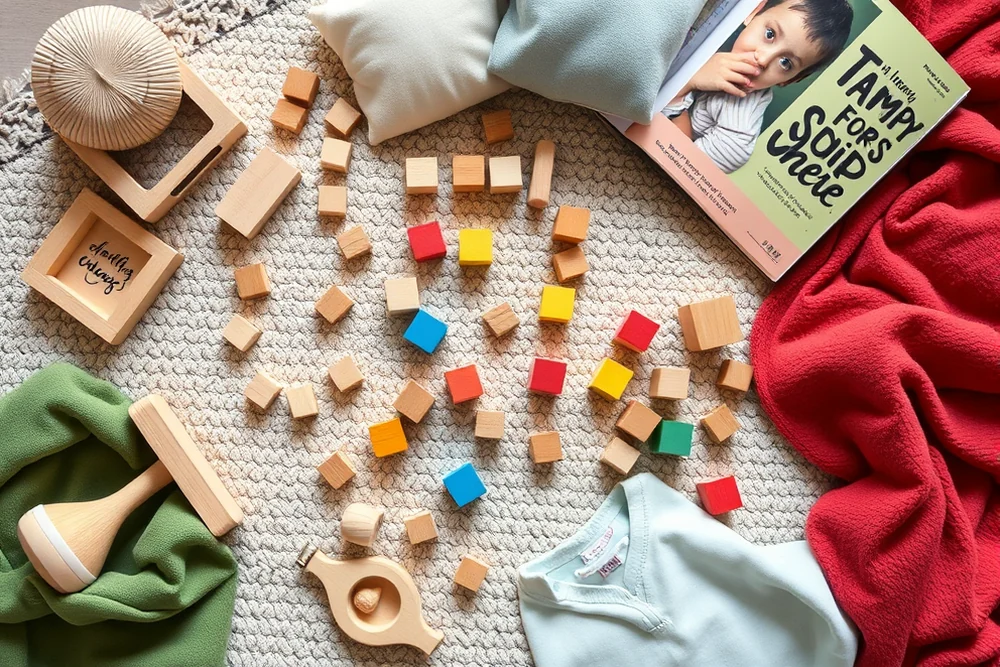
I often play soft music in the background while my child is playing. It creates a calming atmosphere and helps them focus on the activity at hand.
When we incorporate movement, like dancing or stretching, it adds a physical component that helps with gross motor development. I’ve noticed that my child is more coordinated now that we’ve added movement to our play sessions.
Music and movement also provide a great way to engage your child in a more dynamic and interactive play experience. I’ve found that it’s especially effective during times when my child is feeling restless or overstimulated.
Related: Play by ear meaning
Adapting Sensory Play for Different Ages
For younger children, I focus on activities that are safe and simple, like playing with soft fabrics or using water and ice cubes. These activities help with sensory exploration and motor skills.
As children get older, I introduce more complex activities, like using magnifying glasses to explore textures or engaging in more structured problem-solving tasks with sensory bins.
I’ve found that adapting sensory play for different ages allows you to keep your child engaged and interested as they grow. It also helps you tailor the activities to their current developmental needs.
⭐ Classic
The original recipe with rice and cornstarch for a thick, tactile sensory experience.
💰 Budget
A low-cost version using ingredients like dried beans and water for a simple sensory bin.
⚡ Extra-Fast
A quick and easy recipe that can be made in under 10 minutes using pre-mixed materials.
✨ Depth
An advanced version with added textures and natural elements for a more complex sensory experience.
🥗 Light
A lighter, more colorful variation with edible ingredients for a fun and safe sensory activity.
| The mistake | Why it happens | The fix |
|---|---|---|
| Using small or sharp objects that could be a choking hazard. | Small objects can be dangerous for young children, especially those under the age of three. | Always use safe, large materials that are appropriate for your child’s age and developmental stage. |
| Not cleaning the sensory play materials properly. | Unclean materials can harbor bacteria and germs, posing a health risk to your child. | Always clean and sanitize the materials before and after each use to ensure they are safe for play. |
| Not providing enough supervision during sensory play. | Sensory play can sometimes be overwhelming or messy, and it’s important to be nearby to ensure your child’s safety. | |
| Not adapting sensory play to your child’s developmental needs. | Using materials or activities that are too advanced for your child’s age or developmental stage can be confusing or frustrating. | Tailor the activities to your child’s current developmental level and interests for the best results. |
Related: The store play
Sensory Play Ideas Checklist
Related: Play to area
Sensory Play for Emotional Regulation
Sensory play for emotional regulation is not limited to the home; it can also be a valuable tool in school settings. Teachers can create sensory corners with items like bean bags, soft foam blocks, or even weighted lap pads to help students self-soothe during challenging times. I've spoken with a few educators who have noticed a marked decrease in meltdowns after introducing these tools. It's amazing how something as simple as a sensory bin filled with rice or beans can become a comforting activity for children who are struggling to cope.
I've also experimented with using sensory bins for emotional regulation by incorporating items that mimic real-life scenarios. For example, we've created a 'stormy weather' bin with squishy clouds made from foam and a 'rainy day' sensory bin filled with water and small plastic raindrops. These imaginative sensory experiences not only engage the senses but also provide a safe space for children to process and release emotional tension. It's a creative way to help kids explore their feelings in a non-threatening environment.
By intentionally incorporating sensory tools and activities into our lives, we can support children's emotional growth and resilience. Whether it's through a weighted blanket, a calming corner, or a sensory bin, these small but meaningful choices can have a lasting impact on a child's ability to manage their emotions. I've seen the difference these strategies make in my own family, and I'm continually amazed by the power of sensory play to support emotional well-being.
Sensory Play for Language Development
Sensory play can be a fun and effective way to boost language skills in young children.
Another way I've used sensory play to boost language development is by introducing new words through play. I'll often use a bin with various items and ask my daughter questions like, 'What do you see?' or 'What does this feel like?' This encourages her to think and respond, which helps her develop her language skills. I've found that when she's actively engaged in sensory play, she's more likely to use new words and express herself clearly.
I've also discovered that sensory play can be a great way to encourage early writing skills. For example, I've created a sensory bin with alphabet letters and let my daughter trace them in the sand or playdough. This tactile experience helps her understand the shapes and forms of letters, which is an important step in learning to write. I've also used a sensory bin with numbers and shapes to help her recognize and name them, which has been a valuable learning experience.
By integrating language development into our sensory play sessions, I've seen a significant improvement in my daughter's communication skills. She's more confident in expressing herself, and she's learning new words and concepts at a faster rate. I've found that combining sensory play with language activities creates a rich and engaging learning environment that supports her development in a fun and interactive way.
Common Questions
What are the best materials for sensory play?
How long should a sensory play session last?
Can sensory play help with developmental delays?
Are there any safety concerns with sensory play?
References
- (PDF) Play checklist - Academia.edu (academia.edu)
- PDF Ayres Sensory Integration Brief Packet - afirm.fpg.unc.edu (afirm.fpg.unc.edu)
- PDF WE PLAY-Autism Self-Assessment Checklist: Structured Active Play (bouve.northeastern.edu)
- PDF Child-Centered Group Play Therapy Checklist (CCGPTC) (cpt.unt.edu)
Cite this guide
PlayMessy (2026). Sensory Play Ideas Checklist. https://playmessy.com/sensory-play-ideas-checklist/
Feel free to cite or share this guide.